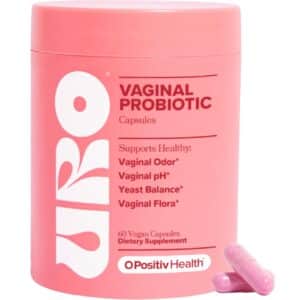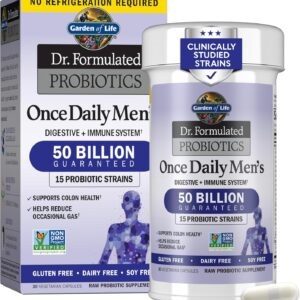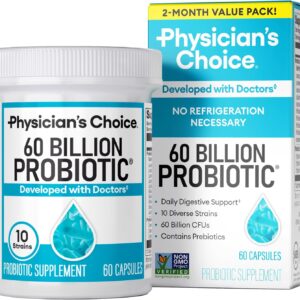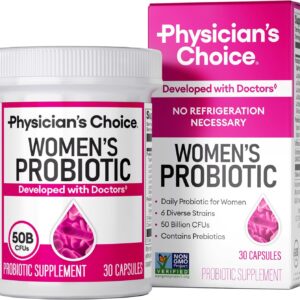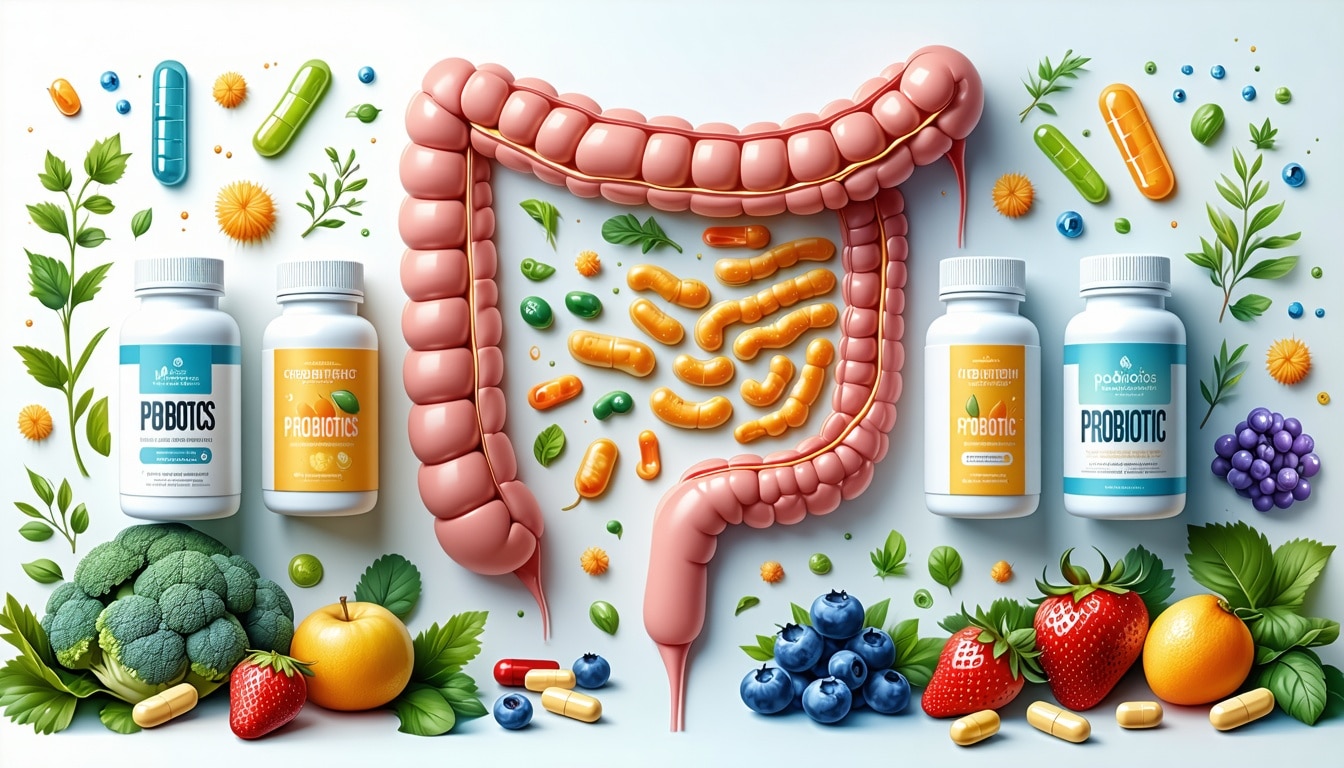
Probiotics Supplements for Gut Health are gaining momentum as one of the most effective natural tools for improving digestion, enhancing immunity, and supporting overall wellness. These live microorganisms, often referred to as “good bacteria,” help balance your gut microbiome, especially after disruptions caused by antibiotics, stress, or poor diet. In this article, we explore how probiotics work, their major health benefits, which strains are most effective, and what to consider when choosing the right supplement for your needs.
Understanding Probiotics
Introduction to Probiotics
Probiotics are basically the friendly side of bacteria and yeast—like the superheroes of your digestive world. They’re bustling with benefits, from boosting your gut health to keeping your immune system strong. These good guys kick out the bad bacteria and keep your body running smoothly. Think of them as little helpers that keep everything balanced, especially when things go off track through illness or treatments. When your gut needs a reset, probiotics are your go-to pals.
Now, not all probiotics are the same. They’re like dogs—different breeds, different traits. You’ve got your Bifidobacterium, Lactobacillus, and Saccharomyces, each bringing something unique to the table. Which strain you choose matters because each has its own flair for helping you out.
Benefits of Probiotics
Probiotics are like the Swiss Army knife of health—they do a little bit of everything. Sure, they’re known for keeping your gut in tip-top shape, but that’s just the start. Here are a few reasons why you might want to invite them to the party:
| Benefit | Description |
|---|---|
| Digestive Health | Helps manage woes like diarrhea and IBS, making your gut happier. |
| Immune Support | Keeps those pesky germs at bay, giving your immune system a leg up. |
| Improved Gut Balance | Stops your digestive system from going haywire by keeping gut bacteria in check. |
| Mood Enhancement | Could be your mood booster, thanks to the gut-brain connection. |
Add a dash of probiotics to your routine, and you’re not just looking at a happier belly, but a happier you. Curious to dig into how these gut guardians work? Take a peek at our section on probiotics for gut health where we spill the beans on their inner workings and more!
The Role of Probiotics in Gut Health
Probiotics are all about giving your gut some love. They help beef up your gut’s good bacteria and get things back in sync, giving your digestive system the balance it needs.
Strengthening Gut Microbiome
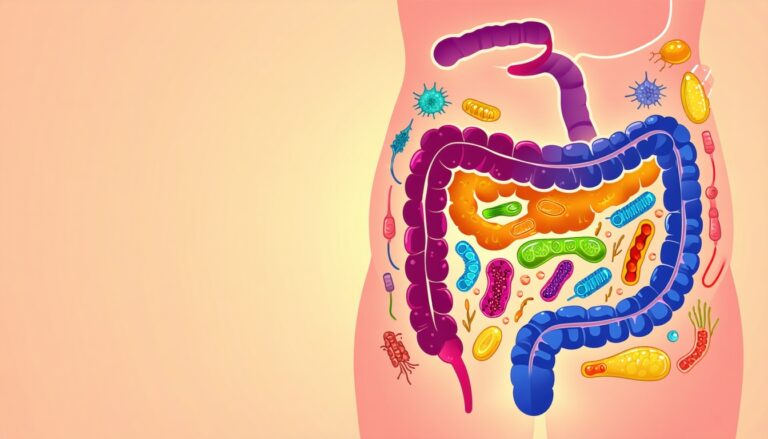
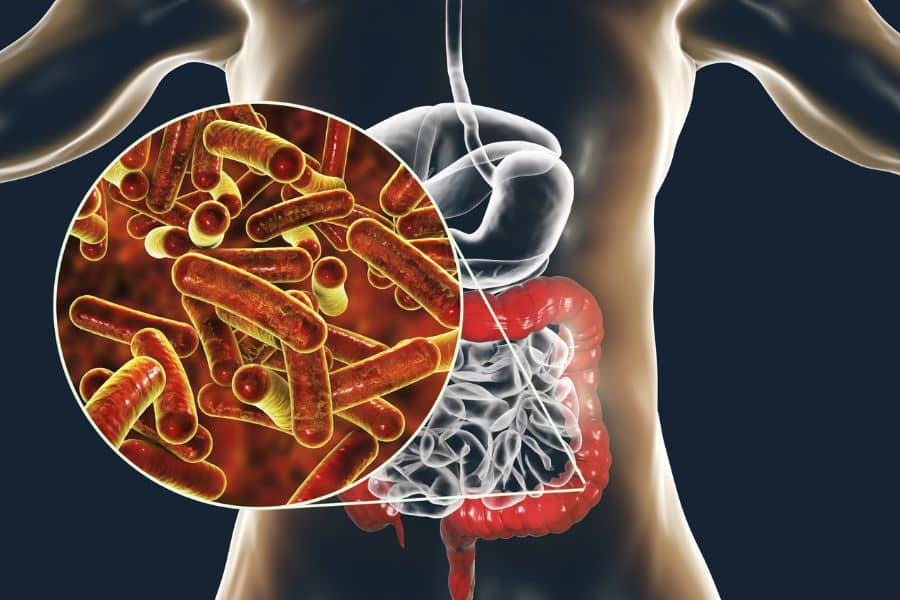
Think of your gut microbiome as a lively neighborhood filled with tiny residents like bacteria and other microorganisms, all working to keep things running smoothly. Probiotics are the good guys—live strains of bacteria and yeasts—that join the crew to boost this bustling community. They’re the tiny bouncers in your belly, kicking out the bad guys and ensuring everything flows right (Cleveland Clinic).
Adding probiotic supplements or foods to your diet? You’re basically refilling on good microbes when factors like junk food, stress, or antibiotics wipe ’em out. Here’s what they might help with:
- Smoother digestions
- Beefed-up immune system
- Keeping blood sugar levels on point
- Even mood and mind boost (NIH Office of Dietary Supplements)
Getting probiotics into your meals can make your gut tougher, helping those important body functions do their thing.
Restoring Microbiome Balance
A well-balanced gut is like the VIP section of a club—it needs to stay on point for you to feel your best. When things get outta whack, known as dysbiosis, you might face problems like stomach troubles or infections. Probiotics come to the rescue by boosting the good bacteria squad in your gut.
Research says that certain probiotics, like Lactobacillus rhamnosus GG, can help tackle tummy issues like diarrhea (Mayo Clinic Health System). And if you’ve been sick or on antibiotics, packing your diet with high-CFU probiotic supplements can get your gut groove back (Nordic Naturals).
By working probiotics into your routine, you help keep your gut world balanced and ward off issues, giving your insides a well-deserved high five. Curious about more ways probiotics can help with digestion? Check out our article on probiotics and digestion. Plus, learn how they might beat stuff like leaky gut syndrome—you’ll see why they’re a big deal!
Popular Probiotic Strains
Getting to know probiotics can be your secret weapon for a healthier life. Two heavyweights in this arena that you’re likely to encounter are Acidophilus and Lactobacillus. They’re like the gut’s dynamic duo, each packed with specific perks for keeping things running smoothly down there.
Acidophilus Benefits
Lactobacillus acidophilus, usually just called Acidophilus, is a big name in the probiotic game. This helpful little bug isn’t just hanging out in your intestines; it’s also making itself comfortable in places like the vaginal area. Why? To help keep things balanced and happy in your microbiome.
| Benefits of Acidophilus | What’s It Do? |
|---|---|
| Helps With Digestion | Acidophilus is a champ at breaking down chow and soaking up nutrients, making it a top pick for your tummy. |
| Kicks Bad Bacteria | It goes after the nasty bacteria, basically calling security to keep your gut clean and infection-free. |
| Gives Your Immune System a Leg Up | A happy gut means a stronger immune system; Acidophilus helps put up those defenses. |
| Eases Lactose Woes | Can’t handle milk? This strain breaks down lactose, making it your ally if you’re dairy-sensitive. |
You’ll find Acidophilus in health store aisles as supplements or in tasty fermented foods. Adding it to your meals is like sending a thank-you note to your gut.
Lactobacillus Incorporation
Dive into Lactobacillus, a group rich with strains, each bringing its own flair. These probiotics have been mingling in your favorite fermented treats—think yogurt, kefir, and sauerkraut.
| Benefits of Lactobacillus | What’s It Do? |
|---|---|
| Boosts Good Bacteria | Lactobacillus promotes friendly bacteria growth, helping keep your inner world peaceful. |
| Reinforces Immunity | This strain chats up your immune system, possibly making you tougher against bugs. |
| Fights Off Diarrhea | Famous for preventing runs, especially after antibiotics get into the mix. |
| Assists in Nutrient Uptake | It’s like a backstage pass, helping your body snag the nutrients it needs. |
Bumping up your Lactobacillus intake through diet or supplements can really up your gut game and keep your microbiome happy.
Both Acidophilus and Lactobacillus are MVPs in keeping your digestion smooth and your defenses strong. Whether you pop a pill or spoon yogurt, making these probiotics part of your routine helps keep you feeling your best.
Beyond Gut Health
Sure, probiotics help with your tummy, but they’re more than just a gut buddy. Making probiotics an everyday thing might just up your game in fighting off colds and overall feeling like a million bucks.
Probiotics and Immunity
One major perk of taking probiotics is the boost they can give to your immune system. These supplements pack your body with good germs that help fend off the bad guys and keep you healthier. They can be your secret weapon against getting sick, as they keep inflammation down and your gut in tip-top shape (Cleveland Clinic).
Here’s how probiotics might pitch in:
- Boosting Immune Squad: Probiotics help your body pump out antibodies and rally the troops—like T-cells and those awesome natural killer cells—to get fighting.
- Kicking Bacteria Butt: Taking probiotics daily can shove out the bad microbes before they cause any drama.
| Benefit | What It Does |
|---|---|
| Pumps immune squad | Helps antibody production and revs up those immune cells |
| Beats the bad guys | Crowds out harmful germs |
For a deep dive into building your immune fortress with probiotics, check our piece on probiotics immune system.
Impact on Overall Health
Probiotics don’t just stop at making your belly happy. They connect to the brain, nervous system, and hormone factories too. When your gut is healthy, things like digestion, staying healthy, and keeping a cool head all get in line. A gut that’s running smoothly can lift your mood and mental sharpness (Cleveland Clinic).
Here’s what probiotics can do for your all-around health:
- Digestive Aid: They help break down food and keep things… moving.
- Sugar Balancing Act: Taking probiotics might help keep those sugar levels in check, which is good news for keeping everything in balance.
- Feel-Good Factor: That gut-brain connection means probiotics can help with anxiety and mood swings by keeping your gut happy.
| Health Factor | What It Helps With |
|---|---|
| Digestion | Better breakdown of food and keeps you regular |
| Blood Sugar | Can help balance sugar levels |
| Mood | Connects good gut vibes to mental health |
To explore more on how probiotics get cozy with your digestion, head over to probiotics for digestive health and digestive probiotics.
When you invite probiotics into your stack, you’re not just looking after your stomach; you’re giving your entire well-being a solid high-five.

Probiotics: What to Keep in Mind
Who Should Be Careful
Probiotics are often hailed as a miracle for gut health, but they aren’t one-size-fits-all. If your immune system’s not up to par, like in the case of folks on immunosuppressants, those critically ill, or tiny preemies, you might want to sideline them for a bit. Even history of surgery or ongoing serious health issues can up the risk level (Cleveland Clinic).
Kids, pregnant, or nursing? Get the doc’s seal of approval before diving into the world of probiotics with little ones or during pregnancy. Trust the experts here, cause test cues on many probiotics aren’t all wrapped up yet (WebMD).
What to Expect: Side Effects
Probiotics are generally easy on the system, but howdy—your body may throw a fit in the beginning. You might bump into some typical yet mild effects like:
| Possible Bump | What’s Going On |
|---|---|
| Tummy Troubles | Your belly grumbles as it gets used to the new friends. |
| Passing Gas | Your trusty microbes having meets and greets. |
| Loose Stools | You might visit the john more often, temporary though. |
| Bloated Feeling | Your abdomen feels puffed up, almost like you’ve had one too many slices of pie. |
Normally, these oddities fade as you stick with it. But if you’re contending with an immune glitch, or just had surgery, rethink starting these supplements without consulting with a healthcare hero first.
For those of you under treatments like chemo, it’s a biggie to have a chat with your doctor because probiotics might dial up infection risks (Mayo Clinic Health System). If you’ve got a hankering for more details on how probiotics can boost your gut game, hop over to our article on probiotics for gut health.
Choosing the Right Probiotic Supplement
Picking the probiotic that’s gonna make your belly happy can be a game changer. With so many choices, it’s all about knowing what’s what between single and multi-strain options, and nailing down the right dose.
Single vs. Multi-Strain Probiotics
Dive into the world of probiotics, and you’ll bump into two kinds — single-strain and multi-strain.
- Single-Strain Probiotics: These are the lone rangers, boasting just one type of bacteria. Believe it or not, sometimes a single player does the magic better than a crowd. Take the case of diarrhea from Helicobacter pylori; one-strain probiotics stepped up their game compared to their two-strain buddies (Optibac Probiotics).
- Multi-Strain Probiotics: These are like a family reunion with a mix of different strains. They’re your go-to for an all-around gut boost. The good ones usually contain about five to six strains, but don’t go overboard. Packing in 10-20 strains might seem like a great idea, but it could mean some strains don’t stick around till you actually use them.
| Type of Probiotic | Pros | Cons |
|---|---|---|
| Single-Strain | Target specific issues; sometimes more potent | Lacks variety |
| Multi-Strain | Covers more ground; helps different gut areas | Strain sustainability might be a worry |
Determining the Effective Dosage
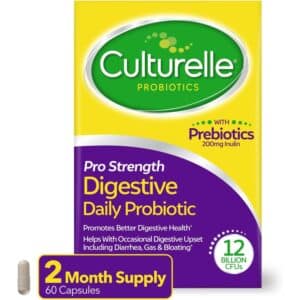
Getting the amount just right is like hitting the jackpot. It’s not one-size-fits-all; it really depends on which strain you’re dealing with and what you’re trying to tackle. Generally, a sweet spot is between 1 and 10 billion CFUs (colony-forming units) per dose.
| Dosage Range | Aim |
|---|---|
| 1 billion CFUs | Day-to-day gut happy vibes |
| 5 billion CFUs | Kicking those digestive problems to the curb |
| 10 billion CFUs | When you need the big guns for major support |
Following what the box says, and having a chat with your doc makes sure you’re getting what you need for your own unique situation.
Wondering how probiotics can change your digestive game? Check our article on probiotics for digestive health and see what’s in store for you.
Final Thoughts
Probiotics aren’t just a passing health trend—they’re a science-backed solution to maintaining a happy, balanced gut and a stronger immune system. From easing digestive troubles to possibly improving your mood and even supporting your immune defenses, these friendly microbes are true multitaskers. Whether you opt for single-strain or multi-strain formulas, consistency and the right dosage are key. However, as with any supplement, consulting with a healthcare provider is essential—especially if you have a compromised immune system or specific health concerns. Probiotics can be a game-changer, but the best outcomes come from informed, mindful use.
Frequently Asked Questions (FAQ)
What are probiotics and how do they help gut health?
Probiotics are live bacteria and yeasts that promote a healthy balance of gut microbes. They support digestion, enhance nutrient absorption, and help prevent issues like diarrhea, bloating, and infections by outcompeting harmful bacteria.
Can probiotics boost my immune system?
Yes, probiotics can enhance immune function by stimulating the production of antibodies and activating protective immune cells. They also reduce inflammation and support the gut lining, which is a major barrier against harmful pathogens.
What’s the difference between single-strain and multi-strain probiotics?
Single-strain probiotics contain one type of beneficial microbe and are often targeted for specific issues. Multi-strain probiotics include a variety of strains, offering broader support across different areas of gut and immune health. The best option depends on your individual needs.
Are there any side effects of taking probiotics?
Most people tolerate probiotics well, but some may experience mild effects such as gas, bloating, or loose stools during the adjustment period. These usually subside after a few days. Those with compromised immune systems or serious illnesses should consult a doctor first.
How do I choose the right probiotic supplement?
Look for products with well-researched strains like Lactobacillus or Bifidobacterium, and check the CFU count (typically 1–10 billion CFUs per dose). It’s also wise to follow dosage recommendations and ensure the product has been stored properly to preserve live cultures.
Do I need probiotics if I already eat fermented foods?
Fermented foods like yogurt, kefir, and sauerkraut do contain natural probiotics, but not all strains survive digestion or are present in high enough numbers. Supplements can offer more targeted and consistent support, especially during illness or after antibiotic use.