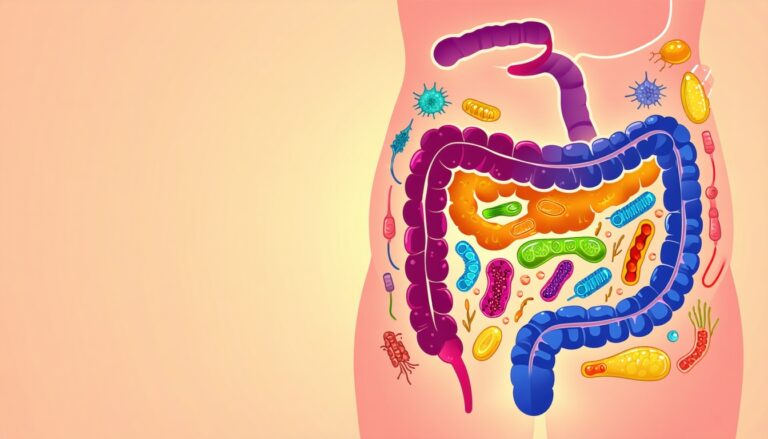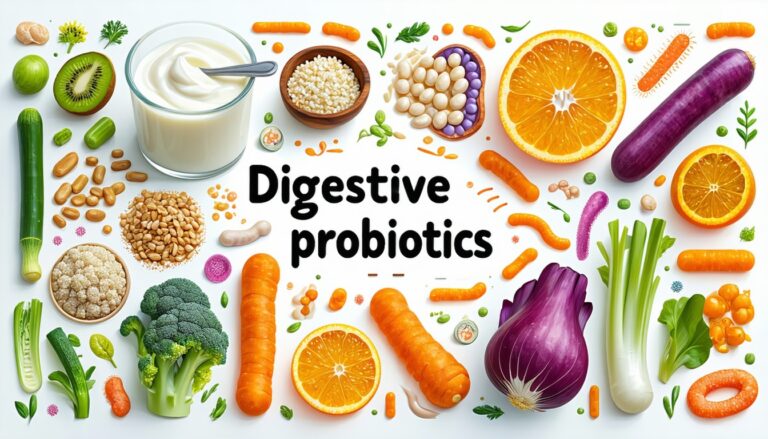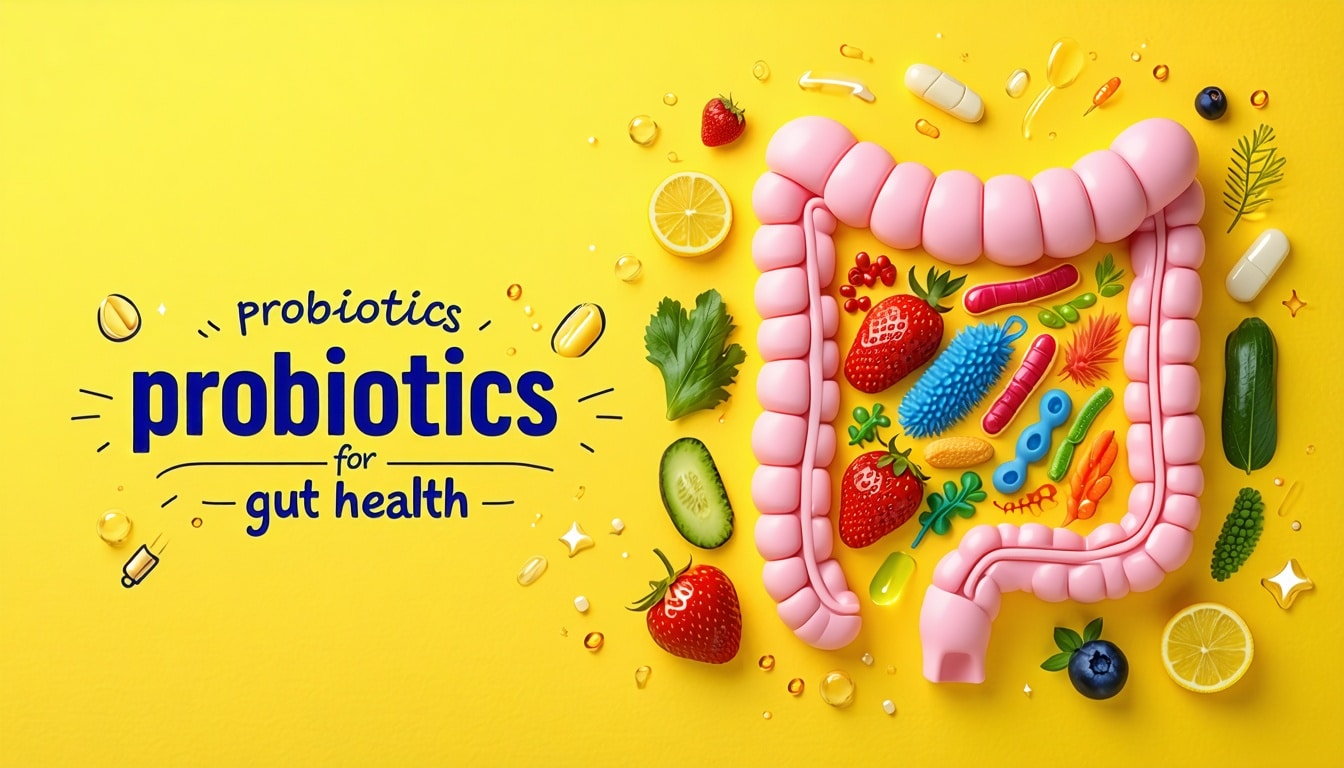
Probiotics for Gut Health are becoming essential allies in supporting digestive balance and overall wellness. These live microorganisms, found in foods like yogurt and kimchi or taken as supplements, help maintain a healthy gut microbiome. By enhancing digestion, boosting immunity, and easing symptoms of conditions like IBS, probiotics work behind the scenes to keep your body functioning at its best. Whether you’re new to probiotics or looking to refine your regimen, understanding their benefits and proper use can be a game-changer for your health journey.
Understanding Probiotics
Definition and Importance
Ever heard of probiotics? They’re not just a fancy word but your gut’s best friends. Think of them as the friendly neighborhood superheroes of microorganisms, swooping in to save your belly from bad guys like bloating and indigestion. Way back in the early 1900s, folks started chatting about munching on these beneficial bugs, and it turns out they were onto something. The word “probiotics” itself is a mix of Latin and Greek roots that translates to “for life” (Healthline).
The smart folks at the International Scientific Association for Probiotics and Prebiotics lay it out simply. Probiotics are the good guys—live microorganisms packed with health perks. They’re like little warriors amping up your immune system and keeping your gut scene drama-free, which means a happier you overall.
Here’s how probiotics roll in your body:
| What They Do | What It Means for You |
|---|---|
| Boosts your immune system | Helps in saying a firm “no thanks!” to infections. |
| Strikes a balance in your gut | Keeps the bacteria party under control. |
| Smoothes out digestion | Ensures your food gets processed like a pro, minus the tummy troubles. |
Sources of Probiotics
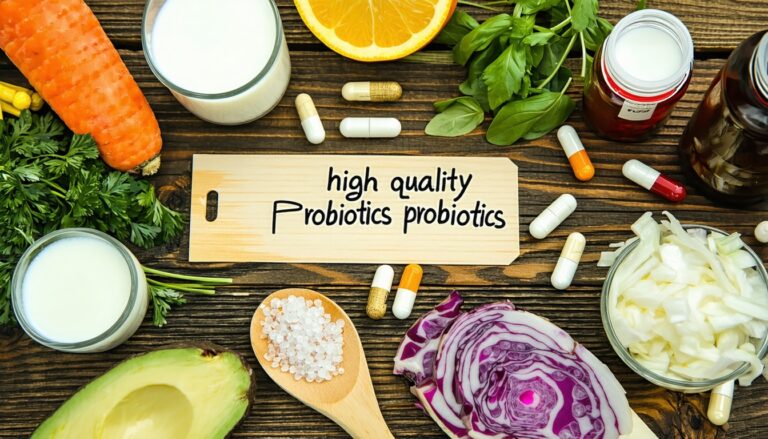
You don’t need a degree in food science to add probiotics to your diet. Just hit up some tasty fermented foods, and you’re golden. It’s a deliciously simple way to give your gut a high five.
| Where to Find Them | Why They’re Awesome |
|---|---|
| Yogurt | Packed with live cultures that are gut rock stars. |
| Kefir | This fermented milk drink is a probiotic goldmine. |
| Sauerkraut | Tangy cabbage, teeming with helpful bacteria. |
| Kimchi | Zesty veggies supercharging your gut flora. |
| Miso | This soybean mix does wonders in soups and sauces. |
| Tempeh | Soybeans get a makeover into a meat substitute brimming with probiotics. |
| Kombucha | Fizzy tea that’s a party for your gut. |
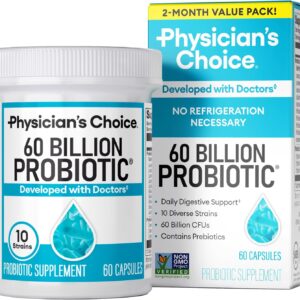
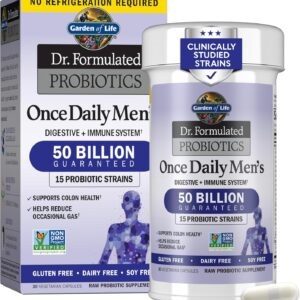
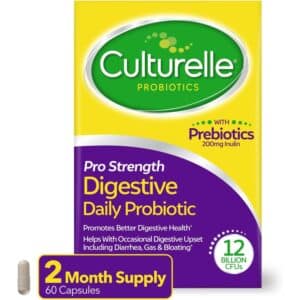
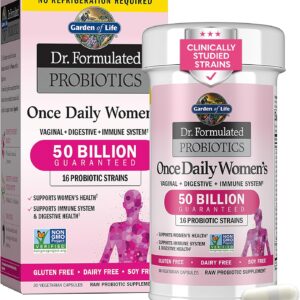
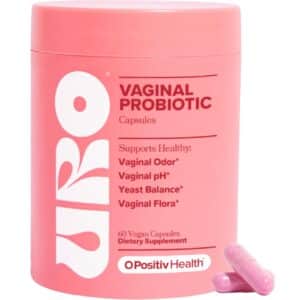
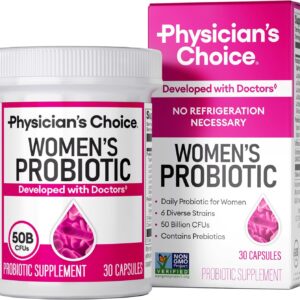
If you’re not into the food route, fear not—probiotic supplements have your back. They come in all shapes and sizes: capsules, powders, even liquids, to keep your digestion cruising along (digestive health, probiotic supplements for gut health).
Pro tip: Not every probiotic is one-size-fits-all. Different strains rock different benefits, so think about what your body needs. High-quality choices make all the difference. Need some help? Check out high-quality probiotics to make your gut grin.
Benefits of Probiotics
Probiotics have become the talk of the town for their ability to impact health positively, especially when we talk about your gut and immune system. Adding these friendly bacteria to your eating habits could make a real difference to how you feel daily.
Gut Health Improvement
Probiotics are all about upping the good vibes in your gut. They help maintain that all-important balance of microorganisms by kicking out the bad guys and letting in more of the good ones. When your gut is happy, it’s like giving your overall health a boost—stronger immune defenses, less inflammation, and yes, a smoother time in the restroom. Your gut plays a vital role in keeping that regular flow going and helping with things like long-term stomach troubles (Cleveland Clinic).
Think of probiotics as your tiny helpers, extracting nutrients like champs and ensuring a world where bad bacteria have no party. They guard against infections and reduce tummy turmoil. Conditions like Irritable Bowel Syndrome (IBS), for instance, take a hit with the right strains of probiotics cheering up your gut, cutting down on discomfort, and generally making life a tad easier (PMC).
Here’s the scoop on how probiotics might just be your gut’s best friend:
| Probiotic Benefits | Description |
|---|---|
| Better Digestion | Breaking down meals and absorbing nutrients like a pro. |
| Eases Symptoms | Soothing action against digestive upsets like IBS. |
| Balance Act | More good bacteria, less bad ones. |
| Keeping Regular | Encourages regular bathroom breaks. |
Stay curious and explore our probiotics for digestive health section for more on how you can give your gut a cheer.
Boosting Immunity
Probiotics aren’t just about your gut—they’re like a secret handshake with your immune system. They bolster your internal defenses by reinforcing your gut’s barrier and getting those antibody-making cells in gear. Basically, a strong gut lining means your body’s better equipped to fend off bugs (Columbia Doctors).
The way probiotics buddy up with your immune setup not only helps fend off illnesses but can also take the edge off when you do get caught up in a bug. Making probiotics part of your daily life is like giving your natural defense system a high five.
Check out some benefits of letting probiotics do their thing on your immune system:
| Immune Benefits | Description |
|---|---|
| Fortified Defense | Strengthening that gut barrier to block out nasties. |
| Antibody Kickstart | Jump-starts the immune system to create antibodies. |
| Less Severe Infections | Can ease the harshness and length of infections. |
Find out how these microscopic buddies can have a big impact on your immune health by visiting our probiotics immune system corner.
So, sprinkle some probiotics wisdom either through tasty foods or handy probiotic supplements for gut health into your life for a healthier gut and a defense system that’s ready for action, keeping you feelin’ fantastic every day.
Types of Probiotics
Getting a grip on the range of probiotics can set you up to make smart choices for your gut buddies. Probiotics are those tiny living critters that, when you take ’em in, can turn your belly’s microbial community into a harmonious gathering. We’re gonna break down some popular bug groups and their specific strains to give you a clearer picture.
Popular Microorganisms
Researchers have poked and prodded certain types of probiotics to uncover their perks, especially for your tummy. Check out this handy rundown:
| Microorganism | What’s the Scoop? |
|---|---|
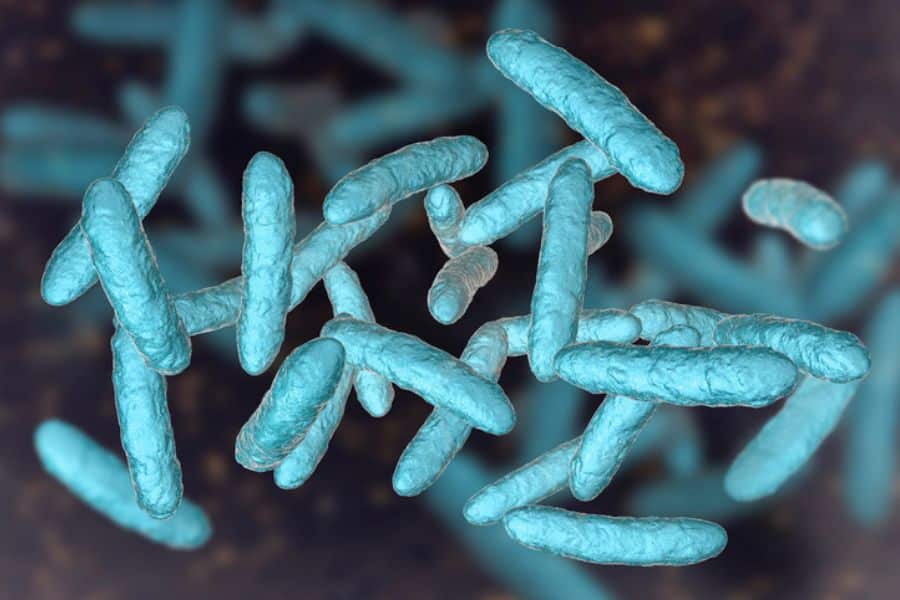
| Lactobacillus | It’s the superstar in yogurt and fermented goodies, rocking the party by helping you digest lactose and keeping your gut crew balanced. |
| Bifidobacterium | Hanging out in your intestines, this one helps with chomping down food and beefs up your immune forces. A regular in probiotic pills. |
| Saccharomyces | A yeast that plays nice with your gut, tackling problems like diarrhea and infections. |
These little guys are like bouncers, making sure your immune system plays nice and your gut doesn’t turn into a wild rodeo (Read More on PMC).
Unique Strains and Perks
Now, let’s zoom in on some special strains that offer a basket of goodies:
| Strain | Why It’s Cool |
|---|---|
| Lactobacillus rhamnosus | Famous for chasing away diarrhea and beefing up your body’s defense crew. |
| Lactobacillus acidophilus | A buddy for digesting lactose and keeping your gut in check. Often spotted in yogurt and digestion aids. |
| Bifidobacterium longum | It’s got a knack for taking down IBS symptoms and sprucing up your digestion system. |
| Saccharomyces boulardii | A yeast squad leader in fighting off antibiotic-induced diarrhea and shoring up your intestinal defenses. |
Tossing these strains into your grub lineup—be it through munchies or probiotic supplements for a happy gut—can tackle your digestive gremlins and ramp up your holistic health game. If you’re on the hunt to supercharge your digestion, take a peek at our references on digestive probiotics and probiotics for digestive health.
Probiotics for Digestive Disorders
Probiotics for IBS
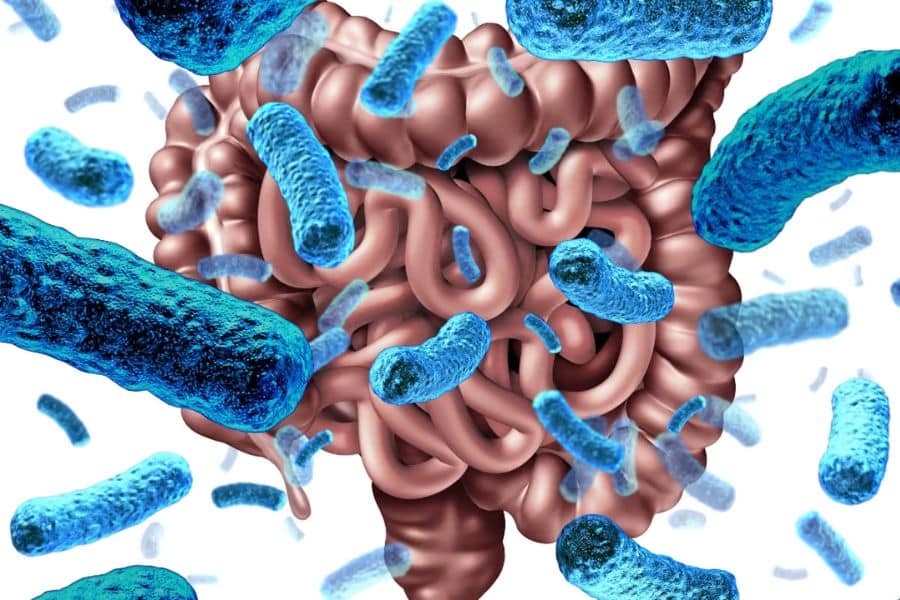
Irritable Bowel Syndrome (IBS) isn’t just a pesky problem—it’s a real gut wrecker impacting lots of folks. It messes with your comfort and digestive system because your gut flora goes a bit haywire. Basically, those tiny helpful bacteria, like Lactobacillus and Bifidobacterium, can go MIA, leading to all those nasty IBS symptoms (Healthline). Think about adding probiotics to your daily routine to hit a balance reset and maybe kick some of those symptoms to the curb.
Certain probiotics are like superheroes for your gut, potentially easing issues like stomach pangs, unwanted bloat, gas that could power a car, and that frustrating carousel of diarrhea and constipation. L. plantarum 299v and Bifidobacterium infantis 35624 are top contenders for handling these IBS fiascos.
| Probiotic Strain | Symptoms It Tames |
|---|---|
| L. plantarum 299v | Tummy pain, balloon tummy |
| Bifidobacterium infantis 35624 | Regularity, transit speed |
Efficacy and Research Findings
A review back in 2016 checked out the whole probiotic-IBS scene and, though it’s still a bit of a mystery, some promising hints popped up. Out of 29 studies, half of them found that certain probiotics threw IBS a curveball in a good way (Healthline). Still, the info’s a bit all over the place, and more digging is needed to spotlight which probiotics really bring their A-game.
From what’s out there, some studies showed a drop in gassiness and bloat, plus overall smoother bathroom experiences (PMC). Probiotics might have some effective tricks up their sleeve for tackling IBS symptoms, but more research is expected to fine-tune which strains and amounts work best.
If you’re thinking of giving your gut a helping hand with probiotics, look into different angles, whether it’s probiotic supplements for gut health or stocking up on foods naturally rich in probiotics. And don’t chart this course solo—give your healthcare provider a shout before jumping into new supplements, especially for digestive issues. Want to dig deeper into how probiotics could be your gut’s new best bud? Peek at our piece on probiotics and digestion.
Adding Probiotics to Your Life
Bringing probiotics into your meals can be a tasty and effective way to keep your tummy in tip-top shape. You can get your fill of these good-for-you bacteria by diving into foods rich with them or tapping supplements.
Chowing Down on Natural Foods
There are tons of eats brimming with probiotics. Here’s the lowdown on some munch-worthy choices:
| Food | What’s Inside | Why It’s Good |
|---|---|---|
| Yogurt | Lactobacillus, Bifidobacteria | Helps your gut dance, great if milk bugs you (Healthline) |
| Tempeh | Bifidobacteria | Packed with protein, helps your body soak up minerals (Healthline) |
| Kimchi | Lactobacillus | Loaded with fiber and vitamins and still gives you those gut goodies |
| Sauerkraut | Lactobacillus | Keeps the gut in check and boosts your defenses |
| Kefir | Lactobacillus, Bifidobacteria | Full of good stuff, great for milk intolerance |
| Miso | Lactobacillus | Has helpful enzymes, keeps your digestion steady |
Adding these to your grub not only treats your taste buds but perks up your gut, too. Look out for packages that shout about live or active cultures, so you’re getting the full benefits.
Popping Probiotic Supplements
For a robust dose of probiotics, supplements are a solid pick. They come in all shapes and sizes like capsules, powders, and drinks. Here’s the scoop on choosing the right one:
| Supplement | Good Stuff | Not-So-Good Stuff |
|---|---|---|
| Capsules | Simple to take, good shelf life | Need a drink to wash down |
| Powders | Blend smoothly into shakes or meals | Dose can be iffy, not easy if you’re always on the run |
| Drinks | Quick fix and refreshing | Sugar levels change with brands |
When picking supplements, go for ones with trusty strains like Lactobacillus and Bifidobacteria (Healthline). These strains come with perks for different health needs.
Keep an eye on the CFU (colony-forming units) number; bigger numbers often mean bigger benefits. Chat with your doctor to get advice that fits you like a glove and keeps you safe.
Bringing probiotics into your food and through supplements can help keep your belly happy and you feeling well. For more nitty-gritty on how probiotics can boost your digestion, check out digestive probiotics and probiotics for digestive health.
Safety and Considerations
Ready to dive into the world of probiotics? Before you start popping those capsules, let’s make sure you’re a pro at pro-bio safety. Looking out for your well-being helps you enjoy the tummy perks while dodging any hiccups.
Risks for Certain Individuals
Most folks find probiotics as friendly as a puppy. But if your body’s defenses are a bit on the shy side, you got to tread carefully. Here are some groups that should play it cool:
| Group | Description |
|---|---|
| Individuals with immune system issues | If you’re taking meds that play tag with your immune system or dealing with a condition that weakens it, watch out! |
| Seriously ill patients | Those hanging out in hospitals with serious conditions should get a thumbs-up from their doc first. |
| Premature infants | Little ones born ahead of schedule might need a bit more time for their defense lineup to grow before diving into probiotics. |
If you’re nodding along with any of these, it’s wise to have a heart-to-heart with your doctor before hopping on the probiotic train. And, hey, don’t freak out if your belly throws a bit of a tantrum at the start with gas or a rumbly tummy. It’s just your system saying ‘hello’!
Proper Usage and Precautions
Want to have a breezy, hiccup-free experience with probiotics? Here’s how you can become their BFF:
- Chat with Your Doc: Especially if you’re juggling other health stuff or got a shy immune system. Better safe than sorry!
- Opt for Trusted Brands: When choosing probiotic supplements, grab ones that lay all their cards on the table—letting you know exactly what strains and numbers they pack.
- Ease Into It: Don’t sprint into the probiotic world. Start small and let your body adjust to the new house guests.
- Eat Right: Get your probiotics the natural way too—think yogurt, kefir, or even a pickle or two. Your belly will thank you.
Remember these tips, and you’re well on your way to making friends with those gut-friendly bacteria. If you’re hunting for more probiotic intel, check out options targeting your digestive health with our guides on digestive probiotics or probiotics for digestive health.
Final Thoughts
Probiotics are more than just trendy health supplements—they’re foundational to maintaining a happy, healthy gut. From enhancing nutrient absorption to defending against harmful bacteria and supporting immune health, these microorganisms truly pull their weight. While foods rich in probiotics offer a tasty way to boost your gut flora, supplements provide a convenient and effective option, especially for those with specific digestive concerns. Remember, not all strains are created equal, and what works for one person might not for another. Start small, choose quality products, and consult your healthcare provider if you have underlying health conditions. Investing in your gut health today means a stronger, more resilient you tomorrow.
Frequently Asked Questions (FAQ)
What are probiotics, and why are they important?
Probiotics are live beneficial bacteria that support the balance of the gut microbiome. They help with digestion, nutrient absorption, and immune defense, and may alleviate issues like bloating and IBS.
Can I get probiotics from food alone?
Yes, many fermented foods like yogurt, kefir, kimchi, sauerkraut, and miso are rich in natural probiotics. However, some people may benefit from supplements for a more concentrated dose or specific strains.
How do I know which probiotic strain to take?
Different strains serve different purposes. For example, Lactobacillus rhamnosus helps with diarrhea, while Bifidobacterium longum may ease IBS symptoms. It’s best to match the strain with your health goal and consult with a professional.
Are there any side effects of taking probiotics?
Most people tolerate probiotics well, but mild gas or bloating may occur initially. People with compromised immune systems, serious illnesses, or premature infants should seek medical advice before use.
How long does it take for probiotics to work?
Some people notice digestive improvements within a few days, while others may need several weeks to experience benefits. Consistency and choosing the right strain are key.
Do probiotic supplements need to be refrigerated?
Not always. Some high-quality probiotics are shelf-stable, but refrigeration can help preserve potency, especially in live-culture formulas. Always follow the storage instructions on the label.