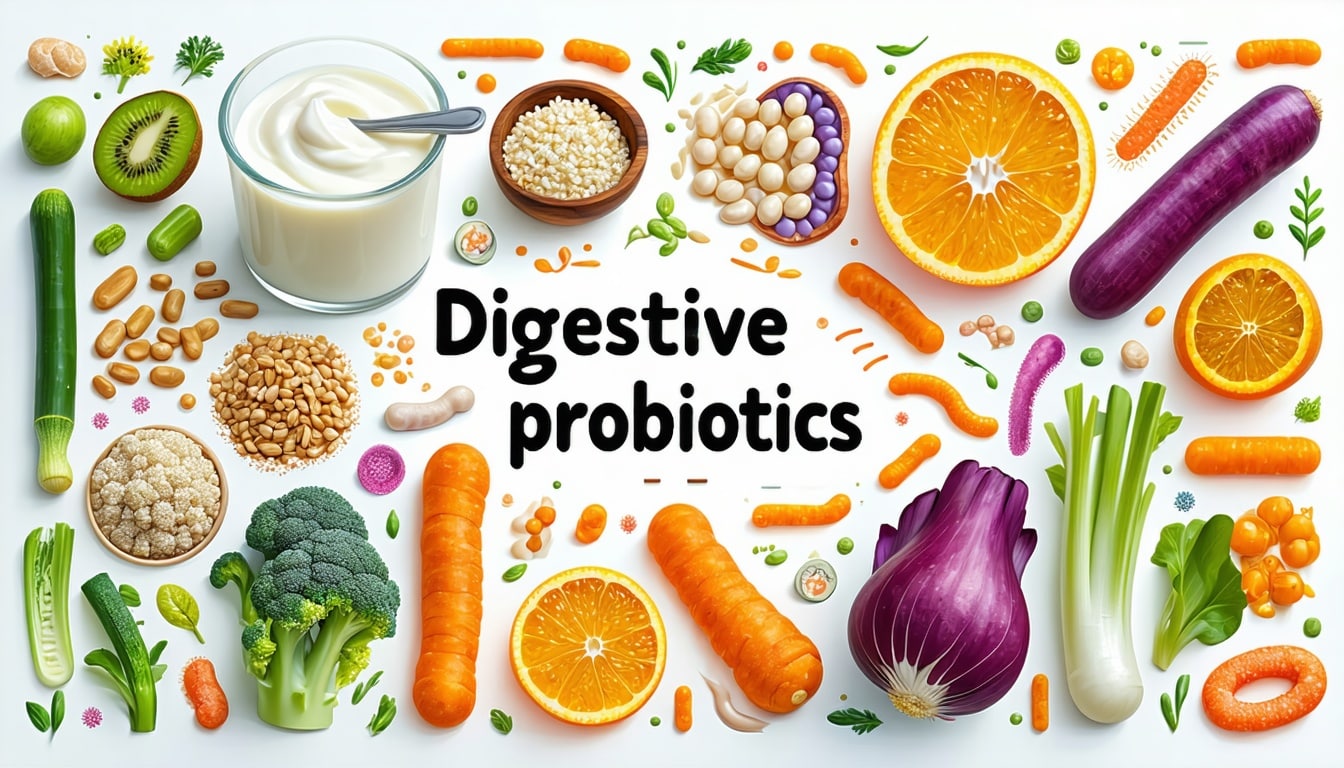
Digestive Probiotics have become a powerhouse buzzword in the health world—and for good reason. These microscopic allies aren’t just hanging out in your yogurt or supplements for fun. They play an essential role in supporting a happy gut, a resilient immune system, and even a more balanced mood. This article from Angry Lion Fitness dives into the types of probiotics, how they benefit your digestive system, and what to know before adding them to your daily routine. Whether you’re dealing with bloating, gut imbalances, or looking for ways to boost your overall wellness, understanding the value of probiotics is a smart place to start.
Understanding Probiotics
What are Probiotics?
So, you’ve probably heard about probiotics being the good guys for your gut, right? They’re these tiny live bugs that can do wonders for your health. They hang out in stuff like yogurt and other fermented foods, but you can also pop them in pill form if that’s more your style. Most of these friendly fellas are bacteria, though a few yeasts get in on the action too.
Benefits of Probiotics
Alright, let’s chat about why these tiny helpers are worth your time. Probiotics bring some real perks:
| What They Do | Why You Should Care |
|---|---|
| Keep You Healthy | They boost your immune system, which is like your body’s personal bouncer against bad germs. Fun fact: most of your immune cells live in your gut. |
| Gut-Friendly | These little guys help keep things moving in the digestive department, making sure your bathroom trips are regular. |
| Tame the Fire | Got inflammation? Probiotics can cool it down and help your immune system stay chill. |
| Head and Heart | A messed-up gut can mess with your head, affecting mood and stress hormones. Probiotics might help keep your mental vibes positive. |
Beyond these perks, probiotics are like the peacekeepers of your system. They help fend off infections and keep your mental and physical harmony in check. If you’re on a mission to amp up your health game, giving digestive probiotics a shot could be a smart move. Curious about what more these little powerhouses can do for your gut? Check out our deep dives on probiotics for gut health and probiotics and digestion. Assistant meetings
Probiotics for Digestive Health
Let’s chat about probiotics—the little helpers working wonders for your tummy. Once you get what they do for the bacteria in your belly and their role in gut troubles, you’ll find their benefits for your digestion life’s heroes.
Impact on Gut Microbiome
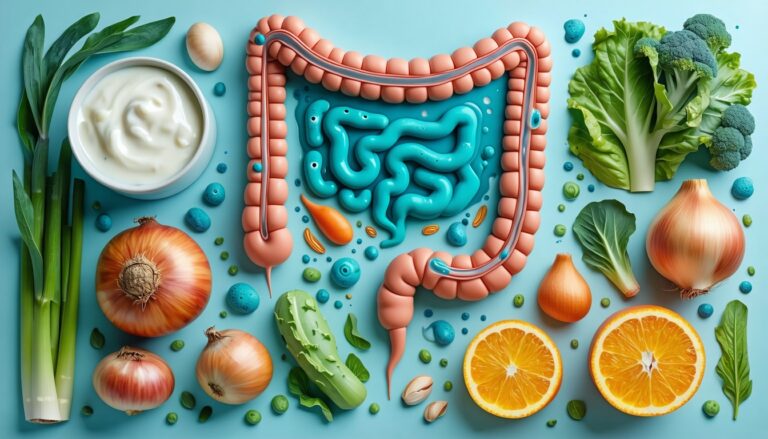
Think of your gut as a little city buzzing with all sorts of tiny inhabitants: some good, some not-so-much. Keeping peace amongst them is key to your stomach’s happiness. Toss some probiotics into your diet, and you’re boosting the ranks of the good guys, making everything run smoother down there.
When things go sideways in your gut neighborhood, it could mean bloating, gas, or Swiss clock-like (irregular) potty breaks. Probiotics step in to smooth things out, calming inflammation—a big relief if you’re wrestling with things like IBS or IBD, as noted by the folks at Cleveland Clinic.
| What Probiotics Do for Your Gut | Description |
|---|---|
| Crowd Control | They outnumber the baddies, stopping their party real quick. |
| Bodyguards | Block troublemakers from setting up camp in your gut. |
| The Cleanup Crew | Produce stuff that wipes out unwanted creepy-crawlies. |
| Immunity Boosters | Tune up your body’s defenses, keeping your belly in tip-top shape. |
Role in Gastrointestinal Diseases
Probiotics can be game-changers when it comes to keeping or making guts feel better. When the wrong squatters take over your gut, it can bring on nasty problems like IBS or IBD. But sprinkle in some probiotics, and they help bring back harmony and ease the cranky symptoms, as studies have shown (Cleveland Clinic).
Turns out, probiotics are pretty nifty with the nasty bugs; they throw them out and bring down swelling, which makes them a hot pick for anyone aiming for a happier tummy.
Curious about diving deeper into the world of probiotics and giving your digestion a boost? Peek at our resources on probiotics for digestive health and probiotic supplements for gut health.

Types of Probiotic Bacteria
Here, you’ll get the lowdown on a couple of superstar probiotics: Lactobacillus Acidophilus and Saccharomyces Boulardii. These teeny tiny organisms pack a punch when it comes to boosting your health.
Lactobacillus Acidophilus
Lactobacillus Acidophilus likes to hang out in spots like your belly, mouth, and whatnot. This little guy is a champ at keeping your body’s microbiome in tip-top shape, which is kind of a big deal for staying healthy. Curious about how these little helpers can do wonders for your gut? Check out more about probiotics for gut health.
| What It Does | Why It’s Awesome |
|---|---|
| Finds Balance | Keeps everything in equilibrium in your system. |
| Boosts Digestion | Makes digestion smoother, possibly easing that belly bloat. |
| Immune Boost | Gives your immune system a little extra oomph. |
Some research even suggests L. acidophilus can ease tummy troubles like cramps and all that jazz, a total lifesaver if IBS or similar issues are hassling you (NIH).
Saccharomyces Boulardii
Saccharomyces Boulardii isn’t a bacterium but a cool probiotic yeast. Its day job? Taking care of your belly by chasing off the bad guys and making sure everything inside’s running smoothly.
| What It’s Good For | Descriptions of Brilliance |
|---|---|
| Quells Diarrhea | Helps make that unpleasant experience end faster. |
| Immunity Booster | Lends a helping hand to your immune system when it’s shaky. |
| Flora Balancing | Keeps the good vibes going in your gut. |
Folks, especially parents, love it because it can cut down on the duration of kids’ bouts with diarrhea by about a day (NIH Office of Dietary Supplements).
Both of these gut-friends, Lactobacillus Acidophilus and Saccharomyces Boulardii, can seriously up your digestive game. Thinking of popping some probiotics into your daily groove? Take a peek at probiotic supplements for gut health or grab high-quality probiotics that fit your style.
Health Benefits of Probiotics
Probiotics are like tiny health buddies that work wonders for you, especially when it comes to your tummy’s well-being. Let’s chat about some cool perks they bring:
Immune System Support
Your immune system’s got a secret weapon with probiotics on its side. These little helpers amp up your body’s shield against those pesky bugs and calm down inflammation. Did you know 80% of your immune soldiers chill out in your gut? That’s why keeping your gut happy is key to fighting off those sniffles and aches from head to toe (Healthline).
| Benefit | What It Does for You |
|---|---|
| Immune Boost | Fires up your defenses against germs |
| Inflammation Tamer | Lowers body irritation |
Jump over to our piece on probiotics for gut health to dig deeper into their gut benefits.
Inflammation Reduction
Probiotics are like peacekeepers in your body, easing inflammation, a usual suspect behind many health issues. They chat with your body’s control systems to help smooth things out. Chronic inflammation increases disease risk, and probiotics might be your ticket to keeping that in check (Cleveland Clinic).
A quick lowdown on what they manage:
| Benefit | What’s Good About It |
|---|---|
| Slashes Inflammatory Markers | Keeps body calm and collected |
| Boosts Gut Happiness | Balances your inner microbes |
For tips on handling inflammation, swing by our page on probiotics and digestive health.
Effects on Mental Health
Your brain and gut have a chatty relationship, and probiotics can be a bridge-builder here. Imbalances in your gut can mess with your mood and stress levels, but probiotics swoop in to help keep things even. By lending a hand with hormone harmony and soothing the nerves, they can ease the cloud of anxiety, depression, and even give Alzheimer’s a tough time (Healthline).
| Benefit | Feels Good For You |
|---|---|
| Balances Hormones | Keeps mood swings in check |
| Boosts Mental Well-being | Eases tales of anxious days |
To learn more about your gut and brain’s friendship, check out our article on probiotics and digestion.
Adding probiotics to your daily grind doesn’t just make your stomach smile; it gives your entire health a high-five. Get clued up on these perks, and choosing wellness gets a whole lot easier!
Sources of Probiotics
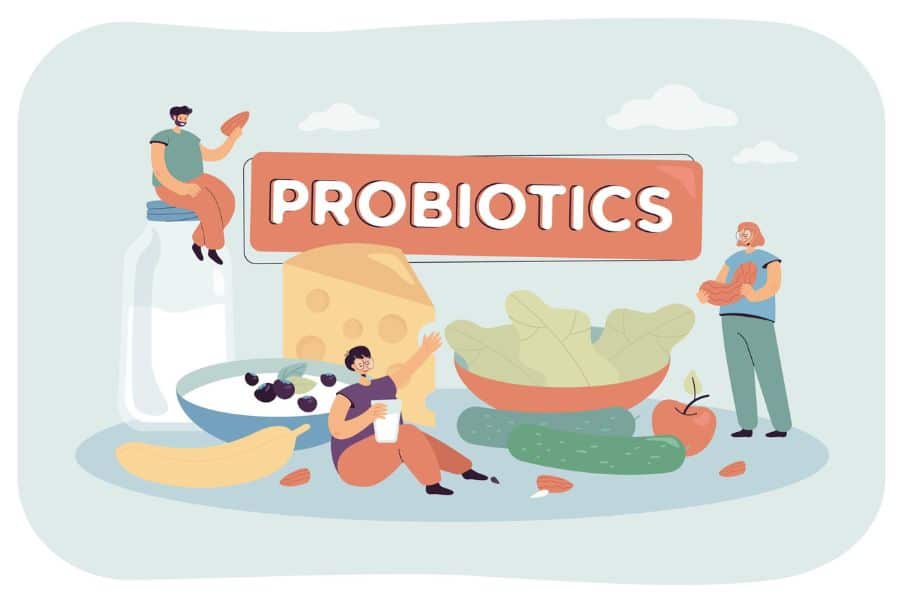
Adding probiotics to your meal plan can give your health a real boost. These friendly little germs are found in a bunch of foods and supplements. Yep, we’re talking tasty stuff you might already enjoy.
Probiotic-Rich Foods
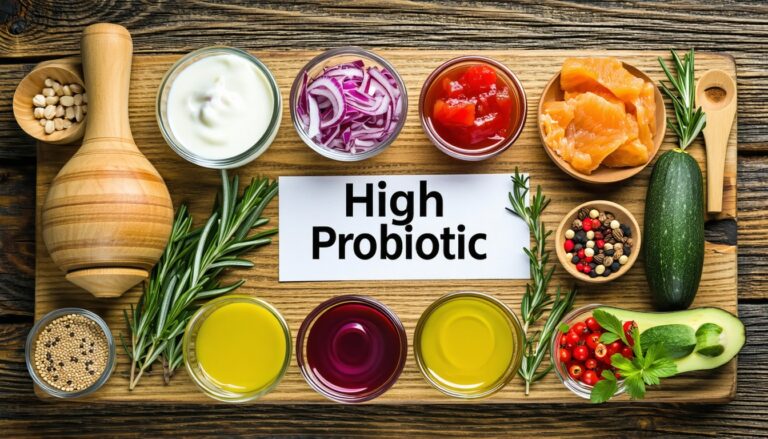
Let’s hit the grocery aisle and check out these yummy treats packed with probiotics:
| Food Item | Description |
|---|---|
| Yogurt | Your classic go-to for all things probiotic. It’s milk jazzed up with good germs like lactic acid bacteria. Great for your gut! |
| Kefir | Think yogurt, but with more personality! Kefir’s got a whole bunch of friendly bacteria and yeast in its corner. |
| Sauerkraut | Tangy and crunchy, this fermented cabbage dish blesses your belly with both probiotics and fiber. |
| Kimchi | Got a taste for spicy? This Korean classic made with cabbage and radishes brings the heat and the probiotics. |
| Tempeh | Meet tempeh, your new favorite meat stand-in! This Indonesian gem is a protein powerhouse, thanks to the magic of fermentation. |
Heads up: if you’ve got allergies, especially to dairy, take a closer look at the label before diving in.
Probiotic Supplements
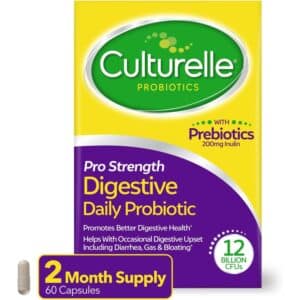
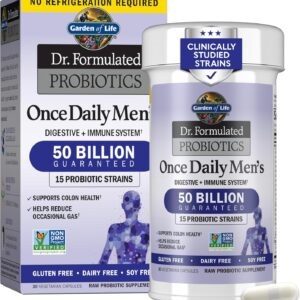
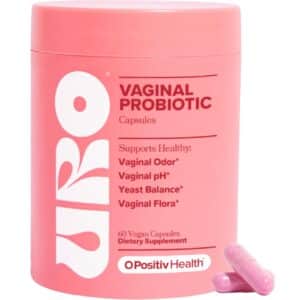
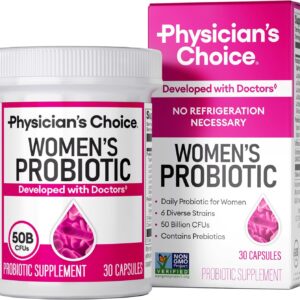
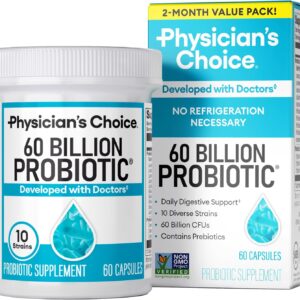
Prefer a grab-and-go option? Probiotic supplements have got your back! They come in all shapes and sizes, from capsules to powders. Here’s the lowdown:
| Supplement Type | Benefits |
|---|---|
| Capsules/Tablets | Pop ’em like vitamins – they’re available in lots of different strains. |
| Powders | Mix them into your smoothies or morning drink. They often pack a multi-strain punch. |
Heads up: Some probiotic supplements sneak in allergens like dairy, soy, or yeast. Get familiar with the ingredients to dodge any surprises. Also, if lactose isn’t your friend, you might find your tummy a little upset with some probiotics.
Balancing these foods along with supplements can work wonders for your digestion. Curious about diving deeper into gut health? Go ahead and check out our nifty guides on probiotics for gut health and probiotic supplements for gut health.
Considerations with Probiotics
So, you’re thinking about tossing some probiotics into your daily routine? That’s great! But before you dive into the world of these little gut buddies, let’s chat about a few things you might want to keep in mind. Sure, they can be belly-boosting champs, but being in-the-know makes them your best chums.
Potential Side Effects
Now, don’t freak out. For most folks, probiotics are as safe as sharing a secret with your dog. Nevertheless, there are a few bumps in the road to look out for:
| What Could Go Wrong | What’s the Scoop? |
|---|---|
| Headaches | Some folks find certain strains crank out headaches faster than a pulp fiction plot twist. Blame the biogenic amines in those snazzy foods. Easing up on histamine-heavy eats might lower the wrist to the forehead drama (Healthline). |
| Allergic Reactions | Ever been on a rollercoaster? That’s what you can get if you react to allergens in some probiotic picks. If dairy, soy, or yeast makes you break out in hives, these goodies might give you a ride. Plus, lactose can get the intestinal jazz band going in those with lactose intolerance (Healthline). |
| Digestive Drama | Expect a bit of fanfare like bloating or gas when you first say hello to probiotics. Not really your body’s version of a standing ovation, but don’t worry—it clams up as your gut gets used to the new buzz. Slow and steady with dosage can help tame the show. |
| Got a Weak Immune System? | If you could use an immune booster and not a challenge, tread carefully. People with wobbly immune systems or certain allergies might face pesky infections, so keep your eyes open (Cleveland Clinic). |
Safety and Precautions
This is where you strap the safety belt of wisdom for smooth cruising with probiotics. Here’s a candid checklist:
- Get Doctor’s Nod: A shout-out to anyone who’s had surgeries or is lounging in hospital robes: check with your doc before going all-in on probiotics. You want more peace, less risk, right? (Healthline)
- Pick the High Rollers: Your probiotics need pedigree! The superstar strains currently stirring up good vibes for tummy troubles will do wonders. They’re known to cut down bloating and soothe stomach woes (NCBI).
- Mind Your Health Quirks: Got IBS or dealing with stomach drama thanks to antibiotics? The right dancers in your probiotic troupe can make a world of difference. Picking correctly means your gut gets the red carpet treatment (NCBI).
Knowing what you’re up against with side effects and simple tips to play it safe lets you buddy up with probiotics without the drama. Want a deeper dive into this conversation? Check out our chat on probiotics for digestive health or peek at our lowdown on probiotic supplements for gut health.
Final Thoughts
Adding probiotics to your diet isn’t just about following a wellness trend—it’s about making an informed, gut-friendly choice. From easing symptoms of IBS to bolstering your immune system, these tiny organisms deliver mighty results. Whether you opt for fermented foods or supplements, the key is choosing strains that align with your personal health needs. And while probiotics can be incredibly beneficial, it’s just as important to be aware of potential side effects and consult a healthcare provider if you have any concerns. Your gut is central to your health, and treating it well is one of the best investments you can make.
Frequently Asked Questions (FAQ)
What are digestive probiotics?
Digestive probiotics are live microorganisms—mainly bacteria and some yeasts—that help maintain a healthy balance in your gut. They support digestion, enhance immunity, reduce inflammation, and can even improve mental well-being.
How do probiotics improve digestion?
Probiotics enhance digestion by increasing the population of beneficial gut bacteria. This helps regulate bowel movements, reduce bloating, and manage conditions like IBS or IBD by improving the gut microbiome balance.
Are probiotic supplements better than food sources?
Not necessarily. Fermented foods like yogurt, kimchi, and kefir are great natural sources of probiotics. Supplements can be helpful if you need specific strains or higher doses, but food sources also provide fiber and nutrients that support overall gut health.
Can probiotics cause side effects?
Yes, especially when you first start taking them. Common side effects include gas, bloating, or mild digestive discomfort. These usually resolve as your body adjusts. People with allergies or weakened immune systems should consult a healthcare provider first.
What should I look for in a probiotic supplement?
Look for products with multiple strains, high CFU (colony-forming units), and clinical backing. Also, check for potential allergens like dairy or soy if you’re sensitive. Choosing strains known for digestive support—like Lactobacillus acidophilus or Saccharomyces boulardii—can make a big difference.
Can probiotics help with mental health?
Yes! There’s growing evidence that probiotics support the gut-brain axis. By improving gut health, they may help regulate mood, reduce anxiety, and enhance mental clarity.