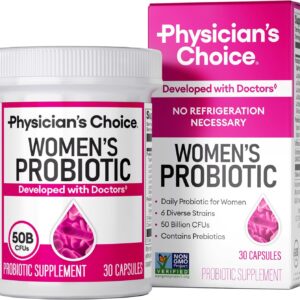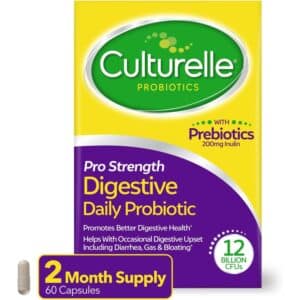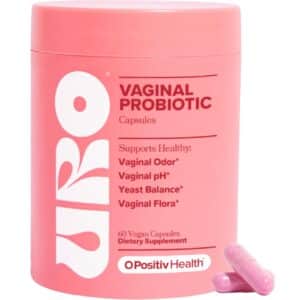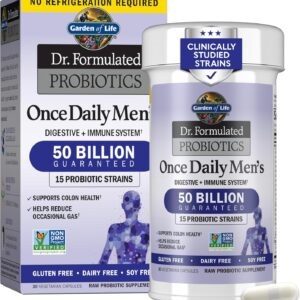
Probiotics for Digestive Health are gaining serious traction—and for good reason. These tiny live bacteria and yeasts, often found in foods like yogurt and fermented veggies or taken as supplements, are like reinforcements for your gut. They support digestion, help maintain balance in your gut microbiome, and even play a role in immunity and mood regulation. This article dives deep into what probiotics are, how different strains benefit your health, and what to consider when adding them to your diet or supplement routine.
Understanding Probiotics
What are Probiotics?
Probiotics are tiny helpers—live bacteria and yeasts that boost your health by adding good-for-you microbes to your body. These guys get to work by pushing aside the harmful ones and giving your immune system a fighting chance against infections. “Probiotics” might sound fancy, but people have been reaping their benefits since way back when. They mainly help your gut, but they’re busy buddies with other parts of your body too, keeping chronic tummy troubles at bay. You’ll find them in foods and supplements. Curious about how they do their thing? Check out our probiotics and gut health section.
Importance of Probiotics
Probiotics are a big deal for keeping the peace in your belly—even the bad bugs need some good company to balance things out. Here’s why they’re must-haves for digestive health:
- Promote Gut Balance: Probiotics can tackle the chaos inside your gut caused by a lack of friendly microbes. Tossing in beneficial bacteria is a game-changer for regaining gut balance.
- Boost Immunity: Adding probiotics into your meals can make your immune system stronger. They back up beneficial bacteria to guard you against infections.
- Support Digestive Function: Whether it’s constipation, diarrhea, or just a grumpy stomach, probiotics are there to help. They also pitch in for various digestive issues for solid stomach health (probiotics for digestive health).
Here’s a snapshot of what probiotics can do for you:
| What They Do | How They Help |
|---|---|
| Keep Gut Happy | Boosts good microbe levels |
| Immunity Hero | Buffs up defense against nasties |
| Digestive Assistance | Works wonders on constipation and diarrhea |
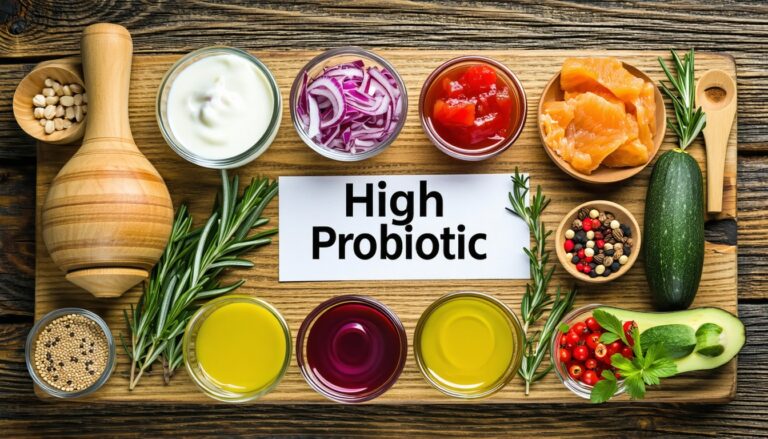
Choosing a high probiotic diet or picking probiotic supplements for gut health lets you soak up all these perks. Putting probiotics on your to-do list can tune up your tummy and overall feel-great vibes. For more scoop, peek at our digestive probiotics article.
Types of Probiotics
When you’re learning about probiotics, it’s handy to know they’re not all the same. Different strains have their own special perks for your health. So, let’s check out the cool strains of probiotics and the ones we typically chow down on.
Different Probiotic Strains
Probiotics are live bacteria and yeasts pitching in good vibes to your gut and beyond, working to keep your body’s microbiome in check. Think of them as tiny pals with big health benefits. Here are some strains to be buddy-buddy with:
| Probiotic Strain | Benefits |
|---|---|
| B. animalis | Lives in Dannon yogurt’s Activia, lends a hand with digestion and uplifts gut well-being. |
| B. breve | Takes on nasty bacteria and helps your body soak up nutrients. |
| B. lactis | From raw milk fame; helps out with digestion and is part of Nestlé’s baby formula. |
| B. longum | Keeps your gut in tip-top shape and keeps the balance right. |
| L. acidophilus | Makes lactase and lactic acid; found in yogurt, it’s a champ for handling lactose. |
| L. reuteri | May ease digestive woes and restore harmony in your gut. |
These little guys are heroes not just for your digestion but also for bolstering your immune system and keeping you feeling your best.
Commonly Consumed Probiotics
People mostly munch on Bifidobacteria and Lactobacillus. Each is a powerhouse in its own way:
- Bifidobacteria:
- Keeps digestion cruising
- Wages war on food-borne baddies
- Powers up your immune defenses
- Lactobacillus:
- Whips up lactase for busting down lactose
- Sneaks into foods like yogurt, kefir, and sauerkraut
These friendly bacteria can help fend off or manage tummy troubles like IBS, ulcerative colitis, and Crohn’s disease (Cleveland Clinic).
When picking out probiotics for a happy belly, these strains are good to consider. Each one brings its own flair to gut health, so getting to know their specific skills can help you make smart picks. If you want more deets on how these strains work their magic, you’re in the right spot. Check out our probiotic supplements for gut health or snoop around our digestive probiotics for more ideas.
Benefits of Probiotics
Probiotics pack a punch when it comes to keeping your tummy happy, boosting your immune system, and keeping your digestion on point. Let’s look at what they can do for you.
Gut Health and Probiotics
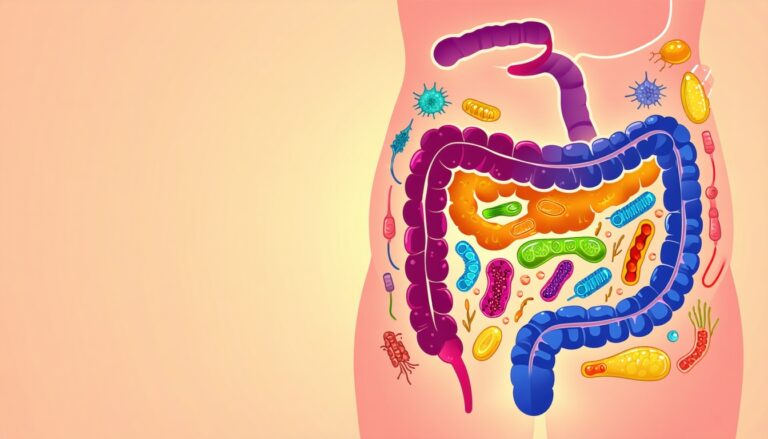
Think of probiotics as your gut’s best buddies. These tiny powerhouses work hard to keep things balanced—you don’t want the bad guys taking over your gut party, right? Probiotics fill up the space, keeping those nasty bacteria at bay, while they chill and keep things smooth. They’re not just for your guts either; they can even perk up your mood and help with more personal aspects of your health. Curious? Swing by our page on probiotics for gut health for the scoop!
Probiotics for Immunity
Your gut is like the hometown for your immune system—yep, around 80% of your immune cells hang out there. It’s no wonder gut wellness is vital for your overall health! Probiotics crack the code on teaching your body to pick the fights it needs to—a little immune system boot camp. They lock up the bad guys and beef up your defenses. It’s not just about stopping infections; they might also lift the fog of anxiety and sadness. Dive deeper into boosting your defenses with our probiotics immune system section.
Probiotics and Digestive Health
When it comes to a happy belly, probiotics are your go-to. They reinforce your good bacteria team, setting up barriers against invaders and giving your immunity a pep talk (Cleveland Clinic). They transform your gut crew by shaking things up in your microbiome, fending off infections, aiding digestion, and helping you make the most out of nutrients. They even play around with vitamin absorption like pros. Some probiotics are mood lifters, potentially keeping inflammation, especially the type linked with childhood type 1 diabetes, in check (Healthline). Check out more on how probiotics can be your digestive allies on our probiotics and digestion page.
Adding probiotics to your diet isn’t just about getting trendy; it’s about feeling your best. From food to supplements, these little guys are ready to lend a hand to your health journey.
Choosing the Right Probiotics
Picking out the right probiotics for your gut can seem like a wild goose chase, but don’t sweat it. With a bit of smart guidance, you can snag the perfect fit for what your belly needs.
Chatting with the Pros
Before you jump on the probiotic bandwagon, it’s smart to have a chat with your healthcare provider. They’re like your personal Gut Whisperer—they get how different strains mesh with your body and can point you to the ones that’ll really work for you. Like the Cleveland Clinic says, not all probiotics are created equal—each does its own thing. So, a little tailored advice goes a long way in picking the right one for you.
Whether you’re wrestling with tricky gut issues or just want to give your immune system a hug, your doctor can zero in on the best options. They might even suggest synbiotics, which are like tag-team combos of probiotics and prebiotics, making your gut a happy place to be (NCCIH).
Things to Think About When Picking Probiotics
Keep these pointers in your back pocket when you’re on the hunt for probiotics:
| Things to Check | What They Mean |
|---|---|
| Strain Types | Some strains like Lactobacillus acidophilus or Bifidobacterium tackle certain health issues. |
| CFU Count | Go for options with 1 billion CFUs (colony-forming units) or more—it’s a numbers game for effectiveness. |
| Storage Needs | Find out if your probiotics need chilling or are good on the shelf. This can keep them working right. |
| How It Comes | Whether it’s capsules, powders, or fermented goodies, pick what’s easy for you. |
| Expiry Date | Make sure your probiotics haven’t expired so they still pack a punch. |
To get the most bang for your buck, go for probiotics loaded with the good bacteria that make a home in your gut and thrive. Look for top-notch picks backed by insights from articles like those on digestive probiotics and probiotics and gut health.
In a nutshell, getting some help from a healthcare whiz can steer you right in picking probiotics. Keep those important factors in mind, and find quality goodies that’ll make your gut, and ultimately you, feel sensational.
Safety and Considerations
Before jumping on the probiotic bandwagon for digestive health, it’s good to get clued up on some of their risks and side effects.
Risks for Certain Individuals
Usually, probiotics are harmless for folks with a regular immune system. If you’re dealing with immune system troubles or on meds that suppress it, you’ll want to tread lightly. The risk meter climbs higher for those stuck in the hospital, hooked up to ventilators, fresh out of surgery, or facing severe acute pancreatitis. Although it’s rare, there have been reports of infections from probiotics in these vulnerable groups.
| Prone Group | Risk Level |
|---|---|
| Healthy Individuals | Low Risk |
| Immunosuppressed Individuals | Increased Risk |
| Patients with Venous Catheters | High Risk |
| Hospitalized Patients | Elevated Risk |
The Cleveland Clinic suggests that anyone with a dodgy immune system should chat with their doctor before diving into probiotics, just to dodge any health troubles.
Adverse Effects of Probiotics
When you start taking probiotics, you might feel some rumblings in the tummy region. We’re talking bloating, gas, and maybe an upset stomach—pretty standard as your body gets used to the new gut guests. Thankfully these are typically mild and pass.
Occasionally, more alarming side effects pop up. The FDA has waved a red flag about serious infections in preemies given probiotics, advising caution, particularly with fragile groups.
The odds of infection are small, with stats showing it’s about one in a million for Lactobacilli kinds and one in 5.6 million for the yeast-based ones (Healthline). Still, play it safe. Keep tabs on how you feel and stop using them if things go south.
When you’re mulling over probiotic supplements for gut health, it’s always smart to see a healthcare pro, especially if you’ve got any existing health hiccups or worries about mixing probiotics with other meds. This approach guarantees you’re doing the best for your health while staying safe as houses.
Incorporating Probiotics
Adding probiotics to your meals might just be the tasty boost your gut has been waiting for. You can go with probiotic-rich foods or pop a probiotic supplement. Let’s dig into what each can do for you.
Probiotic-Rich Foods
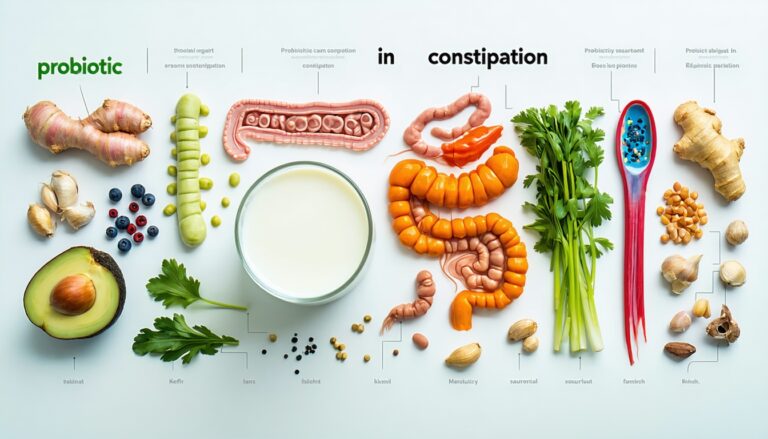
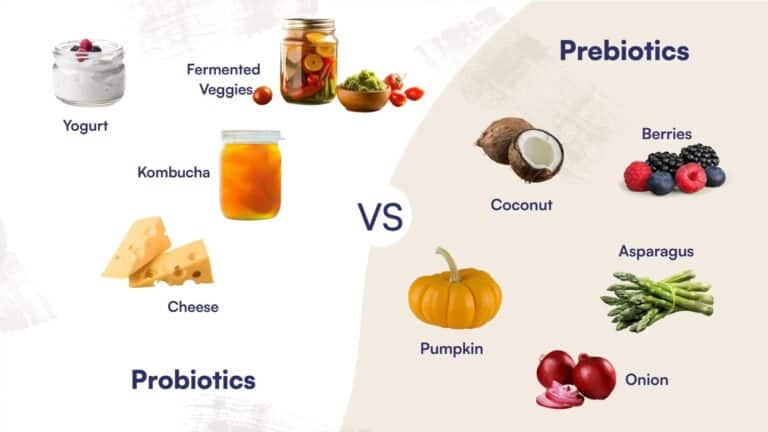
Chowing down on foods full of probiotics can help your gut’s friendly bacteria gang really thrive. Check out these favorites:
| Food Item | Probiotic Content (CFU) | What’s the Deal? |
|---|---|---|
| Yogurt | 1 billion – 100 billion | A delicious way to start your day or enjoy a quick snack. Hunt for ones with live cultures. |
| Sauerkraut | 10 million – 1 billion | Tangy cabbage that’s loaded with probiotics. |
| Kimchi | 1 million – 1 billion | Spicy goodies that give your gut a nutritious punch. |
| Kefir | 10 billion – 100 billion | A zesty milk drink that’s full of fermented goodness. |
| Miso | 1 million – 1 billion | This fermented soybean paste jazzes up soups and dressings. |
Munching on these can supercharge the good microbes in your system, but heads up—some of these, like yogurt or sauerkraut, might bring headaches if you’re sensitive. Jotting down what you eat can help spot any offenders. If that’s a concern, check out probiotic supplements for gut health as a backup plan.
Probiotic Supplements
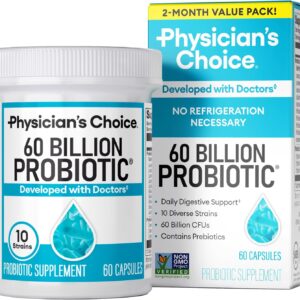
Can’t get enough of the good stuff from food, or after something more potent? Supplements might be the ticket for you. Keep these things in mind:
| Factor | Suggestions |
|---|---|
| CFU Count | Aim for at least 1 billion CFUs per dose. |
| Strain Specificity | Pick strains that match what you’re after, like those for digestive probiotics. |
| Quality Assurance | Go for top-notch ones tested for both purity and punch, like high quality probiotics. |
| Consultation | It’s wise to chat with a healthcare pro before diving into any new supplement routine, especially if you’ve got health stuff going on. |
Supplements can be a lifesaver, but be cautious, especially if your immune system isn’t in tip-top shape. Some strains can mess with histamine levels, which might give folks with histamine issues a hard time (Healthline).
Whether you’re getting probiotics from grub or a pill, both have their place in keeping your gut feeling fab. For more on this gut-boosting awesomeness, sneak a peek at our reads on probiotics and gut health and probiotics for digestive health.
Final Thoughts
Probiotics aren’t a passing wellness fad—they’re scientifically backed allies in your journey toward better gut and overall health. Whether you’re dealing with digestive issues like bloating or constipation, looking to boost your immune defenses, or simply aiming for balanced well-being, incorporating probiotics into your lifestyle can make a noticeable difference. Still, it’s important to choose the right strains and consult with a healthcare provider, especially if you have underlying conditions. Whether through food or supplements, nurturing your gut with probiotics is an investment in feeling your best, inside and out.
Frequently Asked Questions (FAQ)
What are probiotics, and how do they help with digestive health?
Probiotics are live microorganisms—mainly bacteria and yeast—that help maintain a healthy balance of gut flora. They can improve digestion, reduce symptoms of gastrointestinal disorders, and support nutrient absorption.
Are all probiotics the same?
No. Different strains of probiotics offer different benefits. For example, Lactobacillus acidophilus aids in lactose digestion, while Bifidobacterium longum helps regulate gut balance. Always look for strain-specific information on the label.
Can I get enough probiotics through food alone?
Yes, but it depends on your diet. Fermented foods like yogurt, kefir, sauerkraut, and kimchi are good sources. However, if your diet lacks these, supplements can help ensure adequate intake.
Are there side effects to taking probiotics?
Most people tolerate probiotics well, though some may experience gas, bloating, or an upset stomach initially. People with compromised immune systems or certain health conditions should consult a doctor before taking them.
How do I choose the right probiotic supplement?
Look for supplements with at least 1 billion CFUs, clear strain labeling, and verified quality assurance. Tailor your choice to your health needs—like digestion, immunity, or mood support—and consult with a healthcare provider for personalized guidance.