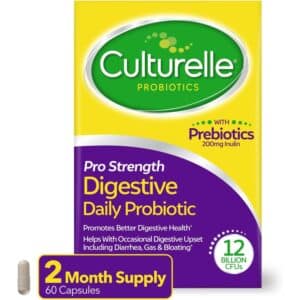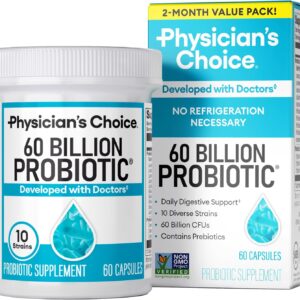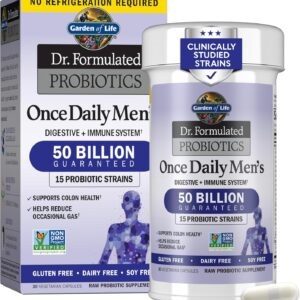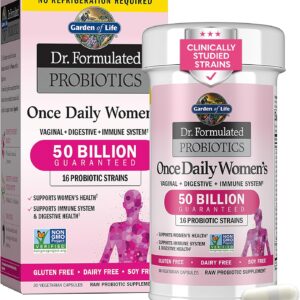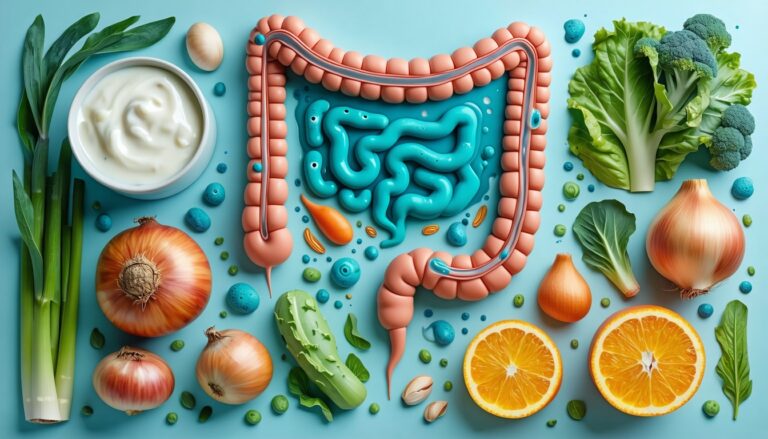
A High Probiotic Diet is more than a trendy wellness buzzword—it’s a powerful tool to transform your digestive and overall health. By incorporating live, beneficial bacteria into your meals through probiotic-rich foods like yogurt, kefir, and fermented vegetables, this diet helps balance the microbiome in your gut. That balance can lead to improved digestion, enhanced immunity, better mental clarity, and even healthier skin. Whether you’re a health enthusiast or someone just starting to explore gut health, understanding the mechanics and benefits of probiotics can open the door to a stronger, happier you.
Benefits of Probiotics
Introduction to Probiotics
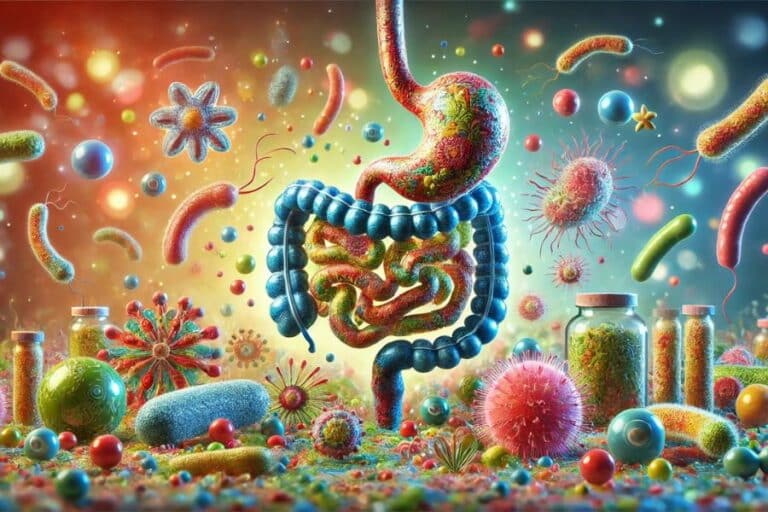
Probiotics are live bacteria and yeasts that keep your body in check. They make sure all the tiny creatures in your gut play nice together. You might not even notice, but you’re probably already consuming them if yogurt, kefir, or sauerkraut are on your menu. These beneficial bugs can help stop your gut from turning into a battleground between good and bad germs. Keep those friends around and your stomach will thank you!
Health Benefits of Probiotics
Eating foods rich in probiotics can give you a boost in several ways. Here’s why these tiny powerhouses are worth inviting to dinner:
| Health Benefits | Description |
|---|---|
| Improved Gut Health | Probiotics balance the bacteria in your tummy, potentially lessening the bothersome wails of digestive issues like gas and tummy aches. For deeper insights, click here. |
| Enhanced Immune Function | More friendly bacteria means your body is armed to tackle unwanted guests. Say hello to a resilient immune system. |
| Fighting Infections | Probiotics step in like bouncers, keeping harmful bacteria and viruses at bay. More info available at Cleveland Clinic. |
| Support for Mental Health | Some geeky researchers found that probiotics might cheer up your brain and affect your mood in a good way. Keep those vibes in check! |
| Aid with Pediatric Health | Kids’ upset tummies can be soothed with probiotics, helping tackle issues like diarrhea. More wisdom over at Children’s Hospital of Philadelphia. |
| Potential Help for Skin Conditions | Probiotics might even help out with those pesky skin flare-ups like acne or eczema. |
With these perks, adding probiotics to your day can be a no-brainer for stepping up your well-being. If you think foods fall short, remember probiotic supplements for gut health are always an option. Got curious? Check out our deep dive on how probiotics boost gut health.
Types of Probiotic-Rich Foods
Hungry to boost your health? Toss some probiotic-packed goodness into your daily grub! Let’s keep it simple and dive into two hotshot foods: yogurt and kefir.
Yogurt as a Probiotic Source
Yogurt’s that friendly, fermented milk drink everyone loves, filled with probiotics—the good bacteria. This bacteria party helps break down lactose, making yogurt easier on the stomach, even for folks who usually dodge dairy (Healthline).
Not only is yogurt yummier than a scoop of ice cream, but it’s also your gut’s bestie, restoring the microbiome like a champ. Check out what a cup of yogurt typically brings to the table:
| Nutritional Component | Amount per 1 cup (245g) |
|---|---|
| Calories | 149 |
| Protein | 9g |
| Carbohydrates | 11g |
| Fat | 8g |
| Probiotics | Varies by brand, typically contains Lactobacillus and Bifidobacterium |
Getting some yogurt in your diet is a piece of cake—or yogurt. Go plain, stir in some berries, or whip up a smoothie. Want more digestible info? Peep our scoop on probiotics for gut health.
Kefir: A Probiotic Powerhouse
Meet kefir, the fizzy cousin of yogurt—a fermented milk drink loaded with extra probiotics and a bunch of good yeast. It’s an all-star, especially for those dodging lactose, thanks to its lower lactose levels (Healthline).
People dig kefir for its tang and smooth feel. Here’s the inside scoop on a cup of kefir:
| Nutritional Component | Amount per 1 cup (245g) |
|---|---|
| Calories | 110 |
| Protein | 9g |
| Carbohydrates | 12g |
| Fat | 2g |
| Probiotics | Contains multiple strains including Lactobacillus and Saccharomyces |
Sip it straight, blitz it in a smoothie, or get crafty with salad dressings. Curious about probiotics and digestion? Don’t miss our piece on digestive probiotics.
Adding yogurt and kefir to your menu isn’t just tasty—it’s your ticket to a happy gut and sparkling health. As you munch away, you’ll see how these probiotic-packed bites help out your system from top to bottom.
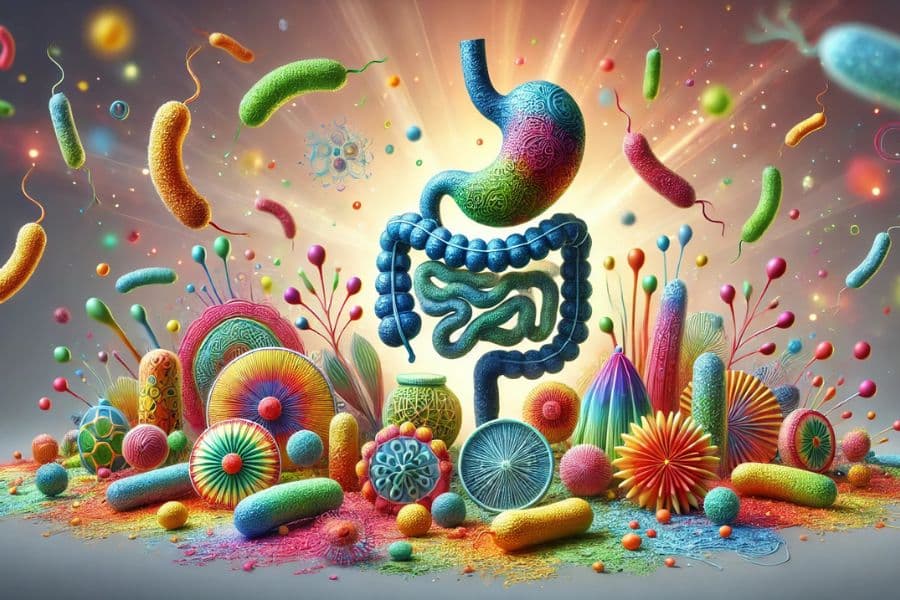
Understanding Probiotic Supplements
Probiotic supplements have taken the spotlight as folks like you look for easy health boosters. Forget the detective work in browsing food labels for those tiny beneficial bacteria – just pop a probiotic supplement and you’re good to go, especially if your diet’s missing out on foods full of the good stuff.
Why Probiotic Supplements Matter
Probiotics are your gut’s best friend, standing guard against bad germs and giving your immune system a leg-up (Cleveland Clinic). If you’ve been on antibiotics or anything else that messes with your gut balance, these little supplements are like a reboot for your system.
Check out some perks of probiotics:
- They help your stomach do what it does best
- Boost your defenses against some nasty bugs
- Ease up the pain of IBS and IBD
- They might even perk you up mentally
| Benefit | What’s it Do? |
|---|---|
| Aid Digestion | Breaks things down and sucks up nutrients better. |
| Support Immunity | Gears up your body to tackle infections. |
| Ease IBS Symptoms | Chills out the unease and puffiness. |
| Boost Mental Health | Keeps that gut-brain line open and your spirits lifted. |
What to Think About When Picking Probiotic Supplements
Choosing a probiotic isn’t just tossing any bottle in your cart. A few things can make the difference between a good choice and a pricey shelf warmer:
- Probiotic Strains: They’re not all one-size-fits-all. Each strain does its own weird beneficial thing. Lactobacillus acidophilus and Bifidobacterium bifidum are names worth remembering.
- Colony Counts (CFUs): You want a thriving colony in your tummy, so go for supplements boasting billions – usually between 1 to 10 billion CFUs for staying regular.
- Staying Power: Some need chillers, others are okay in the cabinet for a while. Double-check the date so you’re not buying outdated duds.
- Why Bother?: Not all probiotics are built the same. Figure out what you need it for: digestion issues, immunity boosts, etc.
- Extras? No Thanks: Skip the ones stuffed with sugar or other junk. You want the straight goods, after all.
- Buy Smart: Stick with brands that spill the beans on what’s inside and have a good rep. Trust takes time to build – and so do good supplements.
Getting your gut in order starts with knowing your stuff and picking the right helper. Want to dive deeper into how these handy bacteria can fit into your life? Check out more about probiotics for gut health and see why probiotic supplements for gut health suit your wellness goals.
Potential Side Effects of Probiotics
Probiotics can be a game-changer for your gut’s happiness. But let’s be real: first-timers might hit a few bumps on the road to digestive bliss.
Common Side Effects
Kicking off your probiotic adventure? You might bump into these pesky little buddies:
- Gas and Bloating: Your belly might feel like a balloon—filled with hot air. It’s just the gut marching to a new beat, and it’ll mellow out eventually.
- Constipation: Yeah, it might get a little clogged up down there at first.
- Increased Thirst: Feeling like a camel? That’s your body saying, “Hey, give me more water!”
Hang tight; these usually pack up and leave after a couple of weeks. Keep a journal and track the changes. You might just surprise yourself.
| Side Effect | What it feels like | How long it sticks around |
|---|---|---|
| Gas and Bloating | Like a belly full of pop rocks | A few weeks, at most |
| Constipation | More backup than a Monday morning traffic jam | Usually doesn’t last long |
| Increased Thirst | Suddenly water’s your new bestie | Eases up over time |
Precautions for Certain Individuals
Gotcha moments are less fun if you don’t see them coming. A heads up for some folks:
- Histamine Intolerance: If snootful histamine makes you feel like hiding under the covers, better look into probiotic supplements instead of your usual foodie sources like yogurt or kimchi.
- Immune System Concerns: If your defense system is on vacation because of meds or you’re just not feeling your best, hit up your doc before diving into the probiotic pool. They’ve generally got your back, but why risk a curveball?
- Age Considerations: Little ones—especially the itty-bitty newbies—should only get into the probiotic game with a doctor’s nod.
With the right game plan, probiotics can be your gut’s new BFF. For more on keeping your insides in shape, check out our pages on probiotics and gut health or digestive probiotics.
Probiotics for Gut Health
Eating more probiotics can really give your gut a boost. These friendly little fellas—mainly bacteria and yeast—join the party in your tummy, making your gut a happier place.
Role of Probiotics in Gut Health
Probiotics roll up their sleeves by backing up the good bacteria your gut already has, keeping the bad ones at bay so your belly stays happy and calm. Without enough of the good guys, you might face problems like tummy troubles, bloating, or worse (Cleveland Clinic).
Eating goodies like yogurt and sauerkraut gives your body the things it craves, helping with digestion, and improving the way the tummy feels overall (Mayo Clinic). Check out these neat benefits:
| Benefit | Description |
|---|---|
| Strengthens Gut Flora | Adds more good bacteria to the mix. |
| Improves Digestion | Helps your body break down food and soak up nutrients. |
| Alleviates Symptoms | Eases tummy issues like gas and constipation. |
| Supports Immune System | Gives your body’s defense system a little extra help. |
If sickness or antibiotics have knocked your gut off balance, probiotics can help rebuild the friendly forces (Cleveland Clinic).
Restoring Gut Microbiome Balance
Keeping your gut in tip-top shape is important for staying healthy. Regularly munching on probiotic-rich foods or taking supplements can help your gut flora flourish and tamp down any stomach woes. It’s not just for grown-ups either—kids can join in on the probiotic fun. Adding naturally fermented foods to your family meals can bring gut happiness from early on (Children’s Hospital of Philadelphia).
Check out ways to include more of these gut-friendly foods in your meals by browsing our pages on digestive probiotics and probiotics for digestive health.
Learning about probiotics and how they help your gut can set you on a path to a healthier you. If food alone’s not cutting it, think about trying some probiotic supplements for gut health.
Probiotics and Specific Health Conditions
Probiotics aren’t just for your belly; they play a helpful role in tackling other health hurdles. Let’s talk about how these friendly bacteria can benefit your digestion troubles and make your skin happier.
Probiotics for Digestive Conditions
Ever wonder how probiotics can soothe your stomach woes? Well, they have a knack for taking on long-term tummy troubles like IBS, IBD, and even those unwanted diarrhea bouts from infections. Some superstar strains like Lactobacillus and Bifidobacterium really shine. Start these little helpers within a couple of days of antibiotics and they might just save you from the dreaded antibiotic-associated diarrhea (AAD), especially if you’re among certain folks more prone to this party pooper.
Here’s a quick peek at how different probiotics lend a hand with digestive issues:
| Probiotic Strain | Trouble Tackled | How They Help |
|---|---|---|
| Lactobacillus rhamnosus GG (LGG) | Antibiotic-related tummy issues | Works wonders if you start soon |
| Bifidobacterium | IBS | Balances your gut’s good guys |
| Saccharomyces boulardii | General Diarrhea | Shortens your suffering time |
Got an interest in boosting your gut game? Think about adding a probiotic-rich diet or trying some gut-helping supplements to your life.
Benefits of Probiotics for Skin Health
Probiotics don’t stop at your gut—they take their talents to your skin, too. Research hints that if babies and their moms get some probiotics early on, it might keep atopic dermatitis, a common skin twitch, off their little skin. That one benefits mostly kids, but why not help them get a good start?
Let’s highlight how probiotics make skin merry:
| Skin Trickiness | What Probiotics Do | What Studies Say |
|---|---|---|
| Atopic Dermatitis | Keeps it at bay in kids | Early probiotic use might lower the risk |
Beyond just easing your belly, these tiny powerhouses also pave the way to vibrant skin. Dive into our tips on digestive health and get some more skin-friendly pointers at probiotics and gut health.
Final Thoughts
Choosing a high probiotic diet isn’t about a quick fix—it’s a long-term investment in your health. From soothing digestive issues and strengthening your immune system to potentially improving your mental well-being and skin condition, the benefits are diverse and compelling. By regularly consuming foods like kefir and yogurt or opting for high-quality supplements, you can support your body from the inside out. Just remember: everyone’s gut is different. Start slow, pay attention to how your body responds, and consult with a healthcare provider if you have unique medical conditions or concerns. Your gut will thank you for it.
Frequently Asked Questions (FAQ)
What is a high probiotic diet?
A high probiotic diet includes foods and/or supplements rich in live bacteria that help balance the gut microbiome. Common sources include yogurt, kefir, sauerkraut, kimchi, and probiotic supplements.
How do probiotics benefit gut health?
Probiotics aid digestion, help absorb nutrients, reduce bloating and gas, and support a balanced gut microbiome by crowding out harmful bacteria.
Can probiotics improve mental health?
Yes, research suggests a strong gut-brain connection. Probiotics may help regulate mood and reduce symptoms of anxiety and depression by supporting this gut-brain axis.
Are probiotic supplements necessary?
Not always. Many people can get enough probiotics through diet alone. However, supplements are helpful if you’re on antibiotics, have digestive issues, or can’t eat fermented foods regularly.
What are the side effects of starting probiotics?
Common side effects include bloating, gas, constipation, and increased thirst, especially in the early days. These typically resolve within a couple of weeks.
Can children take probiotics?
Yes, but always consult a pediatrician first. Probiotics can help with digestive issues in children, including diarrhea and skin conditions like eczema.
How do I choose the right probiotic supplement?
Look for products with clearly labeled strains (e.g., Lactobacillus, Bifidobacterium), high colony-forming units (CFUs), no added sugars, and a reliable brand reputation. Your specific health needs should guide your choice.