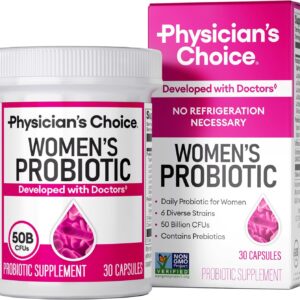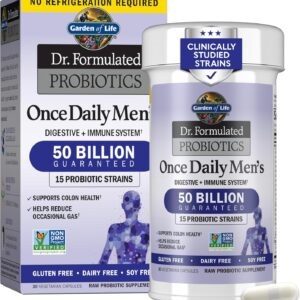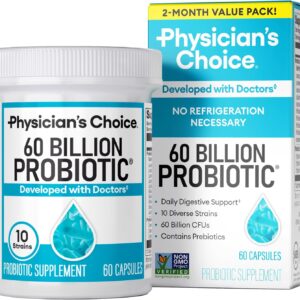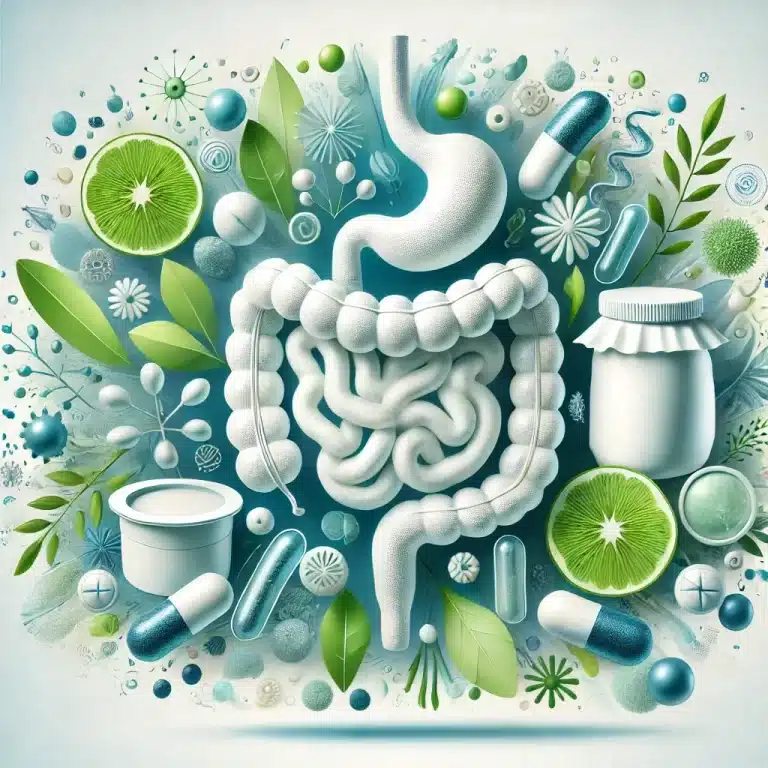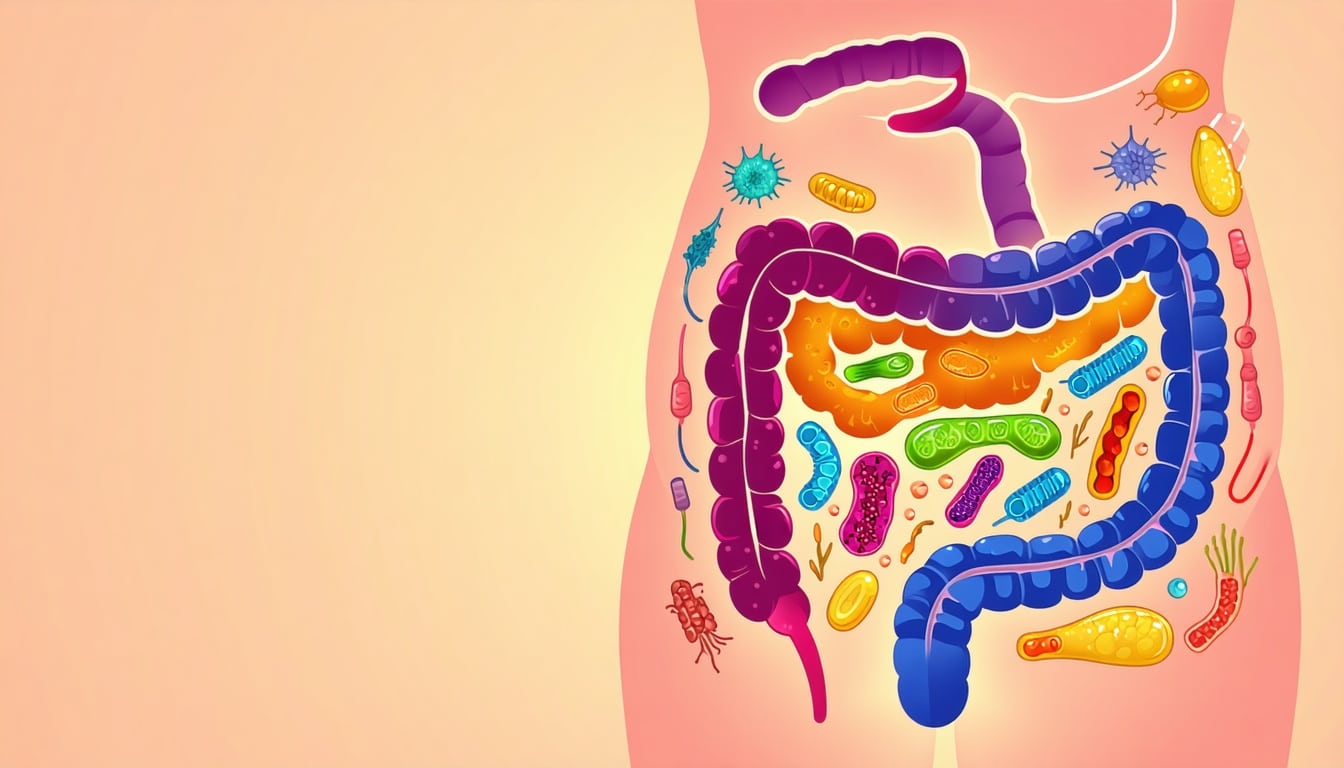
Probiotics and Digestion go hand in hand when it comes to nurturing a healthier gut and overall wellness. These friendly bacteria—found in yogurt, fermented foods, and supplements—are more than just microscopic guests; they’re essential allies in balancing your gut microbiome, supporting digestion, and boosting immunity. This guide breaks down the science and benefits of various probiotic strains like Lactobacillus and Bifidobacterium, showing how they can relieve issues like IBS, bloating, and even support mental and skin health. Whether you’re seeking relief from chronic tummy troubles or simply aiming to optimize your well-being, understanding how probiotics work is the first step to smarter gut care.
Exploring Probiotics and Digestion
Understanding Probiotics
So, you’ve heard about these friendly bacteria, right? Yep, those are probiotics. They’re the tiny, invisible helpers living in foods like yogurt and in some supplements. They’re like party planners for your gut, keeping things lively and balanced down there. The NIH Office of Dietary Supplements categorizes them as live little dudes that, when there’s enough of them, keep you healthy and happy—almost sounds like they’re your gut’s superheroes.
Aside from digestion, these microscopic marvels can pump up your immune defenses and maybe even level out blood sugar. Different strains of these guys have their own special powers, working their magic on your gut in ways you wouldn’t believe, according to the Mayo Clinic Health System.
| Probiotic Strain | Source | Health Benefits |
|---|---|---|
| Lactobacillus | Yogurt | Helps with digestion and might ease up lactose intolerance symptoms. |
| Bifidobacterium | Fermented foods | Keeps your immune system strong and manages the mix in your gut. |
| Saccharomyces | Supplements | Could help with the trots (diarrhea) and keep your gut in check. |
Role of Probiotics in Gut Health
The role these bad boys play in your gut? They’re the DJs, making sure everything’s harmonized. They’re critical in breaking down what you eat and giving your immune system a leg up. When the microbiome inside your belly is vibing, your whole system runs smoother.
Eat stuff packed with probiotics, and you might find yourself winning against constipation or taming those tummy troubles like irritable bowel syndrome (IBS). Your ability to soak up nutrients and produce vital vitamins could get a boost too, as per Harvard Health Publishing.
Thinking about amping up your probiotic game? Check out options for probiotics for gut health or try to weave digestive probiotics into your daily habits. Although they can do wonders for digestion, there’s still plenty left to explore about how safe and effective they are, especially as folks age.
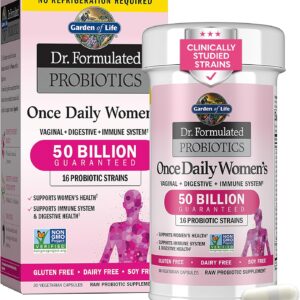
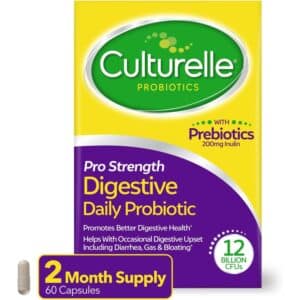
If you want to smarten up your digestive health, take some time to figure out which probiotic supplements for gut health hit the mark for you. Get the best quality, and pick the strains that fit your health story to get the best out of them.
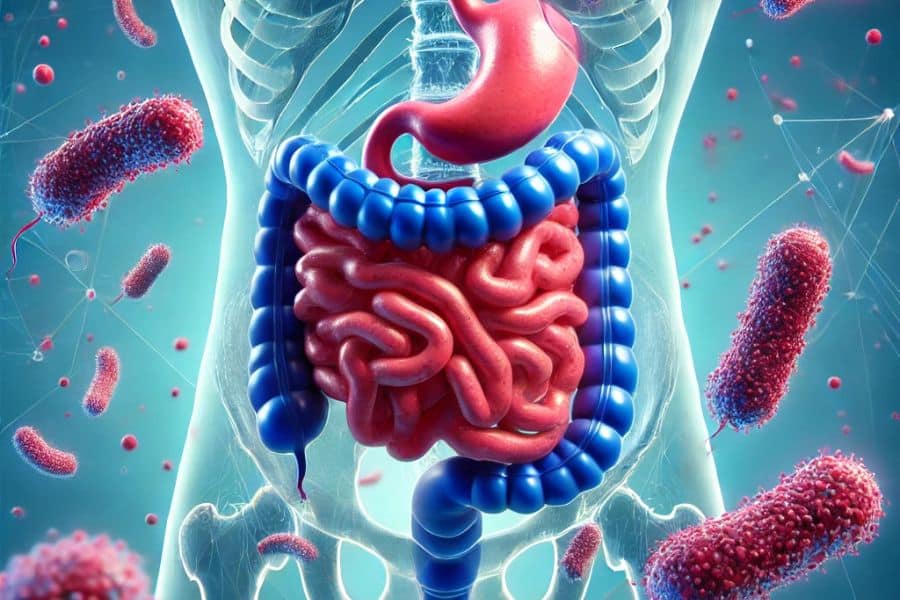
Benefits of Probiotics
Probiotics pack a punch when it comes to giving your health a little kick in the pants. Adding them to your routine could leave you feeling like a million bucks, especially in the tummy and immunity departments.
Promoting Digestive Health
Let’s talk about how these tiny helpers benefit your gut. Probiotics are like the bouncers at your gut’s nightclub, encouraging the good guys and shooing away the mischief-makers. They help keep your intestinal walls secure, stopping the bad germs from crashing the system.
These little warriors can give you a hand with tricky gut troubles like irritable bowel syndrome (IBS), lactose intolerance, infections, and even conditions such as ulcerative colitis and Crohn’s disease. More than a few folks have said they help ease the annoying stuff like gas, bloating, and constipation. It’s like your belly’s new best buddy.
| Annoying Tummy Woes | Probiotic Lifesavers |
|---|---|
| Gas | Keeps it at bay. |
| Bloating | Makes it bearable. |
| Constipation | Gets things moving. |
Got more questions about how probiotics can make your belly happy? Check out our articles on digestive probiotics and probiotics for digestive health.
Boosting Immunity
Let’s shed some light on your immune system’s BFF—probiotics. They can beef up your defense system by managing those pesky germs before they can stir up trouble. Considering that 80% of your immune cells hang out in your gut, keeping things balanced there is like fortifying your fortress.
Adding probiotics to your life might just reduce your run-ins with the sniffles by toughening up your body’s shields. If you want some expert advice on keeping your defenses up with the help of probiotics, head over to our article on probiotics immune system.
Probiotics generally play nice with most folks, but if your immune system isn’t up to full strength or if you’ve got certain medical conditions, hit up your doctor first. They’ll help you avoid any unwanted plot twists.
Why not make probiotics part of your daily gig? Your gut and immune system will thank you for the extra support!
Specific Probiotic Strains
Getting to know probiotics is like a journey through a bustling neighborhood of good bacteria. Let’s introduce you to a couple of the usual friendly microbes you might meet: Acidophilus (L. acidophilus) and Bifidobacterium. These tiny helpers jump in to keep your digestion in check and boost your wellness game.
Acidophilus (L. acidophilus)
So, first on our list is Lactobacillus acidophilus, or just Acidophilus for short. This probiotic’s everywhere you’d expect: your mouth, gut, stomach, lungs, you name it. It’s the go-to superstar for its knack of bringing balance to the body—meeting you at the crossroads of health and happiness Cleveland Clinic.
Speaking of, Acidophilus is your gut’s best buddy. It digests your food, making sure all those nutrients get where they need to go. Plus, it acts as a bouncer at a club, keeping diarrhea out and even helping with wonky stuff like leaky gut. You’ll see it in stores as capsules, liquids, and powders, so pick your favorite hustle format Cleveland Clinic.
| Form | Common Uses |
|---|---|
| Capsules | Daily dose of gut goodness for all over health |
| Powders | Mix it up with your meals or shakes |
| Liquids | Down the hatch quickly and easily |
Bifidobacterium
Shifting gears, say hello to Bifidobacterium, a genus with several species making it their mission to have your back. This group boosts your gut health, making your insides run smoothly and building up your immune system.
Bifidobacterium multitasks like a pro; it tackles tummy troubles like constipation and diarrhea, giving your digestive system a hand. It processes those tricky dietary fibers to make short-chain fatty acids which keep everything in top shape. Find out more about how they keep your digestive scene on point in our probiotics and gut health article.
| Bifidobacterium Strain | Benefits |
|---|---|
| Bifidobacterium bifidum | Helps digest food and keeps things steady in the gut |
| Bifidobacterium longum | Keeps your gut’s wall sturdy and reliable |
| Bifidobacterium breve | Can lower inflammation while smoothing out your gut’s operations |
Acidophilus and Bifidobacterium are like the dynamic duo for your well-being. They work behind the scenes, making sure your digestion’s top-notch and your immune system’s strong. Think about working probiotic supplements for gut health into your day. Trust me, your belly and body will thank you for it!
Impact on Chronic Tummy Troubles
IBS, Crohn’s Disease, Ulcerative Colitis
Probiotics can be a game-changer when dealing with constant tummy troubles like irritable bowel syndrome (IBS), Crohn’s disease, and ulcerative colitis. There’s quite a bit of buzz about how popping these tiny helpers might set you on a path to fewer flare-ups and more peaceful bathroom visits. The reason? They help keep your gut fighting fit and your microbial pals in check. Too many baddies taking over down there can mean all sorts of gut grief (Cleveland Clinic).
Probiotics are chock-full of good stuff to boost your gut’s good guys. When your gut squad is strong, things run more smoothly in the digestion department. For options to help keep your gut happy and healthy, you might want to peek at probiotics for gut health and digestive probiotics.
| Stomach Upset | How Probiotics Can Help |
|---|---|
| IBS | Less puffiness and discomfort |
| Crohn’s Disease | Chill out the flare-ups |
| Ulcerative Colitis | Tame the symptoms and keep things calm |
Chill Out That Inflammation
Where probiotics really shine is in calming down those fiery bellies. Many gut problems come with inflammation, a fancy word for what feels like your intestines are staging a protest. With the right probiotics, you might find things cooling down and your body’s defenses warming up (Cleveland Clinic).
Taking care of your gut with some quality probiotics is a proactive and friendly way to keep your gut peace talks going. Swapping in some trusted probiotic picks can become a trusty sidekick in your journey for a tummy that’s calm and collected. Curious about picking the right probiotics? Get the scoop in our article on probiotic supplements for gut health.
And if your stomach’s pulling a fast one on you with pains or unexpected trips to the toilet, maybe it’s time to look into probiotics for digestive health for a simpler gut life.
Beyond Digestion
So, you probably know that probiotics are pretty gutsy when it comes to helping your digestion, but their benefits don’t stop there. These little guys are your gut’s best buddies, but they’re also in your corner for mental and skin health.
Probiotics and Mental Health
Heard of the term “gut feeling”? There’s actually some science behind it. Your belly buddies can affect your brain. Some recent findings hint that probiotics might be like tiny therapists, helping balance the hormones that mess with your mood and stress levels. When your gut is out of whack, known as gut dysbiosis, your mental health might take a hit too. Luckily, probiotics can lend a hand by balancing hormones, boosting your nervous system, and chilling out inflammation. This could help with issues like feeling down, anxiety, or even those pesky brain problems like Alzheimer’s (Healthline, Harvard Health Publishing).
| Mental Health Issue | Probiotics’ Role |
|---|---|
| Feeling Down | Balancing hormones, cooling inflammation |
| Anxiety | Helps the stress switch |
| Alzheimer’s | Slows down brain wear and tear |
Digging into different probiotic strains could lead to better brain-boosting options, showing the need for precise strain advice (NIH).
Probiotics and Skin Health
Want skin as smooth as a baby’s backside? Probiotics might help with that too. They seem to be good for issues like itchy skin disorders and breakouts. By chilling inflammation and supporting your skin’s natural barriers, they can help your skin stay healthy.
| Skin Woes | What Probiotics Do |
|---|---|
| Itchy Skin Disorders | Cuts down inflammation |
| Breakouts | Keeps skin balance in check |
Plus, probiotics might help your skin take on pesky bacteria and things in the environment that make it unhappy. With boosted defenses, achieving more glowing skin could be within reach. If you’re about fixing skin stuff, checking out probiotics for skin health might be your jam.
So, by throwing probiotics into your daily life, you don’t just pamper your tummy but might boost your mental vibes and give your skin a glow-up too. Curious about the nitty-gritty on strains or how to get them in your diet? You might want to peek at probiotic supplements for gut health or dive into high-quality probiotics.
Your gut, brain, and skin will thank you!
Considerations and Safety
Selecting the Right Probiotic
Picking the right probiotic isn’t rocket science, but it does require a little bit of thought about your health and what you’re aiming to achieve. Probiotics aren’t all peas in a pod; different strains bring different perks to the table. Here’s what you might want to consider:
- Purpose: What’s your target? Better digestion, a boost to your immune system, or maybe just a happier gut overall? Know what you’re aiming for.
- Strain Specificity: Pay attention to strains that have been proven heroes for your specific goal. For tummy support, Lactobacillus acidophilus often gets the nod, while Bifidobacterium is a go-to for gut cheerleaders.
- Quality: Think of quality like you would when picking fruit—go for the best you can find. Check out those labels for strain types, CFU counts (colony-forming whatsies), and expiration dates. For a deeper dive into quality picks, have a peep at our guide about top-tier probiotics.
- Consult a Professional: Before popping any supplement into your routine, especially if you’re sorting out some health hiccups or other meds are part of your dance card, give a healthcare expert a ring. They’ll guide you through the maze (WebMD).
Potential Side Effects
For most folks, probiotics are smooth sailing. Still, it’s wise to be on the lookout for potential bumps. Some might face a few minor roadblocks as their body adjusts to the probiotic party. Common complaints can be:
| Potential Side Effect | Description |
|---|---|
| Stomach Upset | A bit of a tummy rumble |
| Gas | More gas than usual—we’ve all been there |
| Diarrhea | Changes in your bathroom routine, but usually short-lived |
| Bloating | That all-too-familiar tightness in the belly |
Usually, these fade as your system gets into the groove. If things go from rare to care, or if your immune system isn’t in fighting shape, give your doc a call ASAP. Those with compromised immunity, recent surgeries, or serious health blues should tread carefully (Cleveland Clinic).
If your body throws a wrench in the works, stop using the probiotic immediately. Curious about more probiotic magic? Check out articles like gut-friendly probiotics and digestive soothing probiotics. Make sure any supplement dance you do always keeps your health at the lead.
Final Thoughts
Probiotics aren’t just a health trend—they’re powerful tools for promoting harmony in your digestive system, strengthening immunity, and even supporting mental and skin health. With the right strains tailored to your individual needs, you can tackle everything from constipation to inflammation. But remember, not all probiotics are created equal. Selecting high-quality supplements and consulting with a healthcare provider ensures you’re making safe, informed choices. Your gut is a central player in your health journey—give it the friendly bacteria it deserves.
Frequently Asked Questions (FAQ)
What are probiotics and how do they help with digestion?
Probiotics are live bacteria that help maintain a healthy balance of microorganisms in your gut. They assist in breaking down food, improving nutrient absorption, and reducing digestive issues like gas, bloating, and constipation.
Which probiotic strains are best for digestive health?
Strains like Lactobacillus acidophilus and Bifidobacterium bifidum are widely recognized for aiding digestion. They can help ease symptoms of IBS, lactose intolerance, and other gastrointestinal disorders.
Can probiotics improve immunity?
Yes! Since around 80% of immune cells are located in the gut, probiotics help reinforce your body’s defenses by preventing harmful bacteria from taking over and supporting immune responses.
Are there mental health benefits to taking probiotics?
Emerging research suggests a link between gut health and brain function. Some probiotic strains may help balance mood, reduce anxiety, and manage inflammation that affects mental well-being.
Can probiotics help with skin conditions?
Certain probiotics can reduce inflammation and support the skin’s natural barrier, making them useful in managing conditions like eczema and acne.
Are probiotics safe for everyone?
Generally, yes. Most people tolerate them well, but those with weakened immune systems or serious health conditions should consult a healthcare provider before starting any probiotic regimen.
What are the common side effects of probiotics?
Some people may experience mild side effects such as gas, bloating, or diarrhea when first introducing probiotics. These usually subside as the body adjusts.