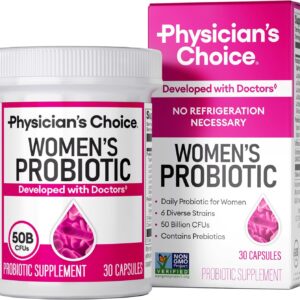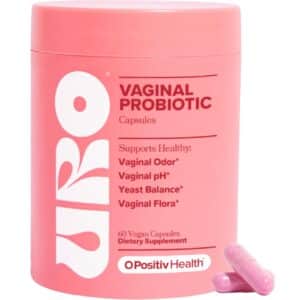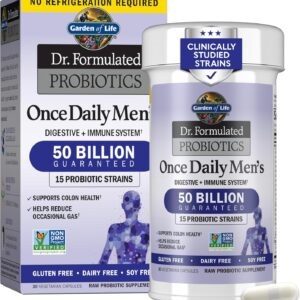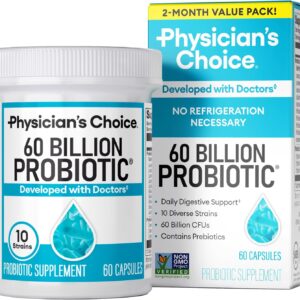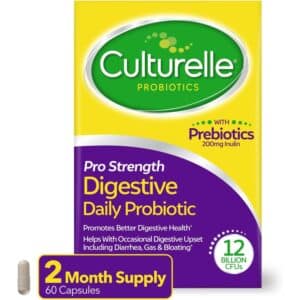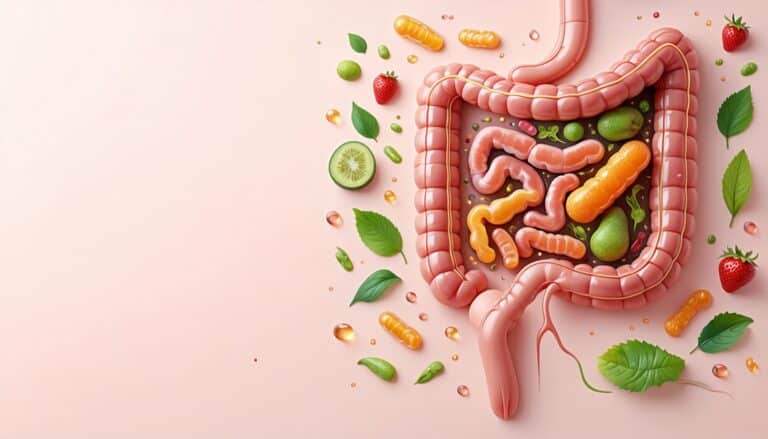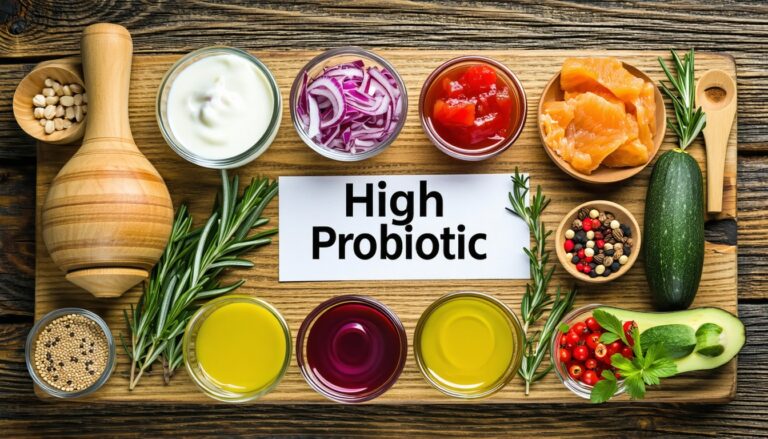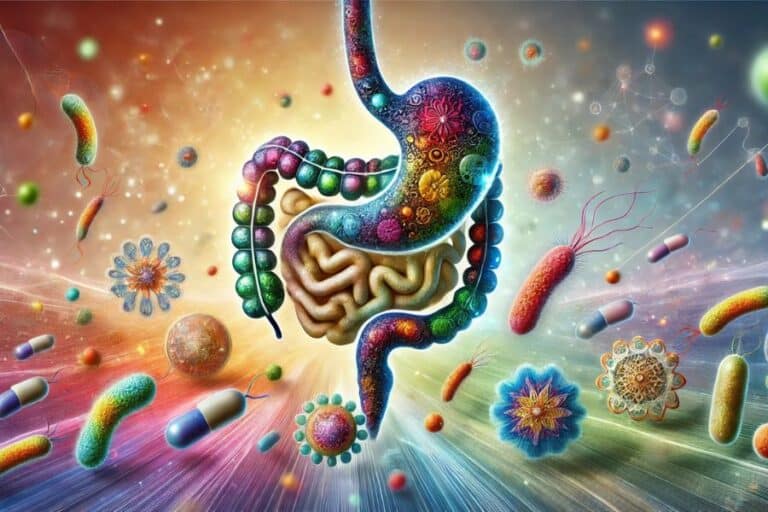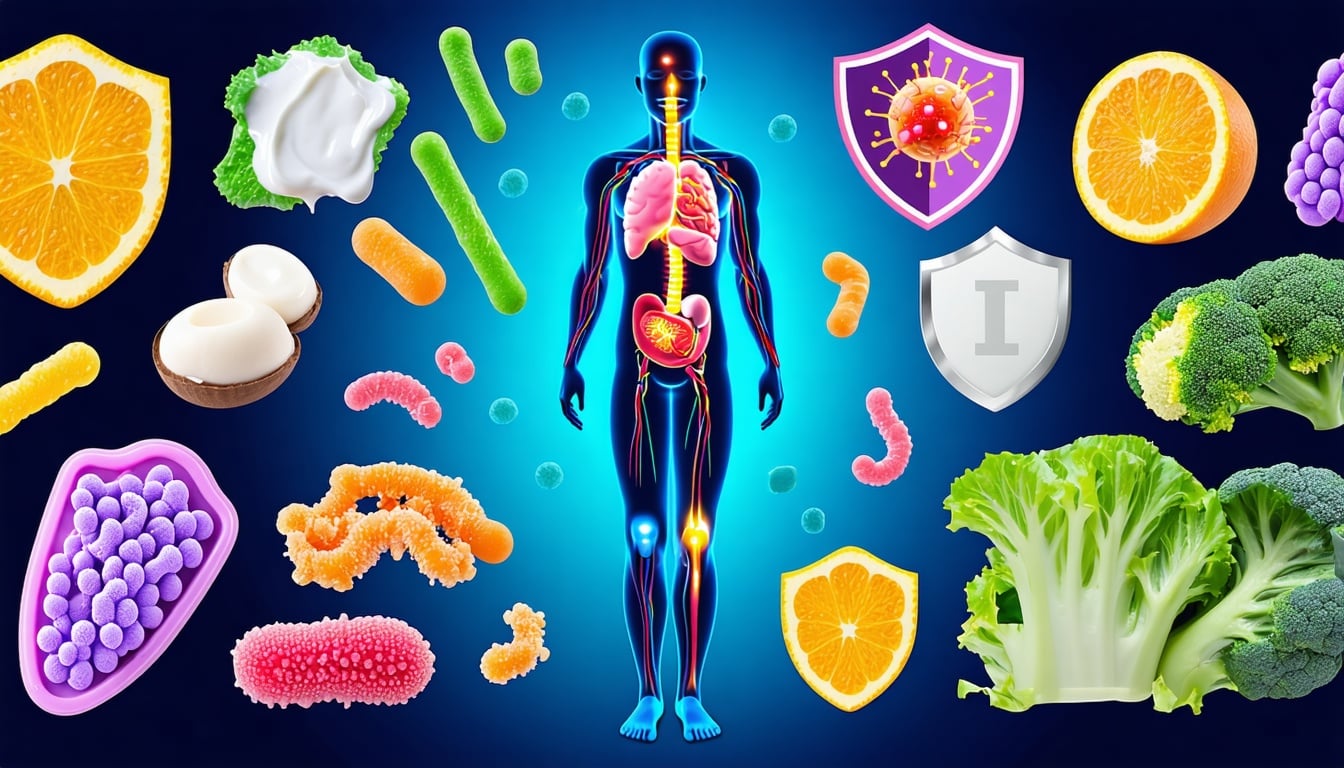
Probiotics Immune System – a powerful duo that’s gaining major traction in the world of wellness. But what’s really going on inside your gut? It turns out, these tiny microorganisms are far more than just digestive helpers. They’re active allies that can tune your immune response, calm inflammation, and even help your body respond better to vaccines. In this guide, we dive deep into how probiotics support immune function, where to find them in foods like yogurt and kimchi, and why they might be the key to a stronger, healthier you.
Understanding Probiotics
Introduction to Probiotics
Probiotics all the live stuff in your gut trying to do you a solid! They’re the bacteria and yeasts rocking their little world, keeping your insides happy. Picture them as your gut’s best pals, balancing the good and bad critters down there. They work hard so your belly feels nice and your defenses stay up. Ever munch on yogurt or pop a supplement? That’s you being kind to your gut buddies. If you’re keen on diving deeper, you might want to scope out our article on probiotics for gut health.
Here’s the lowdown on probiotics:
| What’s What | Why It Matters |
|---|---|
| What They Are | Little living creatures that give big health pay-offs when you take enough of them |
| What They Do | Keep your tummy and its vibes in check by nurturing the good guys |
| Where To Find Them | Think fermented stuff: yogurt, kefir, sauerkraut, or just grab a supplement |
Benefits of Probiotics
Okay, let’s get into the nitty-gritty. These tiny pals do more than keep your stomach from grumbling. They’re the unsung heroes that power up your digestion and immune armor. They buddy up with your immune cells, refreshing and revitalizing your gut army to tackle the world.
Here’s why probiotics rock:
- Gut Groove: They’re like peacekeepers, sorting out the good and bad guys, easing issues like diarrhea, constipation, and bloating.
- Immune Mojo: A chill gut might just be your ticket to fewer sick days. Probiotics fortify your internal defenses, calming inflammation and tackling bugs (Cleveland Clinic).
- Digestive Relief: Popping probiotics could mean saying goodbye to tummy troubles, smoothing out digestive bumps like a pro.
- All Round Health: A happy gut plays ball with your brain and body, possibly jazzing up brainwaves and getting hormones in line (Cleveland Clinic).
Sneak more probiotics into your munchies or gobble them as supplements to score some tummy goodness and keep your immune engine humming. For some down-to-earth tips on handling belly blues, peep our takes on digestive probiotics and probiotics and digestion.
Probiotics and Immune System
Let’s chat about your tiny invisible allies – probiotics. They’re not just hanging out for fun; they really pitch in for your immune system and overall wellness.
Probiotics and Immune Response
Probiotics are like your gut’s best friends, keeping everything in balance. They’re the unsung heroes working behind the scenes to regulate your immunity. Take Lactobacillus rhamnosus GG, for instance. It acts like a mini defense squad, kicking into gear and upping your game against infections. This little critter also helps tone down inflammation by chilling out those pesky pro-inflammatory cytokines such as TNF and IL-6 (National Center for Biotechnology Information).
But wait, there’s more! Probiotics boost those regulatory dendritic cells you’ve got running around. These are the guys that help create Tregs—tiny but mighty mediators that keep inflammation at bay. Thanks to this, probiotics are getting a lot of thumbs-up for dealing with inflammatory conditions (National Center for Biotechnology Information).
| What They Do | How They Do It |
|---|---|
| Tweak Immune Response | Balances immunity and puts a lid on inflammation |
| Boost T Cell Squad | Cranks up dendritic cell growth |
Probiotics in Disease Therapy
It turns out probiotics are more than gut companions; they’re valuable in fighting allergies, eczema, and even some viruses. They also give your vaccine responses a boost, making your shots more effective (PubMed Central).
Eating stuff like yogurt, kefir, or sauerkraut means more probiotics for you. They do wonders for your gut flora, possibly preventing some diseases from showing up at your door.
Thinking of adding probiotics to your lifestyle? Aim for the good stuff! And for a shopping buddy’s advice on top picks, check our piece on high-quality probiotics. These little guys aren’t just about digestion; they’re key players in your overall health and immunity (digestive probiotics).

Types of Probiotic Foods
Probiotic munchies aren’t just tasty, they’re a superhero team for your gut, giving your health a lift, especially when your immune system’s feeling a bit low. Here’s a run-down of some super popular probiotic-packed goodies you can toss into your meals.
Yogurt: A Probiotic Heavyweight
Yogurt is a top-tier choice for getting your probiotics in. It’s made when friendly bacteria like lactic acid bacteria and bifidobacteria get to work on milk, bringing you all sorts of health perks. This can mean smoother skin and even help if you can’t handle lactose well.
| Nutritional Benefits | Amount per 100g |
|---|---|
| Protein | 10g |
| Calcium | 110mg |
| Vitamin B12 | 0.4μg |
Whether you munch it solo, blend it into a smoothie, or mix it into dressings, yogurt’s gotcha covered. Curious about how it helps your gut? Pop over to probiotics for gut health to get the scoop.
Kefir: The Probiotic Chug
Kefir is a milk-based drink that’s like a probiotic pixie – small but mighty. It’s a buddy for your bones, soothes tummy troubles, and even fights off some nasty germs better than yogurt can.
| Nutritional Benefits | Amount per 100g |
|---|---|
| Protein | 3.8g |
| Calcium | 120mg |
| Magnesium | 21mg |
Sip on it straight up or whirl it into a smoothie. Want the full lowdown? Check out digestive probiotics and get informed.
Sauerkraut: Not Just a Sidekick
Sauerkraut might be your next food BFF. It’s not just for flavor; it’s brimming with fiber, vitamins C and K, and packed with iron, potassium, and a dash of antioxidants for keeping your peepers in top shape.
| Nutritional Benefits | Amount per 100g |
|---|---|
| Fiber | 4g |
| Vitamin C | 20mg |
| Sodium | 900mg |
Throw it into sandwiches, mix it into salads, or snack on it. For more on making fermented foods a staple, our probiotics and gut health has all you need.
Tempeh: Filling You Up with Probiotic Power
Tempeh, made from fermented soybeans, is your go-to plant-based protein. The fermentation lowers something called phytic acid, making minerals easier to absorb. It also brings B12 to the table, which is pure gold for vegetarians.
| Nutritional Benefits | Amount per 100g |
|---|---|
| Protein | 18g |
| Fiber | 5g |
| Calcium | 111mg |
Sizzle it, stir-fry it, or chuck it into a salad. Find ways to use it in probiotic supplements for gut health.
Kimchi: Flavor with a Kick
Kimchi brings the heat with its fermented veggies, mainly napa cabbage, and is a festival of good bacteria that keep your digestive system happy. It’s also loaded with vitamins K, B2, and iron.
| Nutritional Benefits | Amount per 100g |
|---|---|
| Calories | 15 |
| Fiber | 1g |
| Vitamin K | 1.5μg |
Pop it into dishes as a spicy splash or gobble it solo. Get creative with probiotics by hitting up probiotics for digestive health.
Adding these tasty probiotics to your diet is like throwing a party your gut’s going to love. So go ahead, chow down and feel the goodness!
Mechanisms of Probiotics
Probiotics are like the unsung heroes for your immune system, helping to boot health and keep your gut in check. Here’s a closer look at how they manage to work their magic, so you can wisely work them into your everyday life.
Immune System Regulation
You’ve probably heard probiotics do wonders for your gut, but did you know they also tweak how your immune system operates? Yup, they tinker with the little guys in your intestines, making sure the whole system runs smoothly. They’re the cheerleaders for your immune cells, giving them the pep talk they need for keeping things balanced in your body. Scientists have shown that probiotics can jumpstart your immune cells and help buddy up with T regulatory (Treg) cells, which kick out some crucial body molecules (PubMed Central).
Here’s a dumbed-down version of how probiotics pull off their immune tricks:
| How They Do It | What Happens |
|---|---|
| B Cell Boosting | Probiotics nudge B cells into overdrive, helping them churn out IgAs, those proteins that play the gatekeeper. |
| Pump Up Treg Cells | They egg on Treg cells, pushing them to ramp up cytokine output. |
| Meet and Greet | Through a network of proteins and stuff, probiotics have a chat with your immune cells, laying the groundwork for a healthier you. |
These actions translate into happier guts and stronger defenses, making probiotics like your health’s sidekick.
Probiotic Interactions on Cellular Level
Going cellular, probiotics get down to business with your immune system bits and friendly microorganisms living in your belly. This handshake keeps your internal defenses on point, helping ward off the unpleasantness brought by nasty intruders. Researchers tell us that probiotic bacteria have a hand in nudging your intestinal cells, shaking up the immune conversations for the better.
Here’s a skinny on how probiotics buddy up with immune cells:
| Type of Interaction | What They Do |
|---|---|
| Tuning Immune Reactions | By tweaking certain immune reactions, probiotics give your immune response some muscle. |
| Keeping the Peace | They help ensure your gut’s microbial mix stays in harmony, which is pivotal for stellar immune performance. |
| Bodyguard Duties | Probiotics help elbow out the bad bugs, beefing up your gut’s kryptonite against nasties. |
These nitty-gritty connections highlight how probiotics aren’t just about digestion—they’re out there reinforcing your body’s fortifications too. For more lowdown on how these microscopic pals can punch up your well-being, check out our reads on probiotics for gut health and digestive health.
Health Perks of Probiotics
Let’s decode how probiotics can be your secret weapon for better health. You want the best for yourself, right? Here’s how these tiny powerhouse bugs can keep your gut in tip-top shape, shield you from diseases, and give your immune system a friendly boost.
Gut Microbiome and Immunity
Your gut is bustling with life, and probiotics are the good guys you need. They bring in their buddies to help balance your gut’s population, giving those harmful microbes a run for their money. This balance helps shield you from gut issues and keeps your immunity humming. A happy gut not only fights off invaders but can keep inflammation down and ensure things keep…ahem…moving smoothly. Believe it or not, your gut might even play a part in how you think and feel. Wild, right?
| Benefit | Description |
|---|---|
| Strengthens gut allies | Keeps your gut’s population in check and boosts immunity. |
| Tames inflammation | Helps your body chill out, inflammatory-wise. |
| Keeps things regular | A well-oiled gut helps digest and keeps you regular. |
Got the belly blues? Peek at our take on digestive probiotics.
Disease Defense and Management
Probiotics aren’t just a one-trick pony. They might help you handle allergies, tummy troubles, and even some stubborn bowel issues. Some studies hint they can give vaccines an extra kick and might just help in the cancer battle ring. By getting chummy with your immune cells, these probiotics can change up your gut’s scene, meaning a better, healthier you.
| Ailment | How Probiotics Help |
|---|---|
| Allergies | Can cut down those annoying reactions. |
| Diarrhea | Eases those unpleasant symptoms. |
| Gut Issues | Keeps flare-ups fewer and farther between. |
Got more questions? We’ve got the scoop on probiotics for gut health and probiotics for leaky gut syndrome.
Immune System Help
Probiotics back up your immune system by making it stronger. They tinker with your body’s defense settings, which is a big deal if you’re worried about things like autoimmune diseases. By buddying up with immune cells, they might just help fend off infections and those pesky inflammatory issues.
| Impact | How It Works |
|---|---|
| Better immune fight | Your body gets sharper at handling invaders. |
| Immune cell vibes | Probiotics tweak how these cells tackle trouble. |
| Autoimmune defense | Might just keep things from going haywire immune-wise. |
Want to bolster your defenses? Dive into our tips on high-quality probiotics and probiotic supplements for gut health.
Considerations and Safety of Probiotics
Thinking about adding probiotics to your health routine? These little gut helpers can offer benefits to your immune system, but it’s good to know the dos and don’ts. While most people can take probiotics without a second thought, some might find them a bit bothersome. Plus, if you belong to certain groups, a little extra caution might be needed.
Side Effects and Risks
For most folks, probiotics are as harmless as a kitten. However, when you’re just getting started, they might stir up a bit of trouble. Here’s what could happen:
| Side Effect | Description |
|---|---|
| Upset Stomach | Your tummy might feel funny |
| Diarrhea | More frequent trips to the bathroom |
| Gas | Feeling a bit bloated from extra gas |
| Bloating | Noticeable swelling in the tummy area |
| Allergic Reactions | Unexpected skin rashes or other allergy signs |
If your immune system is on the weaker side, like if you’re on certain meds, seriously ill, or a baby born prematurely, there’s a tiny chance of bigger issues from contaminated probiotics. If you notice any major problems, it’s best to stop taking them and check in with a doctor right away (Cleveland Clinic).
Consultation with Healthcare Provider
Before jumping on the probiotic train, especially if you’re dealing with health issues or popping other meds, having a chat with your doctor is a smart move. Though they’re pretty safe for most, if your immune system isn’t playing fair or if you have major health stuff going on, personalized advice is key.
Remember, the FDA looks at probiotics as food, not meds. So, companies don’t have to prove how safe or effective they are before selling them (WebMD). To keep things on the safe side, a doctor can guide you on whether to go for probiotic-rich foods, like yogurt and kefir, or go the supplement route.
Curious about how probiotics can help with digestion or issues like leaky gut? Explore more about probiotics for gut health and probiotics and digestive health.
Final Thoughts
Probiotics may be microscopic, but their impact on your immune system and overall health is massive. From bolstering your body’s defenses to calming inflammation and improving digestive harmony, they play a central role in keeping you at your best. Whether you’re spooning up some yogurt, sipping kefir, or reaching for a supplement, integrating probiotics into your lifestyle could be one of the smartest health decisions you make. Just be mindful of your body’s signals and consult a healthcare provider if you have underlying conditions. Your gut, and your immune system, will thank you.
Frequently Asked Questions (FAQ)
What are probiotics, and how do they support the immune system?
Probiotics are beneficial bacteria and yeasts that live in your gut. They help maintain a balanced gut microbiome, which is crucial for a well-functioning immune system. By interacting with immune cells and promoting the growth of regulatory T cells, probiotics help the body manage inflammation and fend off harmful pathogens.
Can probiotics actually prevent illness?
While probiotics won’t make you invincible, research suggests they can reduce the frequency and severity of infections, particularly in the respiratory and gastrointestinal tracts. They also support vaccine efficacy and may help manage chronic inflammation.
What are the best foods for getting probiotics naturally?
Fermented foods are your best bet. Top sources include yogurt, kefir, sauerkraut, kimchi, and tempeh. These foods contain live cultures that help populate your gut with beneficial bacteria.
Is it better to get probiotics from food or supplements?
Both can be effective. Foods provide additional nutrients and are often easier to digest, while supplements may offer targeted strains in higher concentrations. Choose what fits your lifestyle and dietary preferences, and consult your doctor if you have health conditions.
Are there any side effects or risks associated with probiotics?
Most people tolerate probiotics well, but some may experience gas, bloating, or mild stomach discomfort when starting out. People with compromised immune systems or serious illnesses should consult a healthcare provider before taking probiotics, especially in supplement form.