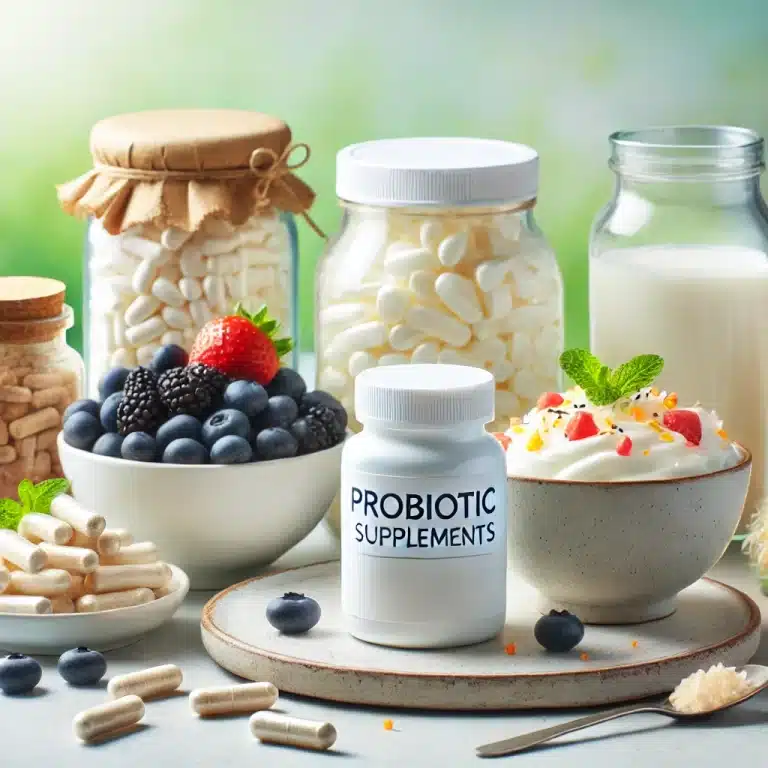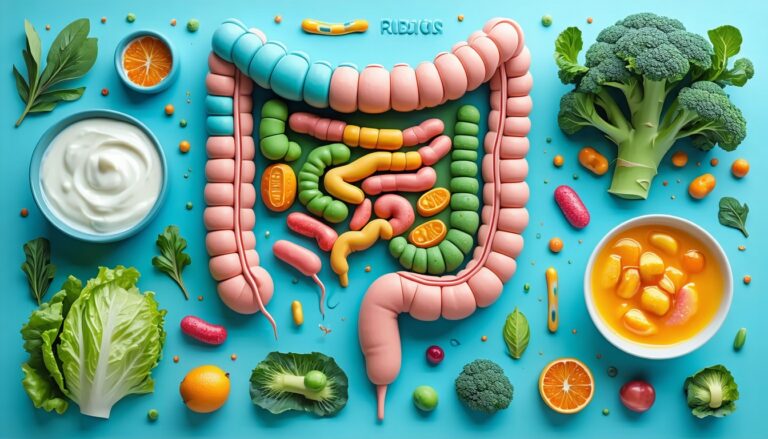
Beneficial bacteria in the gut are the unsung heroes of our overall health, quietly shaping how we digest food, fight off illness, and even manage our mood. These friendly microbes—found in probiotic-rich foods like yogurt, kimchi, and kefir—form the foundation of a healthy gut microbiome. Acting as immune defenders, metabolic regulators, and mood boosters, these microscopic allies help keep your digestive system humming and your body feeling balanced. Whether you’re new to probiotics or looking to deepen your gut health knowledge, understanding how these beneficial bacteria work is a game-changer for long-term wellness.
Understanding Probiotics
Introduction to Probiotics
Let’s talk about probiotics—the tiny heroes living in your belly. These friendly bacteria and yeasts pack quite a punch when it comes to keeping your gut and you feeling good. Think of them as your gut’s bodyguards, fending off the nasty bad guys while making sure your immune system stays in tip-top shape (Cleveland Clinic). When you add more of these helpful critters to your gut squad, you’re doing your body a favor by boosting its overall health.
Sources of Probiotics
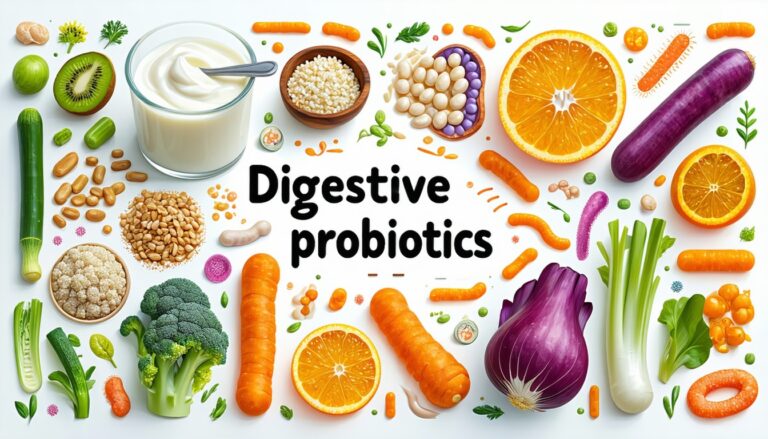
Finding good probiotics isn’t tough; they’re hiding in plain sight in foods and supplements. By adding these must-haves to your diet, you’re making sure your gut gets a good dose of what it needs to stay happy. Check out this lineup of probiotic-packed eats:
| Food Source | What’s in It for You |
|---|---|
| Yogurt | Creamy and swarming with live, gut-loving bacteria. |
| Sauerkraut | Tangy fermented cabbage chock-full of good bugs. |
| Kefir | Smooth, tangy milk drink that’s rich with probiotic goodness. |
| Kimchi | Zesty veggies with a probiotic punch, often made with cabbage. |
| Miso | Savory soybean paste often found floating in soup bowls. |
| Tempeh | Nutty soybean cake, loaded with protein and probiotics. |
| Kombucha | Fizzy tea buzzing with live cultures of yeast and bacteria. |
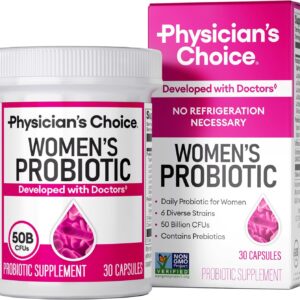
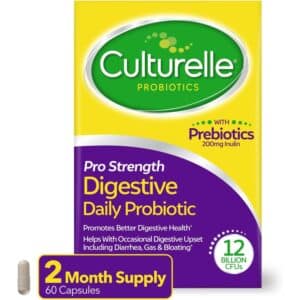
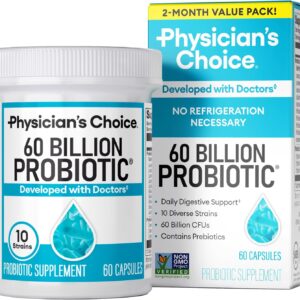
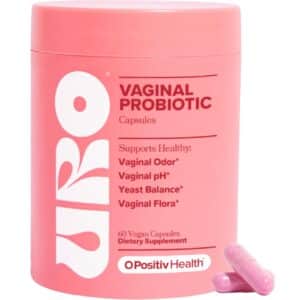
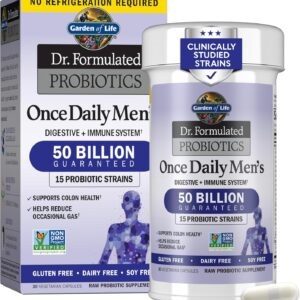
If munching on these isn’t your style, no worries! You can just pop a probiotic supplement for gut health. These handy supplements usually pack a wallop with strains that know precisely how to pamper your digestive system, like digestive probiotics. Whether you’re stirring up that smoothie or reaching for a pill, these powerhouses can keep your gut grooving and your spirits high. Curious about what else these little guys can do? Swing by and check out how probiotics work magic in the belly at probiotics and digestion and probiotics for digestive health.
Benefits of Beneficial Bacteria
Gut Microbiome and Health
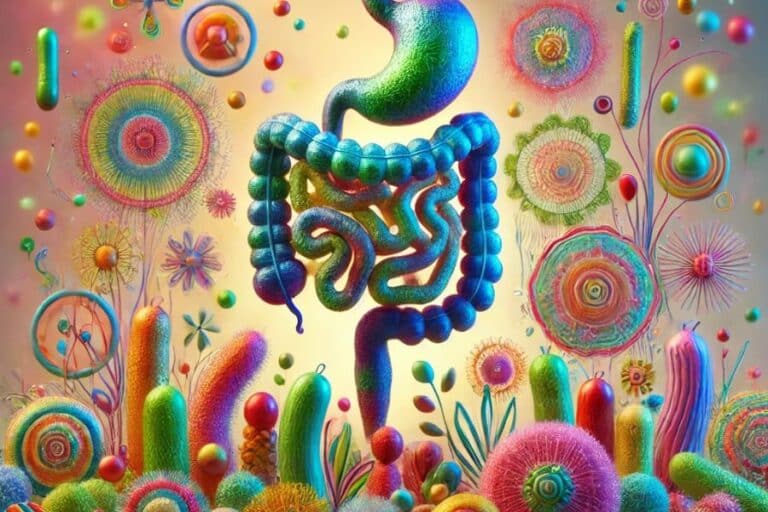
Inside your tummy lives a party of bacteria, viruses, fungi, and microbes. This lively mix, known as your gut microbiome, keeps your immune system sharp and helps kick out bad bugs (Cleveland Clinic). The good bacteria in this mix? They’re the real MVPs, keeping the balance in check to make you feel your best.
Now, when your microbiome is all jazzed up and balanced, you might notice your tummy troubles ease, your immunity gets a boost, and even your mood takes a turn for the better. This is thanks to a cool connection called the gut-brain axis. Probiotics in your foods can help keep this good vibe going strong.
| What Happens in Your Gut | What It Means for You |
|---|---|
| Immune training | Fewer nasty infections |
| Mood and mind | Feeling good and steady |
| Metabolism mojo | Nicer balance of sugar and fat |
Role of Probiotics in Digestion
Probiotics are like your gut’s best buddies—little helpers making sure your digestion does its thing. These live bacteria get in there and mingle with your gut flora to keep everything groovy and can help push back against those peskier bugs causing gut fuss.
If you’re constantly dealing with gas, bloating, or a stomach that just won’t chill out, probiotics may be worth a shot. They’re known to chill those symptoms out and keep things moving smoothly. You can snack on some yogurt or other fermented goodies, or even pick up some probiotic supplements for gut health.
| Digestive Wins with Probiotics | What’s Up |
|---|---|
| Less bloat | Keeping the flora in harmony |
| Staying regular | Smooth sailing ahead |
| Bye-bye constipation | Drops the anchor on blocked pipes |
Throwing a few probiotics into your meals isn’t just about a happy gut, it’s about feeling awesome all over. Keep that gut flora flourishing, and your whole body will thank you.

Impact on Overall Health
Your gut’s little buddies, those probiotics and helpful bacteria, aren’t just hanging out – they’re on a mission to boost your health like unassuming superheroes. Once you get how significant their role is, you might just find yourself picking up new foodie habits or reaching for supplements with an air of wisdom.
Gut-Brain Connection
Ever feel like your gut’s got its own hotline to your brain? It sure does! This “chat” is often referred to as the gut-brain axis. Those gut dwellers produce neurotransmitters like serotonin, the VIP in the mood department. If your gut bacteria go out of whack, you could start feeling down and out. Keeping those gut residents happy might just help lift your spirits and boost your brainpower. Sometimes, it’s all about a happy belly for a happier you (Cleveland Clinic).
| Neurotransmitter | What It Does |
|---|---|
| Serotonin | Keeps your mood, nap times, and hunger in check |
| GABA | Puts the brakes on your nervous system’s busy work |
| Dopamine | Cheers on your pleasure and reward systems |
Immune System Support
Think of your gut as your immune system’s trainer, always in the gym getting stronger. Your gut’s friendly microbes are like bodyguards, showing the immune system how to fend off the bad guys and reducing the possibility of those annoying chronic infections. With probiotics—live and kicking bacteria and yeast—you’re basically hiring extra security to defend against harmful intruders (Cleveland Clinic).
Ever feel invincible to the common cold? Your balanced gut army can be your secret weapon. Want to join forces with them? Maybe check out some probiotics for gut health or probiotic supplements for gut health for a little extra insurance.
Metabolic Effects
Those friendly gut microbes also have a say in how your metabolism ticks. By teaming up with endocrine cells lining your gut, they influence blood sugar, hunger pangs, and even your body’s stubborn fat storage (Cleveland Clinic). Keeping the gut crowd in good spirits might help you keep your weight in check and make digestion smoother than your morning coffee.
| Metabolic Aspect | What It Does For You |
|---|---|
| Blood Sugar Regulation | Keeps insulin levels from running wild |
| Hunger Control | Helps you know when you’ve had enough |
| Fat Storage | Dictates how your body handles fat |
To give your metabolism a friendly nudge, maybe think about adding some digestive probiotics to your day. When your gut’s doing its job right, your body processes food like a well-oiled machine, and who doesn’t want that?
Prebiotics and Gut Health
Introduction to Prebiotics
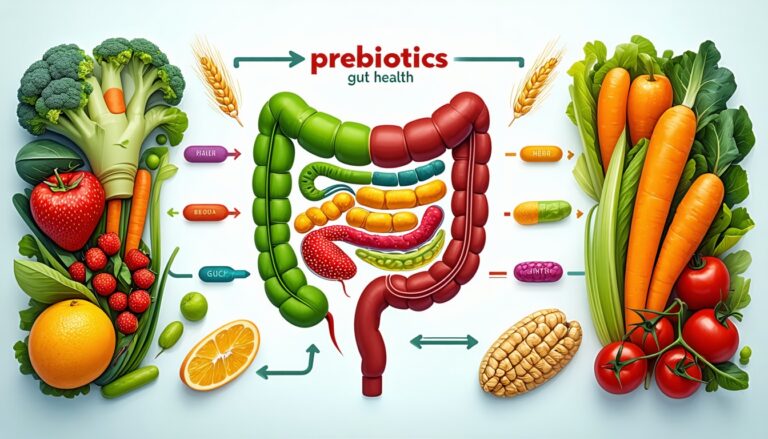
Prebiotics are a kind of fiber that your body skips digesting and instead hands off to the good bacteria living in your gut. They’re like breakfast for these beneficial critters, which thrive and keep the gut’s environment humming nicely (Mayo Clinic). You’ll mostly find prebiotics in foods high in fiber, essentials for keeping your gut’s bacterial community balanced.
Dig into these common prebiotic-packed foods:
| Food | Type of Prebiotic Fiber |
|---|---|
| Apples | Pectin |
| Bananas | Resistant Starch |
| Berries | Inulin |
| Carrots | Pectin |
| Garlic | Inulin |
| Oats | Beta-Glucans |
| Sweet Potatoes | Resistant Starch |
By munching on these eats, you help your gut’s helpful bacteria grow strong. For more ideas on mixing prebiotics into your meals, stop by prebiotics for gut health.
Promoting a Healthy Microbiome
Chowing down on prebiotic-rich foods works wonders for your gut’s microbiome, giving your well-being a nice boost. These fibers are a feast for the good bacteria, helping them to flourish. A happy biome not only balances itself but can also cut down inflammation and potentially ward off some illnesses (Mayo Clinic Health System).
There’s also some cool science showing how prebiotic supplements can kickstart the creation of short-chain fatty acids (SCFAs). These SCFAs are like a personal trainer for your colon cells, capable of easing inflammation and perhaps even lowering colorectal cancer risks.
For an extra tasty time, try blending prebiotic and probiotic foods in recipes. For instance, banana oatmeal pancakes make for a delicious treat that’s just what your gut needs.
To wrap it up, sliding prebiotics into your diet is an easy win for those friendly bacteria in your belly and, by extension, your overall health. Wanna dive deeper? Peek at more goodies about probiotics and gut health.
Considerations and Safety
Side Effects and Safety
When it comes to getting more friendly bacteria in your belly, it’s good to know what you’re up against with probiotics and prebiotics. Thankfully, side effects are the exception rather than the rule. Most folks without any pre-existing conditions can munch on foods with these helpful critters without issues (check out what the Mayo Clinic says about it).
Some might feel a bit of tummy rumbling, like gas or bloating, when they first start. Keeping an eye on how your body acts and tweaking your intake can make a world of difference.
Here’s a snapshot of what to bear in mind:
| Potential Side Effects | Description |
|---|---|
| Tummy Discomfort | You might get some mild gas, bloating, or an upset stomach. |
| Bad Infections | There have been some reports of serious infections, especially in premature babies on probiotics (more on that from Mayo Clinic). |
Consultation with Healthcare Professionals
Before you dive into the world of probiotic or prebiotic supplements, grabbing some advice from a healthcare pro is a wise move. It gives you peace of mind, ensuring these are a good fit for your health groove. This is super important if your immune system acts up or if you’ve got health stuff going on.
Your healthcare buddy can give you pointers on the right picks for your gut goals, whether you’re sorting out IBS or just want to give your stomach a high-five.
If you’re bouncing back from antibiotics or have had infections before, probiotics could help keep those pesky bacteria or yeast infections at bay. Chatting with a pro is solid insurance for snagging the health wins you’re after, minus any sketchy side effects. Curious about leveling up your gut health? Check out our guides on probiotics and digestive health and probiotics for gut health.
Incorporating Probiotics
Adding a little zing to your meals with probiotics is like giving your gut a high-five. There’s a smorgasbord of tasty eats loaded with friendly bacteria that you can blend into your food routine without breaking a sweat.
Food Sources of Probiotics
Stocking your pantry with these probiotic powerhouses can perk up your digestive system. Check out this sweet list of gut-friendly grub:
| Food Item | Probiotic Type | What’s It Like? |
|---|---|---|
| Yogurt | Lactobacillus | Creamy goodness teeming with live microbes. |
| Kefir | Multiple strains | Smooth, drinkable yogurt with extra oomph. |
| Sauerkraut | Lactobacillus | Crunchy, tangy cabbage magic. |
| Miso | Multiple strains | Flavor-packed soybean paste for soup lovers. |
| Kimchi | Lactobacillus | Spicy Korean veggies with a kick. |
| Tempeh | Multiple strains | Solid soybean blocks bursting with flavor. |
| Kombucha | Scoby (yeast & bacteria) | Effervescent tea magic with a tang. |
Load up your plate with these tasty bits regularly, and your tummy will thank you for setting it up right (Healthline).
Recipes to Support Gut Health
Probiotics mingling with your meals? Easy peasy! Here are a couple of tasty-licious recipes to try:
Banana Oatmeal Pancakes
These pancakes are a breeze to whip up and pack a healthy punch. Get ready to flip!
Ingredients:
- 1 cup rolled oats
- 1 ripe banana
- 1/2 cup yogurt (choose your fave)
- 2 eggs
- 1 tsp baking powder
- Cooking oil or butter for frying
How to Make ‘Em:
- Mash that banana until gooey.
- Mix it up with the yogurt and eggs until it’s smooth.
- Toss in the oats and baking powder.
- Heat your pan, add a splash of oil or butter.
- Pour the batter, cook ‘til bubbly on top, then flip and fry until golden.
- Pop ‘em on a plate and drizzle a little honey or syrup if you’re feeling fancy.
This hearty breakfast combo is like giving high-fives to your gut with fiber and friendly bacteria.
Miso Soup
Easy on the prep, max on the taste—get slurping with this Japanese delight:
Ingredients:
- 4 cups water
- 1/4 cup miso paste
- 1/2 cup tofu, cubed
- 1/2 cup chopped green onions
- Optional: seaweed or mushrooms if you dare
Easy Steps:
- Simmer water in a pot.
- Mix in the miso paste ’til it’s melted in.
- Toss in tofu and optional veggies, let it bubble for 5 minutes.
- Sprinkle with green onions before serving.
A bowl of miso soup will cozy you up inside while tickling your taste buds, thanks to its probiotic punch.
Gobbling up these goodies can boost your gut’s happiness and your health’s too. Want more scoop on keeping those gut bugs happy? Check out more about probiotics and gut health.
Final Thoughts
Maintaining a healthy gut is about more than avoiding stomach trouble—it’s about supporting your immune system, mental clarity, metabolism, and energy levels. By nurturing the beneficial bacteria in your gut through probiotic-rich foods, prebiotics, or supplements, you’re investing in full-body wellness. Whether it’s easing digestive discomfort, lifting your mood, or boosting your immune defense, these tiny gut allies play a mighty role. Start small, stay consistent, and talk with a healthcare provider to find the right approach for your needs. Your gut will thank you with better days ahead.
Frequently Asked Questions (FAQ)
What are beneficial bacteria in the gut?
Beneficial bacteria are live microorganisms that support digestion, immune function, and overall health. These microbes live in your digestive tract and are key players in maintaining a balanced gut microbiome.
How do probiotics improve digestive health?
Probiotics help balance the gut flora, reduce bloating and constipation, and enhance nutrient absorption. They also support regular bowel movements and help protect against harmful bacteria.
What foods are high in probiotics?
Fermented foods like yogurt, kefir, sauerkraut, kimchi, miso, tempeh, and kombucha are excellent natural sources of probiotics. They deliver live cultures that help replenish beneficial bacteria in your gut.
What is the difference between probiotics and prebiotics?
Probiotics are live bacteria that benefit your health, while prebiotics are non-digestible fibers that feed those bacteria. Think of probiotics as the seeds and prebiotics as the fertilizer.
Can beneficial gut bacteria affect mental health?
Yes, through the gut-brain axis, gut bacteria influence the production of neurotransmitters like serotonin and GABA, which play key roles in mood regulation, stress response, and even cognitive function.
Are there risks or side effects to taking probiotics?
Most people tolerate probiotics well, but some may experience temporary gas, bloating, or upset stomach. Those with weakened immune systems or serious health conditions should consult a doctor before starting supplements.
How can I naturally support a healthy gut microbiome?
You can support your gut by eating a diet rich in fiber, fermented foods, fruits, and vegetables. Regular physical activity, good sleep, and stress management also help maintain microbial balance.