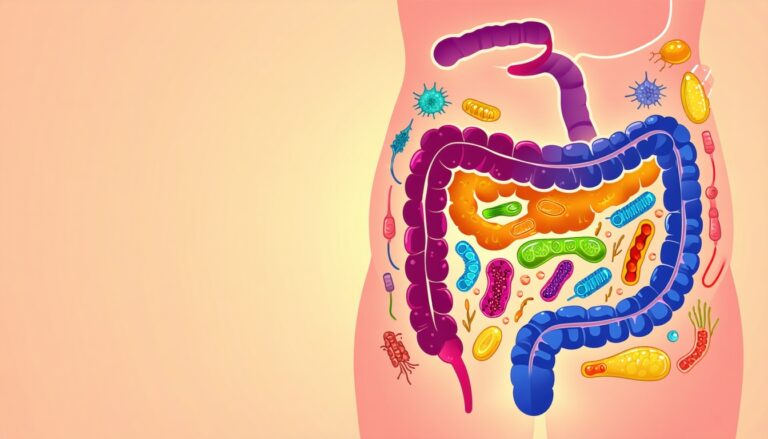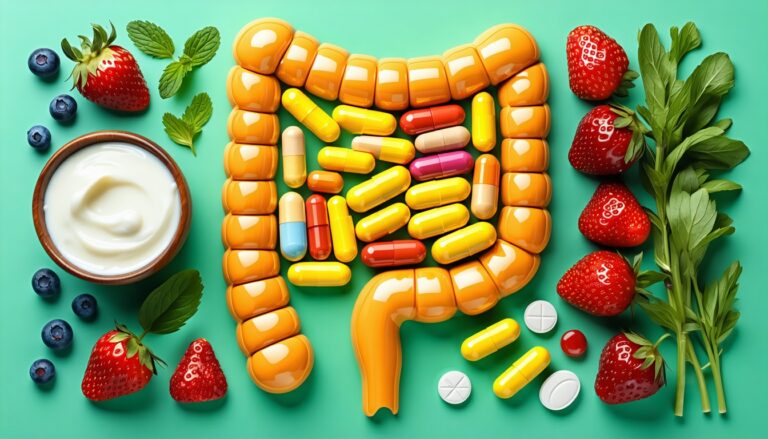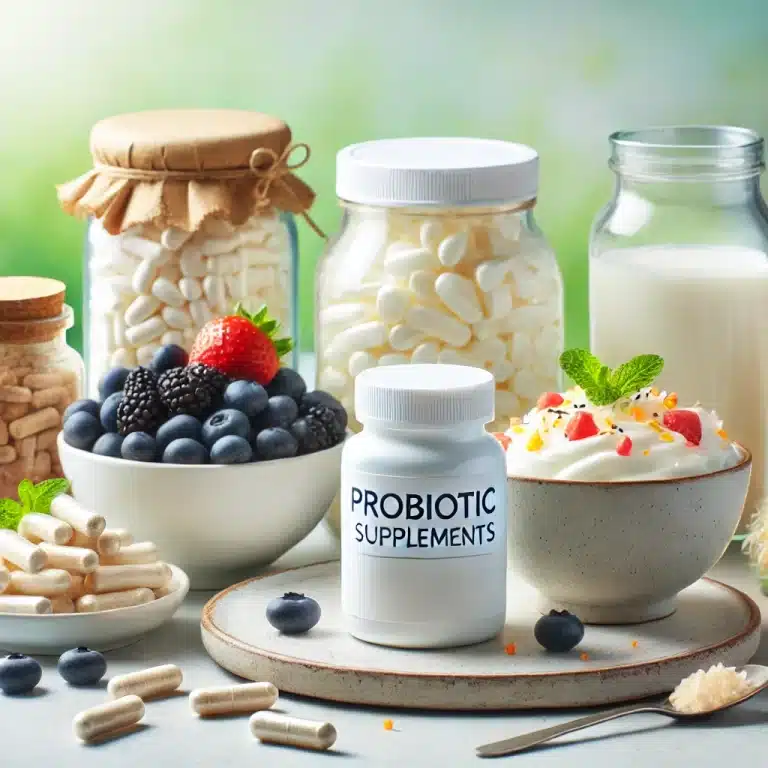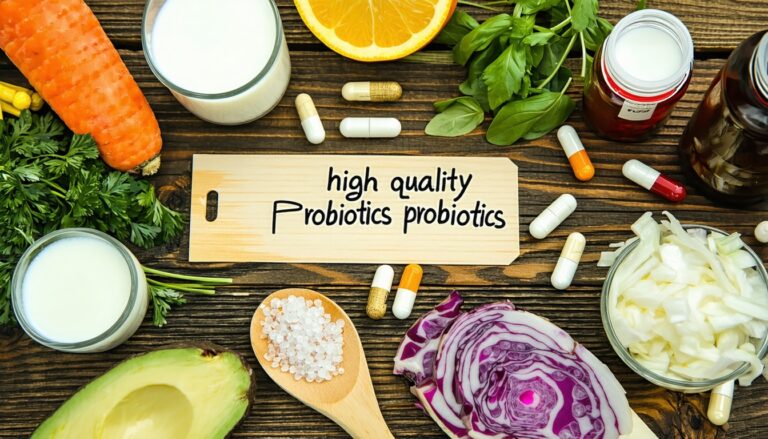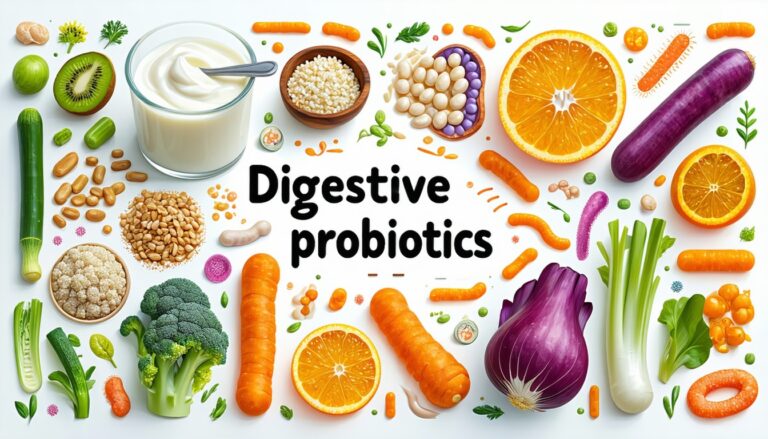
Prebiotics for Gut Health are the foundational fuel your digestive system thrives on. These non-digestible fibers serve as the preferred meal for the good bacteria in your gut, helping to build a balanced and resilient microbiome. Found in everyday foods like garlic, onions, bananas, and oats, prebiotics work behind the scenes to enhance digestion, reduce inflammation, support metabolism, and strengthen your immune system. Pairing prebiotics with probiotics creates a powerful duo that can transform your gut health—and by extension, your overall wellness.
Understanding Prebiotics
Definition and Function
Prebiotics are the unsung heroes of the plant world, offering a feast fit for the “good” gut bacteria. Simply put, they’re plant-based goodies that act like dinner for the bacteria working hard in your belly. Feeding these good guys supports not just your gut, but your overall health too. Now, don’t go thinking that all fibers are prebiotics—only some make the cut. Yet, they’re crucial in helping create a thriving community of gut bacteria, teaming up with their probiotic buddies Children’s Hospital of Philadelphia.
These prebiotics mainly give probiotics, the live superheroes of the gut world, something to munch on. Keeping these live bacteria happy means a well-balanced gut neighborhood, which works wonders for your digestion and immune system Brown Health.
Sources of Prebiotics
Turning your meals into gut-health boosters can be quite yummy and simple. Lots of everyday foods are packed with prebiotic fibers to give your gut a little TLC. Here’s a quick list of great prebiotic-packed bites:
| Food Source | Prebiotic Content (grams per 100g) |
|---|---|
| Chicory root | 65g |
| Jerusalem artichoke | 13g |
| Garlic | 9g |
| Onions | 8g |
| Bananas (unripe) | 0.5g |
| Wheat bran | 13g |
| Asparagus | 2g |
| Leeks | 3g |
| Apples | 2g |
| Barley | 7g |
Mixing these into your diet helps your gut thrive. Adding some probiotics for gut health to the mix can give you a well-rounded approach to digestion happiness. Prebiotics and probiotics together can be your go-to for tackling tummy troubles and keeping everything smooth down there. Remember, a happy gut is a happy you!
Importance of Prebiotics for Gut Health
Role in Gut Microbiome
Think of prebiotics as VIP meals for the good bacteria living in your belly party. By munching on them, you’re basically rolling out the red carpet for these bacteria, ensuring your gut stays in a state of harmony. It’s like promoting peace amongst tiny microbes to keep things cool and healthy. This balance isn’t just for kicks—it’s super important for keeping pesky issues like Crohn’s disease, ulcerative colitis, and irritable bowel syndrome at bay.
When you team up prebiotics with probiotics, it’s like hosting a gala in your gut. Prebiotics provide the snacks while probiotics are the guests enjoying the feast. Together, they rock your digestive world, keeping it in tiptop shape. Hold onto this balance a bit, and you’ll enjoy smoother sailing in the digestion department, along with feeling generally fab.
Impact on Digestive Health
The good vibes of prebiotics extend into your digestive neighborhood. They’re the secret sauce to growing those beneficial bacteria, which in turn boost digestion and keep your bathroom breaks on a regular schedule. So, load up on prebiotic-rich goodies like fruits, veggies, and legumes— Mother Nature’s way of saying, “Skip the pill, pass the asparagus.”
A little cheat sheet for you with prebiotic champs and their perks:
| Prebiotic Food | Benefit |
|---|---|
| Bananas | Keep things moving regularly |
| Garlic | Ramps up the good guys in your gut |
| Onions | Makes nutrient absorption smoother |
| Asparagus | The superhero of gut health |
| Chickpeas | Fiber powerhouse feeding the happy campers |
Add these to your menu, and you’ll be well on your way to a flourishing gut scene, making pesky digestive woes a thing of the past. Curious about how probiotics can throw some extra confetti on your digestive health? Check out our take on probiotics for gut health.
Getting the lowdown on prebiotics means you’re armed and ready to make smarter choices for your health, directly benefiting your belly buddies and, in turn, feeling great inside and out!
Health Benefits of Prebiotics
Prebiotics are like the unsung heroes of gut health, offering perks not just for your gut, but for your overall feels. Adding these to your meal game can help you keep the metabolism humming and the immune defenses ready for action.
Metabolic Health
These tiny plant fibers do some heavy lifting when it comes to keeping your metabolism in check. They take a trip through your body to your colon, where they become a buffet for your gut’s good bacteria. When the bacteria feast, they produce nifty things called short-chain fatty acids that help squash inflammation and keep the digestive juices flowing smoothly (Brown Health).
Key Perks of Prebiotics for Metabolic Health:
| What it Does | How it Helps |
|---|---|
| Short-chain fatty acids | Busts inflammation and gives gut health a helping hand. |
| Better Digestion | Helps you absorb more calcium, so your bones get all the love. |
| Weight Check | Can help with feeling full and managing those pesky pounds. |
| Cholesterol Help | Knocks down cholesterol levels, giving your heart a pat on the back. |
Think of prebiotics and probiotics as the dynamic duo for metabolic awesomeness when they’re in your diet together.
Immune System Backup
Prebiotics have a knack for boosting your immune system, too. With a gut that’s calm and cooperative, your chances of picking up bugs or dealing with allergies go down. A happy gut gets your immune system nodding in agreement, ready to fend off invaders more effectively (Brown Health).
How Prebiotics Play Defense for Your Immune Health:
| What it Does | How it Helps |
|---|---|
| Gut Buddy Booster | Encourages growth of the good guys while keeping bad ones in check. |
| Allergy Avert | Research hints at keeping allergies at bay through a healthy gut. |
| Keeping Diseases at Arms’ Length | Helps lower risks for conditions like Crohn’s disease. |
Start weaving prebiotics into your daily eats for a gut and an overall you that feels fantastic. Curious about how they pair up with probiotics? Take a peek at our article on prebiotics vs. probiotics for some enlightening details on how this gut wellness tag team works its magic.

Jazz Up Your Diet with Prebiotics
Getting prebiotics in your diet is like giving your gut a high-five! They’re available in foods that are not only good for you but also tasty.
Tasty Prebiotic Bites
The top sources for prebiotics are wholesome and diverse. Check out these yummy options:
| Food | Type of Prebiotic | Suggested Serving |
|---|---|---|
| Garlic | Inulin | One clove |
| Onions | Inulin | A medium onion |
| Leeks | Inulin | A medium leek |
| Asparagus | Inulin | A cup cooked |
| Bananas | Fructooligosaccharides | One banana |
| Barley | Beta-glucans | A cup cooked |
| Apples | Pectin | A medium apple |
| Chicory root | Inulin | About an ounce (28 grams) |
Toss these into your snacks and meals to naturally up your prebiotic game. Munching on a range of veggies, fruits, and legumes can deliver more goodness than supplements (Brown Health).
Keep in Mind
Check out these tips while you’re upping your prebiotic intake:
- Mix It Up: Go for a mix of prebiotic foods. This keeps your gut party well-rounded and avoids tummy troubles.
- Easy Does It: New to high-fiber goodies? Take it slow. Let your gut ease into things to dodge any discomfort.
- Drink Up: Sipping lots of water? Good move! It helps you handle fiber better and enjoy those prebiotic perks.
- Get Friendly with Probiotics: Pair your prebiotics with probiotics like yogurt, kefir, and pickled veggies. This combo helps your tummy’s bacteria buddies flourish (probiotics and gut health).
Stick to these tips to weave prebiotics into your diet naturally, keeping your digestion on point. Check out our other articles on digestive probiotics and probiotic supplements for gut health for more insights.
Prebiotics vs. Probiotics
Knowing what sets prebiotics and probiotics apart can really boost your gut game. These guys both play huge parts in keeping your digestion on point, but they do it in their own unique ways.
Key Differences
| Feature | Prebiotics | Probiotics |
|---|---|---|
| What’s Inside? | Non-digestible munchies that feed your gut’s good guys | Live tiny critters that keep your tummy happy |
| What They Do | Feed the good bugs in your belly | Put more good bugs in your system |
| Where to Find | In fibery stuff like veggies, fruits, and grains | In tangy foods like yogurt, pickles, and some pills |
| What’s the Deal? | Boost the number and mood of good belly bugs | Keep your gut army strong and steady |
Prebiotics are a kind of fiber your bod can’t break down. Instead, they fuel the good bacteria you want hanging out in your gut. Load up on veggies, fruits, and grains to get your fix. On the flipside, probiotics are the live bugs and yeast that beef up your gut squad, bringing balance to the microbial madness. Want the full scoop on probiotics? Check out our take on probiotics for gut health.
Synergistic Relationship
These two gut buddies are like the power couple of digestive health. Prebiotics are the snacks, and probiotics are the guests at the party. Toss both into your diet, and you’ll see those good bacteria thriving like never before.
Scientists are onto something—rocking both prebiotics and probiotics in your meals can crank your gut’s health to the max. Together, they help calm your gut and get it humming like a well-oiled machine. If you need tricks on adding these into your chow, peek at our section about prebiotic-rich foods. Plus, nailed it with probiotic supplements for gut health.
Overall, mixing both prebiotics and probiotics into your meals means your gut can do its job better, giving your whole body’s well-being a thumbs up.
Safety and Considerations
Before diving headfirst into the world of prebiotics, it’s smart to keep a few safety tips in your back pocket to ensure everything runs smoothly.
Prebiotic Intake Recommendations
To squeeze the most out of prebiotics for your gut, shoot for 25 to 38 grams of fiber each day. It’s like giving your gut a high-five. Here’s a cheat sheet of go-to prebiotic-packed goodies:
| Food Source | Prebiotic Fiber Content (grams per serving) |
|---|---|
| Garlic | 1.0 |
| Onions | 1.0 |
| Leeks | 0.8 |
| Asparagus | 1.6 |
| Bananas | 1.3 |
| Barley | 3.5 |
| Oats | 2.0 |
| Apples | 0.7 |
| Beans | 6.0 |
| Whole Grains | Varies |
Mix and match these in your daily chow lineup. It’s like crafting a playlist of hits for your tummy to keep it happy, while sneaking in a few other healthy bonuses (Harvard Health Publishing).
Potential Side Effects
Munching on prebiotics is usually a-okay, but occasionally your belly might throw a little tantrum—think gas, bloating, or a free ticket to frequent bathroom visits. Fear not, as these tweaks are common while your system gets used to the extra fiber load. If you hit any speed bumps, go easy and slowly ramp up your prebiotic intake (Verywell Health).
Having a chat with your doc before jumping on the prebiotic bandwagon is wise, especially if you’ve got a tricky medical history. The supplements aren’t heavily patrolled by the FDA, so proceed with caution. Sensitive folks, such as those in tiny human form, might find these capsules a bit much (Mayo Clinic).
Stick with real food sources for your prebiotic fix. They’re trustworthy friends that’ll boost your gut without causing a fuss. Got questions on prebiotics vs. probiotics? Check out the scoop in our article on prebiotics vs. probiotics.
Final Thoughts
Adding prebiotics to your daily diet is one of the simplest yet most effective ways to support a thriving gut ecosystem. These powerful plant fibers nurture your beneficial bacteria, paving the way for improved digestion, better immunity, balanced metabolism, and even enhanced mood. Whether you’re loading up on prebiotic-rich foods or pairing them with probiotics for maximum effect, consistency is key. Start gradually, stay hydrated, and aim for variety. By prioritizing your gut health with prebiotics, you’re investing in long-term well-being from the inside out.
Frequently Asked Questions (FAQ)
What are prebiotics and how do they help the gut?
Prebiotics are a type of non-digestible fiber that feed the beneficial bacteria in your gut. They help maintain a balanced microbiome, which improves digestion, supports immunity, and reduces inflammation.
What foods are high in prebiotics?
Foods like garlic, onions, bananas (especially unripe), leeks, asparagus, oats, barley, apples, and chicory root are rich in prebiotic fibers. These can easily be added to meals to naturally support gut health.
How are prebiotics different from probiotics?
Prebiotics are fibers that feed the good bacteria already in your gut, while probiotics are live bacteria that you consume to increase the beneficial population in your microbiome. Both work together to support gut health.
Can prebiotics improve digestion?
Yes, prebiotics promote regular bowel movements, reduce bloating, and enhance nutrient absorption. They help build a more resilient and efficient digestive system by feeding beneficial gut microbes.
Do prebiotics help with weight management?
Prebiotics may help with weight control by increasing feelings of fullness, regulating blood sugar, and influencing fat storage through the production of short-chain fatty acids.
Are there any side effects of taking prebiotics?
Some people may experience gas, bloating, or stomach discomfort when first increasing their fiber intake. Starting slow and drinking plenty of water can help minimize these effects.
Should I take prebiotic supplements or get them from food?
While supplements are available, it’s generally better to get prebiotics from whole food sources, which provide additional nutrients and are more easily tolerated by the body.