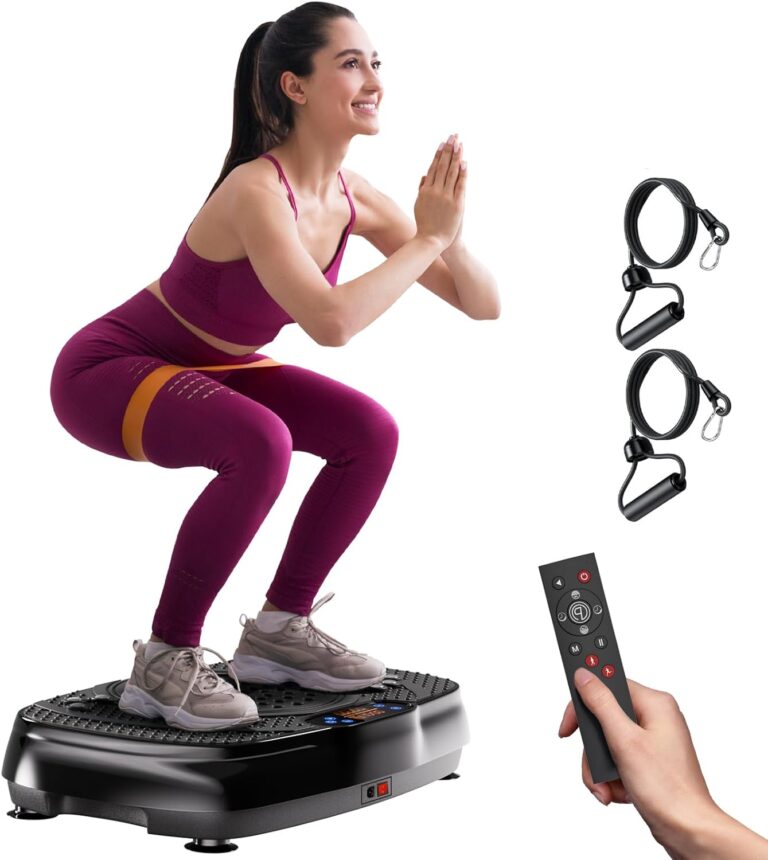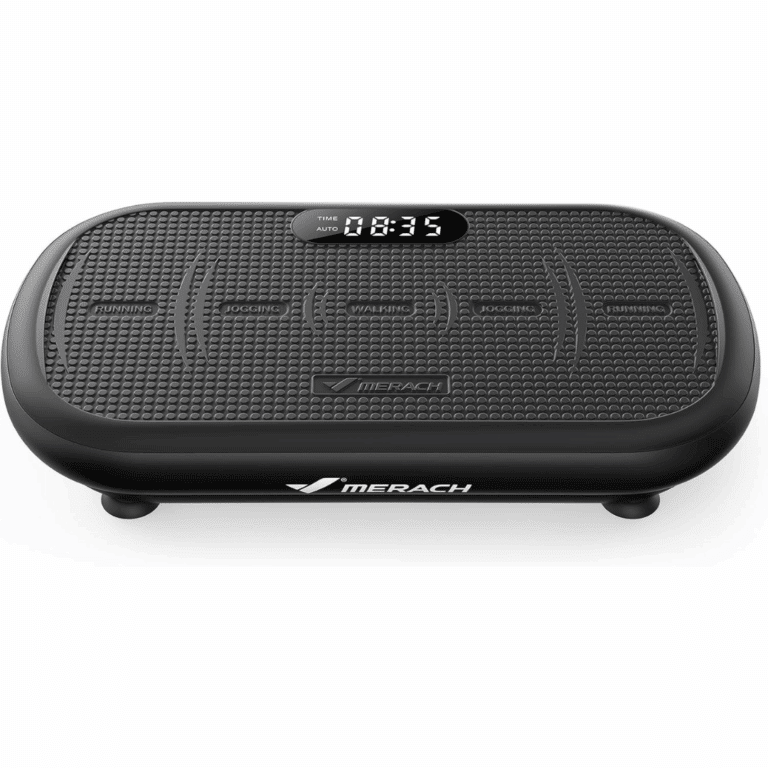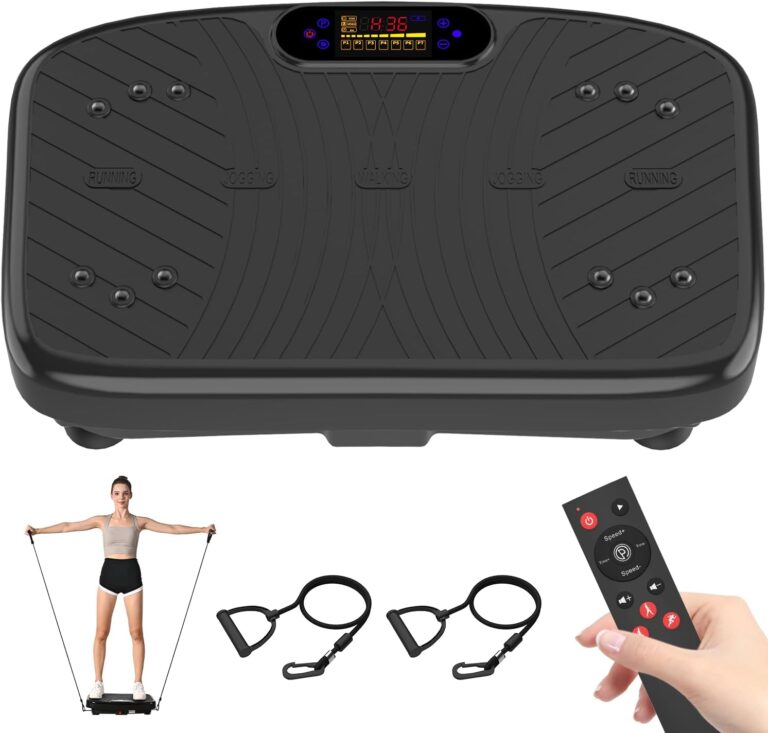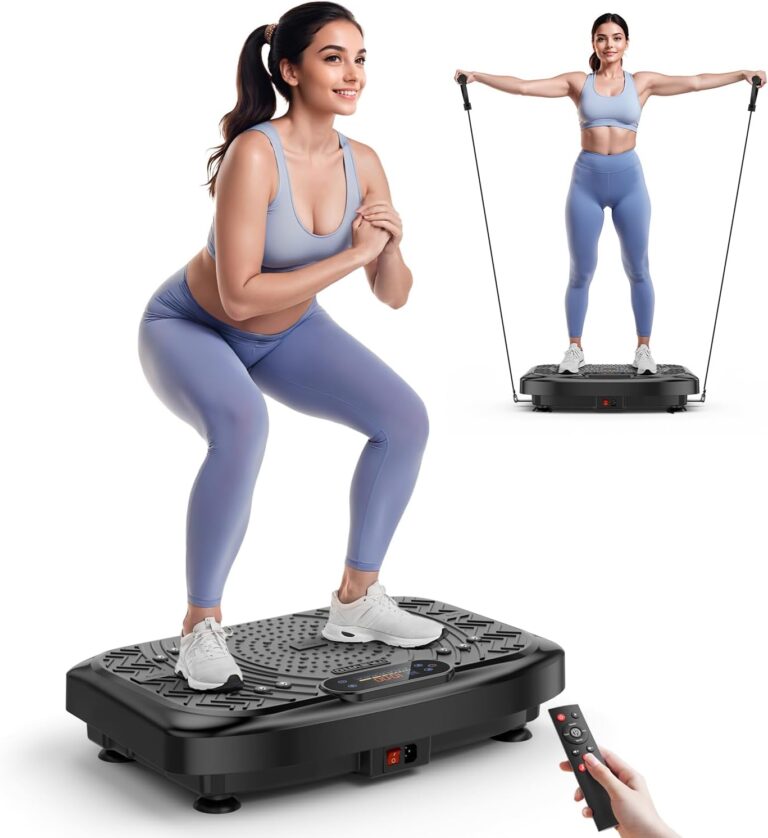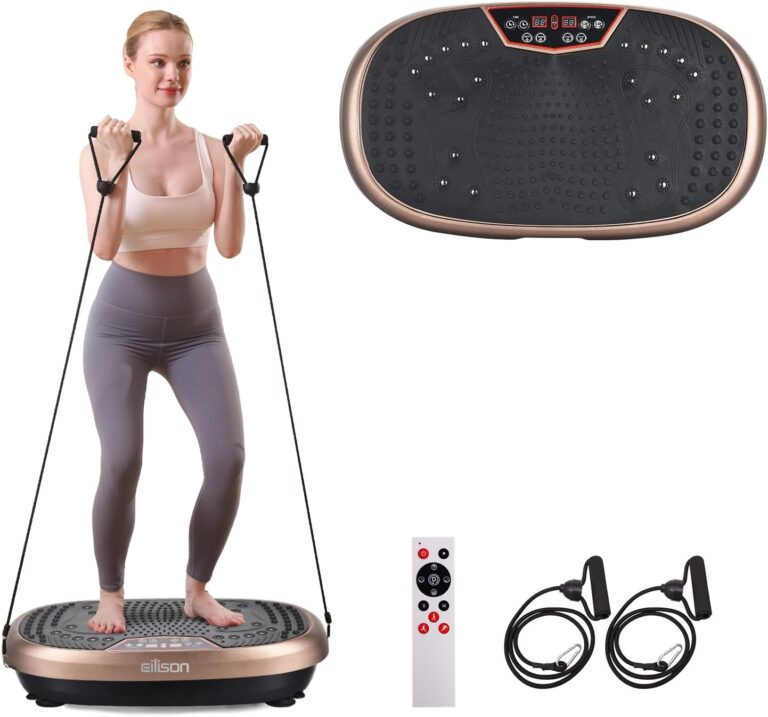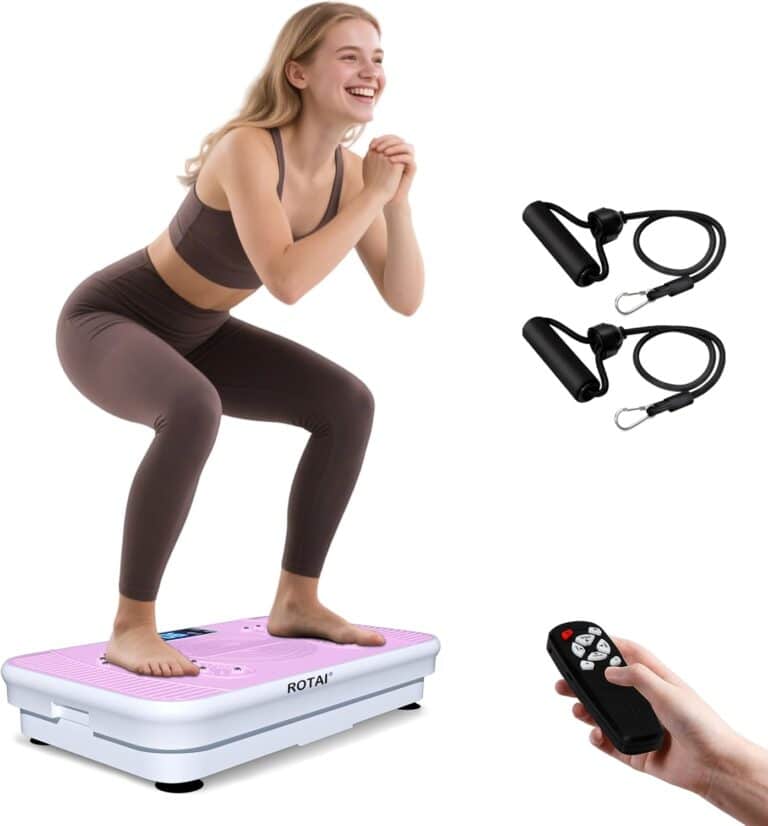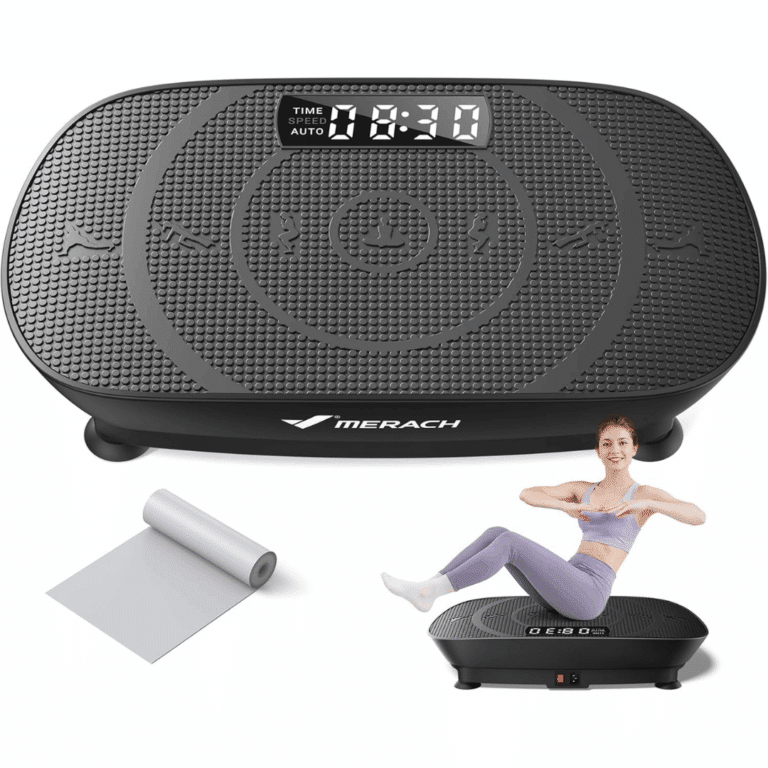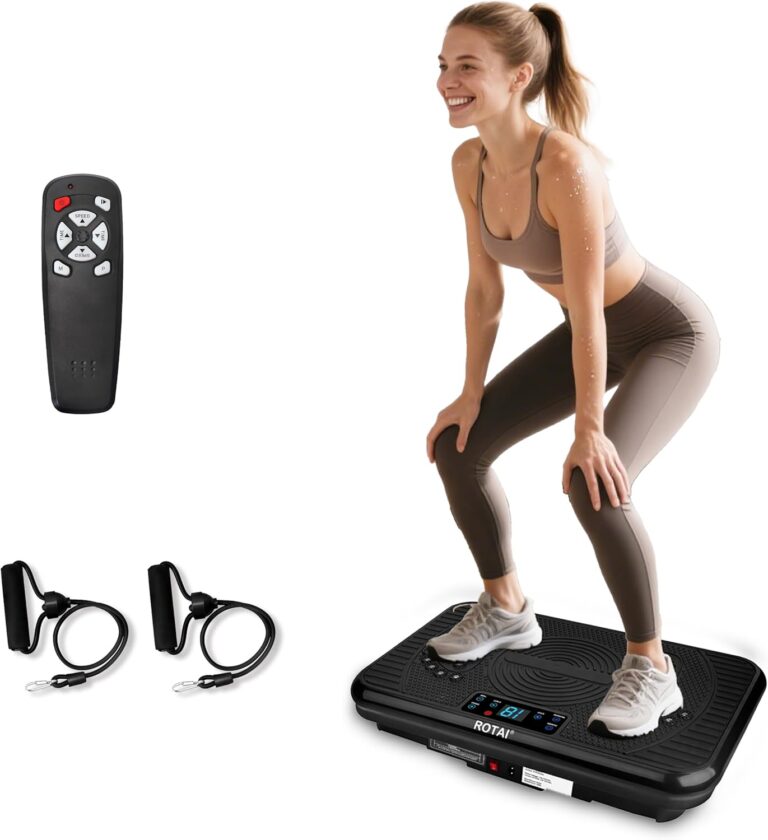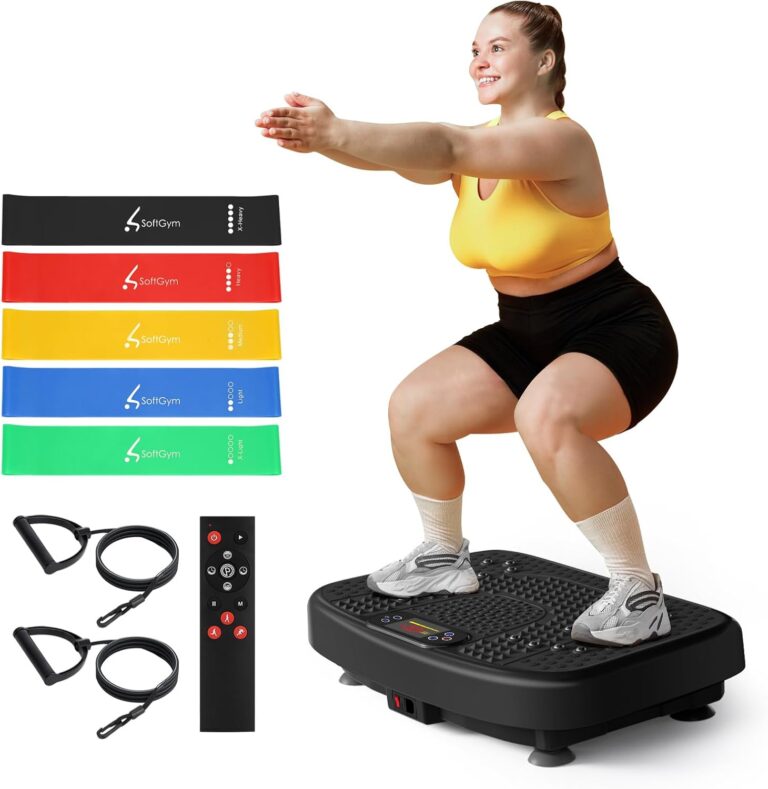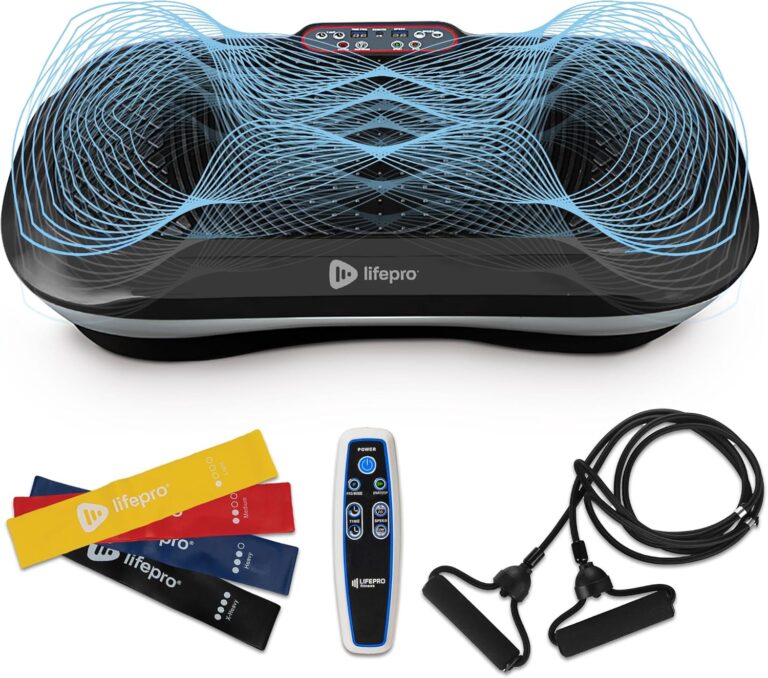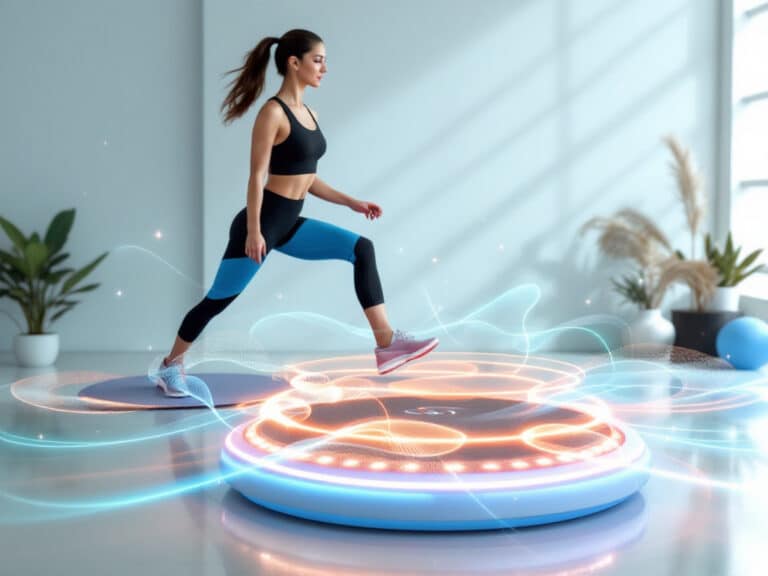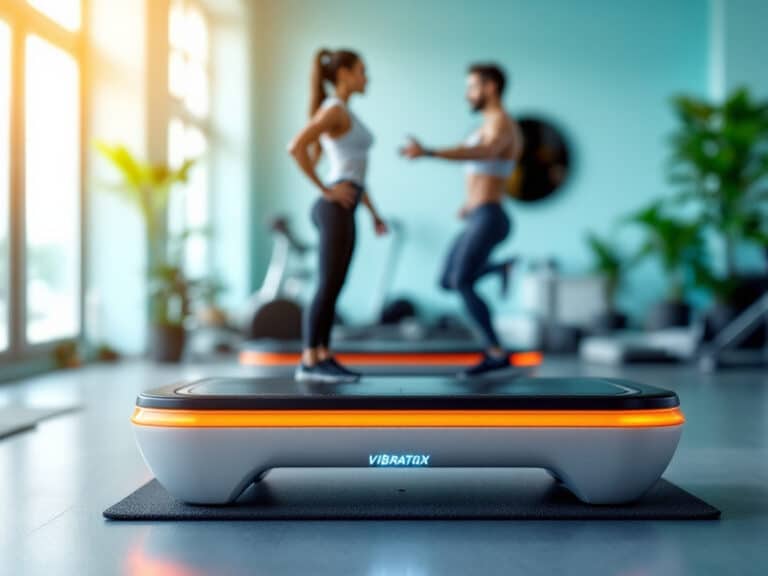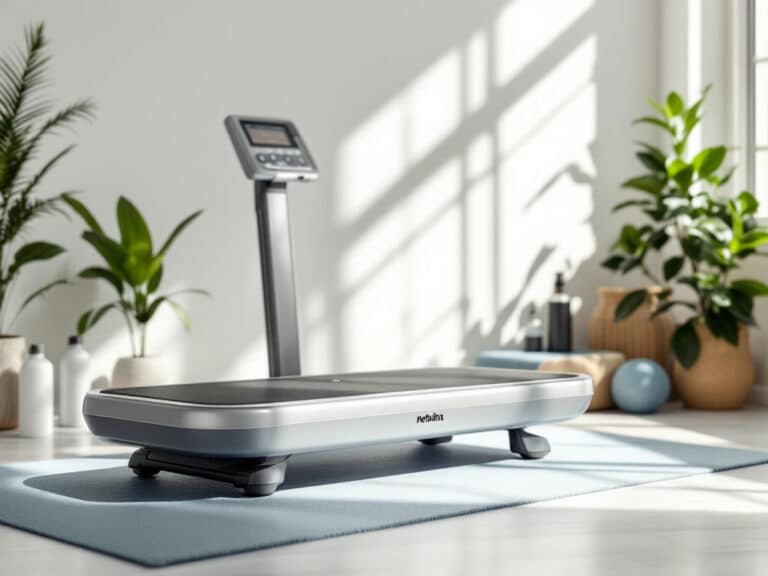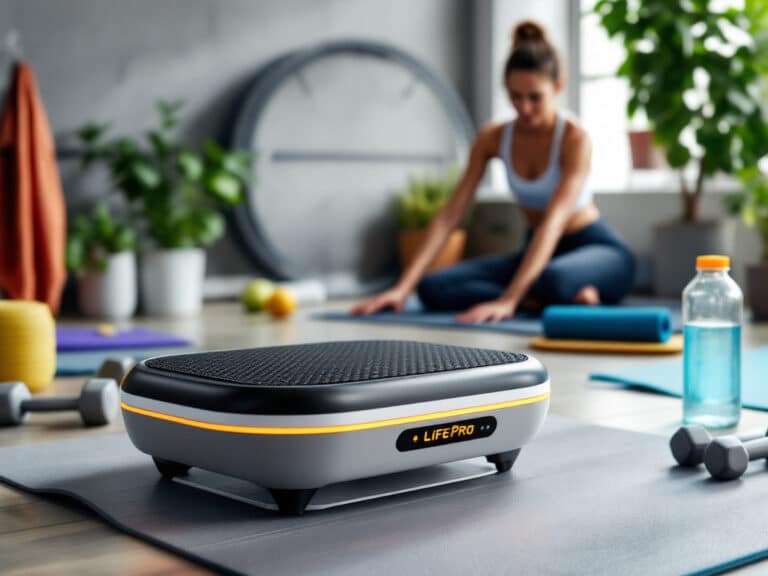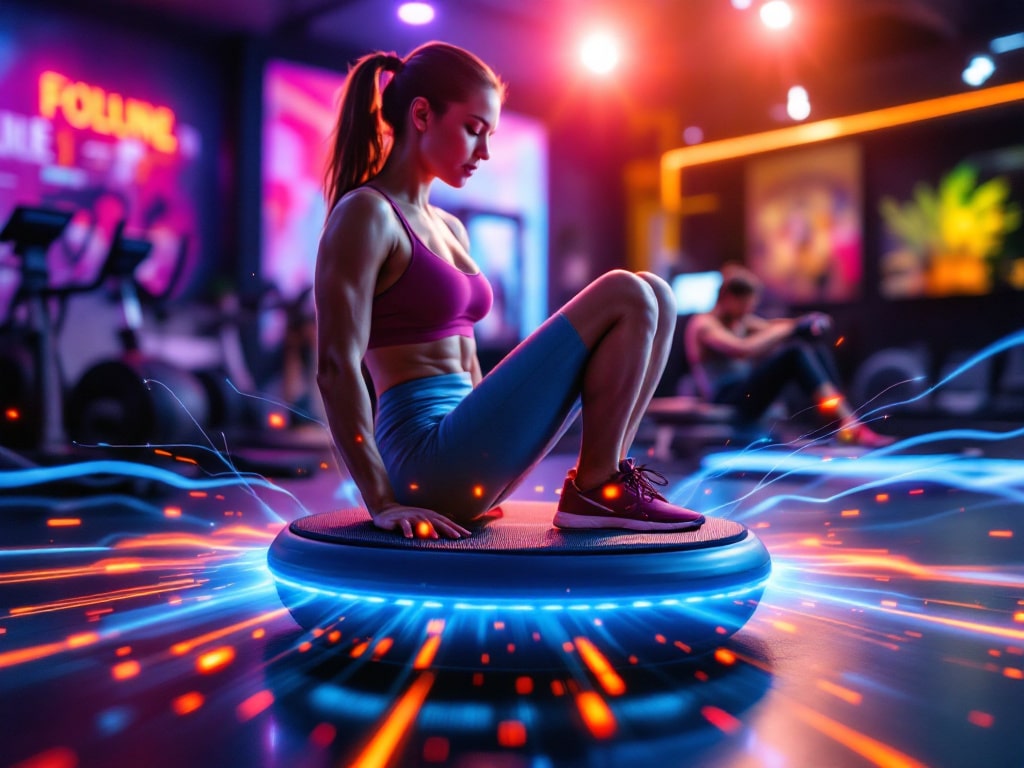
Let’s be honest, the term “vibration plate exercise” might sound a bit futuristic at first. But if you’re looking for a way to invigorate your workout routine, you’re in the right place. This type of training involves standing or performing movements on a platform that vibrates at high frequency. Those vibrations challenge your muscles and balance in a unique way that can help you tone up, improve core strength, and even boost circulation. Ready to find out how it all works? Let’s dive in.
Understand vibration plate exercise
Vibration plate exercise means doing simple or more advanced routines on a vibrating platform. You might do a basic squat, a plank, or even small stretches on it. Thanks to the machine’s oscillations, your body has to adjust more frequently, firing up muscle fibers and stabilizers that don’t normally work as hard on a stable floor.
How the platform works
A vibration plate transmits vibrations through your feet (if you’re standing) or through other contact points (if you’re seated or lying down). These vibrations are typically subtle but rapid. Your brain quickly signals your muscles to contract to maintain balance. This repetitive contraction, done several times per second, may help strengthen muscles in less time compared to standard exercises on a non-moving surface.
Why even try it
If you’ve ever done a regular plank on the floor, you know it can be tough to stay still. Now imagine adding gentle vibrations that constantly nudge you off-balance. It adds a new layer of challenge, which can promote better overall muscle engagement. You aren’t just relying on your core, arms, or legs alone, but a network of supportive muscles that step in to stabilize you.
Experience the key benefits
It’s not just about looking toned. A vibration plate can deliver several extra perks to your fitness routine. While individual results can vary, many people find it a handy piece of equipment for multiple reasons.
Tone and strengthen muscles
One of the big draws is how vibration plate exercise can help with muscle toning. Your body constantly adjusts to the vibrating surface, which encourages more muscle fibers to activate. In other words, these subtle movements may improve muscle definition over time, especially if you combine them with bodyweight exercises like lunges or push-ups on the plate.
Support balance and stability
Balance isn’t just for gymnasts or dancers. Everyday activities, from climbing the stairs to carrying groceries, require a steady center of gravity. Regular sessions on a vibration plate can encourage better stability by prompting your legs, core, and back muscles to collaborate more effectively. After a while, you might notice a difference in how confidently you walk or hold yourself during day-to-day activities.
Boost circulation and joint mobility
Standing on a vibrating surface can create a pleasant tingling sensation, which some people associate with improved circulation. While more research may be needed for definitive proof, it’s possible that the gentle shaking helps get your blood flowing, giving your muscles and joints a bit more nourishment. This effect can feel especially nice for stiff joints, though make sure to consult a healthcare professional if you have any underlying conditions.
Contribute to weight management
A vibration plate is not a magic weight-loss device, but it can be one piece of the weight-management puzzle. By engaging more muscle fibers, you burn extra calories during and after your workout. Combine these sessions with a balanced diet, some cardio, and good old-fashioned consistency, and you may enhance your overall fitness results.
Explore how to use a vibration plate
We all know the first time you step onto a new machine can feel a little intimidating, so let’s break it down. You can perform many of your favorite bodyweight moves right on the platform. The key is to start with simple exercises and gradually increase intensity.
Start with basics
For your first few sessions, get used to standing on the plate with your feet about hip-width apart. Keep your knees slightly bent so they can act as shock absorbers, and engage your core to stabilize your torso. After a minute or two, step off, give yourself a moment to notice how your body feels, and then step back on for another round.
Progress to bodyweight exercises
Once you feel comfortable, add moves like squats and lunges. The idea is to stick to lower reps in the beginning, because the vibrating platform will fatigue your muscles more quickly than a stable floor. Do a few slow squats, focusing on form. Keep your weight in your heels, chest lifted, and knees tracking over your toes. Remember, small changes in positioning can make a big difference in how your body responds.
Adjust frequency and duration
Many machines allow you to adjust the vibration speed. It’s smart to start on a lower speed setting and gradually work up. You might do 30-second intervals of squats, then rest. Over time, you could extend each exercise to 45 or 60 seconds, or increase the vibration speed slightly. Pay attention to how your body reacts. Feeling the burn? That’s normal—just don’t push yourself to the point of pain.
Follow safety measures
Just like any new fitness routine, vibration training comes with a few guidelines to keep you safe and comfortable. After all, you want to boost your health, not create setbacks.
Check for underlying conditions
If you have a pre-existing health condition, including joint problems or balance difficulties, it’s a good idea to consult your doctor or physical therapist before hopping on a vibration plate. It’s always good to double-check that this type of training fits within your personal plan.
Focus on posture and alignment
Slouching or allowing your knees to collapse inward only increases your injury risk. Keep your chest open, shoulders drawn back, and knees in line with your toes. If at any point you feel unsteady, place a hand on a stable surface like a chair or the wall. That stability can help you find your footing until you’re comfortable on your own.
Incorporate a full-body routine
You can actually do a surprising variety of exercises on a vibration plate. Let’s map out a possible session that works multiple muscle groups. Feel free to adjust reps or timing based on your fitness level.
| Exercise | Duration/ Reps | Tips |
|---|---|---|
| Simple stance | 30 seconds | Knees slightly bent, core tight |
| Squats | 8-10 reps | Lower slowly, push through heels |
| Alternating lunges | 8 reps (each leg) | Step carefully to maintain balance |
| Plank on forearms | 20-30 seconds | Keep back straight, engage abs |
| Push-ups | 8-10 reps | Place hands wide, lower with control |
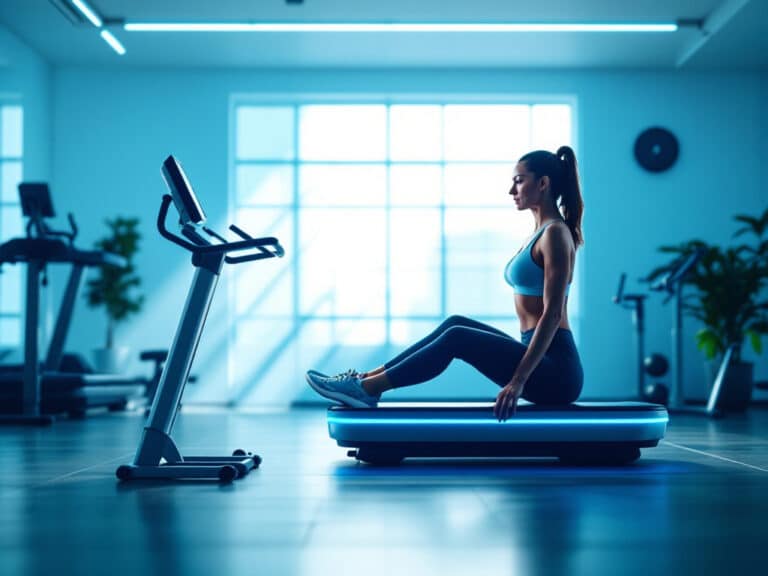
| Seated core twist | 8 reps (each side) | Sit on plate, lean back slightly |
Try completing two or three circuits of the above plan. If you’re brand new to fitness, one circuit might be plenty. As you build stamina, you could add more sets, increase vibration speed, or extend the duration of each exercise.
Set realistic goals
Think of the vibration plate as a tool in your overall wellness toolkit, rather than a cure-all. If your goal is to tone up your legs or strengthen your core, track progress by how stable you feel or by changes in muscle definition. If you’re keen on building endurance, note how much longer you can stay on the platform before feeling tired. Give yourself small milestones, like adding one extra rep or holding a plank five seconds more, to keep motivation high.
Troubleshoot common issues
It’s easy to wonder if you’re doing everything right, especially when the platform shakes beneath you. Here are some quick fixes for typical concerns.
Plateaus in progress
It’s normal to hit a plateau when you do the same routine repeatedly. If you find you’re not seeing improvements in strength or tone, tweak your routine. Increase the vibration speed slightly, try new exercises, or add a small weight like a dumbbell or resistance band. These small changes can amount to big differences in muscle engagement.
Managing gulping or dizziness
Part of the challenge is that all those vibrations may sometimes make you feel a little off. If you experience dizziness, pause and step off immediately. Take a few deep breaths, sip some water, and let your body settle down. You could also try a lower speed to reduce the intensity of the shaking. Over time, many users adjust and don’t notice this effect as much.
Adjusting your stance
If you feel like the vibration is too intense for your legs or joints, reduce the bend in your knees. Standing with slightly bent legs is typically recommended, but if it’s too strenuous, straighten up a bit and let your body adapt. Remember, you control the experience—don’t let the machine dictate an uncomfortable position. And if you’re ever uncertain, talk with a fitness professional who has experience with vibration platforms.
Maintain consistency and progress
Like most fitness activities, the best results from vibration plate exercise come from staying consistent and gradually pushing your limits. Aim for two to three sessions a week at first, with rest days in between. On off-days, you can try light cardio or gentle stretching to keep your body active without overdoing it.
Balance with other workouts
A well-rounded exercise routine might include walking, swimming, or even yoga. Vibration training can be an excellent complement to these activities. The added benefit is that you might not need long sessions—sometimes 15 minutes can be enough, especially for beginners—but mix it up with other forms of movement for general health.
Track your progress
Keep a simple fitness journal or use a favorite app to monitor your routine, vibration settings, and how you felt afterward. Jot down your weekly improvements or note any difficulties you encountered so you can address them promptly. This tracking step might seem small, but seeing your progress on paper (or on-screen) is often the inspiration you need to keep at it.
Wrap it up
Vibration plate exercise can bring some fun variety to your usual workout routine while also giving your muscles a serious challenge. By nudging them in quick, repetitive bursts, you recruit more muscle fibers than you might during a typical floor-based exercise. Over time, that might translate into a stronger, more balanced, and nicely toned body. Whether you’re hoping to amplify your strength workouts or simply sneaker up your day-to-day movement, the platform could fit right in.
With the right approach, you can get your heart pumping, engage your entire body, and steadily build essential core stability. So, if you’ve been looking for something new to invigorate your workouts, why not give vibration plate exercise a shot? Start small, listen to your body, and watch your strength and confidence grow. As always, if you have questions or an interesting experience to share, feel free to leave a comment. You’ve got this. Enjoy exploring the vibrations, and have fun on your fitness journey!