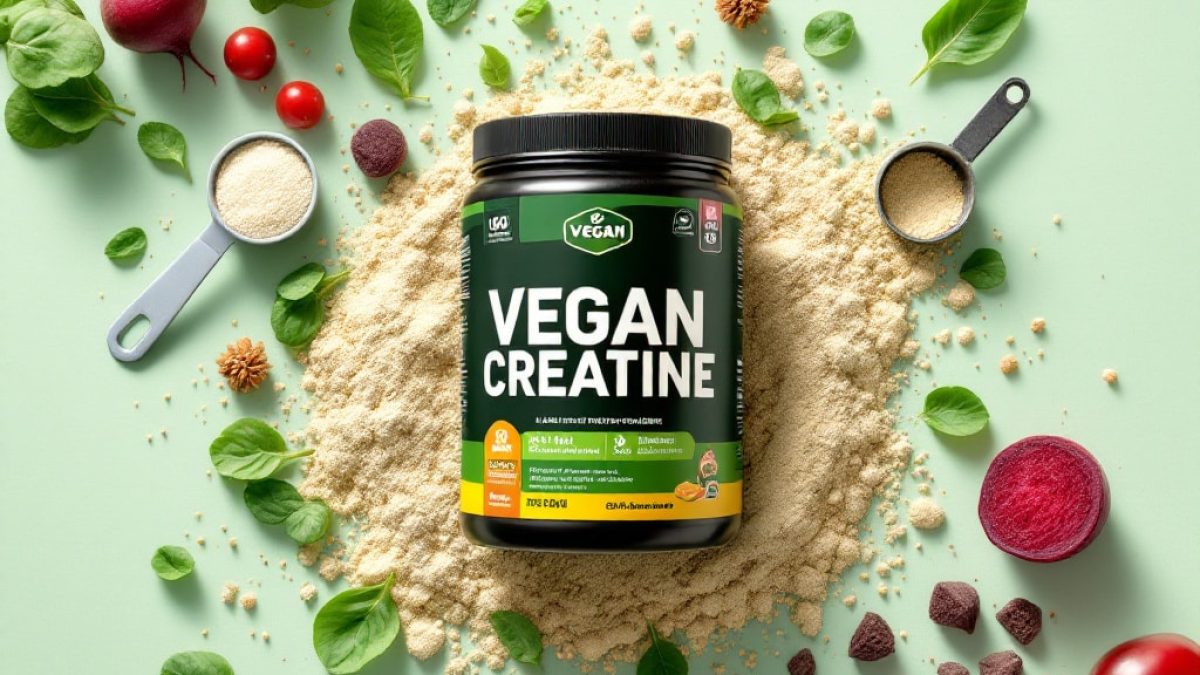
Ever wondered if there’s a version of creatine that supports your exercise goals without conflicting with a plant-based lifestyle? Good news: vegan creatine exists, and it can be a game changer for your strength, energy levels, and overall wellness. The concept is simple—creatine is a well-researched compound that helps fuel your muscles during short, intense bursts of activity. By the end of this post, you’ll know how it works, why it matters for plant-based eaters, and how to choose the right supplement to power your workouts.
Start with the basics
Creatine is a naturally occurring substance in your body, made mainly from three amino acids: glycine, arginine, and methionine. You can produce some of it on your own, and you can also get creatine from food. However, animal-based products (like meat and fish) contain most of the dietary creatine you’ll find in nature. That can leave you at a disadvantage if you rely on strictly plant-based meals.
According to Healthline, creatine supports the production of adenosine triphosphate (ATP) in your muscles. ATP is the energy currency that fuels every cell in your body, especially during intense, short-term activities such as sprinting or weightlifting (Healthline). When your body uses up ATP, creatine helps regenerate it, so you can sustain high-intensity effort just a little bit longer than normal.
How synthetic creatine is made
You might wonder how a supplement that’s traditionally linked with red meat could be suitable for a plant-based diet. The key is synthesis. Modern supplements often use a lab-created process involving sarcosine and cyanamide, which are combined in a reactor to form creatine monohydrate crystals. This approach doesn’t rely on animal extraction, making the supplement safe if you follow a vegan lifestyle. As outlined by MaxiNutrition, these synthesized crystals undergo a milling process to create a fine powder that mixes well with water or shakes (MaxiNutrition).
Common creatine forms
Over the years, different types of creatine have hit the market, but creatine monohydrate remains the most studied. A narrative review in Nutrients notes that creatine monohydrate consistently shows positive impacts on performance, brain function, and muscle recovery in a variety of populations, including women and people who avoid animal products (Nutrients). While other forms (like creatine ethyl ester or buffered creatine) pop up occasionally, they generally don’t outperform the monohydrate version.
Quick comparison table
Below is a simple look at traditional, animal-based creatine and the synthetic version you can use on a vegan diet. Both deliver the core nutrient your muscles crave, but the source is what sets them apart.
| Factor | Animal-sourced creatine | Synthetic creatine (vegan-friendly) |
|---|---|---|
| Primary food source | Meat, fish | Lab synthesis (sarcosine + cyanamide) |
| Suitable for vegans? | No | Yes |
| Research support | Extensive | Equally extensive |
| Environmental impact | Generally higher | Typically lower |
| Purity and safety | Highly variable per brand | Generally consistent with reputable brands |
As you can see, synthetic forms negate the need for animal products. They also give you a more consistent supply, because the manufacturing process can be carefully controlled, reducing contaminants or variations.
Understand how creatine works
It helps to know why creatine is such a go-to supplement in fitness circles. In short, when you engage in high-intensity exercise—think a heavy squat set or an all-out sprint—your muscles tap into ATP stores. ATP breaks down to release energy, leaving behind ADP (adenosine diphosphate). Creatine’s job is to help regenerate ATP quickly by donating a phosphate group to ADP, allowing you to keep pushing a bit longer.
Why it matters for performance
Imagine you’re in the gym, cranking out reps. Without sufficient creatine stores, your muscles can’t recycle ATP as fast, and you’ll tire sooner. With extra creatine in your system, you can squeeze out a couple more reps or maintain your top speed for a little longer. Those small differences add up—improved training sessions lead to greater gains in strength and muscle mass over time.
Research compiled by Healthline suggests that creatine supplementation can lead to significant increases in muscle mass and strength, even for advanced athletes. It also highlights potential cognitive benefits, including possible improvements in brain function (Healthline).
The science behind the “burst”
Regardless of your diet, your creatine reserves get a workout whenever you’re performing short, intense movements. A large reserve of phosphocreatine (stored creatine plus phosphate) acts as a backup battery. Once you deplete your everyday ATP, you dip into phosphocreatine to continue fueling muscle contractions. This process extends your ability to sustain peak power for a few extra seconds. For short, explosive actions—such as lifting a heavy weight or sprinting through a track finish line—those extra seconds are pure gold.
Explore benefits for vegans
If you follow a plant-based diet, you typically consume little to no dietary creatine, because plant foods don’t contain it. According to a PubMed study, vegans and vegetarians often have lower baseline creatine levels in their muscles. As a result, a creatine supplement can noticeably boost both physical and cognitive performance (PubMed).
Filling the creatine gap
Think of your muscle creatine stores like a reservoir. With no intake from meat or fish, that reservoir starts at a lower level. When you supplement, your muscles soak up the nutrient like a sponge, sometimes leading to a more pronounced effect compared to omnivores. It’s a phenomenon some researchers call “super compensation,” and it reflects the idea that lower baseline levels can lead to big improvements once creatine becomes available.
In a review published in PMC, vegetarians supplemented with creatine saw increases in lean tissue mass, muscle strength, and endurance, often exceeding the levels found in non-vegetarians (PMC). This uptick can improve how you feel day to day, not just in the gym. More muscle mass tends to translate to better metabolism and functional strength for everyday tasks.
Potential cognitive perks
Your brain also uses ATP, which makes sense when you consider how much energy the mind demands—even while you’re resting. Some studies suggest that increasing your creatine intake can benefit short-term memory and possibly intelligence, especially if you start with low creatine levels. The same PMC review noted improvements in memory and intelligence in participants who added creatine to their vegetarian diet. While more research is needed to cement these findings, it’s exciting to see signs of potential cognitive support from a simple supplement.
Know how to pick a supplement
Selecting a creatine product can be overwhelming. You’ll find flashy marketing terms on labels, but the actual differences often come down to purity, manufacturing methods, and brand reputation.
Check manufacturing details
If the package says “100% creatine monohydrate,” that’s usually a good start. You also want to look for transparency about the production process. Reputable brands will mention that they use lab-tested or pharmaceutical-grade quality control. Since you’re skipping animal sources, make sure the label states explicitly that it’s suitable for your vegan lifestyle. Many companies now place a “vegan-friendly” badge right on the tub. If you’re unsure, you can reach out to the manufacturer to confirm.
Most creatine monohydrate supplements, as noted by Alyssa Fontaine, are produced synthetically using sarcosine and cyanamide (Alyssa Fontaine). Plants produce sarcosine in small amounts, while cyanamide is also derived from non-animal sources. Combined under the right conditions, these ingredients form the crystals that are milled into a fine powder.
Loading vs. maintenance phases
When you start using creatine, you may see talk about a “loading” phase—taking about 20 grams per day (split into four doses) for around one week. This practice rapidly saturates your muscles with creatine. After loading, you shift to a “maintenance” phase of around 3 to 5 grams per day to keep levels high. Though the loading phase isn’t mandatory, it can help you notice benefits sooner.
- Loading phase: 20–25 g/day for about 7 days (usually 4–5 servings of 5 g each)
- Maintenance phase: 3–5 g/day
A slower approach—just 3 to 5 grams daily from the start—will eventually top off your creatine stores too, but it might take a few extra weeks. Both strategies work, so go with whichever fits your lifestyle. If you experience mild stomach discomfort during loading, you can simply reduce the daily dose and extend the timeline.
Pay attention to extras
Companies sometimes blend creatine with other ingredients like carbs, protein, amino acids, or vitamins. The idea behind adding carbs is to trigger insulin release, which can help shuttle creatine into muscle cells more effectively. While that might be convenient, always ensure these extra ingredients align with your preferences. If you’re following a strict plant-based diet, confirm that no hidden animal products or questionable additives slip into the mix.
Add creatine to your daily routine
Once you have your supplement in hand, the next step is figuring out how to use it effectively. Consistency is crucial. Your muscles need a regular supply to maintain elevated creatine levels, so skipping days too frequently can undercut your progress.
When to take it
You can take creatine before or after your workout, and some scientists suggest that post-workout might yield slightly better results for lean mass gains. However, the differences are typically small. The best time is simply the time you’ll remember. If mixing creatine into a post-workout shake is part of your routine, do that. If taking it with your morning coffee helps you stay consistent, that’s fine too.
Some evidence indicates that combining creatine with protein and carbohydrates enhances uptake in your muscles. If you already have a plant-based protein shake after a training session, stirring in your daily dose of creatine is an easy way to cover your bases.
Combining with other nutrients
Your body makes creatine using amino acids, so a diet rich in protein can help it build a foundation even before supplementation. For a strictly plant-based eater, foods like legumes, nuts, seeds, and whole grains contain the amino acids glycine, arginine, and methionine. This doesn’t supply creatine directly, but it helps your body produce a small amount on its own. By adding a creatine supplement, you ensure you’re not missing out on any performance or recovery perks.
Staying hydrated
Creatine can pull water into your muscle cells, supporting volume and growth. This is great for muscle function, but you might find you need a bit more water than usual. If you don’t take in enough fluids, you could feel slightly dehydrated. Make sure you’re sipping water throughout the day, especially if you’re ramping up your training sessions and adding creatine to the mix.
Consider broader health benefits
While most people link creatine to athletic performance, it can also play a role in overall health. Researchers have explored creatine’s potential benefits for various clinical populations, including those with neuromuscular diseases, aging-related muscle loss, and even fatigue syndromes. According to a PubMed article, supplementation can support neuroprotection in conditions like Parkinson’s and Huntington’s (PubMed). Of course, if you have specific health concerns, it’s always wise to talk to a healthcare professional before adopting any new supplement routine.
Beyond the gym
You don’t have to be a hardcore athlete to use creatine. Maybe you just want to handle everyday tasks with more energy. Creatine can support that, too. Whether it’s climbing a flight of stairs, playing with your kids, or loading groceries into the car, having more muscle energy can reduce fatigue and make these tasks feel easier. While the most dramatic effects are seen in high-intensity exercise, the “reserve battery” effect of extra creatine may still give you a subtle advantage in daily life.
Potential side effects
For most people, creatine is safe when taken at recommended doses. You may see slight weight gain from extra water in your muscles, which can be a good thing if you’re trying to build strength. Occasional mild stomach upset can happen, but it often goes away if you split your dose or lower it. As with any supplement, choose brands that undergo third-party testing, and follow the serving suggestions on the label.
Remember these key takeaways
Putting all the pieces together, here’s what you need to keep in mind as you decide whether a vegan-friendly creatine supplement is right for you:
- You’re likely starting with low creatine levels if you don’t eat animal products, so supplementation steps in to fill the gap.
- Synthetic creatine is made from non-animal sources, which means it’s suitable for strict vegan diets.
- Creatine helps recycle ATP, the primary energy molecule in your muscles, giving you an edge in short, intense bouts of activity.
- Loading protocols can rapidly raise your muscle creatine stores, but a lower daily dose works if you prefer a slower, steadier approach.
- Look for labels stating “vegan-friendly” or “suitable for vegans,” and investigate brand testing methods to ensure quality and purity.
- Pairing creatine with carbs and protein may enhance its uptake, so consider mixing it into your usual shake or meal.
In the end, you don’t have to sacrifice strength or athletic performance when switching to a plant-based lifestyle. Your body still craves that extra edge in energy production, and lab-made creatine can deliver it without straying from your values. Take it consistently, stay hydrated, and watch as your workouts and daily tasks feel more powered up than ever. If you’re ready to explore that extra burst of energy, there’s never been a better time to give a vegan creatine supplement a try.