The quest for weight loss often leads people to search for quick fixes, with fat burners being a popular choice. Fat burners are supplements that claim to accelerate fat loss, boost metabolism, and curb appetite. The appeal of losing weight without rigorous exercise or dieting has driven millions to these products, but the question remains: how do fat burners work, and are they effective? To understand this, it’s essential to delve into the science behind these supplements, explore common ingredients, and weigh their benefits and risks.
The Role of Fat Burners
Fat burners are typically marketed to increase the body’s metabolism, enhance fat breakdown, and suppress appetite. They come in various forms, from pills to powders, and contain a mix of natural and synthetic ingredients. However, despite their popularity, the science supporting the effectiveness of fat burners is often limited and inconsistent.
Let’s explore the primary mechanisms through which fat burners are claimed to work:
- Thermogenesis: This process involves heat production in the body, which is an essential part of metabolism. Fat burners often claim to increase thermogenesis, leading to higher calorie expenditure even at rest. The idea is that the body burns more calories as it generates heat. While this is theoretically sound, the increase in calorie burn is typically minimal and not enough to cause significant weight loss by itself.
- Lipolysis: This is the breakdown of fat stored in the body. The goal of many fat burners is to promote lipolysis, encouraging the body to use stored fat as a source of energy. This process usually happens during periods of low carbohydrate intake or intense exercise. While fat burners may contain ingredients that support lipolysis, the body’s natural preference for glucose as an energy source often limits the amount of fat that is burned.
- Appetite Suppression: Many fat burners contain appetite suppressants that aim to reduce food intake by making you feel full or decreasing hunger signals. Appetite is controlled by complex hormonal signals, including ghrelin, which increases hunger, and leptin, which signals fullness. By manipulating these hormones, fat burners try to curb food cravings. However, suppressing appetite can lead to nutritional deficiencies if it results in inadequate nutrient intake.

Common Ingredients in Fat Burners and Their Functions
Fat burners contain a variety of ingredients, some natural and others synthetic, with each aiming to promote fat loss through different mechanisms. Let’s take a closer look at some of the most common ingredients and their proposed effects:
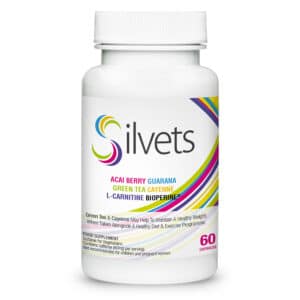
- Caffeine: One of the most well-known and widely used fat burner ingredients is caffeine. Caffeine is a stimulant that can increase energy levels, promote fat breakdown, and slightly boost metabolic rate. Some studies suggest that caffeine can enhance fat burning, particularly during exercise. However, tolerance to caffeine can develop quickly, reducing its effectiveness over time.
- Green Tea Extract: Green tea extract contains both caffeine and antioxidants like epigallocatechin gallate (EGCG), which may help boost metabolism. Some research suggests that green tea extract can promote fat oxidation and thermogenesis, though the effects are modest at best.
- L-Carnitine: This amino acid is thought to help transport fatty acids into cells to be used for energy. While L-carnitine is often marketed as a fat-burning supplement, studies have shown mixed results regarding its effectiveness. In some cases, it may offer benefits for fat loss, but the overall impact is generally considered minimal.
- Conjugated Linoleic Acid (CLA): CLA is a type of fatty acid that is claimed to reduce body fat and improve body composition. Some studies have shown that CLA can result in modest fat loss, but others have found no significant effects. Moreover, there are concerns about CLA’s potential to increase inflammation and insulin resistance.
- Fiber: Some fat burners contain fiber supplements, which can help promote feelings of fullness and reduce overall calorie intake. Soluble fiber, in particular, slows digestion and may reduce hunger hormones like ghrelin, aiding in weight loss.
- Medium-Chain Triglycerides (MCTs): These fats, often derived from coconut oil, are more readily used by the body for energy rather than stored as fat. MCTs have gained popularity in the ketogenic diet community due to their potential to support fat metabolism and energy levels. While MCTs may help with weight management, their effects are often temporary and depend on the overall diet.
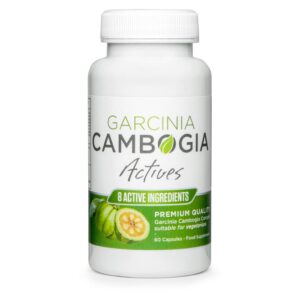
- Garcinia Cambogia: This tropical fruit extract contains hydroxycitric acid (HCA), which is thought to block the enzyme that the body uses to make fat. While some studies have suggested that Garcinia cambogia can lead to modest weight loss, others have found no significant effects. The evidence supporting its use as a fat burner remains inconclusive.
- Yohimbine: Derived from the bark of an African tree, yohimbine is believed to enhance fat breakdown, especially in stubborn areas like the thighs and abdomen. However, the research on yohimbine’s effectiveness is mixed, and its potential side effects, such as increased heart rate and anxiety, raise concerns about its safety.

Risks and Side Effects of Fat Burners
While fat burners are widely available and often marketed as safe, they are not without risks. Many fat burner products contain long lists of ingredients, some of which may interact with medications or exacerbate health conditions like high blood pressure, heart disease, or diabetes. The U.S. Food and Drug Administration (FDA) regulates dietary supplements, but unlike drugs, supplements do not require pre-market approval. This means that fat burners can hit the market without rigorous testing for safety and efficacy.
Some of the risks associated with fat burners include:
- Heart Issues: Ingredients like ephedra (now banned by the FDA) and yohimbine have been linked to an increased risk of heart problems, including high blood pressure, palpitations, and heart attacks. Caffeine, while generally safe in moderate doses, can also pose a risk for those with heart conditions.
- Digestive Problems: Fat burners that block fat absorption, such as orlistat, can lead to unpleasant digestive side effects like diarrhea, bloating, and stomach cramps. Similarly, fiber supplements may cause gastrointestinal discomfort if not taken with enough water.
- Psychological Effects: Stimulants like caffeine and yohimbine can affect mood and anxiety levels. High doses of caffeine, in particular, can lead to jitteriness, insomnia, and even panic attacks.
- Unknown Long-Term Effects: Since many fat burner supplements have not undergone long-term testing, their effects on overall health remain uncertain. The potential for interactions with medications or worsening of chronic health conditions is also a concern.

Are Fat Burners Worth It?
Given the potential risks and the lack of strong evidence supporting their effectiveness, fat burners should not be relied upon as a primary method of weight loss. While some ingredients may offer slight benefits in terms of fat oxidation and metabolism, the results are often modest and short-lived.
The most effective and sustainable way to lose weight remains a combination of a healthy diet and regular exercise. Focusing on whole foods, regular physical activity, and lifestyle changes will yield more reliable and long-term results than taking a pill or supplement.
Final Thoughts
Fat burners are often marketed as a quick and easy solution for weight loss, but the reality is far more complex. While some ingredients like caffeine and green tea extract may offer slight benefits, the majority of fat burners are not supported by strong scientific evidence. Furthermore, many fat burners carry risks, particularly for individuals with underlying health conditions.
For those seeking to lose weight, focusing on a balanced diet, exercise, and healthy lifestyle habits will always be the best approach. Supplements can play a minor role in supporting these efforts, but they should never replace the foundational aspects of weight loss and overall health.
References
- International Sports Sciences Association (ISSA). (2020, April 1). Fat burners: What science says about effectiveness and safety. ISSA. https://www.issaonline.com/blog/post/fat-burners
- WebMD. (n.d.). What are fat burner supplements? WebMD. https://www.webmd.com/what-are-fat-burner-supplements
- Cleveland Clinic. (2022, June 28). Do fat burners work? Cleveland Clinic Health Essentials. https://health.clevelandclinic.org/do-fat-burners-work
- PhD Nutrition. (n.d.). Fat burners 101. PhD Nutrition. https://www.phd.com/perform-smart/fat-burners-101/