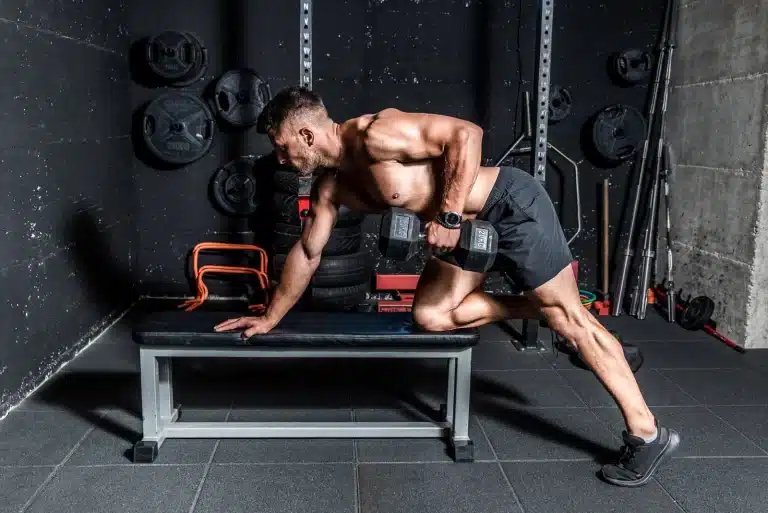
Many people measure strength by how much weight they can lift. But true strength begins from within—at your core. Power isn’t just about heavy lifting or impressive numbers; it’s about stability, control, and awareness of how your body moves. Every athlete, from beginners to advanced lifters, benefits from mastering their core because it connects every motion the body performs—whether you’re lifting, running, or simply maintaining good posture.
What Real Strength Means
There’s a common misconception in fitness that strength is defined by maximum load or muscle size. However, without a stable and functional core, even heavy lifters risk injury and inefficiency.
The core isn’t limited to visible abs; it includes deep muscles like the transverse abdominis, obliques, multifidus, and the muscles supporting the spine. These muscles stabilize the pelvis, control movement, and allow efficient transfer of force from the upper to lower body. Training them properly develops strength that lasts beyond the gym—helping with balance, posture, and daily functional movements.
Starting with Bird Dogs
One effective core-building movement is the bird dog, a deceptively simple yet powerful exercise that tests control and balance.
In this move, you start on all fours, extending one arm and the opposite leg simultaneously. The goal is to maintain a stable torso while resisting any sway in your hips or shoulders. This challenges both the core and coordination.
Bird dogs strengthen the erector spinae, glutes, and abdominal muscles while improving proprioception—your body’s ability to sense its position in space. When performed slowly and with intention, each rep forces deep engagement and alignment. The movement emphasizes stability over speed, teaching your body to stay strong even in motion.
Building Awareness with Dead Bugs
Another essential core exercise is the dead bug. This movement requires lying flat on your back with arms extended upward and knees bent at 90 degrees. You then lower the opposite arm and leg while keeping your back pressed into the floor. The goal is precision and control, not speed.
Dead bugs train the deep core muscles to resist spinal extension. This is critical for preventing lower back pain and improving stability during daily activities. By maintaining contact with the ground, you reinforce how to properly engage the muscles that protect your spine.
What sets this exercise apart is its emphasis on body awareness. Rather than counting reps, the focus is on understanding how your muscles engage and how your body reacts to subtle shifts. This mindful approach boosts the effectiveness of your core training and accelerates progress over time.
Sharpening Focus and Mind-Muscle Connection
Core training is not just physical—it’s mental. Distractions, whether from discomfort or wandering thoughts, can weaken your form. Concentrating on each contraction improves coordination and strengthens the connection between your brain and muscles.
This mental discipline extends beyond the gym. Core work teaches patience, consistency, and focus—qualities that benefit many areas of life. A strong core supports not only your physical body but also your ability to face challenges with intention and resilience.
Adding Resistance: Weighted Back Extensions
An often overlooked but critical movement is the weighted back extension, which targets the lower back and posterior chain.
This exercise emphasizes the importance of including the muscles you can’t see. The lower back plays a vital role in posture and injury prevention. Weighted back extensions strengthen the spinal erectors and glutes, creating a more balanced and comprehensive core.
Proper execution means hinging at the hips and lifting in a slow, controlled motion until your body forms a straight line—no swinging or jerking. This develops strength and endurance throughout the midsection and supports better movement in all kinds of physical activity.
Why Stability Comes Before Power
A key principle in effective core training is this: build stability first. Many people rush into advanced exercises—like sit-ups or leg raises—before mastering foundational movements. This often leads to poor form, muscle imbalances, or even injury.
When the core is strong and stable, it enhances every athletic pursuit. You can lift heavier, move faster, and protect your joints. This foundation ensures your progress is both sustainable and safe.
The Hidden Power of Control
One recurring theme in core training is control. Whether it’s bird dogs, dead bugs, or back extensions, rushing through reps diminishes their benefit. Core development thrives on slow, deliberate engagement. This activates smaller stabilizing muscles, sharpens coordination, and builds lasting strength.
Control also improves your understanding of body mechanics. Learning how your core supports your spine during different movements helps prevent injuries and enhances performance in other exercises like squats, deadlifts, and push-ups.
Bringing It All Together
True strength isn’t just in lifting heavy—it’s in moving with purpose, staying focused, and mastering the basics. Exercises like the bird dog, dead bug, and weighted back extension form a core-strengthening trio that builds endurance, balance, and control.
By consistently practicing these movements with intention, you reshape not only how your body moves—but how you define strength itself. Your core is the anchor of every motion, and when trained properly, it makes each step, lift, and action stronger and safer.