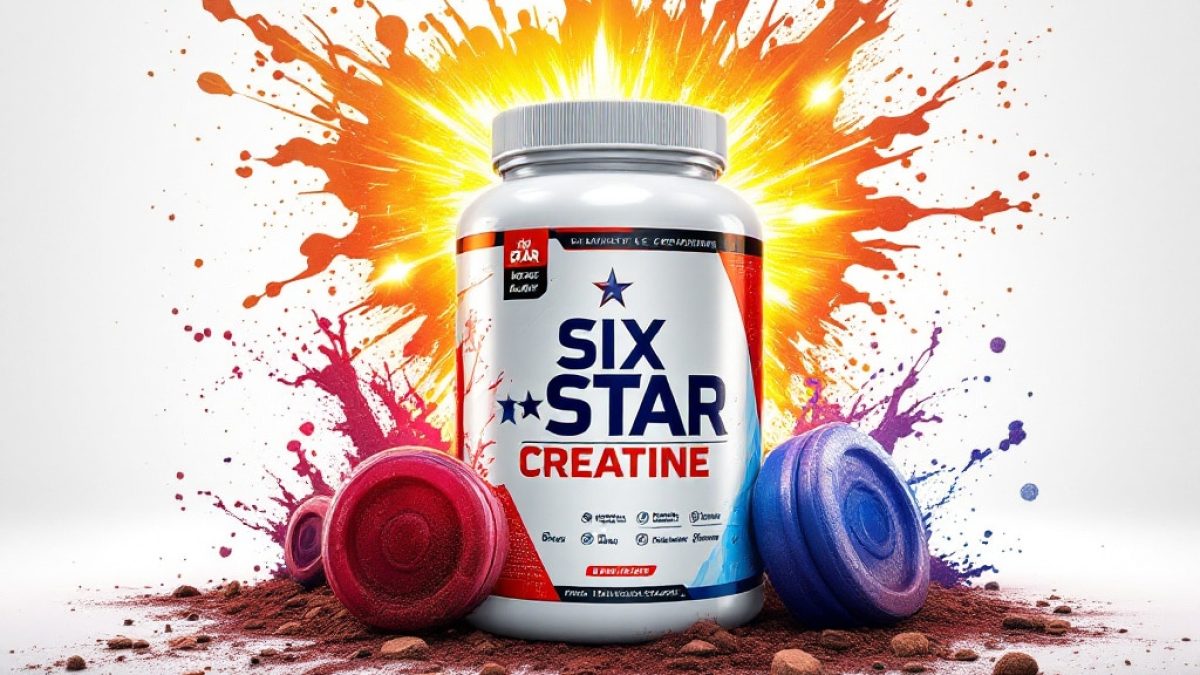
If you’ve ever pushed your body to its limits and thought, “I wish I had just a little more power in the tank,” you’re not alone. Athletes and fitness enthusiasts everywhere look for ways to boost their workout results and support better recovery. One supplement that’s received a ton of attention is six star creatine. Created by a brand known for science-backed formulas, it’s designed to help you lift heavier, sprint faster, and reach your performance goals more efficiently. This article will walk you through what creatine is, how you can benefit from taking it, and the best ways to optimize your supplementation strategy. By the end, you’ll have a clear, practical understanding of creatine’s role in your fitness journey, along with pointers on how to get started.
Recognize what creatine does
Creatine is a naturally occurring compound that supplies energy to your muscles. Roughly half of the creatine in your body comes from food (especially meats and fish), while the other half is produced by your liver, kidneys, and pancreas. Once in your muscles, creatine helps create adenosine triphosphate (ATP). ATP is basically your body’s go-to energy currency for quick, high-intensity movements. When you wonder how you can power through that final all-out sprint or push yourself for just one more bench press rep, ATP largely makes that possible.
Key role in muscle energy
When you’re busting out intense exercise—like heavy weightlifting, short sprints, or explosive movements—your muscles need ATP fast. However, ATP stores are limited, and they drop quickly under strain. Creatine steps in to help regenerate ATP more rapidly so you can keep pushing through. This can translate to a few extra reps, a more explosive start-off in sprinting, or simply enough stamina to hang with that advanced-level gym buddy. And while your body does produce some of its own creatine, increasing its levels through supplementation can give you a performance boost at crucial moments in your workout.
Learn how six star creatine can help
Not all creatine supplements are created equal. The Cleveland Clinic highlights creatine monohydrate as the most research-backed form (Cleveland Clinic). Six Star® 100% Creatine stands out by providing 5 grams of pure creatine monohydrate per serving, which can be especially helpful if you’re aiming for better strength, lean muscle gains, and faster recovery. By focusing on a highly studied type of creatine, you know you’re investing in something that’s widely recognized for delivering consistent results.
Who benefits most
If you train for power sports, high-intensity workouts, or even if you love to lift, you’ll likely see benefits from supplementing with an effective creatine source. People who play basketball, football, or soccer might also notice improvements in quick bursts of energy on the field. According to Harvard Health Publishing, creatine supplementation helps increase glycogen storage in muscles, supporting short but intense efforts (Harvard Health Publishing).
Focus on creatine’s main benefits
At its core, creatine offers two primary advantages: extra fuel for explosive movements and support for muscle growth. Yet the benefits stretch beyond just lifting a heavier dumbbell or adding size to your biceps. Here’s a closer look at what you can expect when combining creatine with a well-structured training routine.
1. Strength and power
When you take creatine and work out regularly (especially resistance training), you saturate your muscle cells with more available phosphocreatine. This helps your muscles create ATP faster, so you can handle heavier loads or eke out a couple more reps. In fact, the Cleveland Clinic notes that you might gain an extra two to four pounds of muscle mass over a few weeks compared to individuals who don’t supplement (Cleveland Clinic).
2. Enhanced muscle growth
Supplementing with creatine has also been linked to increased muscle fiber size and improved overall muscle growth. In a study mentioned by Six Star Pro, those who took creatine experienced greater gains in lean muscle mass over a six-week period than those given a placebo, showing creatine’s impact on muscle-building parameters (Six Star Pro).
3. Faster recovery
Your muscles recover more quickly when they’ve got access to ample energy resources, which comes from increased phosphocreatine stores. Creatine supplementation can also help replenish glycogen—the stored form of carbohydrates your muscles rely on—more effectively, which is essential after a tough session. Along with a balanced diet, proper sleep, and plenty of water, creatine can support a speedier return to full strength.
4. Possible cognitive benefits
Did you know your brain also uses ATP? Early research suggests that creatine may support mental performance, particularly in older adults, by boosting energy supply to brain cells. While more studies are needed for definite conclusions, these preliminary findings hint that creatine isn’t solely about brawn—it might help you stay sharper upstairs too (Cleveland Clinic).
Consider dosage and usage
When it comes to taking creatine, you have a few strategies to choose from. Most revolve around either a “loading phase” or consistent daily dosing. The best approach often depends on your goals, schedule, and personal preference.
High-dose loading phase
One common suggestion is to load up for five to seven days by taking around 20 grams daily in smaller 4- or 5-gram doses during the day. This method quickly saturates your muscles with creatine, which might lead to noticeable effects faster. After loading, you can switch to a 3- to 5-gram maintenance dose. According to Bodybuilding.com, the loading method can increase overall creatine levels by 10 to 44 percent more than a simple daily dose strategy (Bodybuilding.com).
Low daily dose only
If you’d rather skip the loading phase, you can simply start with a daily dose of about 3 to 5 grams. It’ll take a bit longer—possibly three weeks or more—to fully saturate your muscles, but you’ll get to the same place eventually. This can be less cumbersome because you won’t need to remember multiple doses each day, and some people find it easier on their stomach.
Timing matters (or does it?)
Research suggests that taking creatine right after a workout could be marginally better for building fat-free mass and upping strength, though results vary across individuals (Six Star Pro). Meanwhile, other studies show that pre-workout supplementation might help delay fatigue or improve lower body endurance. Ultimately, the difference might be small, so you should experiment to see what works for you.
Note potential side effects
You might have come across rumors that creatine causes dehydration or cramps. The good news is that current research doesn’t support these concerns. In fact, some studies indicate that creatine can offer a hyper-hydrating effect, reducing your chances of cramping (Healthline). Still, it’s important to keep a few considerations in mind.
Initial weight gain
Don’t be surprised if you notice a quick bump on the scale after you start taking creatine. This early weight gain is largely water, which moves into your muscles along with extra creatine. Over time, this water weight could transition into actual muscle mass if you’re strength training regularly. If you see a few pounds pop up right away, think of it as an indicator that your body is taking up and storing the supplement effectively.
Kidney concerns
People with existing kidney issues should talk to their doctor before starting creatine. While there’s no evidence that it harms kidneys in healthy individuals, the National Kidney Foundation and many healthcare providers advise caution for those already dealing with chronic conditions. It’s always a good idea to be on the safe side and discuss new supplements with a medical professional if you have underlying concerns.
Minor digestive discomfort
The vast majority of people don’t experience serious side effects from standard doses. Still, a few might feel mild bloating or an unsettled stomach. Splitting up the doses or mixing it with a meal can often help. If you’re prone to an irritable stomach, keep the loading phase on the lower end or start slowly with a once-daily smaller dose.
Explore pre and post-workout timing
Figuring out exactly when to take creatine can be a bit of a puzzle. Studies show benefits both before and after workouts, so it can come down to your personal schedule, your body’s tolerance, and how you prefer to stack other supplements.
Creatine before workouts
Some research indicates that creatine taken before exercise can improve agility, perceived energy, and reduce subjective fatigue (Six Star Pro). In practical terms, you might find that hitting the gym with extra muscle fuel in place lets you maintain explosiveness, especially if you plan on heavy lifting or sprint work.
Creatine after workouts
On the flip side, supplementing after your session might better encourage muscle growth and replenish glycogen for a head start on recovery. One study found that taking it post-workout contributed to improved 1-RM (the maximum amount of weight you can lift for one rep) and better changes in fat-free mass (Six Star Pro).
Trying both approaches
If you’re someone who doesn’t mind splitting your supplement dose, you can experiment with half before your workout and half afterward. This can help you enjoy some of the energetic benefits early on while still supporting recovery when it matters most. At the end of the day, consistency might be the most important factor. Whichever timing keeps you consistent should be your top choice.
Look at the science behind it
One reason creatine remains such a staple in athletes’ arsenals is the robust scientific evidence backing it. Study after study has pointed to improvements in short-burst energy and muscle recovery, especially when combined with a solid training regime.
- In one 6-week study, subjects taking creatine monohydrate gained significantly more lean muscle (5.9 pounds) than those taking a placebo (0.4 pounds) (Six Star Pro).
- The Scandinavian Journal of Medicine & Science in Sports published findings suggesting creatine supplementation can delay fatigue in repeated sprint bouts, which is good news if you’re into sports demanding multiple high-intensity intervals (Scandinavian Journal of Medicine & Science in Sports).
- Creatine has been extensively studied by institutions such as Harvard Health Publishing, which cites its role in promoting glycogen storage and aiding muscle recovery (Harvard Health Publishing).
Table: Typical usage strategies
| Strategy | Protocol | Pros | Cons |
|---|---|---|---|
| Loading phase + maintenance | 20 g/day for ~5-7 days, then 3-5 g/day | Rapid saturation, quick initial gains | Requires multiple doses per day during loading |
| Steady daily dose | 3-5 g/day from the start | Simpler to follow, less stomach upset | Takes longer to reach peak muscle saturation |
| Split pre- and post-workout | ~5 g each time (10 g/day total if you choose) | Targets energy boost and recovery support | Might not suit everyone’s schedule or budget |
Find your next step
So, how do you figure out if six star creatine is right for you? Start by considering your workout style. If you make heavy use of explosive movements and want to improve strength or speed, creatine could be a great fit. Maybe you’re focused on building muscle mass—you’ll likely benefit here too, given that creatine supports the growth process. And if you’re striving to recover faster, it’s helpful to see creatine’s role in replenishing energy stores.
Pair with balanced nutrition
Creatine is not a magic bullet, though. You still need adequate protein, healthy carbs, and the appropriate amounts of fats in your diet for all-round muscle and performance support. If you’re restricting calories majorly or skipping essential macro- and micronutrients, you won’t harness the full power of supplementation.
Check in with professionals
If you have underlying health issues or you’re new to intense workouts, it’s wise to chat with a healthcare provider or a certified trainer. This step can help you figure out the best dosing protocol, manage any pre-existing conditions, and develop a workout plan that best leverages creatine’s benefits.
Improve consistency for lasting results
Beyond simply taking creatine, your daily habits play a huge role in maximizing its potential. Consistency is what gets you the best results, so aim for daily supplementation, a regular workout schedule, and plenty of good-quality sleep. Here are a few suggestions to help you stay on track:
- Keep a supplement calendar. Mark off each day’s dose so you don’t forget.
- Set consistent workout times. When you build a routine, creatine supplementation becomes second nature.
- Pair your dose with a meal or post-workout shake. This makes it easier to remember, and some research suggests insulin spikes from carbs can help shuttle creatine into your muscles.
- Track your progress. Record your reps, weights used, and how you’re feeling. Over the course of several weeks, you’ll see tangible trends indicating whether your regimen is working.
Discover key takeaways
- Creatine is a compound that helps your muscles produce short-burst energy by regenerating ATP, and six star creatine is a scientifically backed option that delivers 5 grams per serving.
- It’s most beneficial for athletes and gym-goers who rely on high-intensity, explosive movements, but it may also offer recovery and potential cognitive perks.
- While you can load up for faster saturation, many people find that a simpler, once-daily approach better fits their lifestyle. Either way, 3 to 5 grams per day is the standard maintenance dose (Bodybuilding.com).
- Myths about dehydration and cramping aren’t supported by current research. However, those with kidney conditions should consult a professional before supplementing.
- Pre- or post-workout timing tends to be a matter of personal preference, but there’s scientific backing for both. The key is consistent usage and a well-structured workout routine.
Remember, progress from supplements is never instant. A good creatine product combined with regular resistance training, balanced nutrition, and rest can push your results to the next level. Still, it’s a marathon, not a sprint—though your sprints may get a lot more powerful when you’re supplemented properly. If you’re ready to give it a shot, consider how easily six star creatine can fit alongside your training. Start with a small daily dose, keep track of how you feel, and watch for noticeable upticks in your workout performance and recovery. Nothing feels better than hitting a fresh personal record because you made a small but impactful tweak to your routine. Good luck, and here’s to your next powerful step forward!