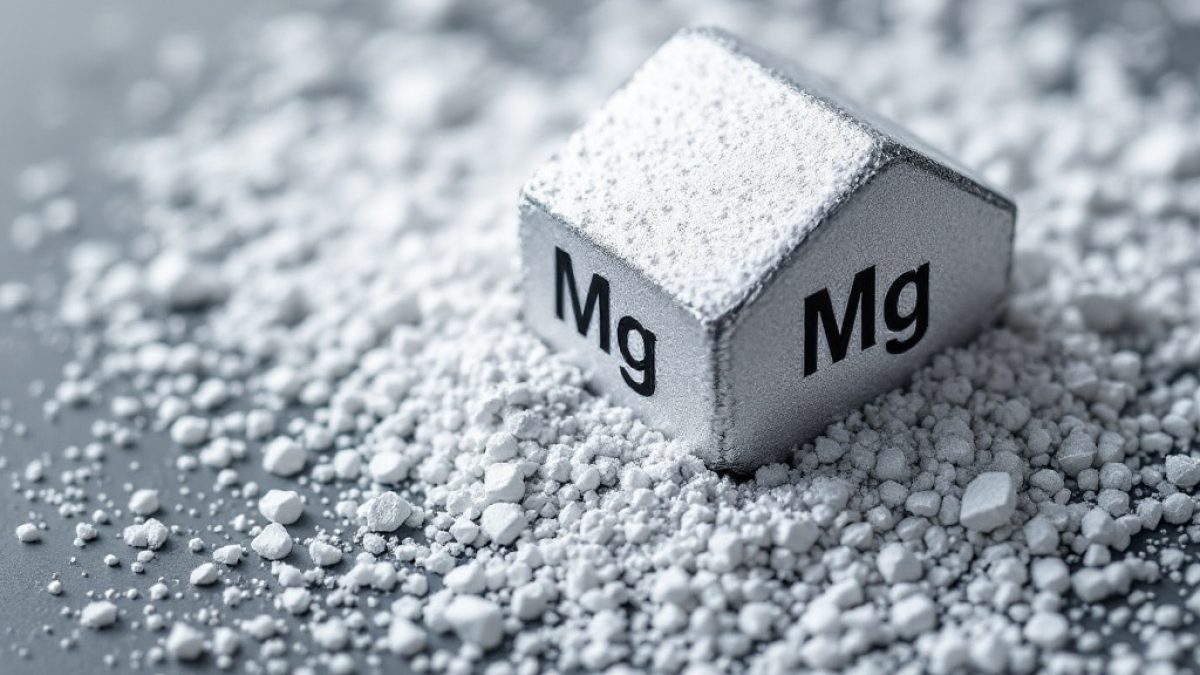
Have you ever wondered why so many everyday products rely on a single element for strength, flexibility, and even promising biomedical applications? That’s the story of pure magnesium. Whether you’re hearing about it in the context of lightweight smartphone casings or potential healing benefits, it plays a bigger part in your routine than you might suspect. Let’s chat about how this element fits into your life and why you might want to keep it on your radar.
Meet pure magnesium
The phrase “pure magnesium” may sound like science jargon, but it just refers to magnesium in its elemental form. It’s usually extracted from minerals like dolomite or magnesite, and from seawater as well, which contains magnesium chloride. Because this metal is highly reactive in nature, getting it as a pure substance involves careful processes such as vacuum reduction (the Pidgeon process) or electrolysis (International Magnesium Association).
Magnesium is the third-most-commonly-used structural metal worldwide, right after aluminum and iron. It’s also the lightest among them, weighing around two-thirds less than aluminum while still retaining a commendable strength-to-weight ratio. That unique balance makes it prized for everything from aerospace components to consumer electronics.
What makes it “pure”?
When you see magnesium labeled as “pure,” that generally means it isn’t blended with other metals like zinc or aluminum. Pure magnesium is known for being relatively brittle, so it’s often alloyed for practical uses. Researchers, however, are always investigating ways to improve the properties of magnesium in its pure state, because it shows promise in certain biomedical contexts and eco-friendly applications.
Explore magnesium’s properties
You already know magnesium is lightweight, but there’s a lot more happening beneath that shiny surface. Its reactivity, recyclability, and malleability (when processed correctly) play major roles in why it’s a big deal in manufacturing and beyond.
Light but surprisingly strong
If you’ve heard that magnesium is extremely light, you’re not mistaken. In fact, it’s up to 75% lighter than steel and around 33% lighter than aluminum. Despite its low density, magnesium alloys can stand up to major stress. That’s why car makers use it in certain die-cast parts, and it’s why aerospace engineers once turned to magnesium for aircraft details (Wikipedia).
This appealing strength-to-weight ratio makes magnesium popular in applications where every ounce matters, such as laptops, mobile devices, or even sporting equipment like bicycle frames. When you pick up a sleek, lightweight gadget and notice that it doesn’t flex too easily, there’s a decent chance magnesium had a hand in that robust feel.
A sustainable side
Besides being abundant in the Earth’s crust, magnesium is also highly recyclable. Some estimates say recycling magnesium requires only 5–10% of the energy needed to manufacture it from scratch (International Magnesium Association). That means more recycling can drastically reduce greenhouse gas emissions, making magnesium a contender for greener design. Whether you’re an eco-conscious shopper or a curious DIYer, knowing the sustainability aspect can give you an extra reason to appreciate this versatile metal.
Malleability improvements
Although pure magnesium can be brittle at room temperature, small tweaks in its structure make a big difference. Alloying magnesium with a touch of aluminum or zinc enhances its malleability, and shrinking the grain size to about 1 μm or smaller can also help (Wikipedia). For you, that could mean sturdier gadgets or longer-lasting household items. Essentially, as material scientists learn new ways to tweak magnesium’s internal structure, you get products that weigh less and last longer.
See its health potential
When you think about magnesium in your daily routine, you might envision dietary supplements or perhaps an Epsom salt bath. But the term “pure magnesium” also shows up in research for implants, tissue engineering, and more. This section won’t turn you into a biology expert overnight, but it’ll help you see why so many medical researchers are excited about magnesium’s role in health.
Biomedical potential
Pure magnesium is biocompatible, which means your body can handle small amounts without extreme risk of rejection. Researchers suggest magnesium-based implants might help bones heal more effectively than traditional materials, partially because magnesium supports cell differentiation and biomineralization (NCBI). It’s also something your body naturally processes and excretes, so there’s a possibility of using it for biodegradable stents or bone screws that gradually dissolve as your body heals.
Of course, we’re still in early stages. One major challenge is corrosion: magnesium tends to degrade quickly in certain environments, releasing hydrogen gas that can be harmful if not carefully controlled. Still, scientists are working on specialized coatings and alloy compositions to manage corrosion and maintain strength. If these solutions prove successful, magnesium-based medical devices could revolutionize how certain surgeries are performed.
Your daily dose
As for daily life, plenty of people rely on magnesium supplements to maintain normal muscle and nerve function. This dietary aspect isn’t exactly the same as the high-purity metallic magnesium used in construction or implants, but the principle is similar: your body thrives on magnesium for hundreds of enzymatic reactions and bone health. While we’re not here to offer medical advice, it’s no secret that many people find benefits in adjusting their magnesium intake through vitamins or food sources. If you suspect you’re low on this essential mineral, a quick chat with your healthcare provider is the best next step.
Spot magnesium in daily life
Even if you’re not holding a chunk of raw magnesium in your hand, you probably interact with it more often than you realize. From the moment you check your phone in the morning to the evening ritual with your laptop, magnesium might be quietly at work.
Appliances and gadgets
Sometimes magnesium is used in the internal frames of phones or tablets to keep them solid without weighing them down. Laptops, cameras, and power tools also benefit from magnesium’s lightweight durability. The next time you’re shopping for electronics, you might see manufacturers touting “magnesium alloy” frames. Keep an eye out: that’s likely code for “your device can handle a couple of bumps.”
Outdoor gear
When you’re out camping, that compact metal fire starter often contains magnesium because it ignites at high temperatures of around 3,100°C (Wikipedia). It burns so brightly that it’s also used in certain flares and fireworks. If you’ve seen an intense white flash at a Fourth of July display, that could be magnesium in action. It’s just another everyday example of how magnesium blends into your life, one spark at a time.
Compare magnesium to other metals
Magnesium isn’t the only game in town, so it’s fair to wonder how it stacks up next to aluminum or steel. Here’s a quick look:
| Property | Magnesium | Aluminum | Steel |
|---|---|---|---|
| Density (g/cm³) | ~1.74 | ~2.70 | ~7.85 |
| Strength-to-weight ratio | High | High | High |
| Major industrial uses | Automotive die-casting, aerospace, biomedical | Aircraft frames, beverage cans, electronics | Construction, automotive, machinery |
| Recyclability energy requirement | ~5–10% of primary production (International Magnesium Association) | Varies, but lower than steel | Varies, typically higher energy needed than Mg or Al |
Magnesium shines for weight-critical uses, while steel still dominates heavier structural projects. Aluminum is somewhere in between, offering moderate weight savings but at a lower cost than magnesium in many cases. Each has its niche, but magnesium is quickly gaining ground where every ounce saved matters.
Add pure magnesium daily
So how do you make sure you’re benefiting from the best of magnesium’s features? Let’s talk about a few practical ways to welcome it into your routine and maybe lighten your environmental footprint along the way.
-
Pick magnesium-friendly products.
If you’re looking at phones, laptops, or even power tools, see if they use magnesium alloy. These products might be a bit lighter and sturdier, which could save you energy (less lugging around weight) and reduce breakage. -
Recycle and reuse.
When you’re done with older gadgets, don’t toss them in the trash. Since magnesium is so recyclable, consider taking your electronics, bikes, or other metal items to a certified recycling facility. This closes the loop, so manufacturers can potentially reuse the magnesium with only 5–10% of the original energy needed to produce it. -
Check your supplementation.
If you suspect you’re not getting enough magnesium through diet, talk to a healthcare provider. While pure magnesium as a metal isn’t what you’ll swallow, having enough of this mineral in your system is essential for muscle and nerve function. It’s a small conversation that could reshape your whole well-being routine. -
Support eco-conscious brands.
Seek out companies that prioritize sustainable manufacturing and are open about their materials. Since magnesium production can be energy-intensive, choosing brands that recycle and refine existing magnesium can help reduce overall emissions. -
Keep an eye on future tech.
Magnesium research is exploding, especially in biomedical and structural applications. By staying in the loop—maybe reading up on new implants or scanning tech news—you can catch the next wave of magnesium innovations. Who knows, you might be an early adopter of a new magnesium-based device that helps you stay fit, mobile, or organized.
Remember these key takeaways
- Pure magnesium is light and surprisingly strong, which explains why it’s a go-to metal in products from phones to airplanes.
- It’s highly recyclable. If you’re looking for sustainable materials, magnesium’s energy-saving potential in recycling is a big plus.
- Biomedical researchers see promising uses for pure magnesium, though controlling corrosion remains a major hurdle.
- You likely benefit from magnesium every day in modest ways, whether in your gear or your body’s normal functions.
- Choosing magnesium-friendly products and recycling them responsibly can make your routine a bit greener and more efficient.
Overall, pure magnesium is more than just a laboratory curiosity. It’s a metal that underpins modern life—powering your favorite gadgets, fueling fireworks, and possibly one day speeding up your recovery from injuries. If you’re looking for ways to keep your routine light, efficient, and sustainable, magnesium might just be your new favorite material. Whether you’re picking out a laptop or trying to boost your dietary intake, give a nod to magnesium’s unique combination of softness, strength, and eco-friendliness… it’s working quietly behind the scenes, so you don’t have to.