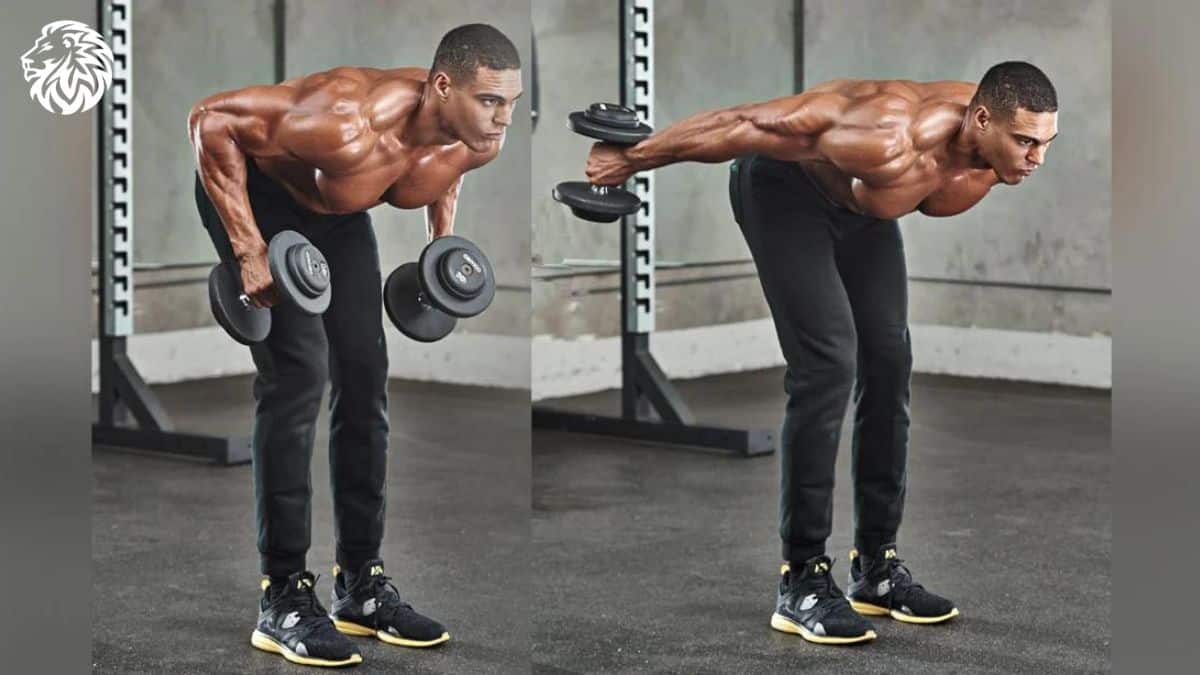
The triceps dumbbell kickback is one of the most effective isolation exercises for building stronger and more defined arms. It directly targets the triceps, the muscles located at the back of your upper arm, which play a key role in extending your elbows and stabilizing your movements during pressing exercises. Whether you’re new to strength training or a seasoned lifter, the triceps dumbbell kickback is an excellent addition to your routine because it requires minimal equipment and delivers noticeable results.
Exercise Instructions
To perform the triceps dumbbell kickback correctly, follow these steps:
- Step 1: Setup – Hold a dumbbell in your right hand and place your left knee and left hand on a bench for support. Keep your back flat, chest slightly lifted, and core engaged.
- Step 2: Arm Position – Hold the dumbbell with your palm facing inward. Bend your elbow so your upper arm is parallel to your torso, and your forearm points down toward the floor.
- Step 3: Execution – Extend your elbow fully by pushing the dumbbell back until your arm is straight and aligned with your torso. Pause briefly at the top of the movement to squeeze your triceps.
- Step 4: Return – Slowly bring the dumbbell back to the starting position without letting your upper arm drop. Maintain control throughout the movement.
- Step 5: Switch Sides – Repeat the same steps on the other side.
Key Technique Cues
- Keep your upper arm locked in place. The movement should come only from your elbow joint.
- Avoid swinging the weight or using momentum; focus on a slow and controlled motion.
- Exhale as you extend the dumbbell back and inhale as you return to the starting position.
Muscles Targeted
The triceps dumbbell kickback primarily targets the triceps brachii, which has three heads: the long head, lateral head, and medial head. While all three are engaged during the exercise, the lateral head is especially activated because of the position of your arm. Secondary muscles, such as your rear deltoids, core, and forearm muscles, also assist in stabilization.
Why This Exercise is Important
Strong triceps are essential for more than just toned arms. They support your performance in pressing exercises like bench presses, push-ups, and overhead presses. Without adequate tricep strength, your pushing power will be limited, and your arms may lack balance compared to your biceps. The triceps dumbbell kickback allows you to isolate and strengthen these muscles, helping to improve symmetry, definition, and overall arm strength.
Tips and Things to Avoid
- Do not drop your elbow. Keep it aligned with your torso throughout the movement.
- Avoid heavy weights. Using too much weight often leads to poor form and reduces tricep activation.
- Control the motion. Jerking the dumbbell or swinging your body lessens the effectiveness.
- Engage your core. A stable torso helps you maintain proper form.
- Breathe correctly. Exhale on exertion, inhale on the return.
Reps and Sets (Triceps Dumbbell Kickback)
| Fitness Level | Sets | Reps | Rest Time |
|---|---|---|---|
| Beginner | 2–3 | 10–12 | 60–90 sec |
| Intermediate | 3–4 | 12–15 | 60 sec |
| Advanced | 4–5 | 12–20 | 45–60 sec |
Other Exercises to Use
To build stronger and more defined triceps, you can pair the triceps dumbbell kickback with other exercises such as:
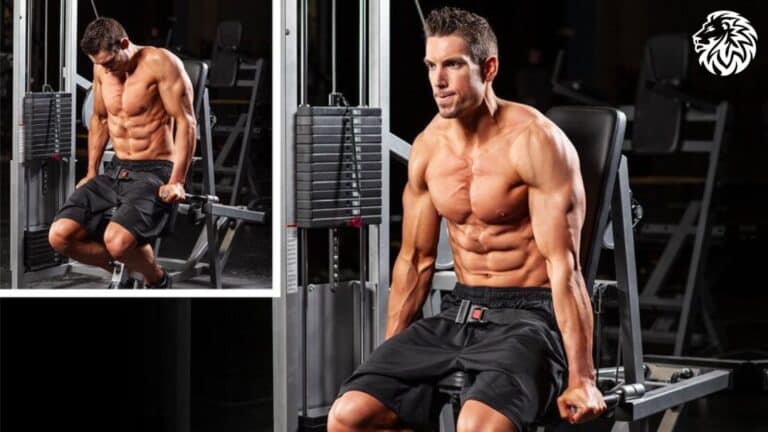
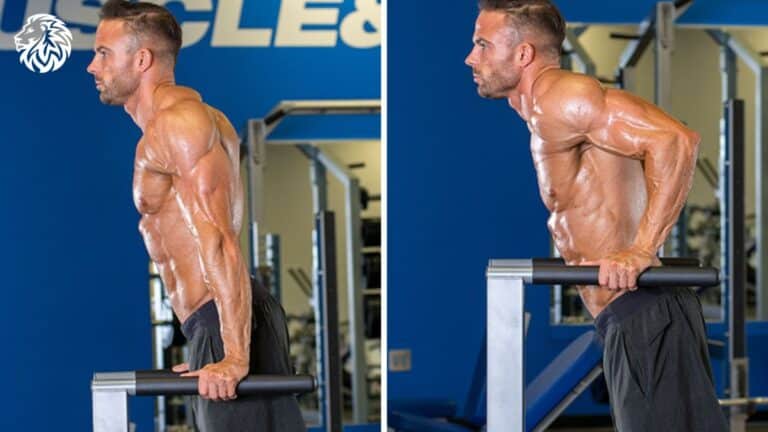
- Triceps dips – Great for bodyweight strength and endurance.
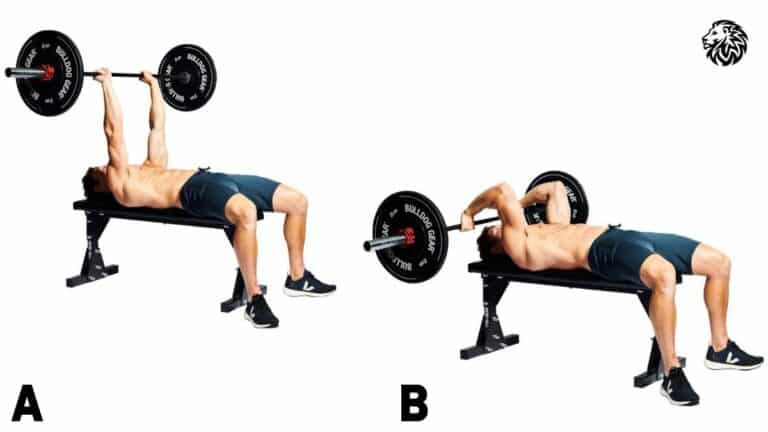
- Close-grip bench press – Engages the triceps with heavier loads.
- Overhead dumbbell triceps extension – Stretches and strengthens the long head of the triceps.
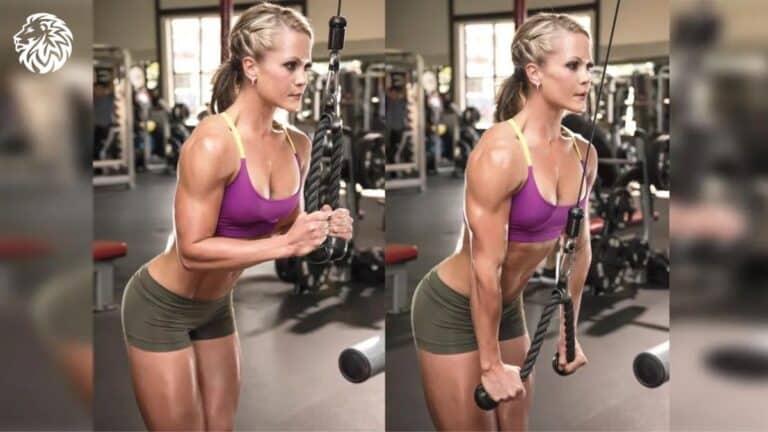
- Pushdowns (with a cable machine) – Another effective isolation movement.
- Diamond push-ups – A bodyweight exercise that emphasizes tricep strength.
Combining these with kickbacks creates a balanced program that works your triceps from multiple angles.
Final Thoughts
The triceps dumbbell kickback is a simple yet powerful exercise that can improve both strength and definition in your arms. By focusing on proper form and avoiding common mistakes, you ensure maximum engagement of the triceps. Whether you’re training for aesthetics, sports performance, or general strength, including this exercise in your routine will help you achieve your goals more effectively. Start light, prioritize technique, and progress gradually for the best results.
Frequently Asked Questions
1. Should I use heavy weights for triceps dumbbell kickbacks?
No. Light to moderate weights are best because the exercise is an isolation movement that benefits more from control and muscle activation than heavy loading.
2. Can beginners do triceps dumbbell kickbacks?
Yes. Beginners should start with lighter weights and fewer sets to master the form before increasing intensity.
3. How often should I include triceps dumbbell kickbacks in my routine?
Two to three times per week is ideal, depending on your overall training split and recovery.
4. Are triceps dumbbell kickbacks safe for people with elbow issues?
If you have elbow pain or injury, consult a healthcare professional before performing this exercise. Reducing the range of motion or using lighter weights may also help.
5. Can I do this exercise without a bench?
Yes. You can perform the kickback in a standing bent-over position with both feet on the ground, though using a bench often provides better stability.