T Bar Rows are a classic strength training exercise that builds a powerful back and improves pulling strength. They target multiple muscle groups, making them one of the most efficient lifts for upper body development. Whether you are an athlete, a lifter, or someone looking to improve posture, T Bar Rows should have a place in your training routine. The exercise works well for both beginners and advanced lifters because it allows for controlled progression with different grips and loading options.
Exercise Instructions
To perform T Bar Rows correctly, follow these steps:
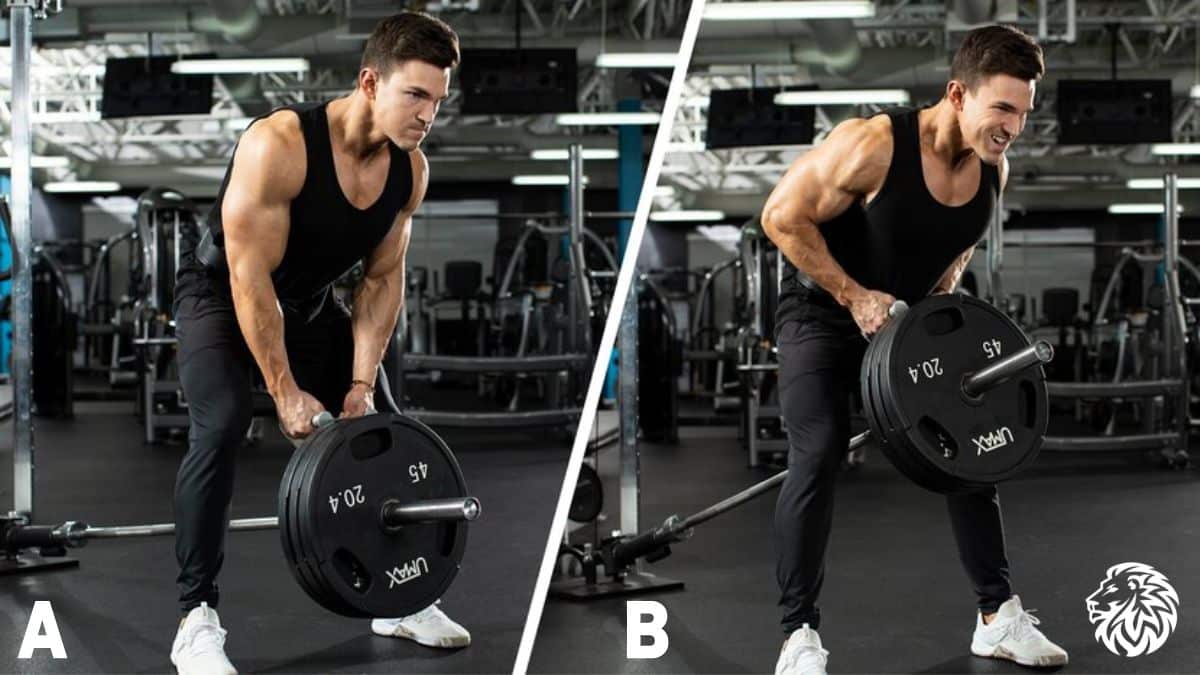
- Set Up the Bar: Place one end of a barbell in a landmine attachment or securely wedge it in the corner of a wall. Load the other end with weight plates.
- Choose Your Handle: Attach a V-handle or use a neutral grip attachment over the barbell for a comfortable hold.
- Position Yourself: Stand over the bar with feet shoulder-width apart. Bend your knees slightly and hinge at the hips until your torso is at about a 45-degree angle. Keep your chest up and back straight.
- Grip the Handle: Grab the handle with both hands. Keep your arms extended but not locked.
- Row the Weight: Pull the bar toward your torso by driving your elbows back. Squeeze your shoulder blades together at the top of the movement.
- Lower Slowly: Return the weight to the starting position in a controlled motion without rounding your back.
- Repeat: Perform the desired number of reps, keeping form strict throughout.
Muscles Targeted
T Bar Rows primarily work the latissimus dorsi, the broad muscles on either side of your back. They also engage the rhomboids and trapezius, which stabilize the shoulders and improve posture. Secondary muscles include the rear deltoids, biceps, and forearms, which help with pulling and gripping the bar. The core and spinal erectors also activate to maintain proper posture during the lift, making T Bar Rows a full upper-body pulling exercise.
Why This Exercise is Important
Strong back muscles are essential for both athletic performance and everyday life. T Bar Rows help build strength for pulling movements, from deadlifts to pull-ups. They also improve posture by strengthening the muscles that counteract forward shoulder rounding, common from long hours at a desk. Additionally, because you can progressively load the bar, T Bar Rows allow consistent strength growth over time. This makes them a reliable choice for anyone aiming to build a wide, powerful, and stable back.
Tips and Things to Avoid
- Keep your back flat: Do not round your spine; maintain a neutral posture to protect against injury.
- Control the weight: Avoid jerking or bouncing the plates. Focus on slow, steady movements.
- Engage your core: Tighten your abs to support your lower back.
- Do not overload too soon: Start with manageable weight and increase gradually.
- Use full range of motion: Pull the bar close to your chest and lower until your arms are extended. Partial reps limit your results.
- Breathe correctly: Exhale as you row the weight up, inhale as you lower it back down.
Reps and Sets (T Bar Rows Summary)
| Training Goal | Sets | Reps | Rest Time |
|---|---|---|---|
| Strength | 4-6 | 4-6 | 2-3 minutes |
| Hypertrophy (Size) | 3-4 | 8-12 | 60-90 seconds |
| Endurance | 2-3 | 12-15+ | 30-60 seconds |
| General Fitness | 2-3 | 8-10 | 60-90 seconds |
Other Exercises to Use
If you enjoy T Bar Rows, you can add complementary exercises to round out your back training:
- Pull-Ups or Chin-Ups: Great for bodyweight pulling strength.
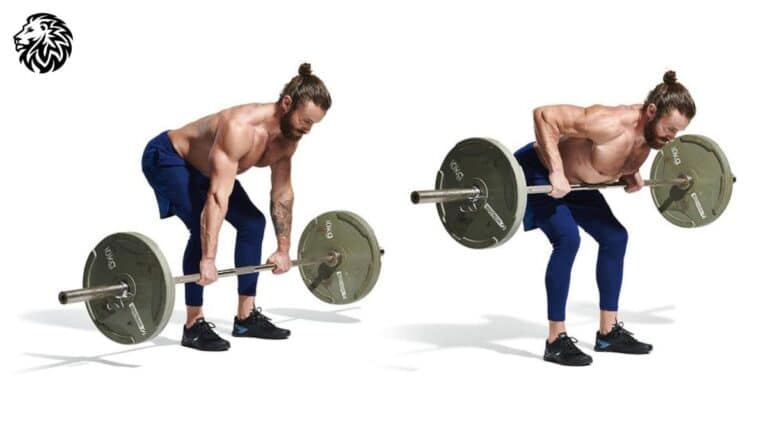
- Bent Over Barbell Rows: Similar mechanics but with a free barbell.
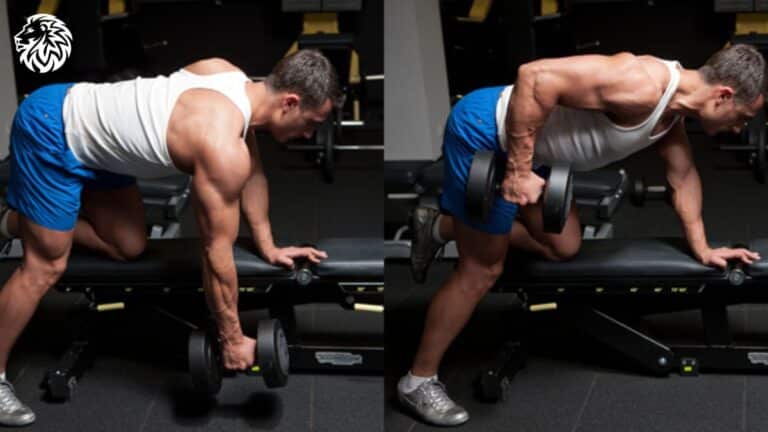
- Single-Arm Dumbbell Rows: Allows focus on each side individually.
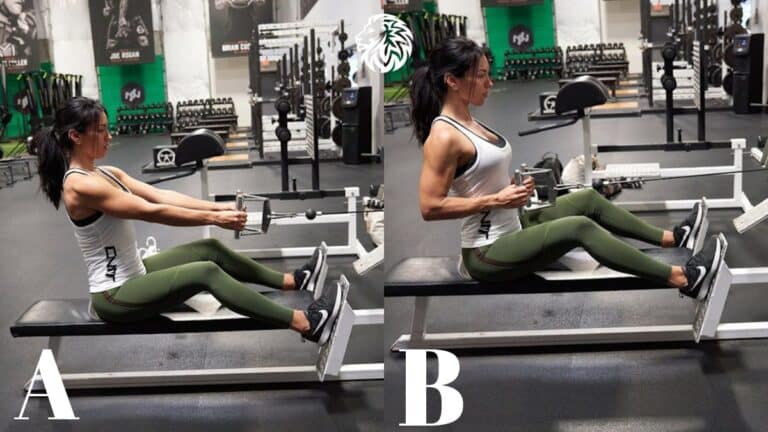
- Seated Cable Rows: Provides constant tension and multiple grip options.
- Lat Pulldowns: Effective for isolating the lats with controlled resistance.
These exercises, combined with T Bar Rows, help you build a balanced, strong, and well-defined back.
Final Thoughts
T Bar Rows are one of the most effective compound lifts for developing a strong and muscular back. They engage multiple muscle groups, promote good posture, and can be adapted to fit different fitness goals. Whether you want strength, size, or endurance, you can adjust sets and reps to match your training plan. By practicing good form and staying consistent, you will see noticeable improvements in both strength and physique. Make T Bar Rows a staple in your back workouts, and you’ll benefit for years to come.
Frequently Asked Questions
Are T Bar Rows better than barbell rows?
Both exercises are excellent. T Bar Rows allow for a more neutral grip, which may reduce stress on the wrists and shoulders. Barbell rows, however, are more versatile.
Can beginners do T Bar Rows?
Yes, beginners can perform them safely by starting with lighter weights and focusing on form.
How heavy should I go on T Bar Rows?
Choose a weight that challenges you but still allows you to complete each rep with proper form. Progressively add weight as your strength improves.
What grip should I use for T Bar Rows?
A neutral grip (palms facing each other) is most common, but you can vary grips to target different muscles.
Do T Bar Rows help with posture?
Yes, they strengthen the upper back and shoulders, which can improve posture and reduce forward slouching.