The Seated Cable Row is a classic strength-training exercise that helps build a strong, defined back. It uses a cable machine to provide constant tension throughout the movement, which makes it highly effective for both muscle growth and endurance. Whether you’re new to the gym or have years of experience, learning how to do Seated Cable Rows with proper form will help you improve posture, enhance pulling strength, and balance out your upper body workouts.
Exercise Instructions
To perform Seated Cable Rows correctly, follow these steps:
- Set up the machine
- Attach a close-grip V-bar or straight bar to the low pulley.
- Adjust the seat and footplate so you can sit comfortably with a slight bend in your knees.
- Get into position
- Sit down and place your feet flat on the foot platform.
- Grasp the handle with both hands and sit upright with your chest tall.
- Keep your shoulders back and your core engaged.
- Start the movement
- Pull the handle toward your lower abdomen in a smooth, controlled motion.
- Keep your elbows close to your body and avoid flaring them outward.
- Focus on squeezing your shoulder blades together at the end of the pull.
- Return to start
- Slowly extend your arms back to the starting position while maintaining control.
- Do not let the weight stack slam down or pull you forward.
- Maintain an upright posture throughout the set.
Key technique points:
- Avoid rounding your back.
- Do not use momentum; keep movements slow and deliberate.
- Engage your lats and mid-back rather than letting your arms take over.
Muscles Targeted
The Seated Cable Row is a compound movement that recruits multiple muscle groups, including:
- Latissimus dorsi (lats): The primary muscles engaged during the pull.
- Rhomboids: Responsible for retracting the shoulder blades.
- Trapezius (middle and lower traps): Helps stabilize the shoulders and upper back.
- Biceps brachii: Assists during the pulling motion.
- Rear deltoids: Provides support and balance for the shoulder joint.
- Erector spinae: Engages to maintain posture throughout the movement.
Why This Exercise is Important
The Seated Cable Row offers several benefits that make it a valuable addition to your training routine:
- Strengthens posture: By targeting the upper and mid-back, it helps counteract the effects of sitting or slouching.
- Improves pulling strength: Essential for other lifts like deadlifts, pull-ups, and rows.
- Balances upper body development: Too many pressing exercises can cause imbalances. Rows help maintain symmetry.
- Versatility: With different grip attachments, you can shift emphasis to various back muscles.
Tips and Things to Avoid
- Keep your chest tall: Rounding your shoulders reduces effectiveness and increases injury risk.
- Control the weight: Avoid jerking or letting the stack pull you forward.
- Don’t lean excessively: A slight lean at the hips is fine, but avoid turning it into a lower-back movement.
- Breathe properly: Exhale as you pull, inhale as you return to start.
- Use moderate weight: Focus on form before adding heavy loads.
Reps and Sets
| Goal | Sets | Reps | Rest Between Sets |
|---|---|---|---|
| Strength | 4–5 | 4–6 | 2–3 minutes |
| Hypertrophy | 3–4 | 8–12 | 60–90 seconds |
| Endurance/Toning | 2–3 | 12–15+ | 30–60 seconds |
Other Exercises to Use
To build a balanced back routine, pair Seated Cable Rows with other pulling and rowing movements such as:
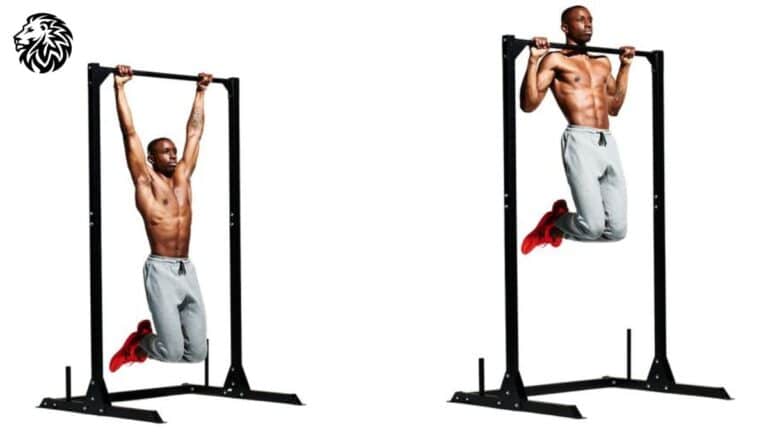
- Pull-ups or Chin-ups
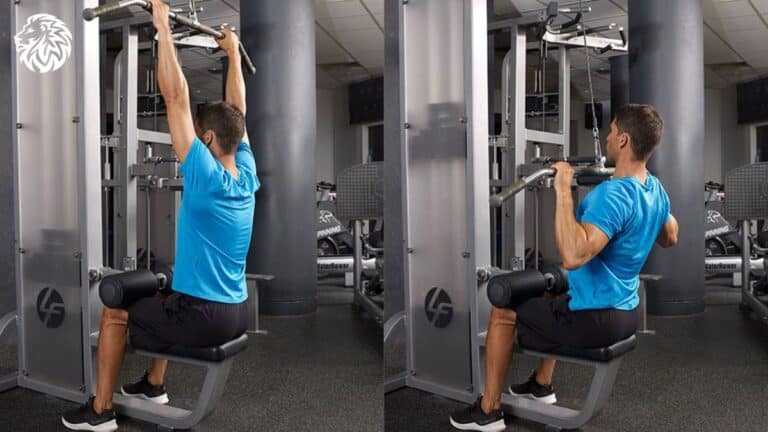
- Lat Pull-Downs
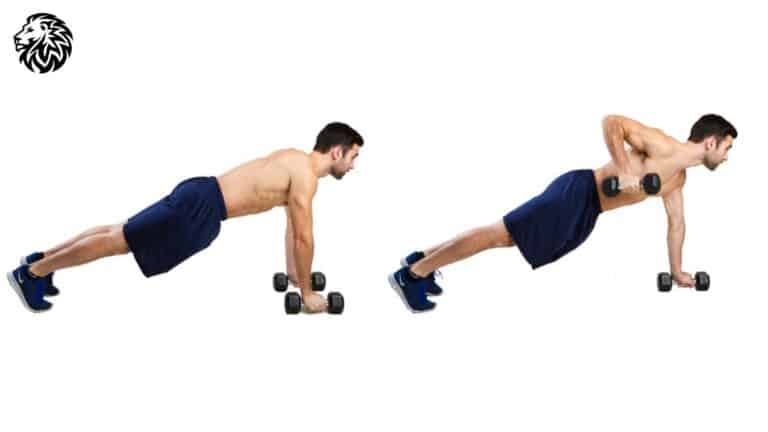
- Single-Arm Dumbbell Rows
- Bent-Over Barbell Rows
- Face Pulls
These exercises complement Seated Cable Rows by targeting similar muscles from different angles.
Final Thoughts
The Seated Cable Row is one of the best exercises for developing a strong, muscular back while supporting overall posture and upper body performance. It’s beginner-friendly yet versatile enough to challenge advanced lifters. By focusing on proper form and gradually increasing resistance, you’ll gain strength, stability, and definition in your back. Add it to your routine two to three times per week, and you’ll notice both aesthetic and functional improvements.
Frequently Asked Questions
1. Should I use a wide grip or close grip on Seated Cable Rows?
Both variations are effective. A close grip targets the lats more directly, while a wide grip engages the traps and rear delts.
2. Can beginners do Seated Cable Rows?
Yes. It’s a great entry-level back exercise as long as you start with light weight and focus on form.
3. How heavy should I go on Seated Cable Rows?
Choose a weight that allows you to complete your reps with good form. Avoid sacrificing technique for heavier loads.
4. Is the Seated Cable Row safe for people with back pain?
If you have back pain, consult a doctor or physical therapist first. Using proper form and avoiding excessive weight can reduce risk.
5. How often should I include Seated Cable Rows in my workouts?
Two to three times per week is enough for most people, depending on your overall training program.