The Renegade Row is a challenging strength training exercise that combines a plank with a dumbbell row. It’s a total-body move that improves core strength, builds muscle in your back and arms, and develops stability. Because it demands balance and control, the Renegade Row is a favorite among athletes and fitness enthusiasts who want to push their training further. If you want to strengthen your upper body while engaging your core at the same time, this exercise deserves a spot in your routine.
Exercise Instructions
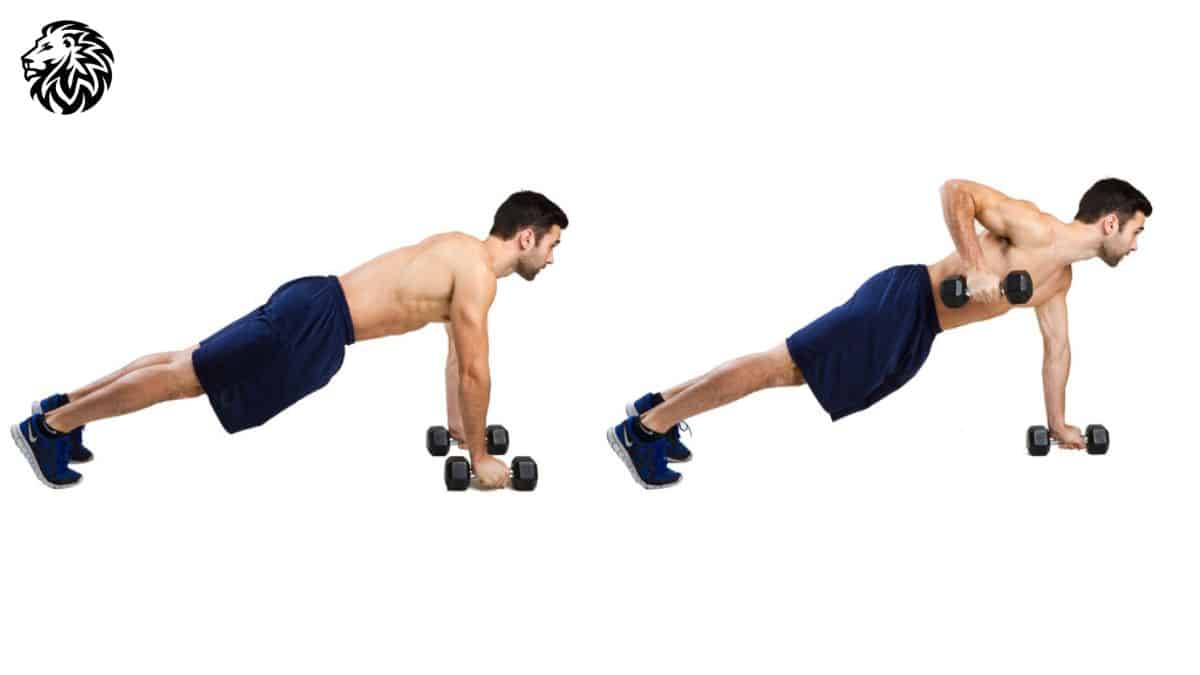
To perform the Renegade Row correctly, you’ll need a pair of dumbbells. Choose a weight that is manageable but still challenging. Follow these steps:
- Place two dumbbells on the floor shoulder-width apart.
- Get into a high plank position with your hands gripping the dumbbells and your body forming a straight line from head to heels.
- Keep your feet slightly wider than hip-width apart to improve balance.
- Brace your core and shift your weight onto your left hand.
- Row the right dumbbell up toward your ribcage, keeping your elbow close to your body.
- Lower the dumbbell back down under control.
- Repeat on the other side, rowing the left dumbbell while stabilizing with the right.
- Continue alternating sides for the desired number of reps.
Breathe steadily throughout the movement, and avoid rotating your hips or shoulders as you row.
Muscles Targeted
The Renegade Row is effective because it works multiple muscle groups at once. The primary muscles targeted include:
- Latissimus dorsi: Helps pull the dumbbell during the row.
- Rhomboids and trapezius: Support the movement and improve posture.
- Biceps: Assist in lifting the dumbbell.
- Core muscles: The abdominals and obliques keep your body stable in the plank position.
- Shoulders: Provide stability as you balance on one arm.
- Chest: Engages to help control the plank position.
Because so many muscles are working together, you build both strength and endurance.
Why This Exercise is Important
The Renegade Row matters because it combines resistance training with core stability. Most exercises focus on either strength or stability, but this one does both. It trains your body to maintain proper alignment under load, which translates well into sports, daily activities, and other exercises. By resisting rotation, you strengthen the deep core muscles that protect your spine. At the same time, the pulling motion builds back strength, helping you maintain good posture. Adding this exercise to your routine helps close the gap between raw strength and functional movement.
Tips and Things to Avoid
Performing the Renegade Row with proper form is essential to prevent injury and get the most benefit. Here are some tips and common mistakes to watch for:
- Keep your hips square: Avoid rotating or twisting as you row. Stability is a major part of the exercise.
- Choose the right weight: Too heavy and your form will break down; too light and you won’t challenge your muscles.
- Engage your core: Don’t let your lower back sag. Keep your abs tight throughout.
- Spread your feet: A wider stance makes it easier to balance, especially when starting out.
- Move slowly: Control each rep. Momentum reduces effectiveness and can cause strain.
- Avoid shrugging your shoulders: Keep them relaxed and away from your ears.
Paying attention to these points ensures you build strength safely and efficiently.
Reps and Sets
Here’s a quick reference for how to structure Renegade Row sets and reps based on your training goals:
| Goal | Sets | Reps per Side | Rest Between Sets |
|---|---|---|---|
| Strength | 3–5 | 6–8 | 90–120 seconds |
| Muscle Growth | 3–4 | 8–12 | 60–90 seconds |
| Endurance | 2–3 | 12–15+ | 30–60 seconds |
| Core Stability | 3–4 | 10–12 | 60 seconds |
Adjust the weight as needed. Heavier loads support strength goals, while lighter weights with higher reps target endurance.
Other Exercises to Use
The Renegade Row fits well into upper body or full-body workouts. Pair it with other compound movements for a balanced program:
- Push-ups: Strengthens chest and triceps while also working the core.
- Plank variations: Improve core endurance and stability.
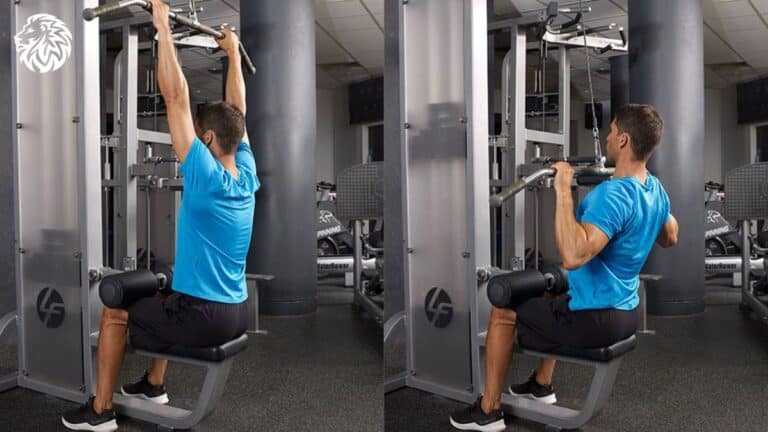
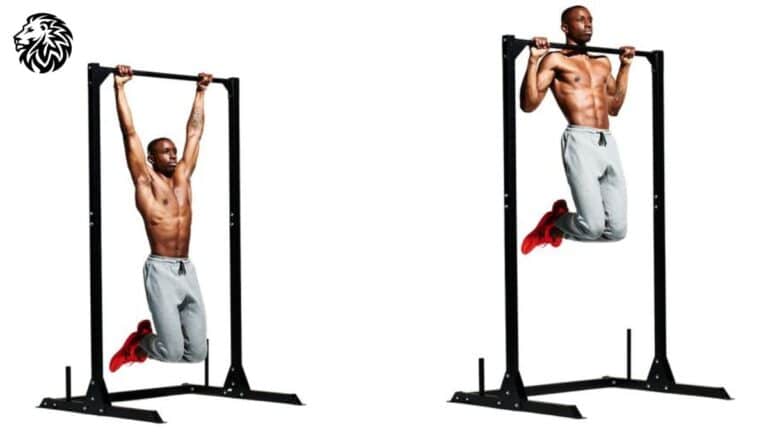
- Pull-ups: Build back and arm strength with a vertical pulling motion.
- Bent Over Rows: Target the back in a more controlled environment.
- Deadlifts: Train the posterior chain and build overall strength.
- Shoulder presses: Improve shoulder stability and pressing power.
Using these together creates a routine that balances pushing, pulling, and stabilizing movements.
Final Thoughts
The Renegade Row is one of the most efficient exercises for building strength, stability, and coordination at the same time. By combining a plank with a row, you challenge your muscles in unique ways and improve overall body control. Whether your goal is strength, muscle growth, or athletic performance, this exercise deserves a place in your training plan. Start with manageable weights, focus on form, and gradually increase intensity as you improve.
Frequently Asked Questions
1. Do I need dumbbells for Renegade Row?
Yes, dumbbells are ideal because they give you a stable grip and add resistance. In a pinch, you can use kettlebells or weighted objects, but dumbbells are the safest option.
2. Can beginners do the Renegade Row?
Absolutely. Beginners can start with lighter weights and a wider stance to improve balance. Once comfortable, they can increase weight and narrow their stance for more challenge.
3. How often should I include Renegade Rows in my workouts?
Two to three times a week works well for most people, depending on your goals and overall training schedule.
4. Should I keep my feet wide or close together?
Wider feet provide better balance, which is helpful for beginners. Narrower feet make the exercise harder by forcing more core engagement.
5. Is the Renegade Row safe for the lower back?
Yes, as long as you keep your core engaged and avoid letting your hips sag. Proper form is key to protecting your lower back.