Pull-ups are one of the best bodyweight exercises you can do to build upper body strength. They require no more than a sturdy bar and your own bodyweight, yet they challenge multiple muscle groups at once. Whether you are new to fitness or have been training for years, mastering pull-ups will improve your strength, endurance, and confidence.
Exercise Instructions
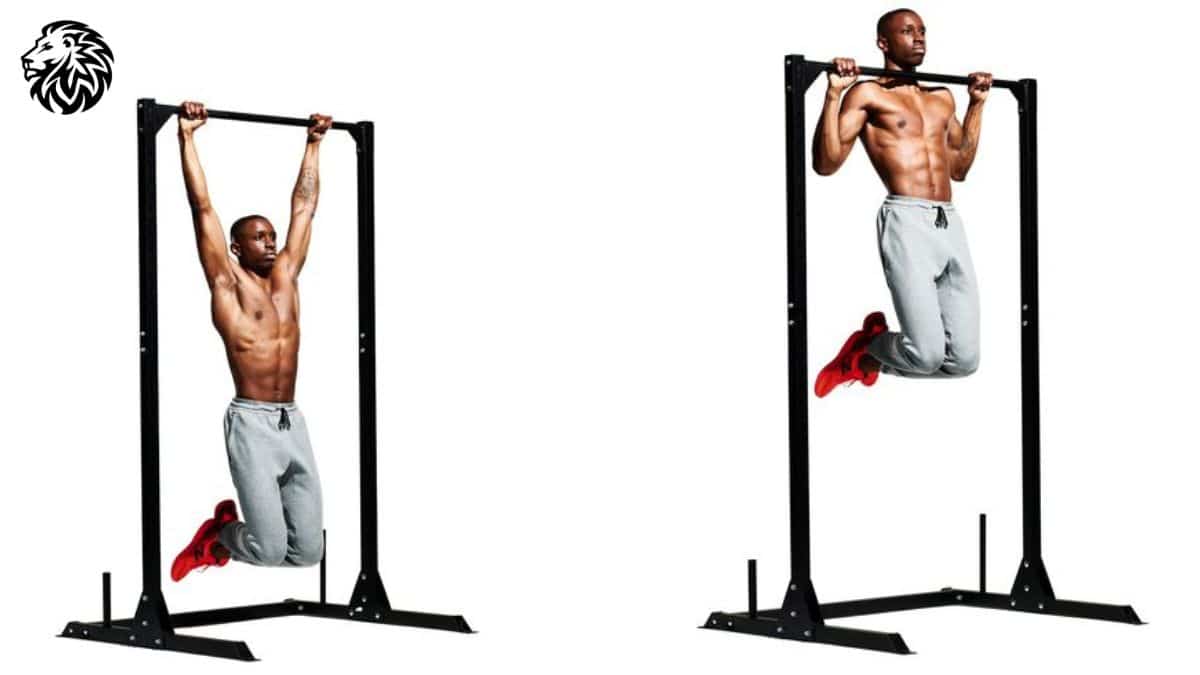
To perform pull-ups correctly, follow these steps:
- Grip the bar – Use an overhand grip with your palms facing away from you. Hands should be slightly wider than shoulder-width apart.
- Engage your core – Tighten your abdominal muscles and keep your body straight. Avoid swinging your legs or arching your back.
- Pull yourself up – Drive your elbows down and back while pulling your chin above the bar. Focus on using your back muscles rather than just your arms.
- Lower with control – Slowly lower yourself until your arms are fully extended. Do not drop down quickly, as this can strain your shoulders and elbows.
- Repeat – Perform as many repetitions as you can while maintaining good form.
If you are a beginner, start with assisted pull-ups using a resistance band or an assisted pull-up machine. Negative pull-ups, where you focus on the lowering phase, are also a great way to build strength until you can perform full repetitions.
Muscles Targeted with Pull-ups
Pull-ups are a compound exercise, meaning they activate several muscles at once. The main muscles worked include:
- Latissimus dorsi (lats): The broad muscles of the back responsible for pulling movements.
- Biceps brachii: The front of your upper arms, which help bend the elbow.
- Trapezius: The muscles in your upper back and neck that stabilize the shoulders.
- Rhomboids: Small muscles between the shoulder blades that assist with retraction.
- Core muscles: Your abs and obliques engage to keep your body stable.
- Forearms and grip strength: Supporting muscles that hold onto the bar.
Because pull-ups activate so many muscles, they are one of the most effective exercises for overall upper body development.
Why Pull-ups are Important
Pull-ups are important because they build both strength and functionality. Strong back and shoulder muscles improve posture and reduce the risk of injury. Pull-ups also improve grip strength, which carries over into other lifts such as deadlifts, rows, and even daily tasks like carrying groceries.
For athletes, pull-ups enhance pulling power, which is essential in sports like rock climbing, swimming, and gymnastics. For anyone pursuing general fitness, they provide a simple way to measure progress. Being able to perform multiple pull-ups is a sign of a strong, capable body.
Tips and Things to Avoid with Pull-ups
- Warm up first: Always prepare your shoulders and arms with light movements before starting.
- Focus on form: Keep your body straight and avoid excessive swinging or kipping, especially as a beginner.
- Use full range of motion: Lower yourself until your arms are straight, and pull until your chin clears the bar.
- Progress gradually: If you can’t do a full pull-up, use assistance instead of forcing sloppy reps.
- Avoid straining your neck: Keep your gaze forward, not upward, to reduce tension.
- Control the movement: Do not drop down or jerk yourself up with momentum.
Good technique is the key to building strength safely and effectively.
Reps and Sets for Pull-ups
| Fitness Level | Reps per Set | Sets | Rest Between Sets |
|---|---|---|---|
| Beginner | 2–5 (assisted if needed) | 3–4 | 90–120 seconds |
| Intermediate | 6–10 | 3–4 | 90 seconds |
| Advanced | 10–15+ | 4–5 | 60–90 seconds |
| Strength Focus | Weighted, 3–6 reps | 3–5 | 2–3 minutes |
| Endurance Focus | Bodyweight, 12–20 reps | 3–4 | 60 seconds |
Adjust the volume based on your goals. Beginners should prioritize form and gradual improvement, while advanced lifters can use weights or high-volume sets to challenge themselves.
Other Exercises to Use with Pull-ups
To build a stronger back and improve your pull-up performance, include these exercises in your training:
- Lat pulldowns: A machine-based version of the pull-up that allows you to adjust resistance.
- Inverted rows: A bodyweight pulling movement performed under a bar to strengthen the back and arms.
- Bicep curls: Isolate the biceps to improve arm pulling power.
- Deadlifts: Strengthen the entire posterior chain, including grip and back muscles.
- Face pulls: Target the rear delts and upper back for better shoulder health.
- Hollow body holds: Strengthen your core, which is essential for keeping your body stable during pull-ups.
Combining pull-ups with these exercises will give you balanced development and help you progress faster.
Final Thoughts
Pull-ups are one of the most effective exercises for building a strong, functional upper body. They target multiple muscle groups, improve grip strength, and provide a clear benchmark for progress. Whether you are just starting with assisted variations or adding weight to challenge yourself, consistent practice will pay off. Approach them with patience and proper form, and you’ll see noticeable improvements in strength and posture.
Frequently Asked Questions
How many pull-ups should I be able to do?
This depends on your fitness level. Beginners may only manage a couple, while advanced athletes can do 15 or more in one set.
Are chin-ups the same as pull-ups?
Not exactly. Chin-ups use an underhand grip with palms facing you, which emphasizes the biceps more than pull-ups.
Can women do pull-ups?
Yes. While women may face challenges due to lower upper body strength on average, with consistent training, many can perform multiple pull-ups.
How often should I train pull-ups?
Two to three times per week is enough for most people. Make sure to allow rest days for recovery.
What if I can’t do a single pull-up?
Start with assisted pull-ups, band pull-ups, or negative pull-ups. Gradual progress will get you there.