Lat-Pull Downs are one of the most effective exercises for building a stronger, wider back. This exercise mimics the movement of a pull-up but uses a cable machine, making it more accessible to beginners and experienced lifters alike. Whether your goal is to improve posture, enhance pulling strength, or simply build a V-shaped back, Lat-Pull Downs deserve a place in your workout program.
Exercise Instructions
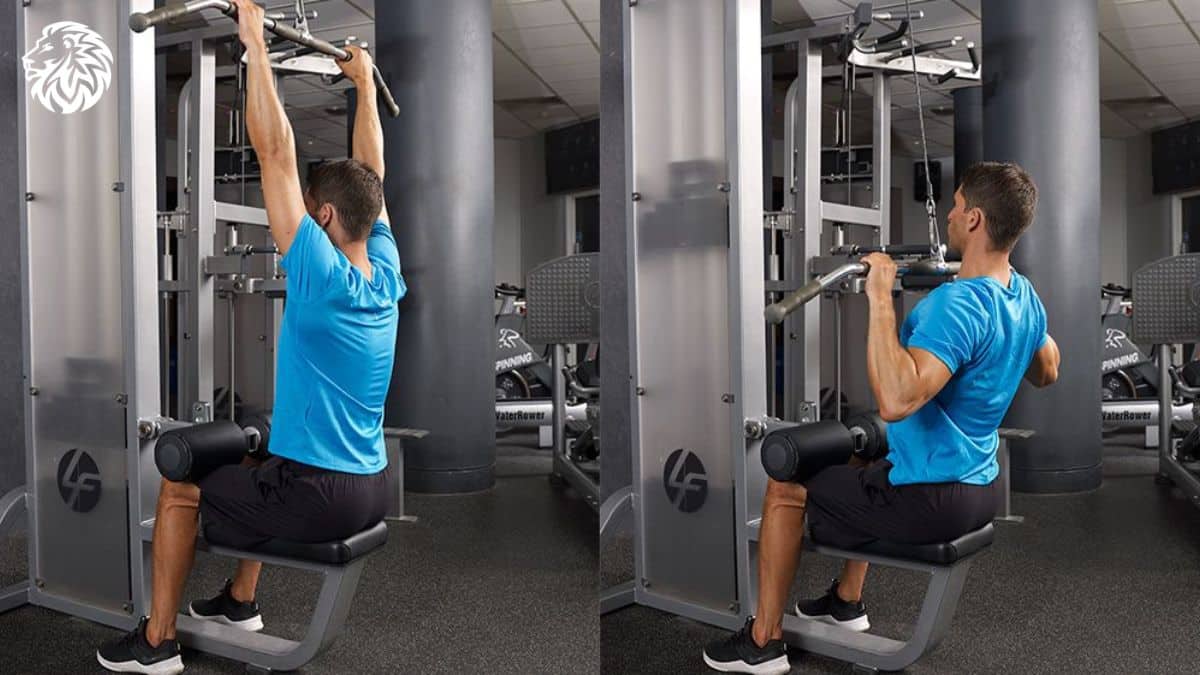
To perform Lat-Pull Downs correctly, follow these step-by-step instructions for proper form and maximum effectiveness:
- Set up the machine:
- Sit at the Lat-Pull Down station and adjust the thigh pads so they press firmly against your thighs. This prevents your body from lifting as you pull the bar down.
- Select a weight that challenges you but still allows controlled, smooth movements.
- Grip the bar:
- Use a wide overhand grip with your palms facing forward.
- Extend your arms fully so the bar starts directly above your head.
- Keep your chest lifted and core engaged.
- Begin the pull:
- Exhale as you pull the bar down toward your upper chest.
- Lead the movement with your elbows, keeping them pointed downward and slightly back.
- Avoid shrugging your shoulders—focus on engaging your lats and upper back.
- Squeeze at the bottom:
- Once the bar reaches the top of your chest, pause for 1–2 seconds.
- Squeeze your shoulder blades together to maximize muscle activation.
- Return to starting position:
- Slowly extend your arms upward, controlling the bar’s movement rather than letting it snap back.
- Inhale as you return to the starting point with arms fully extended.
- Form tips:
- Keep your torso upright and avoid leaning too far back.
- Maintain a slight arch in your lower back, not a rounded spine.
- Keep your feet flat on the floor and your core braced throughout the exercise.
By following these steps, you’ll engage the correct muscles and minimize the risk of injury while performing Lat-Pull Downs.
Muscles Targeted
Lat-Pull Downs primarily target the latissimus dorsi, the large muscles that run along the sides of your back. Strengthening these muscles creates the broad, tapered look often associated with an athletic physique. In addition, this exercise engages the biceps, forearms, rear deltoids, rhomboids, and trapezius. Together, these muscles work to stabilize your shoulders and improve overall upper-body pulling strength.
Why This Exercise is Important
Lat-Pull Downs play a key role in strengthening the upper back, which is essential for posture and balance. Many people spend long hours sitting at desks, leading to rounded shoulders and weak back muscles. Incorporating Lat-Pull Downs helps correct these issues by pulling the shoulders back and building stronger postural support.
Beyond aesthetics and posture, this exercise builds strength for functional movements. Strong lats and supporting muscles make everyday activities such as lifting, carrying, or climbing much easier. Additionally, Lat-Pull Downs help prepare you for pull-ups, giving beginners a way to build strength until they can perform bodyweight pulls.
Tips and Things to Avoid
- Maintain proper form: Keep your torso upright throughout the movement. Leaning too far back turns the exercise into more of a row.
- Control the weight: Avoid using momentum or jerking the bar down. A steady pace ensures your muscles—not gravity—do the work.
- Focus on the lats: Think about pulling through your elbows rather than your hands to maximize lat activation.
- Don’t pull behind the neck: Bringing the bar behind your head places unnecessary stress on your shoulders and neck. Stick to pulling the bar to your chest.
- Adjust grip variations: A wide grip emphasizes the outer lats, while a close or neutral grip places more focus on the middle back and biceps.
Reps and Sets
Here’s a quick breakdown of how to structure Lat-Pull Downs depending on your goal:
| Goal | Sets | Reps | Rest Period |
|---|---|---|---|
| Strength | 4–5 | 4–6 | 2–3 minutes |
| Hypertrophy (muscle growth) | 3–4 | 8–12 | 60–90 seconds |
| Endurance/toning | 2–3 | 12–15+ | 30–60 seconds |
Other Exercises to Use
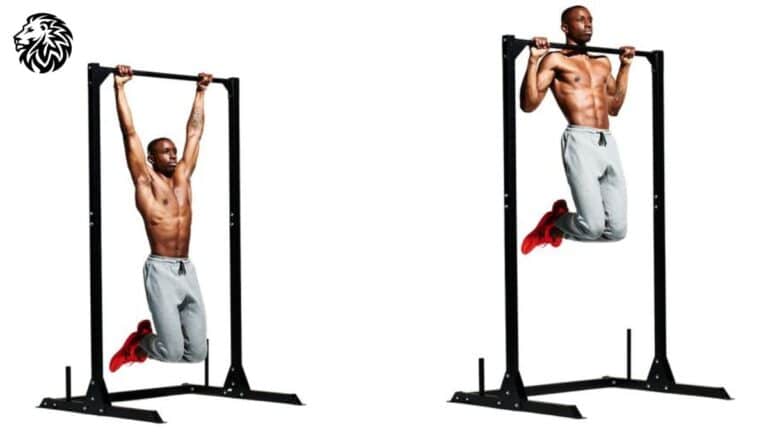
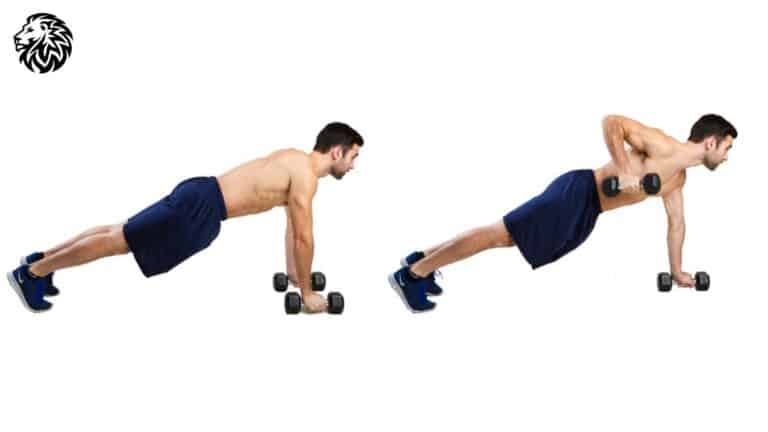
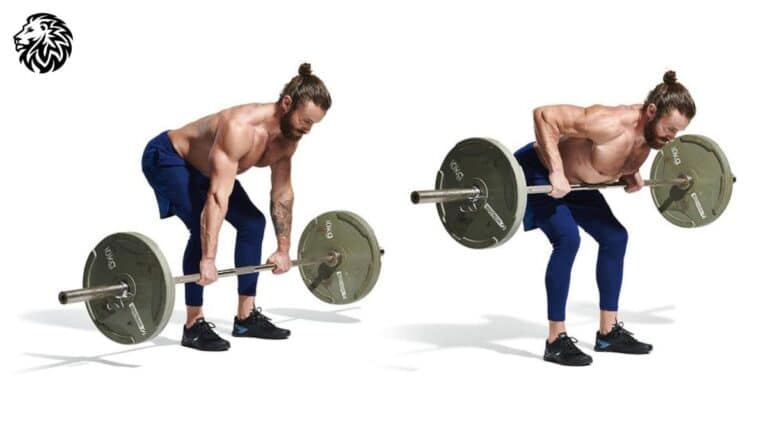
Lat-Pull Downs are effective, but they work best when combined with other back exercises. Pull-ups and chin-ups are natural progressions that build raw bodyweight strength. Barbell rows and dumbbell rows target similar muscles while improving mid-back development. Deadlifts, while more of a full-body movement, also strengthen the posterior chain and reinforce pulling strength. Incorporating a mix of these exercises creates a balanced and powerful back routine.
Final Thoughts
Lat-Pull Downs are a cornerstone exercise for anyone serious about building a strong back. They’re beginner-friendly yet effective enough for advanced lifters. By focusing on good form, using proper grip variations, and combining them with other pulling exercises, you can steadily build back strength and definition. Adding Lat-Pull Downs to your training not only improves appearance but also supports better posture and functional strength.
Frequently Asked Questions
Can beginners do Lat-Pull Downs?
Yes, beginners can safely perform Lat-Pull Downs because the weight is adjustable and form is easier to control compared to pull-ups.
Should I use a wide or close grip?
A wide grip emphasizes the outer lats, while a close grip shifts more work to the middle back and biceps. Both grips are beneficial, so consider rotating between them.
Are Lat-Pull Downs better than pull-ups?
Pull-ups are more challenging and build bodyweight strength, but Lat-Pull Downs allow you to isolate the lats and adjust resistance. Both exercises complement each other.
Can I do Lat-Pull Downs every workout?
It’s best to train them 2–3 times per week, allowing time for your muscles to recover and grow.
Is pulling behind the neck safe?
No, pulling the bar behind your neck can stress the shoulders and neck. Always pull the bar down to the chest instead.