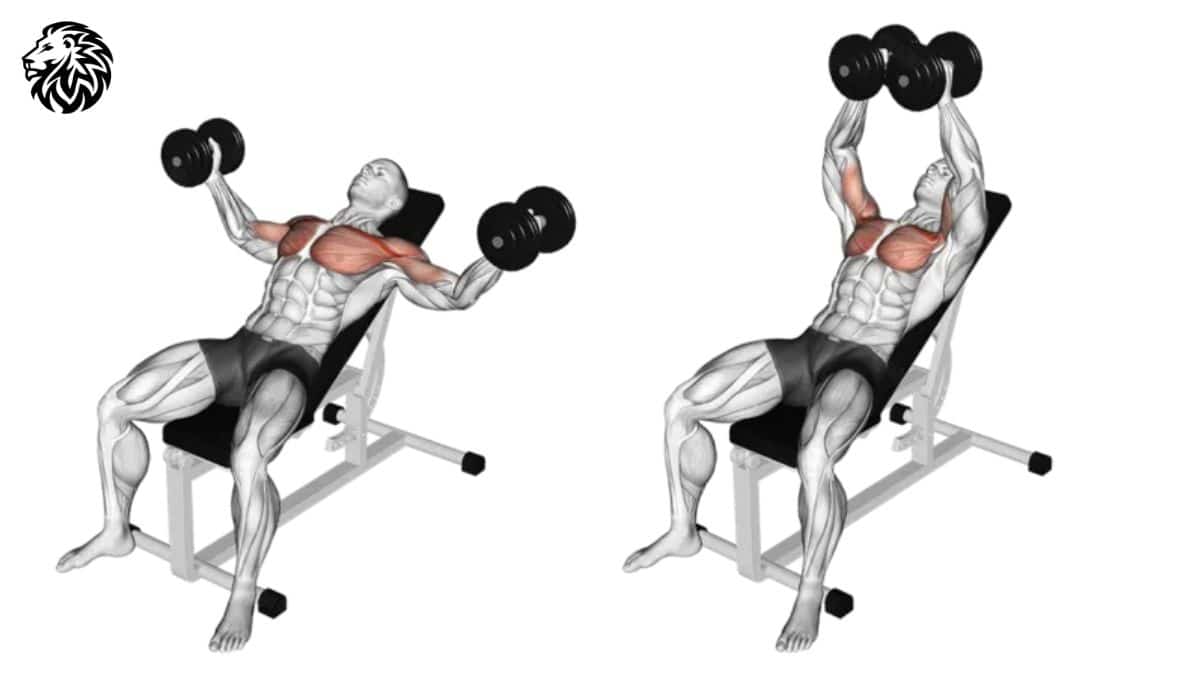
The Incline Dumbbell Fly helps you build stronger and fuller upper chest muscles. Many lifters use this movement to add shape and definition to the chest while improving control and stability. Because this exercise isolates the chest more than pressing variations, it encourages focused work that supports balanced strength. You can add it to beginner, intermediate, or advanced programs with great results.
The incline position shifts more effort to the upper portion of the pectoral muscles. This helps correct weak points that often show up during bench pressing. You will also gain better shoulder stability and a stronger mind-muscle connection. With proper form, you can build quality muscle without stressing your joints.
Exercise Instructions
Follow these steps to perform the Incline Dumbbell Fly safely and effectively:
Set Up
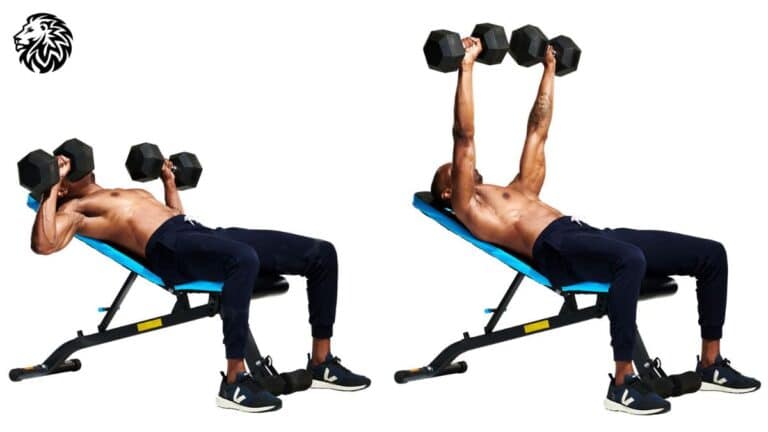
- Adjust an adjustable bench to a 30–45 degree incline.
- Sit back on the bench and place your feet flat on the floor.
- Hold a dumbbell in each hand and rest them on your thighs.
- Lean back while guiding the dumbbells to chest height.
- Extend your arms above your chest with a slight bend in your elbows.
Execution
- Lower the dumbbells in a wide arc while maintaining the soft bend in your elbows.
- Keep your palms facing each other as the weights move outward.
- Stop when your elbows reach chest level or slightly below.
- Contract your chest and bring the dumbbells back to the starting position using the same arc.
- Keep your wrists straight and your shoulder blades pulled back against the bench.
Breathing
- Inhale as you lower the dumbbells.
- Exhale as you bring the weights back together.
Form Notes
- Use a weight you can control without shaking.
- Avoid turning this movement into a press. The elbows stay slightly bent but do not change angle during the lift.
- Move with a slow and steady tempo to keep tension on the chest.
Muscles Targeted
The Incline Dumbbell Fly targets several key muscle groups that support chest development.
- Upper Pectorals: The primary focus of this exercise. The incline angle emphasizes the upper portion of the chest, helping create a fuller and more balanced look.
- Anterior Deltoids: The front shoulders support the movement and stabilize the dumbbells through the arc.
- Serratus Anterior: Works to stabilize the shoulder blade as the chest contracts.
- Biceps (as stabilizers): Assist with control but do not serve as primary drivers.
This combination builds strength, muscle control, and symmetry.
Why This Exercise Is Important
The Incline Dumbbell Fly offers several advantages for lifters at every level.
First, it isolates the chest more directly than presses. Pressing exercises recruit multiple muscle groups, but flies focus tension where you want it most. This keeps the chest under stress and encourages growth.
Second, it improves upper chest shape. Many lifters notice that their lower chest grows faster than their upper chest. By adding incline work, you train a commonly neglected area and improve your overall physique.
Third, the Incline Dumbbell Fly promotes joint stability. The movement pattern requires controlled motion, which strengthens the small stabilizer muscles around the shoulders. This can support safer pressing in other workouts.
Finally, it enhances your mind-muscle connection. Each rep forces you to actively engage your chest. Better muscle awareness leads to better activation in other lifts.
Tips and Things to Avoid
Use these pointers to get more out of your Incline Dumbbell Fly while reducing mistakes:
Tips
- Keep your elbows fixed at the same slight bend throughout the movement.
- Squeeze your chest at the top of each rep.
- Maintain a controlled pace on both the lowering and lifting phases.
- Pull your shoulder blades back and down before starting each rep.
- Choose lighter dumbbells when learning proper form.
Things to Avoid
- Do not let your elbows drop too far below your chest. Excessive depth stresses your shoulders.
- Do not turn the movement into a press by bending and straightening your elbows.
- Avoid arching your lower back too much.
- Do not rush the reps. Fast movements reduce chest tension.
Reps and Sets
Here is a quick reference for effective programming.
| Training Goal | Sets | Reps | Rest |
|---|---|---|---|
| Muscle Growth | 3–4 | 10–15 | 60–90 seconds |
| Strength Endurance | 2–3 | 12–20 | 60 seconds |
| Beginners | 2–3 | 8–12 | 60–90 seconds |
Other Exercises to Use
Adding variety helps you build a complete chest routine. Pair the Incline Dumbbell Fly with exercises such as:
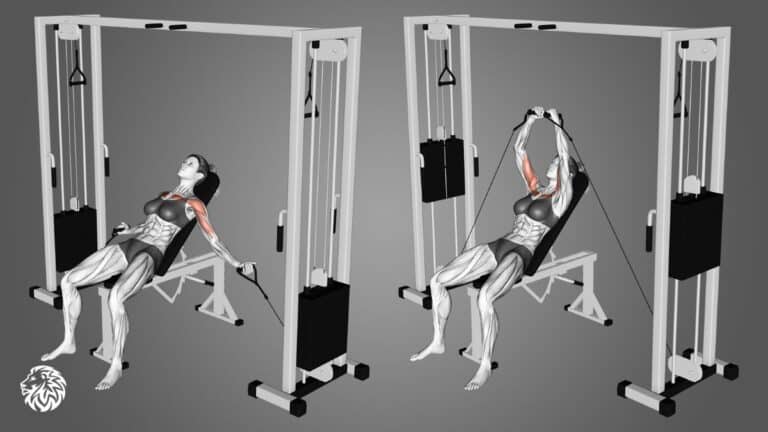
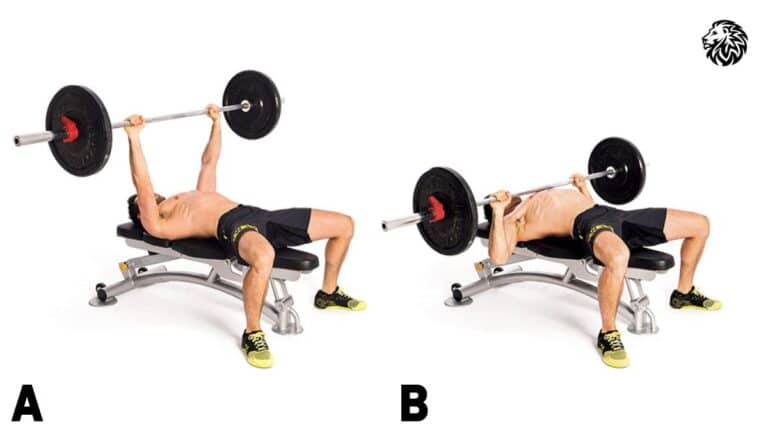
- Incline Dumbbell Press for more strength in the upper chest.
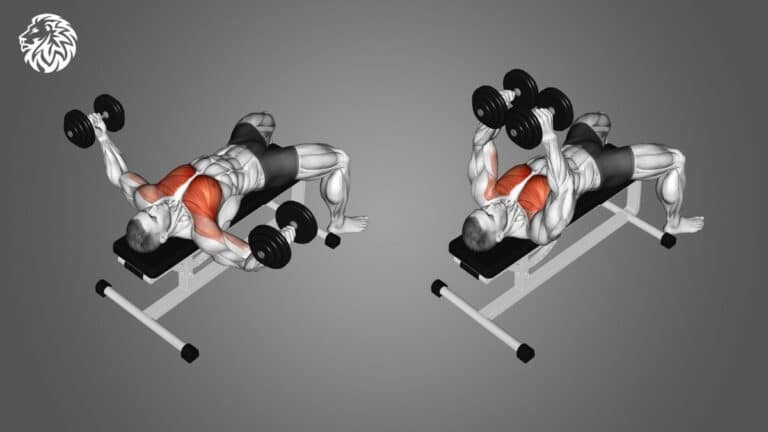
- Flat Dumbbell Fly for balanced chest development.
- Pushups for functional strength and endurance.
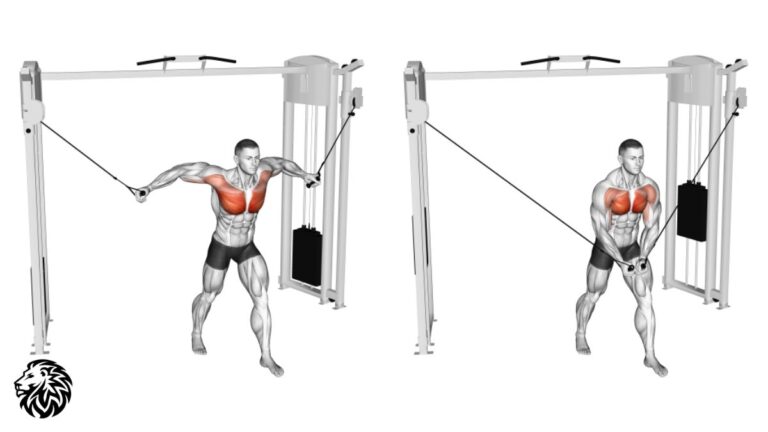
- Cable Crossovers for finishing work with constant tension.
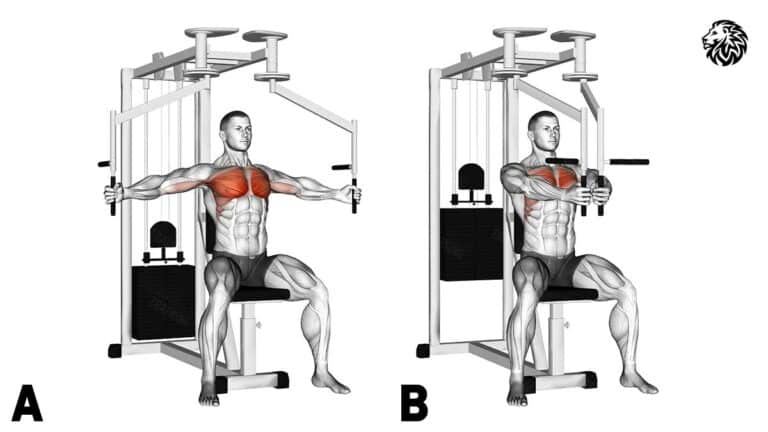
- Chest Press Machine for controlled strength training with reduced stabilization demands.
Using a mix of pressing and fly movements ensures you train your chest from multiple angles.
Final Thoughts
The Incline Dumbbell Fly helps you shape a stronger and more defined upper chest. Its simple motion makes it a great exercise for both beginners and experienced lifters, and it works well in almost any chest routine. When you move with control and keep tension focused on the chest, you promote steady gains and improved lifting performance. Add this exercise once or twice a week, adjust your weights gradually, and pay attention to form so your chest continues to grow safely and evenly.
Frequently Asked Questions
How high should the bench incline be?
A 30–45 degree incline works best for activating the upper chest without shifting too much stress to the shoulders.
Should I lift heavy for Incline Dumbbell Fly?
Use weights that allow controlled movement. Heavy loads can compromise form and shift tension away from the chest.
Can beginners do the Incline Dumbbell Fly?
Yes. Beginners should start with light weights to learn the movement pattern before progressing.
Where should I feel the exercise?
You should feel a stretch along your chest during the lowering phase and a strong chest contraction as you bring the dumbbells back together.
How often should I include this exercise?
Most lifters benefit from adding it once or twice a week within a balanced chest workout.