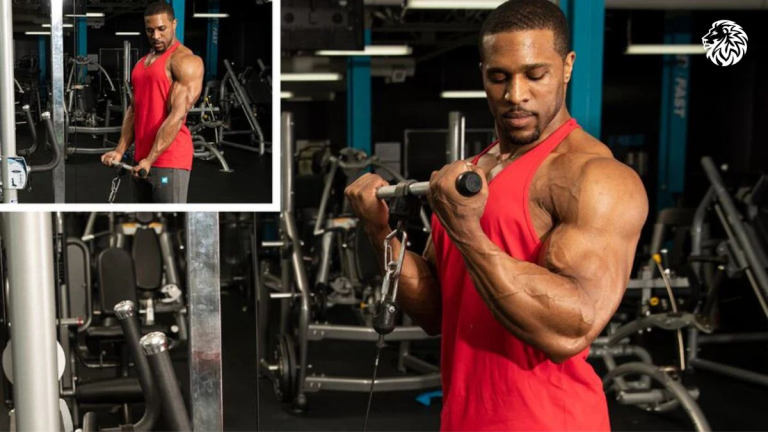
The Incline Dumbbell Curl is a classic arm exercise that deserves a regular spot in your workout routine. It targets the biceps with precision while limiting momentum, which helps you build strength and size through controlled movement. By performing the curl on an incline bench, you place your arms behind your body. This position increases tension on the biceps, especially at the start of the lift, where many lifters struggle most.
If your goal is better bicep definition, improved arm strength, or stronger pulling performance in other lifts, the Incline Dumbbell Curl delivers consistent results. It also works well for beginners who want to learn proper curling mechanics and experienced lifters who want stricter form and better muscle engagement.
Exercise Instructions: How to Do an Incline Dumbbell Curl
Setting up the Incline Dumbbell Curl correctly makes a major difference in how effective the exercise feels and how safe it remains.
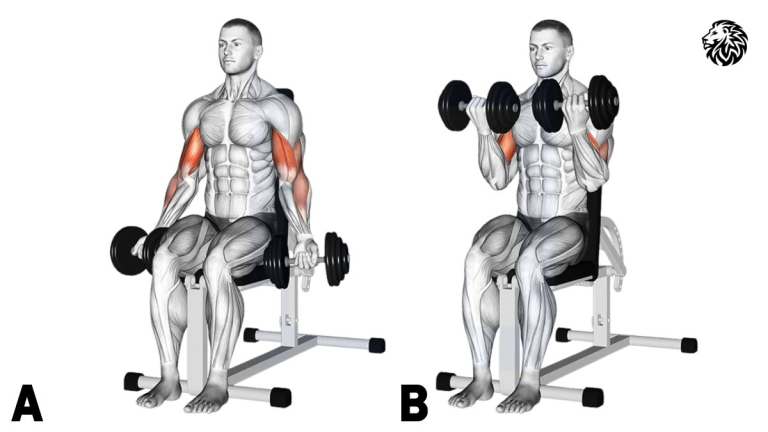
- Adjust an incline bench to a 45- to 60-degree angle and sit back with your upper body fully supported.
- Place your feet flat on the floor and hold a dumbbell in each hand.
- Let your arms hang straight down with palms facing forward.
- Relax your shoulders and keep your upper arms slightly behind your torso.
Before you begin curling, focus on proper posture and stability.
- Brace your core to support your lower back.
- Gently pull your shoulder blades back into the bench.
- Keep your chest open and avoid rounding your shoulders.
Begin the curling movement with control.
- Curl the dumbbells upward by bending at the elbows.
- Keep your upper arms still throughout the lift.
- Allow your forearms to rotate naturally as the dumbbells rise.
- Lift until the dumbbells reach shoulder height or just below.
- Squeeze your biceps briefly at the top of each rep.
Lower the weights with intention.
- Slowly lower the dumbbells back to the starting position.
- Maintain full control during the descent.
- Avoid letting the weights drop or swing.
- Pause briefly once your arms are fully extended before the next rep.
Focus on breathing and tempo.
- Exhale as you curl the dumbbells upward.
- Inhale as you lower them back down.
- Keep each repetition smooth, steady, and controlled.
Muscles Targeted by the Incline Dumbbell Curl
The Incline Dumbbell Curl focuses primarily on the biceps brachii. Because your arms start behind your body, the long head of the biceps receives extra emphasis. This portion of the muscle plays a major role in creating the peak many lifters aim for.
The brachialis also assists during the movement. This muscle lies beneath the biceps and contributes to overall arm thickness. The brachioradialis, located in the forearm, provides additional support during the curl.
Secondary muscles include the forearm flexors and stabilizing muscles in the shoulders and core. While these muscles do not drive the movement, they help maintain posture and control throughout each rep.
Why the Incline Dumbbell Curl Is Important
The Incline Dumbbell Curl stands out because it limits cheating and encourages strict form. Unlike standing curls, you cannot swing the weights or use hip drive to help lift the dumbbells. This leads to better muscle engagement and more effective training sessions.
The extended arm position places the biceps under tension from the very beginning of each rep. This increased stretch can help improve strength through a greater range of motion. Many lifters find that this exercise highlights weak points in their curl strength, which leads to better long-term progress.
This exercise also helps balance arm development. Using dumbbells allows each arm to work independently, reducing strength imbalances that can develop over time. Balanced strength supports joint health and improves performance in compound pulling movements such as rows and pull-ups.
Tips and Things to Avoid When Performing Incline Dumbbell Curls
Choose a weight that allows full control. Lifting too heavy often leads to poor form and reduced bicep engagement. You should feel tension in the biceps throughout the entire movement.
Keep your upper arms stationary. Avoid letting your elbows drift forward as you curl. Forward movement shifts tension away from the biceps and reduces effectiveness.
Control the lowering phase. Lowering the dumbbells slowly increases time under tension and supports muscle growth. Do not rush this part of the exercise.
Avoid locking out your elbows aggressively at the bottom. Extend your arms fully, but keep a slight bend to protect your joints.
Do not shrug your shoulders during the lift. Shoulder movement reduces isolation and can cause unnecessary strain. Focus on curling with your arms while keeping your shoulders relaxed.
Reps and Sets for Incline Dumbbell Curl
| Goal | Sets | Reps | Rest |
|---|---|---|---|
| Muscle Endurance | 2–3 | 12–15 | 30–45 seconds |
| Muscle Growth | 3–4 | 8–12 | 60–90 seconds |
| Strength Focus | 4–5 | 6–8 | 90–120 seconds |
Adjust the weight based on your experience level and goals. Maintain proper form across all sets for best results.
Other Exercises to Use Alongside Incline Dumbbell Curl
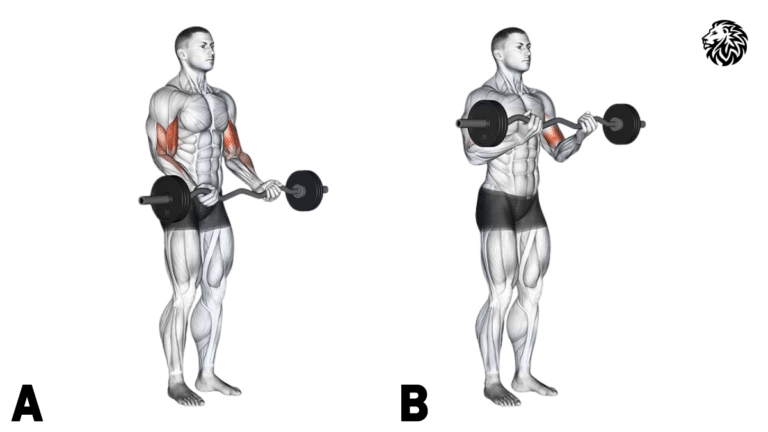
Pairing the Incline Dumbbell Curl with complementary movements creates a balanced arm workout. Standing Dumbbell Curls allow you to use slightly heavier weights and develop overall bicep strength. Hammer Curls emphasize the brachialis and forearms, which improves arm thickness.
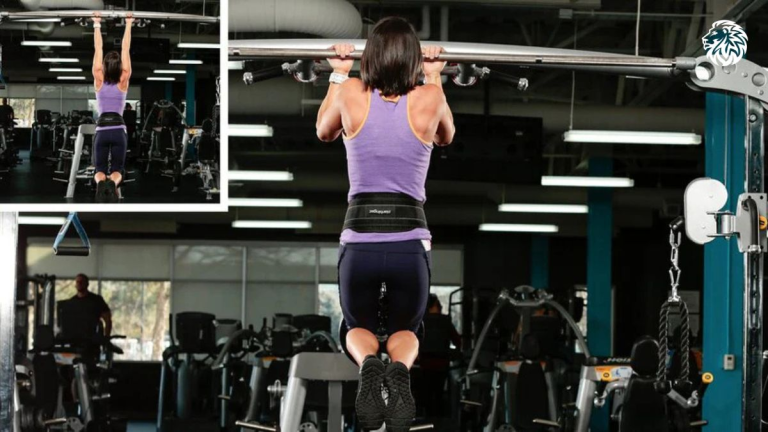
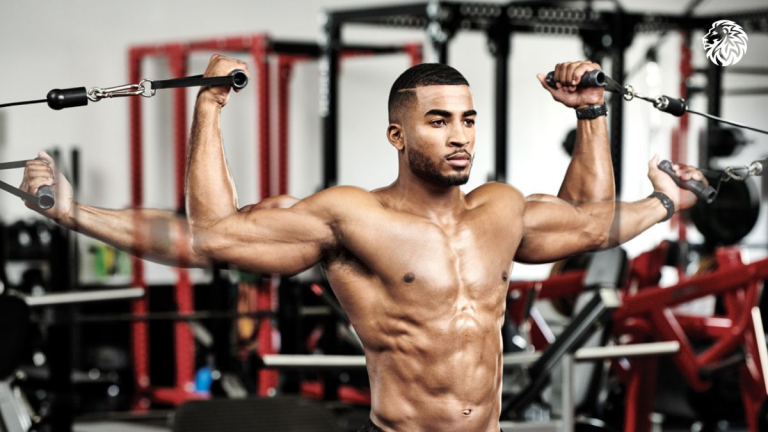
Preacher Curls also place the biceps in a stretched position and reinforce strict form. Cable Curls provide constant tension and work well as a finishing exercise. Chin-ups offer a compound option that builds arm strength while engaging the back.
Using a mix of isolation and compound exercises leads to steady progress and more complete arm development.
Final Thoughts on the Incline Dumbbell Curl
The Incline Dumbbell Curl remains one of the most effective exercises for building strong, defined biceps. Its setup encourages strict form, reduces momentum, and increases muscle tension where it matters most. Whether you train at home or in a gym, this movement fits easily into most upper-body routines.
Focus on control, proper positioning, and consistent effort. Over time, the Incline Dumbbell Curl can improve arm strength, muscle balance, and overall training quality.
Frequently Asked Questions
Is the Incline Dumbbell Curl better than standing curls?
Each exercise serves a purpose. Incline Dumbbell Curls emphasize strict form and bicep stretch, while standing curls allow heavier loads.
What bench angle works best for Incline Dumbbell Curl?
A bench angle between 45 and 60 degrees works well for most lifters. Steeper angles reduce stretch, while lower angles increase difficulty.
Should I rotate my wrists during the curl?
A natural rotation feels comfortable for many lifters, but keeping palms facing forward also works. Choose the option that feels stable and controlled.
Can beginners perform Incline Dumbbell Curls?
Yes. Beginners should start with lighter weights and focus on form before increasing load.
How often should I train Incline Dumbbell Curls?
Two times per week works well for most people, depending on overall training volume and recovery.