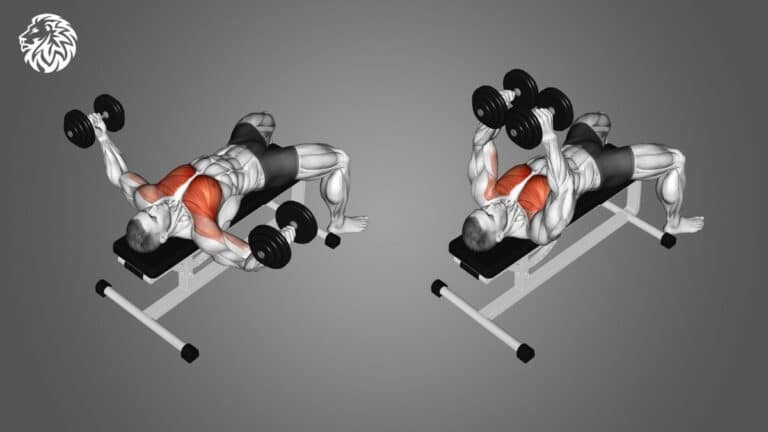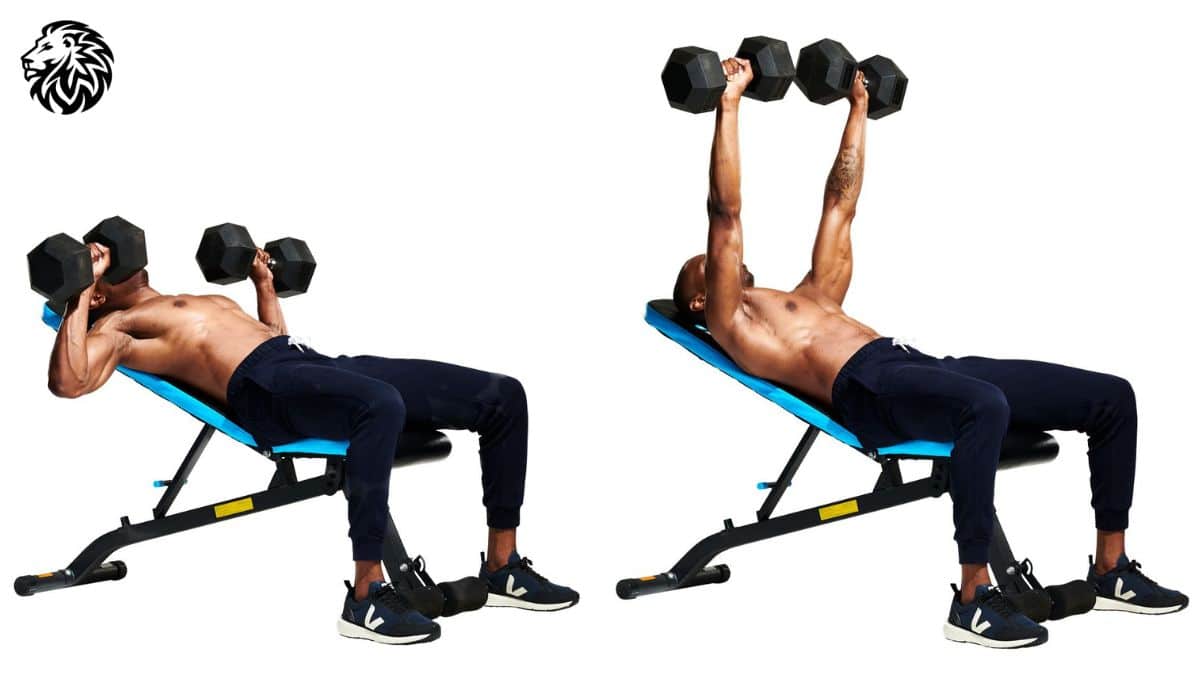
The Incline Dumbbell Bench Press is a powerful upper-body exercise that builds strength, size, and definition in the chest and shoulders. Unlike the flat bench press, this variation emphasizes the upper portion of the chest while also engaging stabilizing muscles. Whether you’re a beginner looking to improve your pressing strength or an experienced lifter aiming to refine your chest development, adding this movement to your routine can deliver strong results.
Exercise Instructions
To perform the Incline Dumbbell Bench Press correctly, you need a pair of dumbbells and an adjustable bench. Follow these steps:
- Set up the bench: Adjust the bench to a 30–45-degree incline. This angle shifts the focus to your upper chest without overloading your shoulders.
- Position yourself: Sit on the bench with a dumbbell in each hand, resting them on your thighs.
- Lie back carefully: As you lean back, use your legs to help guide the dumbbells into position near your chest.
- Start position: Hold the dumbbells at shoulder width with your palms facing forward. Keep your feet planted firmly on the ground, core engaged, and back pressed against the bench.
- Press upward: Push the dumbbells up until your arms are fully extended but not locked out. Maintain control throughout the movement.
- Lower under control: Slowly bring the dumbbells down until they are level with your chest, elbows bent at about 90 degrees.
- Repeat: Continue pressing for the desired number of repetitions, maintaining smooth, controlled movements.
Muscles Targeted
The Incline Dumbbell Bench Press works multiple muscle groups:
- Upper chest (clavicular head of the pectoralis major) – the main focus of the incline angle.
- Anterior deltoids – your front shoulders support and stabilize the movement.
- Triceps brachii – help extend the elbows during the press.
- Serratus anterior and stabilizers – keep the dumbbells steady and your form tight.
Why This Exercise is Important
Many lifters focus heavily on the flat bench press, which often leads to an underdeveloped upper chest. The Incline Dumbbell Bench Press corrects this imbalance by building muscle mass in an area that shapes the chest for a fuller look. It also improves pressing strength for sports, daily activities, and other weightlifting movements. Because dumbbells allow for a greater range of motion compared to a barbell, this exercise enhances joint stability, muscle activation, and symmetry between your left and right sides.
Tips and Things to Avoid
- Choose the right weight: Start lighter than you would on a flat bench press. The incline angle makes the exercise harder.
- Control your form: Avoid bouncing the dumbbells off your chest or letting them drift too far forward.
- Protect your shoulders: Keep the bench angle at 30–45 degrees. A steeper incline shifts too much stress onto your shoulders.
- Engage your core: Keep your lower back pressed against the bench to prevent arching.
- Breathe properly: Inhale as you lower the dumbbells, exhale as you press them up.
Reps and Sets (Tabular Summary Format)
| Goal | Sets | Reps | Rest Between Sets |
|---|---|---|---|
| Strength | 4–6 | 4–6 reps | 2–3 minutes |
| Hypertrophy (size) | 3–4 | 8–12 reps | 60–90 seconds |
| Endurance | 2–3 | 12–15 reps | 30–60 seconds |
Other Exercises to Use
To maximize chest and upper-body development, pair the Incline Dumbbell Bench Press with other effective exercises:
- Flat Barbell Bench Press – builds overall chest and pushing strength.
- Incline Barbell Press – adds heavier load at the same angle.
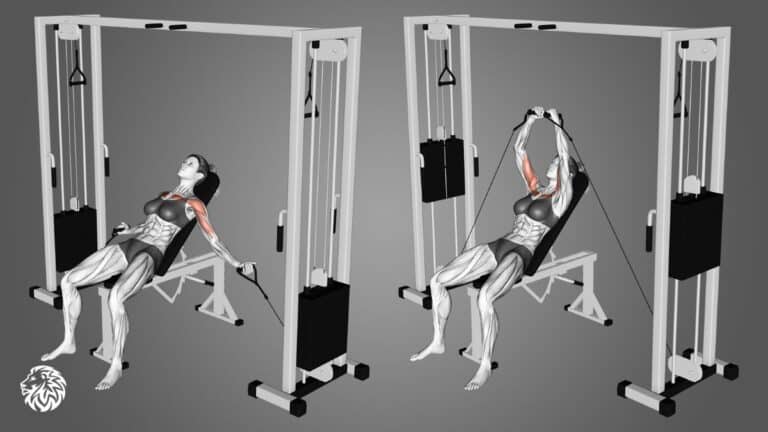
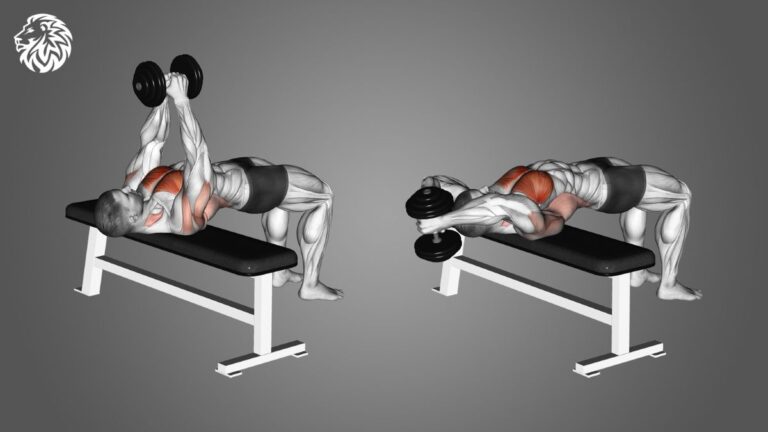
- Chest Fly (Incline or Flat) – stretches and isolates the chest.
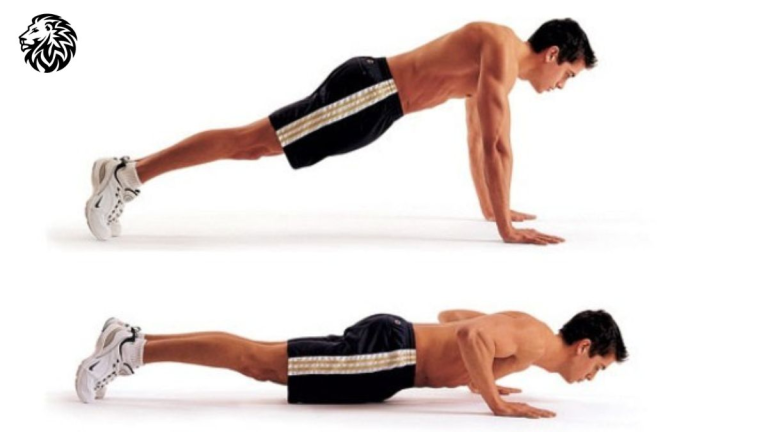
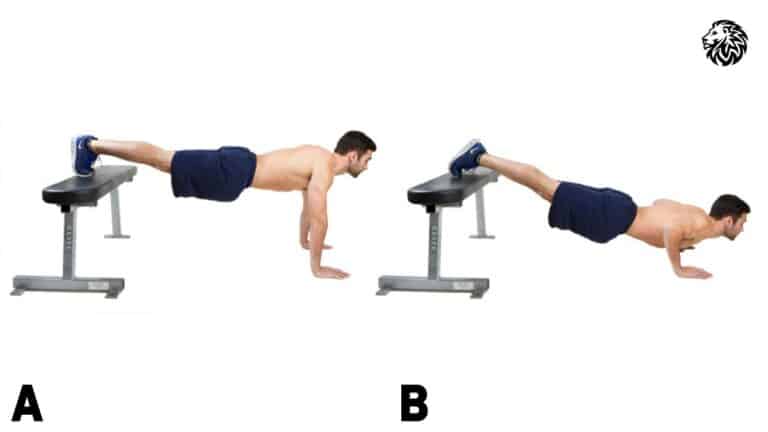
- Push-Ups – a versatile bodyweight alternative for pressing strength.
- Overhead Shoulder Press – complements chest training by strengthening the deltoids.
Final Thoughts
The Incline Dumbbell Bench Press is one of the best lifts for developing the upper chest and improving pressing strength. By following proper form, selecting the right weights, and programming it correctly into your workout, you can build a stronger, more balanced upper body. Whether your goal is strength, muscle size, or overall fitness, this exercise deserves a place in your routine.
Frequently Asked Questions
Is the Incline Dumbbell Bench Press better than the flat bench press?
Neither is “better,” but they target different areas. The flat bench focuses on the middle chest, while the incline emphasizes the upper chest.
What angle is best for the Incline Dumbbell Bench Press?
A 30–45-degree incline is ideal. Anything steeper puts too much strain on your shoulders.
Should I use dumbbells or a barbell for incline pressing?
Dumbbells allow for more range of motion and improve balance, while barbells let you lift heavier. Both are valuable and can be rotated in your program.
Can beginners do the Incline Dumbbell Bench Press?
Yes, beginners can start with light weights and focus on proper form before progressing to heavier loads.
How often should I do Incline Dumbbell Bench Press?
Most people benefit from doing it 1–2 times per week as part of a balanced chest workout routine.