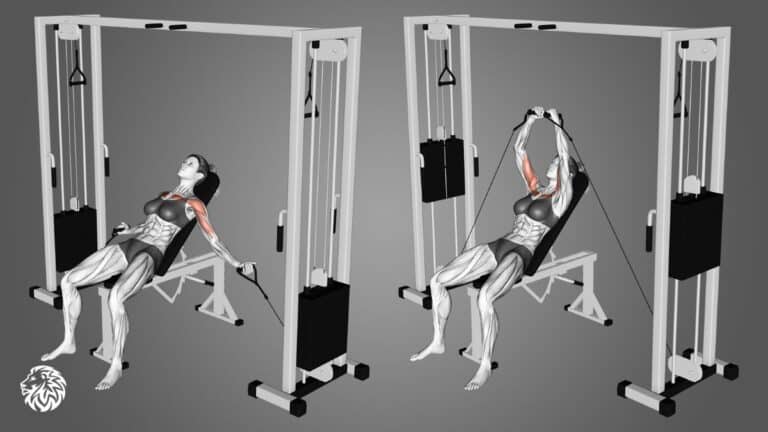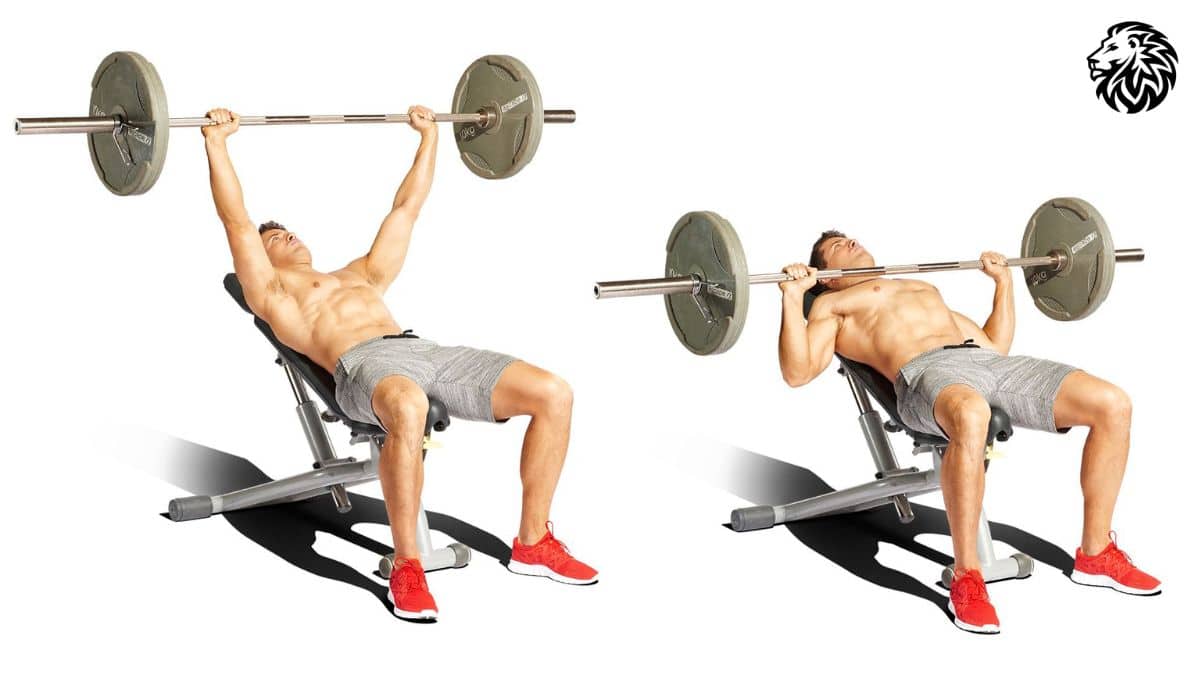
The incline barbell bench press strengthens your upper chest while supporting shoulder development and overall pressing strength. Many lifters use it to improve muscle balance, boost aesthetics, and build a stronger bench. Because the incline angle shifts tension higher on the chest, it offers an effective variation for anyone who wants to improve upper-body size and power. Whether you train at home or in a gym, this lift deserves a place in your routine.
Exercise Instructions
To perform the incline barbell bench press correctly, follow these steps:
- Set the bench angle. Adjust the bench to roughly 30–45 degrees. Lower angles hit the upper chest more, while higher angles shift extra stress to the shoulders.
- Load the barbell. Choose a weight that allows you to maintain control throughout the set. Start lighter if you are new to the movement.
- Position yourself on the bench. Sit down and lie back so your eyes line up under the bar. Plant your feet flat on the floor with a stable base.
- Grip the bar. Place your hands slightly wider than shoulder-width. Keep your wrists straight and your knuckles facing upward.
- Unrack the bar. Press the bar upward to lift it off the rack and hold it above your upper chest with your arms extended.
- Lower the bar. Bring the bar down in a controlled motion to the upper chest area. Your elbows should angle down and slightly forward rather than flaring out.
- Press upward. Push the bar back to the starting position. Keep your shoulder blades pulled back and your feet firmly planted. Exhale as you press.
- Repeat for the desired reps. Maintain smooth, controlled movements. Avoid bouncing the bar or letting your lower back arch excessively.
Taking time to learn proper form builds confidence, reduces injury risk, and helps you lift heavier weights over time.
Muscles Targeted
The incline barbell bench press targets several upper-body muscles:
- Upper Pectorals (Clavicular Head): The incline position shifts most of the workload toward the upper portion of your chest.
- Anterior Deltoids: Your front shoulders assist with the pressing motion.
- Triceps Brachii: These muscles help extend your arms during the lift.
- Serratus Anterior: This supportive muscle stabilizes the shoulder throughout the press.
- Upper Back Stabilizers: Your lats and rhomboids help keep the shoulder blades tight and stable.
Focusing on these muscles improves upper-body strength and enhances performance in other pressing exercises.
Why This Exercise is Important
The incline barbell bench press helps people build balanced chest development. Many lifters emphasize flat pressing movements, which can leave the upper chest undertrained. Adding incline barbell bench press work corrects that gap, providing a fuller and stronger chest.
This movement also carries over to daily life and other lifts. A stronger upper chest improves shoulder stability and supports overhead work. It makes pressing motions feel more controlled and powerful, whether you perform dumbbell presses, push-ups, or heavy barbell work.
Because the incline setup reduces stress on the shoulders compared to a steeper angle, it offers a safer path for many lifters who want to press without joint irritation. Over time, consistency with this exercise leads to visible improvements in muscle shape and strength.
Tips and Things to Avoid
Using proper technique enhances effectiveness and reduces injury risk. Keep these tips in mind:
Helpful Tips
- Keep your shoulder blades squeezed together for better stability.
- Drive your feet into the floor to create stronger pressing power.
- Lower the bar under control to keep tension on the chest.
- Use a spotter when lifting heavy.
- Keep your wrists aligned with your forearms to protect the joints.
- Warm up with lighter sets before moving to heavy loads.
Common Mistakes to Avoid
- Avoid setting the bench too high, which places too much stress on the shoulders.
- Avoid flaring your elbows wide, which reduces chest engagement and stresses the joints.
- Avoid bouncing the bar off your chest.
- Avoid losing contact with the bench or lifting your hips in an attempt to move heavier weight.
- Avoid gripping the bar too wide, which can strain the shoulders.
Correcting these mistakes helps you progress safely and keeps your form strong.
Reps and Sets
| Training Goal | Sets | Reps | Rest |
|---|---|---|---|
| Strength | 4–6 | 4–6 | 2–3 minutes |
| Hypertrophy (Muscle Growth) | 3–4 | 8–12 | 60–90 seconds |
| Endurance | 2–3 | 12–15+ | 45–60 seconds |
Other Exercises to Use
If you want to support your incline barbell bench press progress, add these exercises to your routine:
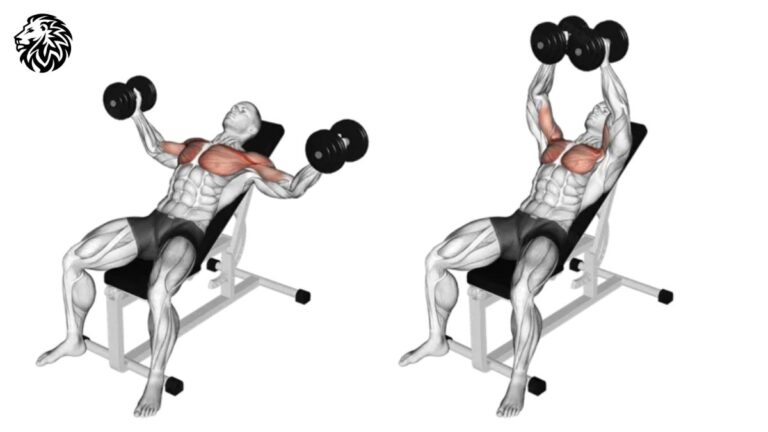
- Incline Dumbbell Press: A great way to increase range of motion and activate stabilizing muscles.
- Flat Barbell Bench Press: A classic lift that builds overall chest and pressing strength.
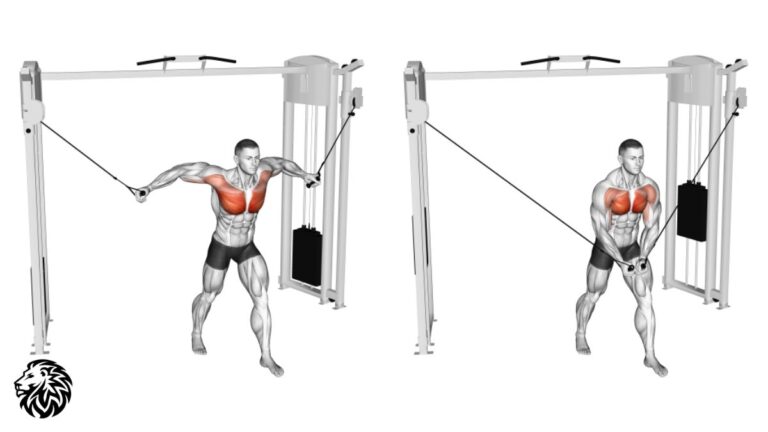
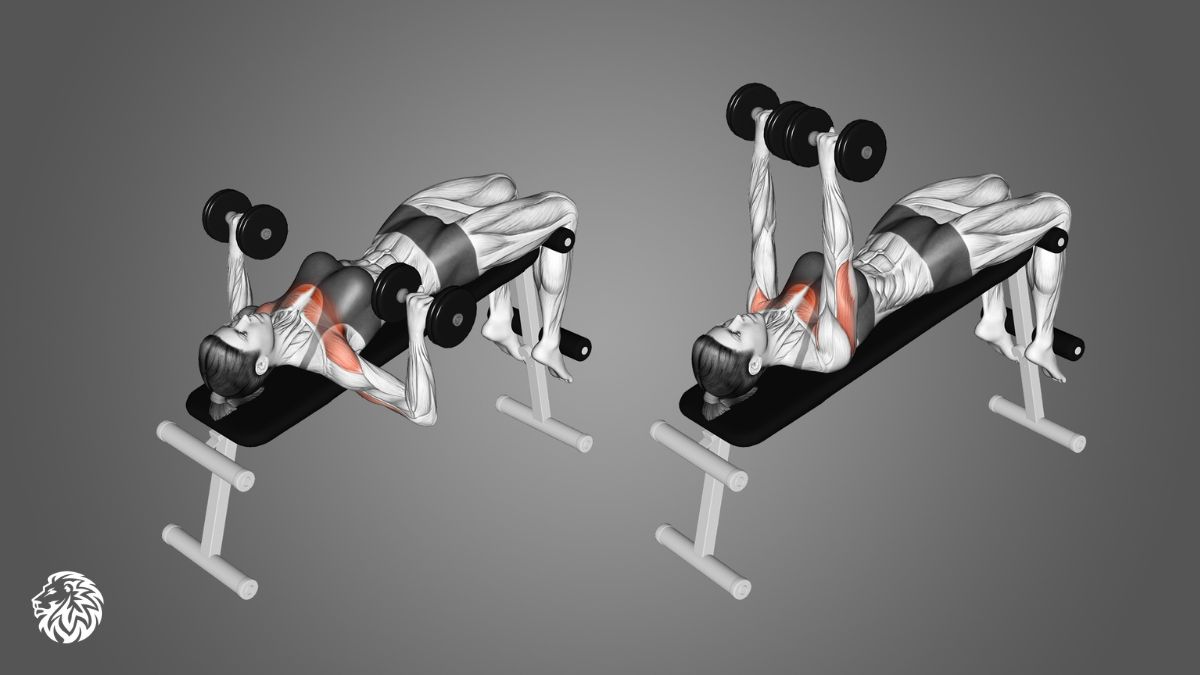
- Chest Flyes (Dumbbells or Cable): Helps stretch and isolate the chest for improved muscle definition.
- Seated Overhead Press: Supports shoulder strength, which improves your incline pressing performance.
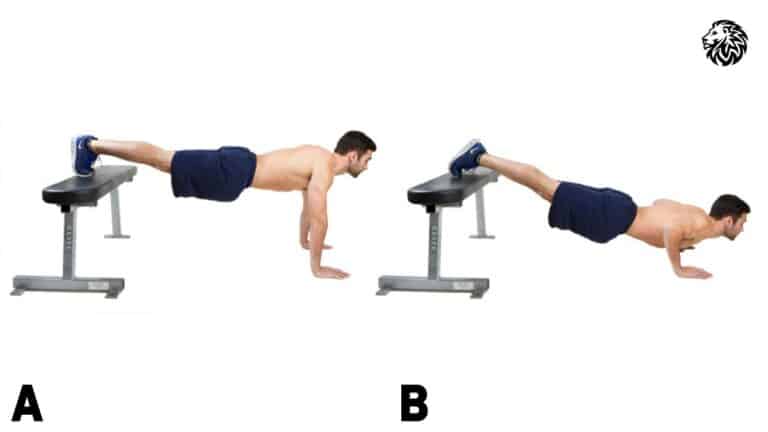
- Push-Ups: A simple but effective bodyweight option for extra volume and chest engagement.
These exercises work well together to create a full upper-body routine.
Final Thoughts
The incline barbell bench press offers a strong path to building a well-rounded chest and increasing upper-body power. It supports shoulder development, provides a safer pressing angle for many lifters, and helps correct muscle imbalances caused by focusing only on flat pressing variations. By using proper form and progressing gradually, you create steady improvements in strength and muscle size.
Remember to combine this lift with a well-structured program, choose weights you can control, and follow consistent training habits. With time, you’ll notice stronger lifts, better posture, and improved upper-body shape.
Frequently Asked Questions
How high should I set the incline bench?
Most lifters start around 30 degrees. Higher angles hit the shoulders more, while lower angles target the upper chest.
Should the bar touch my chest?
Yes, aim to bring the bar down to your upper chest while keeping control. Stopping too high shortens the range of motion.
Can beginners do incline barbell bench press?
Yes. Start with an empty bar or light weight to learn proper form before increasing load.
Is incline bench better than flat bench?
Both lifts serve different purposes. Incline builds the upper chest, while flat bench targets the mid-chest and overall pressing strength.
How often should I train incline barbell bench press?
Two times per week works well for most people, depending on your program and recovery.