The High Cable Bicep Curl is a smart addition to any upper-body workout. It keeps steady tension on the biceps through the entire movement, which helps improve muscle control and growth. Unlike free-weight curls, the cable setup limits momentum and forces your arms to do the work from start to finish. This makes the High Cable Bicep Curl a strong option for both beginners and experienced lifters who want better bicep engagement.
You can use this exercise to build size, improve symmetry, or refine your mind-muscle connection. It also places your arms in a slightly different position than standard curls, which helps stimulate the biceps in a new way. When performed with proper form, the High Cable Bicep Curl delivers consistent results without putting unnecessary stress on your joints.
Exercise Instructions: How to Do the High Cable Bicep Curl
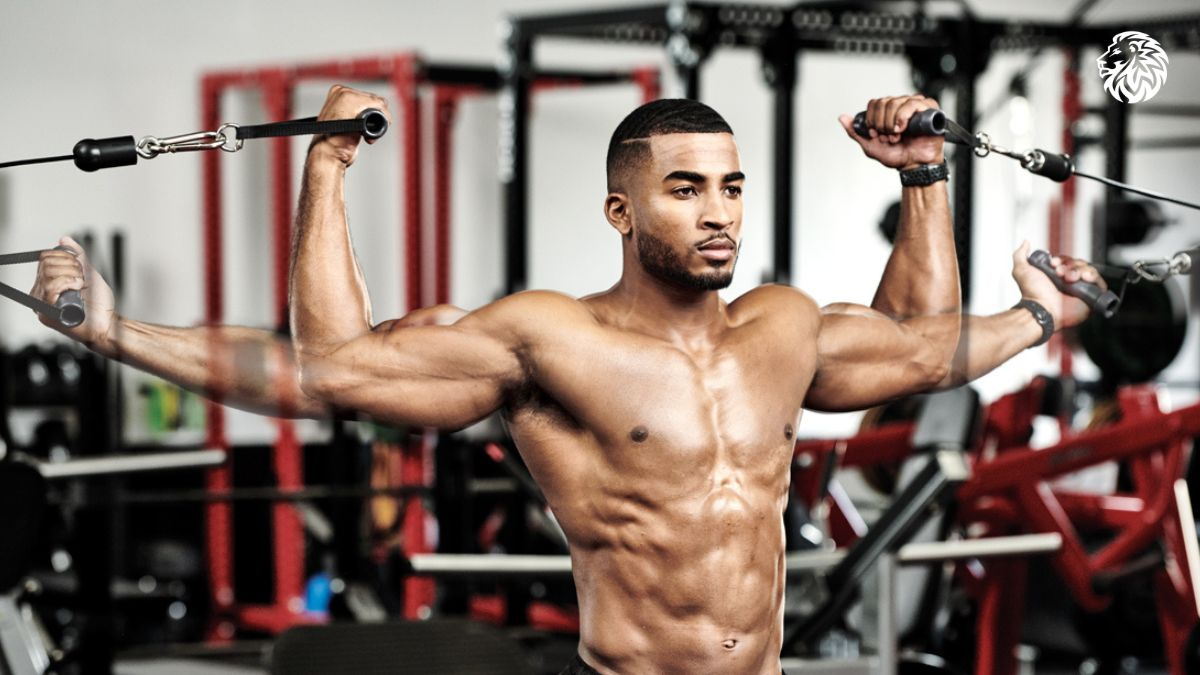
- Set the cable pulleys to shoulder height or slightly above on both sides of a dual-cable machine.
- Attach single handles to each pulley.
- Stand in the center of the machine with your feet shoulder-width apart.
- Grab one handle in each hand with your palms facing up and your arms extended out to the sides.
- Step forward slightly to create tension in the cables before starting the movement.
- Keep your chest up, core tight, and shoulders down and back.
- Maintain your elbows in line with your shoulders throughout the exercise.
- Curl the handles toward your head by bending your elbows.
- Focus on squeezing your biceps as your hands move inward.
- Stop when your forearms are near your temples or when you reach a strong contraction.
- Pause briefly at the top of the movement.
- Slowly return the handles to the starting position under control.
- Fully extend your arms without locking your elbows.
- Keep constant tension in the cables during the descent.
- Repeat for the desired number of reps while keeping your torso still.

Muscles Targeted by the High Cable Bicep Curl
The primary muscle worked during the High Cable Bicep Curl is the biceps brachii. This muscle is responsible for elbow flexion and plays a major role in arm size and strength. The exercise places the biceps under constant load, which helps improve muscle activation.
The brachialis also assists during the movement. This muscle sits beneath the biceps and contributes to overall arm thickness. The brachioradialis, located in the forearm, helps stabilize the curl and supports elbow movement.
Secondary muscles include the deltoids and upper back stabilizers. These muscles help maintain proper arm position and posture while you perform the exercise. Your core muscles also engage to keep your torso steady.
Why the High Cable Bicep Curl Is Important
The High Cable Bicep Curl stands out because it provides continuous resistance. Unlike dumbbells, cables do not rely on gravity alone. This keeps the biceps working during both the lifting and lowering phases.
This exercise also helps improve muscle symmetry. Since each arm works independently, it becomes easier to spot and correct strength imbalances. You can adjust resistance evenly on both sides to promote balanced development.
Another benefit is joint comfort. The cable path allows for a smooth, controlled motion that reduces strain on the elbows. This makes the High Cable Bicep Curl a solid choice during hypertrophy phases or lighter recovery sessions.
It also improves your ability to isolate the biceps. By removing momentum and limiting body movement, you train the muscle more effectively. Over time, this leads to better strength carryover into other pulling and curling movements.
Tips and Things to Avoid When Performing the High Cable Bicep Curl
Use a moderate weight that allows full control. Heavy loads often lead to swinging or shoulder movement, which reduces bicep engagement. Focus on quality reps instead of chasing heavier numbers.
Keep your elbows high and in a fixed position. Letting them drop turns the exercise into a standard cable curl and shifts tension away from the intended angle. Maintain steady posture throughout each set.
Avoid leaning back or stepping too far forward. Excess body movement lowers effectiveness and increases injury risk. Stand tall and brace your core before each rep.
Control the negative portion of the lift. Lower the handles slowly instead of letting the cables pull your arms back. This increases time under tension and improves results.
Do not lock your elbows at the bottom. Maintain slight tension to protect your joints and keep the muscle engaged.
Reps and Sets for the High Cable Bicep Curl
| Training Goal | Sets | Reps |
|---|---|---|
| Muscle Growth | 3–4 | 10–15 |
| Strength Support | 4 | 8–12 |
| Endurance | 2–3 | 15–20 |
| Finisher Sets | 2 | 12–15 |
Rest 45 to 75 seconds between sets. Adjust resistance based on your goal and current training phase.
Other Exercises to Use with the High Cable Bicep Curl
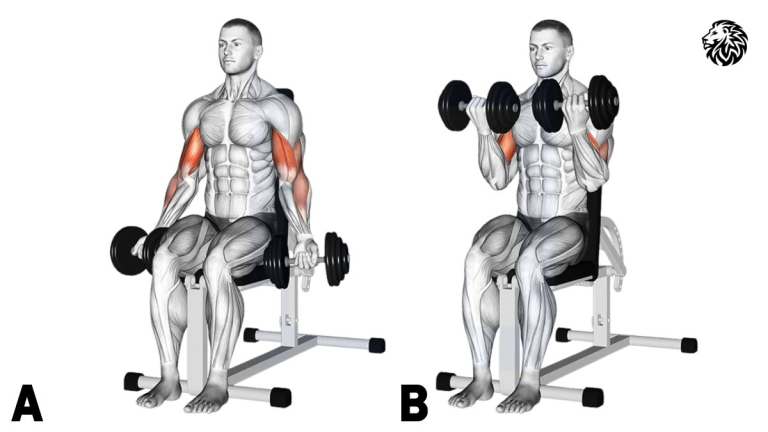
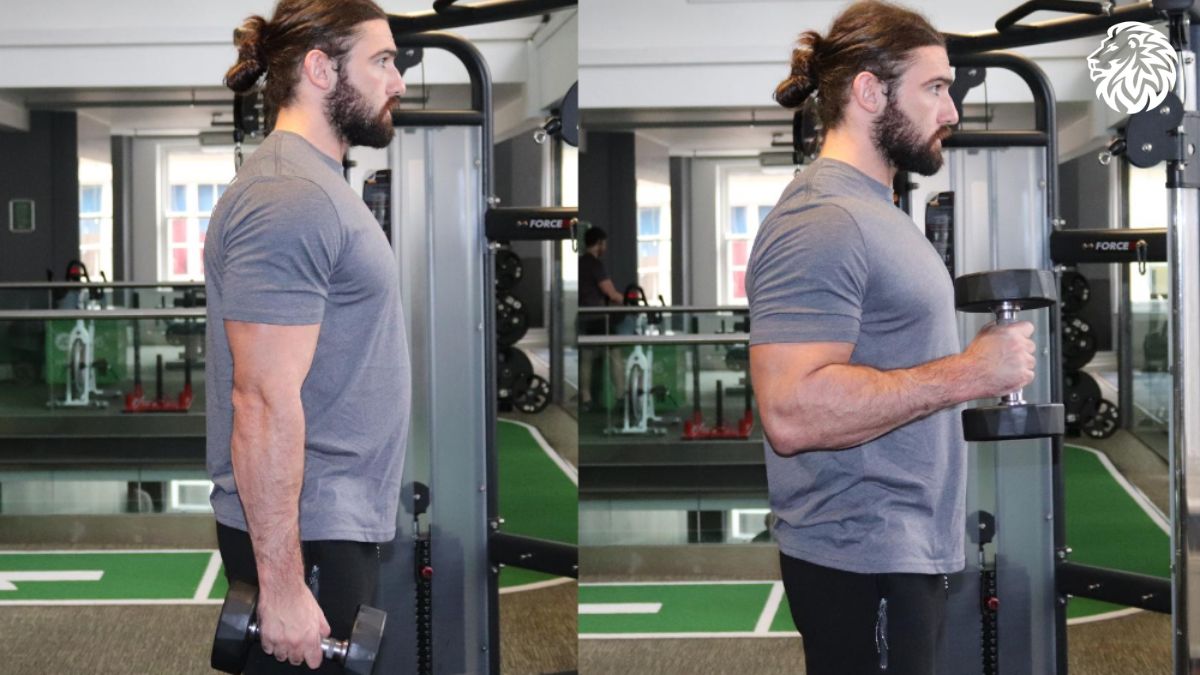
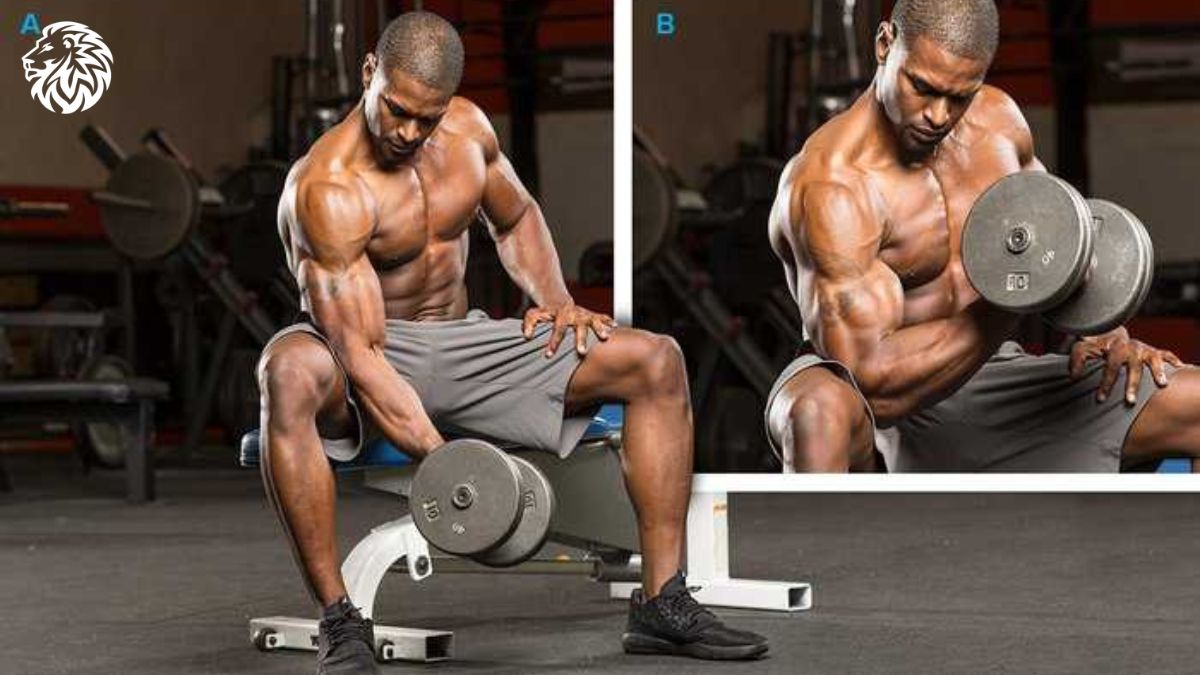
Pair the High Cable Bicep Curl with classic movements like barbell curls or alternating dumbbell curls for complete bicep development. These exercises allow heavier loading and complement the constant tension from cables.
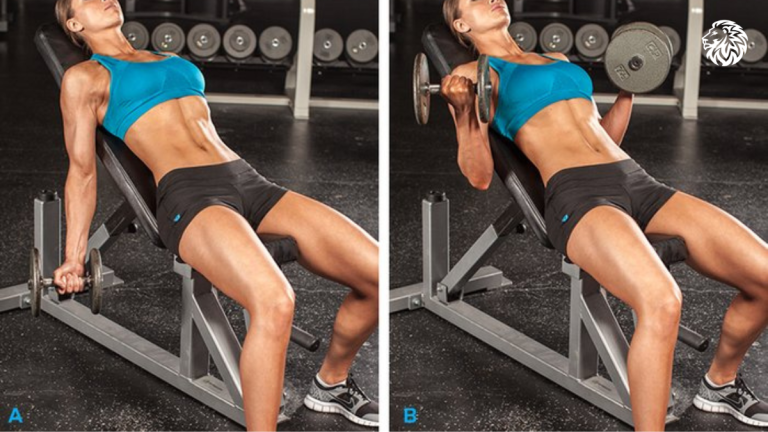
Incline dumbbell curls work well alongside high cable curls. They stretch the biceps under load and help improve long-head activation. Preacher curls are another strong option for strict form and isolation.
Hammer curls add variety by emphasizing the brachialis and forearms. Cable rope curls can also serve as a good alternative if you want a neutral grip.
For balanced arm training, include tricep exercises such as cable pushdowns or overhead extensions. This helps maintain proper arm proportions and joint health.
Final Thoughts
The High Cable Bicep Curl is a reliable exercise for building stronger, more defined arms. It offers constant tension, smooth resistance, and excellent muscle control. Whether you use it as a main lift or a finishing movement, it fits well into most arm routines.
By focusing on proper setup, controlled motion, and consistent effort, you can get more value from each set. Add the High Cable Bicep Curl to your training plan if you want better isolation and steady progress without excessive joint stress.
Frequently Asked Questions
Is the High Cable Bicep Curl good for beginners?
Yes. Beginners can start with light resistance and focus on form. The controlled movement helps build good habits early.
Can I do the High Cable Bicep Curl with one arm?
Yes. Single-arm variations help address strength imbalances and improve focus on each bicep.
Should I perform this exercise at the start or end of my workout?
Most lifters use it after heavier curls. It also works well as a finisher due to constant tension.
How often should I train the High Cable Bicep Curl?
Two times per week works well for most people. Allow enough recovery between sessions.
What handle works best for the High Cable Bicep Curl?
Single D-handles provide the most natural movement and allow independent arm control.