Hammer Curls offer a simple and effective way to build stronger and fuller arms. This exercise focuses on the biceps and forearms with a grip that resembles swinging a hammer, which is where the movement gets its name. Many lifters use Hammer Curls to add strength, improve grip, and create balanced arm development. The neutral-grip position feels comfortable on the wrists, making it a great choice for beginners and experienced lifters.
Adding Hammer Curls to your routine helps you train muscles that standard curls often miss. These muscles support everyday pulling strength and contribute to thicker arms. Whether you train at home or in a gym, you can perform this exercise with just a pair of dumbbells and a few minutes of focused work.
Exercise Instructions for Hammer Curls
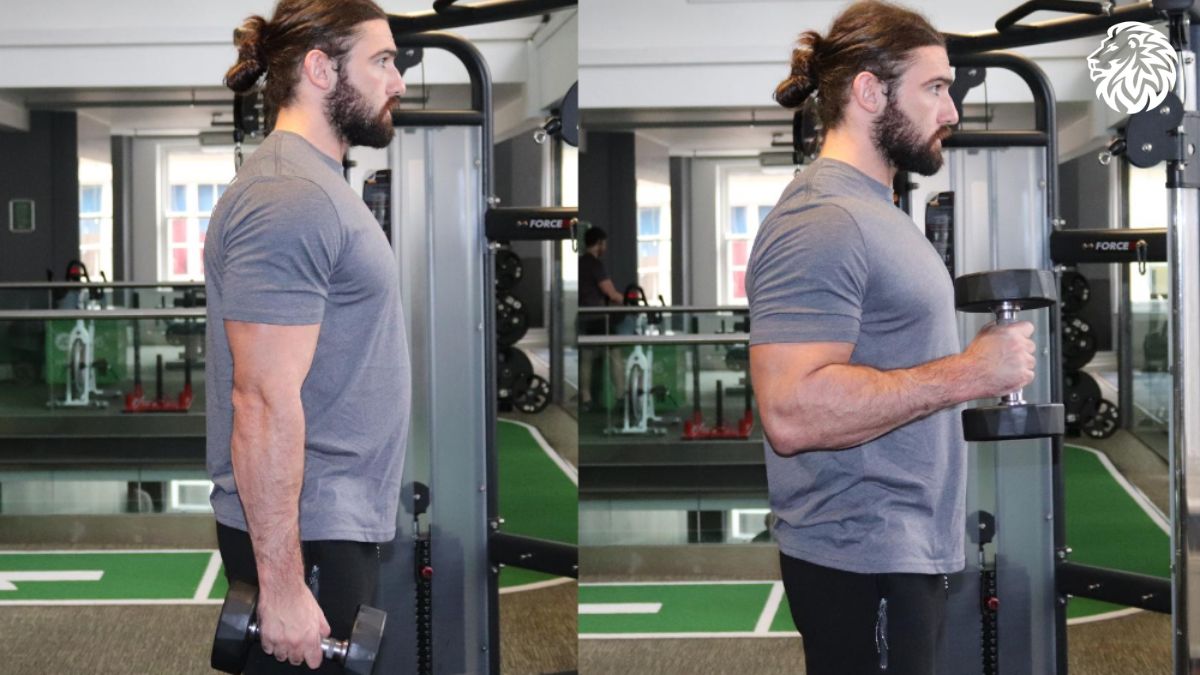
- Stand tall with your feet hip-width apart. Hold a dumbbell in each hand with your palms facing inward.
- Keep your elbows close to your ribs and brace your core.
- Curl both dumbbells upward while maintaining the neutral grip. Lift until the weights reach shoulder height.
- Pause for a brief moment at the top to engage the muscles.
- Lower the weights under control until your arms straighten.
- Repeat for the recommended number of reps.
You can also perform Hammer Curls one arm at a time to maintain strict form and focus on each side individually.
Muscles Targeted by Hammer Curls
Hammer Curls train several key muscles in your arms:
- Brachialis: A strong elbow-flexing muscle that sits beneath the biceps. Building it increases upper-arm thickness.
- Biceps Brachii: The classic biceps muscle involved in curling movements.
- Brachioradialis: A major forearm muscle that works hard during the neutral-grip curl. This adds size and strength to the forearms.
Because this exercise trains multiple muscles at once, it supports a balanced look and improved function during other lifts.
Why Hammer Curls Are Important
Hammer Curls provide benefits beyond simple arm training. They offer a grip-friendly motion that reduces wrist strain and encourages natural movement. Since the brachialis responds well to this style of curl, you gain overall arm size that enhances your physique.
Strength athletes also rely on strong brachioradialis muscles for pulling and gripping. Hammer Curls build the strength needed for rowing exercises, deadlifts, and various sports. The exercise also helps correct imbalances when one arm is weaker than the other because you can train each side with equal focus.
Hammer Curls require minimal equipment, making them ideal for home workouts. With consistent training, this exercise supports both strength and aesthetics.
Tips and Things to Avoid for Hammer Curls
- Use a weight you can control. Avoid swinging the dumbbells or using momentum.
- Keep your elbows close. Allowing elbows to flare reduces tension on the target muscles.
- Stand tall. Do not lean back to lift the weight. Keep your chest up and core engaged.
- Lower slowly. The lowering phase builds strength. Don’t let the weights drop.
- Avoid gripping too tightly. A secure but relaxed grip helps prevent unnecessary tension in the wrists.
- Watch your shoulders. Keep them down and steady rather than letting them rise during the curl.
Practicing good technique ensures better progress and reduces the chance of injury.
Reps and Sets for Hammer Curls
| Training Goal | Sets | Reps | Rest |
|---|---|---|---|
| Strength | 3–5 | 6–8 | 90 seconds |
| Muscle Growth | 3–4 | 8–12 | 60 seconds |
| Endurance | 2–3 | 12–20 | 45 seconds |
Other Exercises to Use with Hammer Curls
Hammer Curls pair well with several other arm movements to create a complete workout:
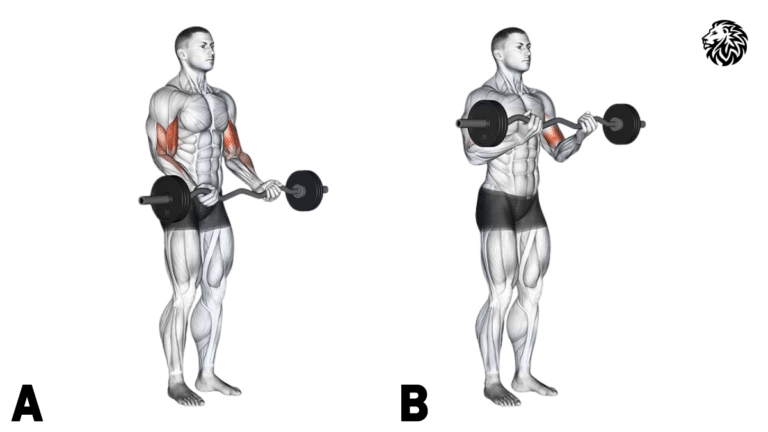
1. Standard Dumbbell Curls
These emphasize the biceps and add roundness to the upper arm.
2. Reverse Curls
Reverse curls build forearm strength and complement the brachioradialis trained during Hammer Curls.
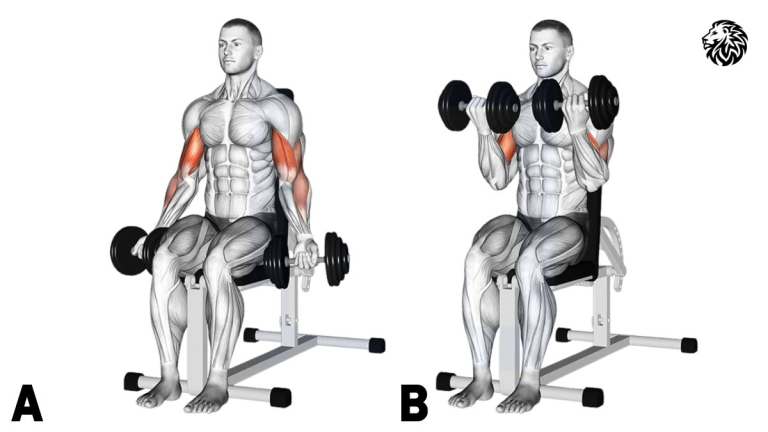
3. Incline Dumbbell Curls
This variation stretches the biceps and increases tension throughout the movement.
4. Cable Rope Hammer Curls
This cable version keeps constant tension on the muscles, offering a smooth alternative to dumbbells.
5. Concentration Curls
A strict, focused movement that isolates the biceps and improves peak strength.
Combining these exercises with Hammer Curls creates well-balanced arm training with excellent strength and size benefits.
Final Thoughts on Hammer Curls
Hammer Curls give you a reliable way to strengthen your arms, improve your grip, and enhance overall arm shape. The neutral grip makes the exercise comfortable, and the movement fits into nearly any training program. When performed with control and consistency, Hammer Curls support long-term growth and help you build well-rounded arms that perform well during workouts and daily activities.
If you want strong, balanced arms without overly complex exercises, Hammer Curls remain a smart choice. They require simple equipment, protect your wrists, and deliver consistent progress over time.
Frequently Asked Questions
How often should I do Hammer Curls?
Two to three times per week works well for most people, as long as you allow rest between sessions.
What weight should I use for Hammer Curls?
Choose a weight you can lift with strict form for the entire set. Increase the weight slowly as you get stronger.
Can beginners do Hammer Curls?
Yes. Hammer Curls are beginner-friendly and easy to learn.
Are Hammer Curls good for forearm growth?
Yes. The brachioradialis works hard during this movement, which supports thicker forearms.
Should I do Hammer Curls before or after biceps curls?
Either works. Many lifters place them after heavier curls, but you can start with them if you want to focus on forearm and brachialis strength.