Dumbbell Shrugs are one of the simplest yet most effective exercises you can add to your training program. They directly target your trapezius muscles, which play a major role in posture and upper body strength. Despite their straightforward movement, Dumbbell Shrugs can help you build a stronger, more stable upper back and shoulders. Whether you’re a beginner or an advanced lifter, this exercise fits easily into most workout routines.
Exercise Instructions
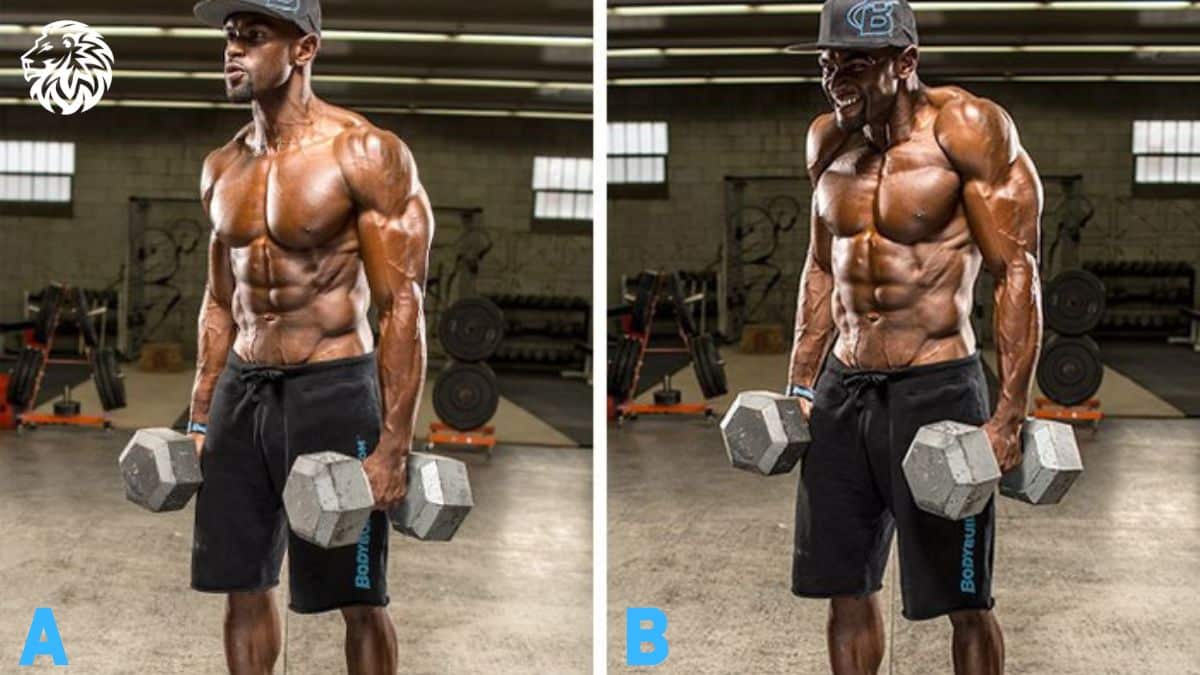
- Stand tall with your feet shoulder-width apart.
- Hold a dumbbell in each hand at your sides with your palms facing your torso.
- Keep your arms straight and relaxed, allowing the dumbbells to hang naturally.
- Slowly raise your shoulders as high as possible, as if you’re trying to touch them to your ears.
- Pause for one or two seconds at the top of the movement.
- Lower your shoulders back down under control.
- Repeat for the desired number of reps.
Maintain a straight posture throughout the exercise. Avoid rolling your shoulders forward or backward, as this places unnecessary stress on your joints.
Muscles Targeted
Dumbbell Shrugs primarily target the trapezius, or “traps,” which run from the base of your skull down to the middle of your back. Strengthening these muscles improves posture, supports the neck, and helps with shoulder stability. Secondary engagement includes the levator scapulae and rhomboids, which assist in shoulder elevation and retraction.
Why This Exercise is Important
Strong traps do more than improve your appearance. They provide essential support for daily activities, such as carrying groceries, lifting heavy objects, or holding proper posture while sitting. For athletes, Dumbbell Shrugs enhance shoulder stability, which contributes to safer pressing and pulling movements. Building trap strength also helps prevent neck and upper back discomfort caused by weak or underdeveloped muscles.
Tips and Things to Avoid
- Do not roll your shoulders: Lifting straight up and down keeps the focus on the traps.
- Use controlled movements: Avoid jerking the weights, as momentum reduces muscle activation.
- Choose the right weight: Pick dumbbells that are challenging but allow you to maintain proper form.
- Stand tall: Engage your core to keep your spine neutral.
- Breathe properly: Exhale as you shrug up and inhale as you return to the starting position.
Common mistakes include using weights that are too heavy, leaning forward, or shortening the range of motion. Proper form ensures that Dumbbell Shrugs strengthen the traps without straining other areas.
Reps and Sets for Dumbbell Shrugs
Here’s a helpful table to guide you depending on your goals:
| Goal | Reps | Sets | Rest Between Sets |
|---|---|---|---|
| Strength | 6–8 | 3–5 | 2–3 minutes |
| Hypertrophy (Size) | 8–12 | 3–4 | 60–90 seconds |
| Endurance | 12–20 | 2–3 | 30–60 seconds |
Other Exercises to Use
While Dumbbell Shrugs isolate the traps, pairing them with other upper back and shoulder exercises creates balanced strength. Some excellent additions include:
- Barbell Shrugs: A heavier option for building maximum trap strength.
- Face Pulls: Strengthens rear delts and traps while improving shoulder health.
- Farmer’s Carries: Builds grip strength, core stability, and trap endurance.
- Overhead Presses: Engages the shoulders and upper back for overall strength.
- Upright Rows: Targets traps and shoulders simultaneously.
Including a mix of these movements ensures your upper body stays strong, stable, and well-rounded.
Final Thoughts
Dumbbell Shrugs may look simple, but they are one of the best exercises for strengthening the traps and improving posture. By performing them correctly with the right weight and volume, you’ll build upper back strength that supports both daily activities and athletic performance. Make them a regular part of your training routine, and your shoulders and neck will thank you.
Frequently Asked Questions
1. Can beginners do Dumbbell Shrugs?
Yes, Dumbbell Shrugs are beginner-friendly. Start with lighter weights to focus on proper form before increasing resistance.
2. How often should I do Dumbbell Shrugs?
Two to three times per week works well for most people, especially if combined with a full upper body program.
3. Should I go heavy on Dumbbell Shrugs?
You can lift heavy, but only if you maintain full range of motion and control. Using too much weight often leads to poor form.
4. Do Dumbbell Shrugs improve posture?
Yes, strong traps help pull your shoulders back and support your neck, which improves posture over time.
5. Are Dumbbell Shrugs safe?
Yes, they are safe when done with proper form. Avoid rolling your shoulders or using excessive momentum to reduce injury risk.