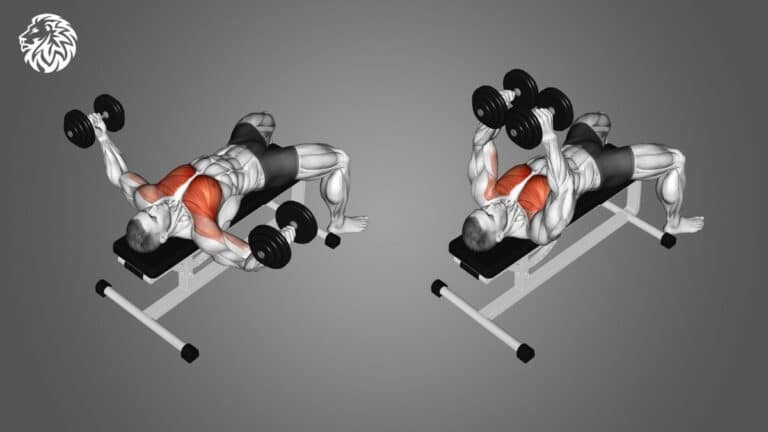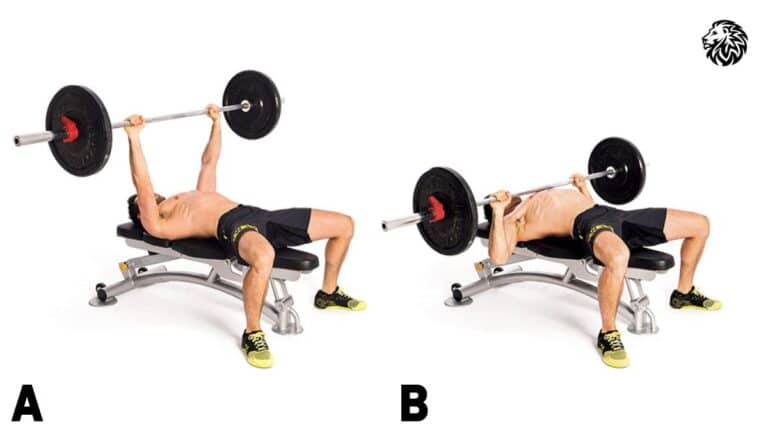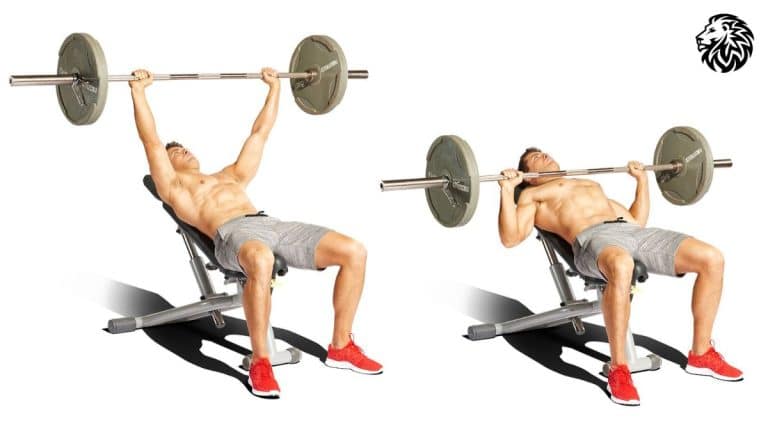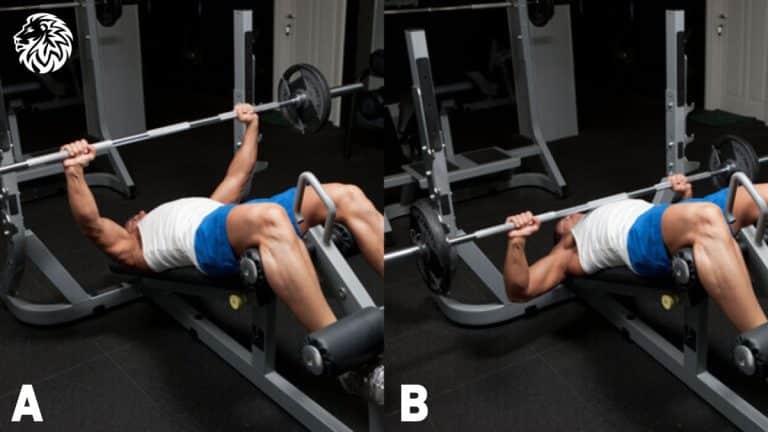
The Dumbbell Pullover is a classic strength training exercise that targets both the chest and back muscles. It’s been a staple in bodybuilding routines for decades because it helps build upper body strength and expand the rib cage. This movement also improves shoulder flexibility and enhances your control during pressing and pulling exercises. Whether you’re training for size, strength, or better muscle definition, learning how to do Dumbbell Pullover correctly can take your results to the next level.
Exercise Instructions
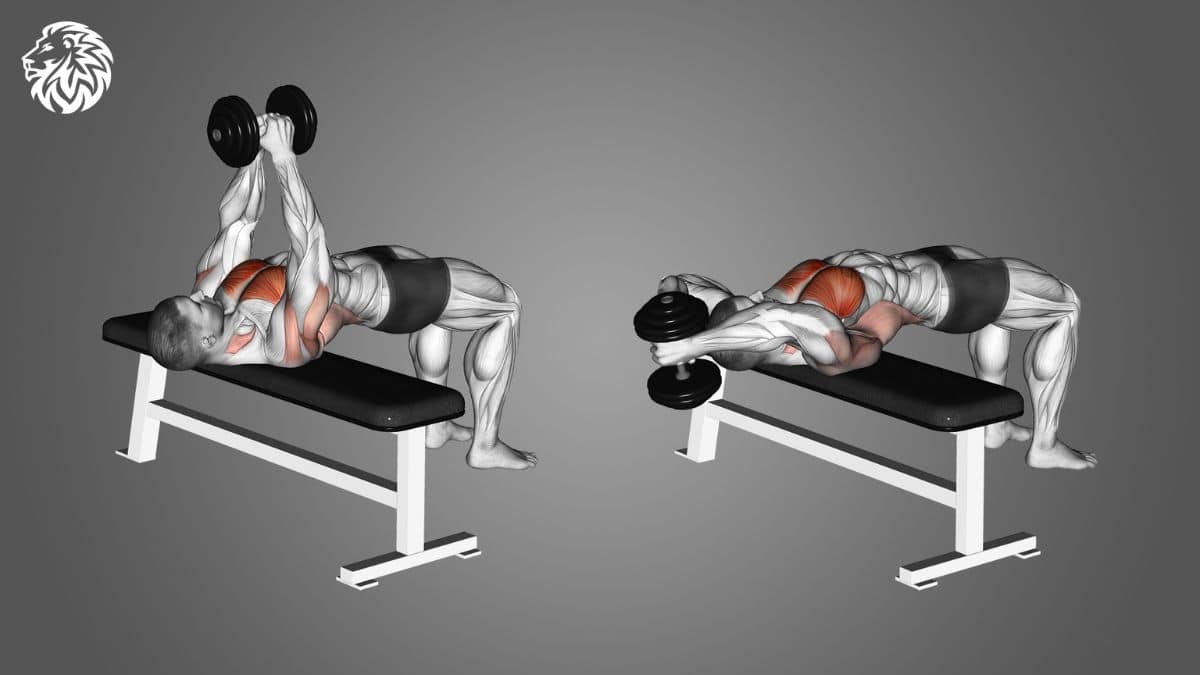
- Set Up: Lie flat on a bench with your feet firmly on the floor. Hold one dumbbell with both hands directly above your chest. Keep your palms pressed against the inner plate of the dumbbell so it feels balanced and secure.
- Positioning: Slightly bend your elbows. Maintain a firm grip and keep your arms close to your head as you lower the dumbbell.
- Lowering Phase: Slowly move the dumbbell in an arc over your head until you feel a stretch in your chest and lats. Keep your core engaged and avoid arching your lower back.
- Pulling Phase: Bring the dumbbell back to the starting position over your chest by contracting your chest and back muscles.
- Breathing: Inhale as you lower the dumbbell and exhale as you pull it back up.
Perform the movement in a smooth, controlled motion. Focus on feeling the stretch and contraction rather than using momentum.
Muscles Targeted in Dumbbell Pullover
The Dumbbell Pullover primarily targets the pectoralis major (chest) and latissimus dorsi (lats). It also engages several supporting muscles:
- Serratus anterior: Helps stabilize the shoulder blade.
- Triceps: Assist during the lifting phase.
- Rhomboids and rear delts: Provide support and balance during the motion.
- Core and lower back: Keep your body stable on the bench.
This combination of muscle activation makes Dumbbell Pullover one of the few exercises that effectively works both pushing and pulling muscle groups.
Why Dumbbell Pullover Is Important
The Dumbbell Pullover offers several benefits that make it valuable for all fitness levels. First, it helps improve upper body mobility by stretching the chest and shoulder joints. This can enhance your performance in other lifts like bench presses and pull-ups.
Second, it builds a broader, more defined upper body. When done consistently, it can help widen your rib cage and create a stronger V-shaped torso.
Finally, it helps develop functional strength. Since the Dumbbell Pullover engages multiple muscle groups, it improves coordination and control across your upper body, leading to more balanced strength development.
Tips and Things to Avoid
Performing the Dumbbell Pullover with proper form is essential for safety and effectiveness. Here are some helpful tips and common mistakes to avoid:
Tips
- Start light: Use a manageable dumbbell weight to perfect your form before progressing.
- Control your movement: Keep your tempo slow and steady during both lowering and lifting phases.
- Engage your core: Maintain a neutral spine and prevent your lower back from arching.
- Full range of motion: Lower the dumbbell just until you feel a stretch — don’t overextend your shoulders.
Things to Avoid
- Avoid bending your arms too much. This shifts the focus away from your chest and lats.
- Don’t rush the exercise. Quick movements reduce muscle engagement and increase injury risk.
- Avoid letting the dumbbell drift too far behind your head. This places unnecessary stress on your shoulders and joints.
- Don’t lift too heavy too soon. Prioritize control and stability over the amount of weight you use.
Reps and Sets for Dumbbell Pullover
| Fitness Level | Sets | Reps | Rest Between Sets |
|---|---|---|---|
| Beginner | 2–3 | 10–12 | 60–90 seconds |
| Intermediate | 3–4 | 8–10 | 60 seconds |
| Advanced | 4–5 | 6–8 | 45–60 seconds |
For muscle growth, use moderate to heavy weight while keeping your form precise. For endurance or flexibility, reduce the weight and focus on slow, controlled repetitions.
Other Exercises to Use with Dumbbell Pullover
To build a balanced upper body, combine Dumbbell Pullover with other exercises that target similar or complementary muscle groups:
- Chest Press: Strengthens the pectorals and triceps.
- Pull-Ups: Enhances lat and upper back strength.
- Incline Dumbbell Flyes: Isolates the upper chest.
- Bent-Over Rows: Builds thickness in the back.
- Cable Crossovers: Adds chest definition through constant tension.
Using Dumbbell Pullover alongside these exercises creates a well-rounded training program that promotes both muscle size and strength.
Final Thoughts on Dumbbell Pullover
The Dumbbell Pullover is an effective upper-body exercise that blends strength, flexibility, and control. It’s a timeless movement used by lifters to expand the chest, strengthen the back, and improve overall shoulder mobility.
If you’re new to this exercise, start with light weight and focus on mastering your technique. Over time, gradually increase your resistance and range of motion to challenge your muscles safely. Whether your goal is muscle growth, improved posture, or athletic performance, Dumbbell Pullover can play a key role in your training routine.
Frequently Asked Questions
1. Should I do Dumbbell Pullover on chest day or back day?
You can do it on either day since it targets both the chest and back. Many lifters include it on chest day for a deep stretch after pressing movements.
2. Can I do Dumbbell Pullover on the floor instead of a bench?
Yes, but your range of motion will be limited. A bench allows for a deeper stretch and more effective engagement.
3. How heavy should my dumbbell be?
Choose a weight that challenges you but still allows full control. Start light and increase gradually as your form improves.
4. Can I use two dumbbells instead of one?
It’s best to use one dumbbell for better balance and control. Using two can strain your shoulders and reduce stability.
5. How often should I do Dumbbell Pullover?
Include it in your workout routine 1–2 times a week, depending on your goals and recovery schedule.
6. Is Dumbbell Pullover safe for shoulder injuries?
If you have shoulder issues, consult a medical professional before performing this exercise. Always avoid lowering the dumbbell too far behind your head.