Dumbbell Flyes are a classic strength training exercise that builds and shapes the chest muscles. They’re a favorite among fitness enthusiasts for enhancing chest width and flexibility. By isolating the pectoral muscles, Dumbbell Flyes help create that defined chest appearance many people aim for. Whether you’re training at home or in the gym, mastering Dumbbell Flyes can significantly improve your upper body strength and overall posture.
Exercise Instructions
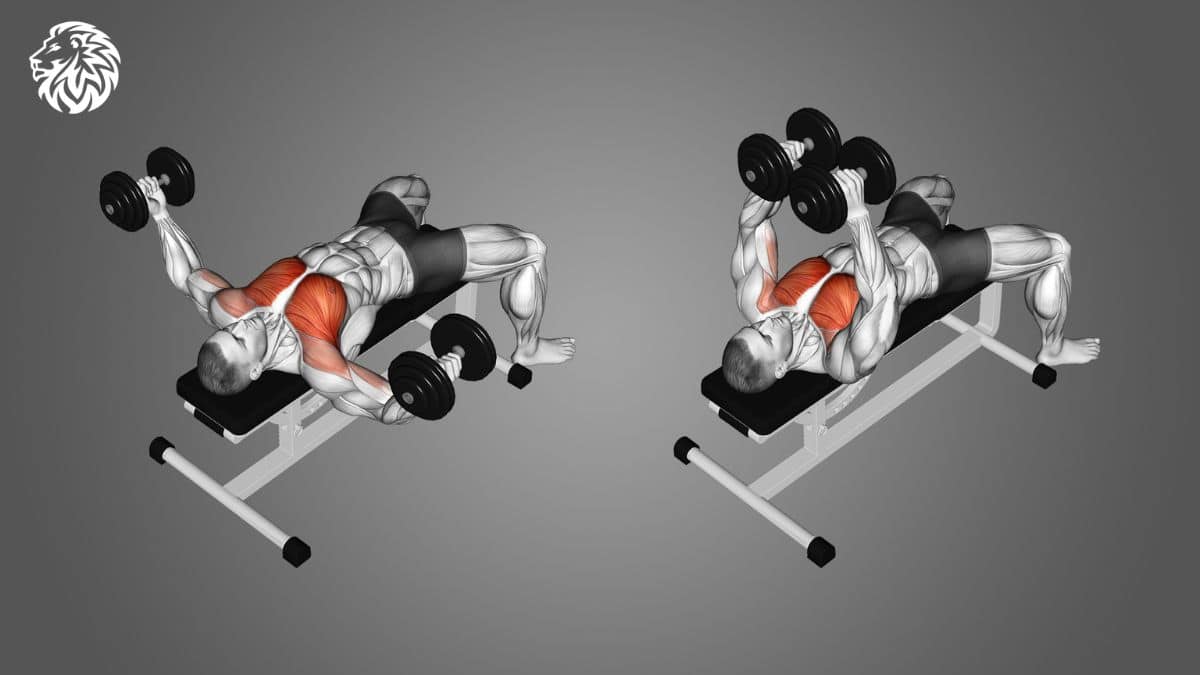
To perform Dumbbell Flyes correctly, start by lying flat on a bench. Hold a dumbbell in each hand with your palms facing each other. Keep your arms extended above your chest but with a slight bend in your elbows to protect the joints. Slowly lower both arms outward in a wide arc until your elbows are at chest level. Pause for a second to feel the stretch in your chest, then bring the dumbbells back up using the same wide arc. Focus on squeezing your chest muscles as you raise the weights.
Perform each repetition in a slow, controlled motion. Avoid letting momentum take over — this ensures the chest muscles do the work rather than your shoulders or arms. Beginners should start with lighter weights to perfect their form before increasing resistance.
Muscles Targeted
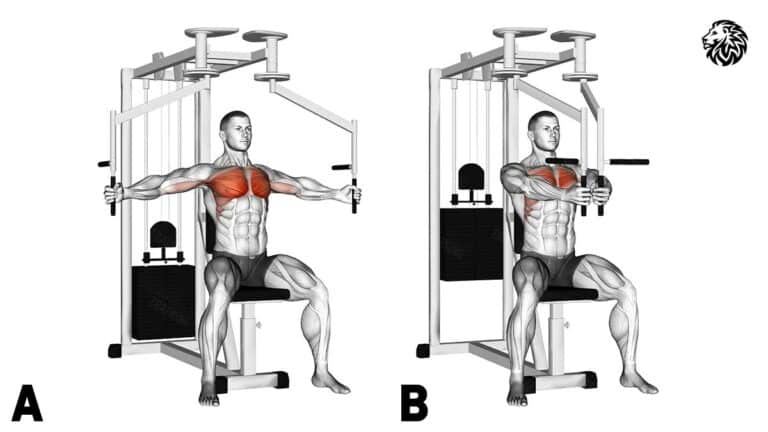
Dumbbell Flyes primarily target the pectoralis major, which makes up most of the chest. Secondary muscles that assist during the movement include the anterior deltoids (front shoulders) and the biceps brachii to a small degree. The exercise also activates the serratus anterior, a muscle located along the ribcage that supports shoulder stability. Together, these muscles work to expand and contract the chest, improving both size and definition over time.
Why This Exercise is Important
Dumbbell Flyes are valuable because they focus on the stretch and contraction of the chest muscles, something that pressing movements like the bench press don’t fully achieve. This increased range of motion helps improve flexibility and muscle activation. Regularly incorporating Dumbbell Flyes into your workout routine can enhance chest symmetry and balance. It also strengthens stabilizer muscles around the shoulders, which can reduce the risk of injury during other upper body exercises.
This movement is especially useful for athletes and lifters who want to improve their pushing power. By isolating the chest, you can better develop mind-muscle connection, leading to more effective performance in compound exercises like pushups or bench presses.
Tips and Things to Avoid
- Maintain a slight bend in your elbows. Fully straightening your arms places unnecessary stress on your shoulder joints.
- Use a controlled tempo. Lower the weights slowly to maximize the stretch and avoid swinging your arms.
- Don’t use excessively heavy dumbbells. Focus on form and muscle contraction rather than lifting the heaviest weights possible.
- Keep your back flat on the bench. Arching your back can lead to poor form and potential lower back strain.
- Engage your core. Keeping your abdominal muscles tight stabilizes your body and prevents wobbling.
- Avoid clanking the dumbbells together. Bringing the weights too close at the top reduces tension on the chest muscles.
Following these tips ensures that your Dumbbell Flyes remain safe and effective while targeting the intended muscle group.
Reps and Sets
| Fitness Level | Sets | Reps | Rest Between Sets |
|---|---|---|---|
| Beginner | 3 | 10–12 | 60 seconds |
| Intermediate | 4 | 8–10 | 60–90 seconds |
| Advanced | 4–5 | 6–8 | 90 seconds |
Start with lighter weights and gradually increase resistance as your form and strength improve. Always prioritize technique over heavy lifting.
Other Exercises to Use
To build a balanced chest, combine Dumbbell Flyes with other chest-focused exercises:
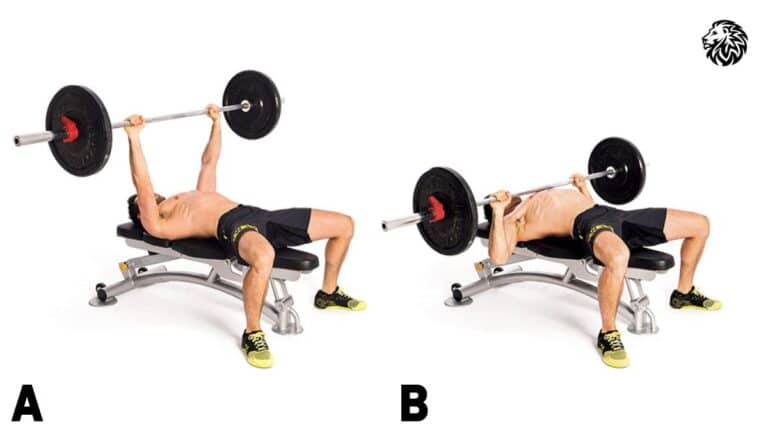
- Bench Press: A compound movement that builds strength and size across the chest and triceps.
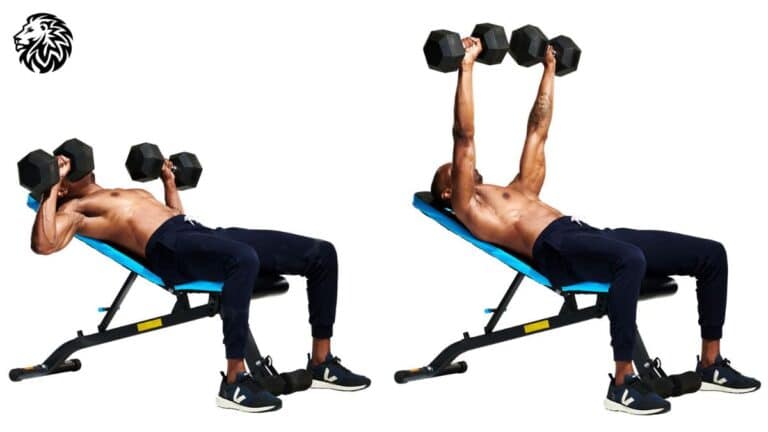
- Incline Dumbbell Press: Targets the upper chest and shoulders.
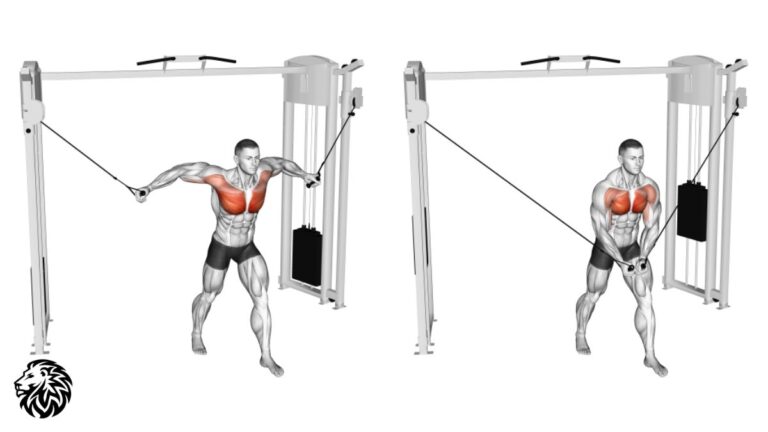
- Cable Crossovers: Provide continuous tension throughout the movement for better muscle activation.
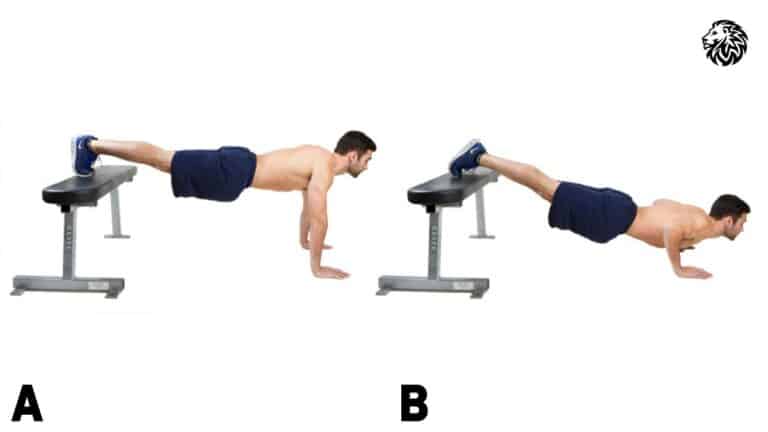
- Pushups: A great bodyweight alternative that also improves endurance.
- Chest Dips: Help develop the lower chest while engaging the triceps and shoulders.
Incorporating these exercises alongside Dumbbell Flyes creates a well-rounded chest workout routine.
Final Thoughts
Dumbbell Flyes are a simple yet effective exercise for building a stronger, more defined chest. When performed with proper form, they enhance muscle growth, improve flexibility, and support better posture. Whether you’re new to resistance training or an experienced lifter, Dumbbell Flyes deserve a place in your workout routine. Start with manageable weights, stay consistent, and focus on controlled movement for the best results.
Frequently Asked Questions
1. Should I do Dumbbell Flyes on a flat or incline bench?
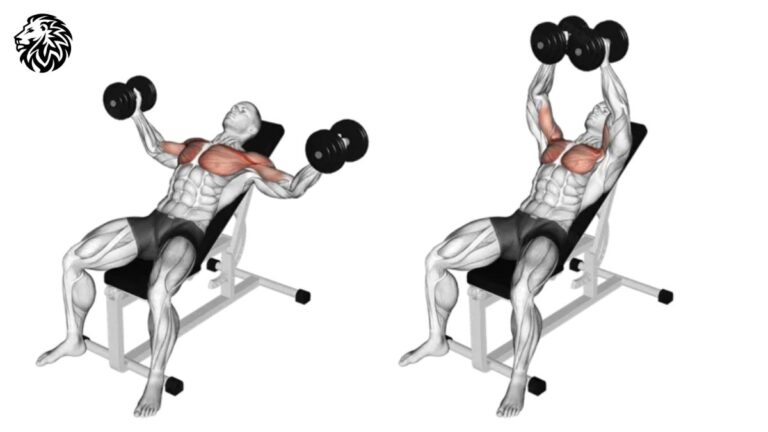
Both variations are beneficial. Flat Dumbbell Flyes target the middle chest, while incline Flyes emphasize the upper chest muscles.
2. How much weight should I use?
Use a weight that allows you to perform each rep with proper form. It’s better to start light and gradually increase as your strength improves.
3. Are Dumbbell Flyes better than bench press?
They serve different purposes. Bench presses build strength, while Dumbbell Flyes focus on muscle stretch and definition. Combining both provides balanced development.
4. Can I do Dumbbell Flyes without a bench?
Yes, you can perform them on the floor. However, your range of motion will be limited compared to using a bench.
5. How often should I include Dumbbell Flyes in my workouts?
Two to three times a week is ideal, depending on your overall chest training volume. Ensure you allow enough recovery between sessions.