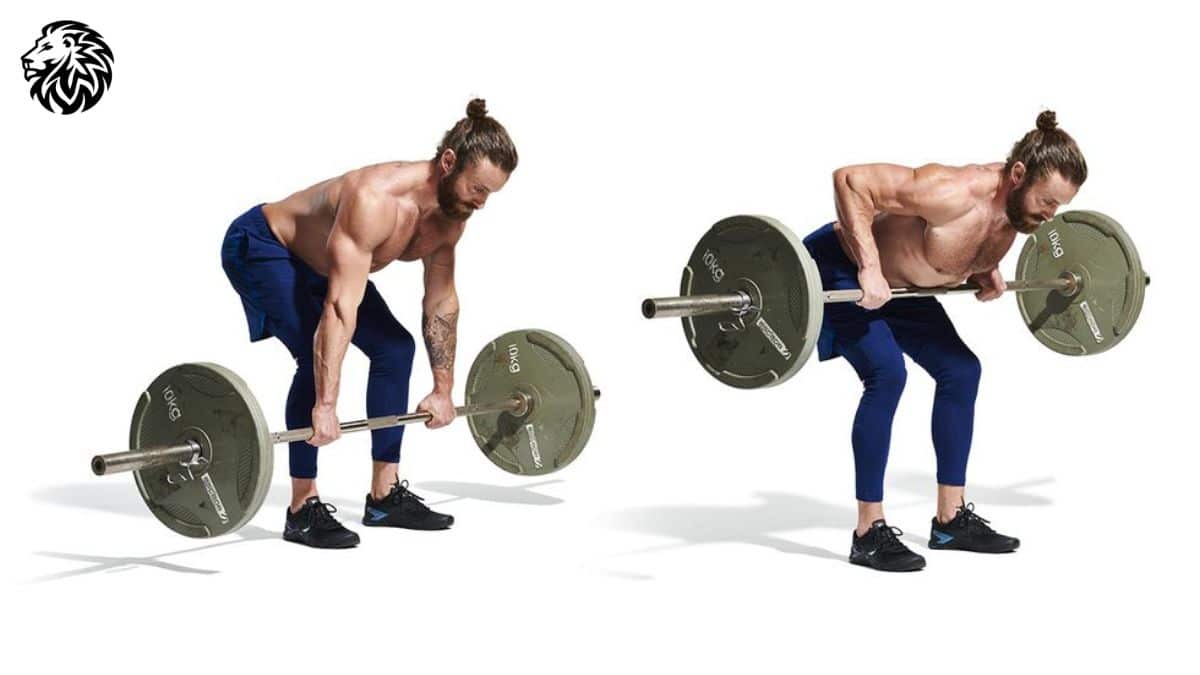
The Dumbbell Bent-Over Row is a powerful strength training exercise that targets your back muscles while also engaging your arms and core. It’s a staple movement in many workout programs because it builds strength, improves posture, and supports other compound lifts like deadlifts and bench presses. By learning the correct form, you can maximize your results and reduce your risk of injury.
Exercise Instructions
To perform the Dumbbell Bent-Over Row correctly, follow these steps:
- Start Position
- Hold a dumbbell in each hand with your palms facing your body.
- Stand with your feet shoulder-width apart.
- Bend your knees slightly and hinge forward at your hips until your torso is almost parallel to the ground.
- Keep your back straight and your core engaged. Let the dumbbells hang directly under your shoulders.
- Rowing Movement
- Pull the dumbbells toward your rib cage while keeping your elbows close to your body.
- Focus on squeezing your shoulder blades together at the top of the movement.
- Keep your wrists straight and avoid shrugging your shoulders.
- Return to Start
- Lower the dumbbells back to the starting position in a controlled motion.
- Maintain tension in your back muscles throughout the movement.
- Repeat for the desired number of repetitions.
Form Pointers
- Keep your neck neutral by looking slightly ahead of you.
- Avoid rounding your lower back.
- Move the weights smoothly without jerking them upward.
Muscles Targeted
The Dumbbell Bent-Over Row primarily works the following muscles:
- Latissimus dorsi (lats): The large muscles of your back that create width.
- Rhomboids: Assist with scapular retraction and posture.
- Trapezius: Upper and middle traps support shoulder stability.
- Rear deltoids: Located at the back of your shoulders.
- Biceps: Act as secondary movers during the pulling motion.
- Core stabilizers: Keep your torso steady and prevent rounding.
This makes it a compound exercise, engaging multiple muscle groups at once.
Why This Exercise is Important
The Dumbbell Bent-Over Row is important for several reasons:
- Strength and Power: It strengthens your back and arms, giving you the pulling strength needed for daily tasks and other lifts.
- Postural Support: Strengthening your back muscles improves posture and reduces the risk of slouching or rounded shoulders.
- Balance for Chest Work: Many people overtrain their chest. Rows balance this by strengthening the opposing muscles.
- Athletic Performance: Strong back muscles contribute to better performance in sports that require pulling, throwing, or gripping.
- Injury Prevention: A strong upper back helps stabilize the shoulders and reduce injury risk.
Tips and Things to Avoid
When doing Dumbbell Bent-Over Rows, keep these tips in mind:
Tips for Success
- Start with lighter dumbbells to practice proper form.
- Keep your movements controlled; focus on muscle activation rather than lifting heavy.
- Engage your core to support your lower back.
- Exhale as you row upward and inhale as you lower the weights.
Common Mistakes to Avoid
- Rounding your back, which increases strain on your spine.
- Jerking the dumbbells with momentum instead of using muscle control.
- Allowing your elbows to flare out too wide, which reduces back engagement.
- Standing too upright, turning it into more of a shrug than a row.
Reps and Sets
Here’s a general guide for reps and sets based on your training goal:
| Goal | Sets | Reps | Rest Time |
|---|---|---|---|
| Strength | 4–5 | 4–6 | 2–3 min |
| Hypertrophy (size) | 3–4 | 8–12 | 60–90 sec |
| Endurance | 2–3 | 12–15+ | 30–60 sec |
Adjust the weight of the dumbbells to fit your goal. Heavier weights work well for strength, while moderate weights with more reps build muscle size and endurance.
Other Exercises to Use
If you enjoy the Dumbbell Bent-Over Row, consider adding these complementary exercises:
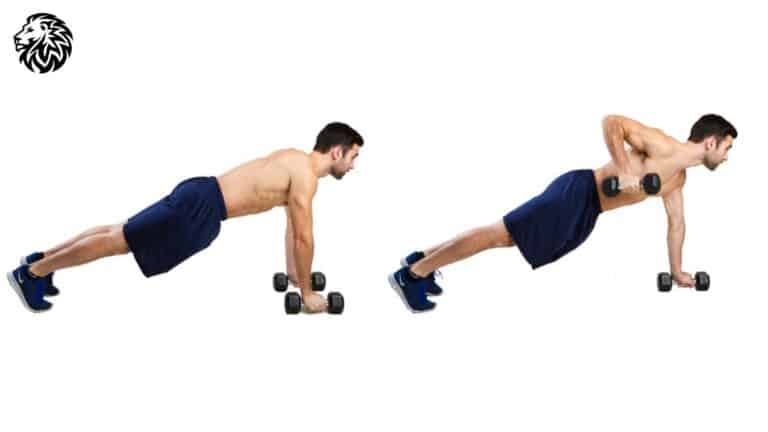
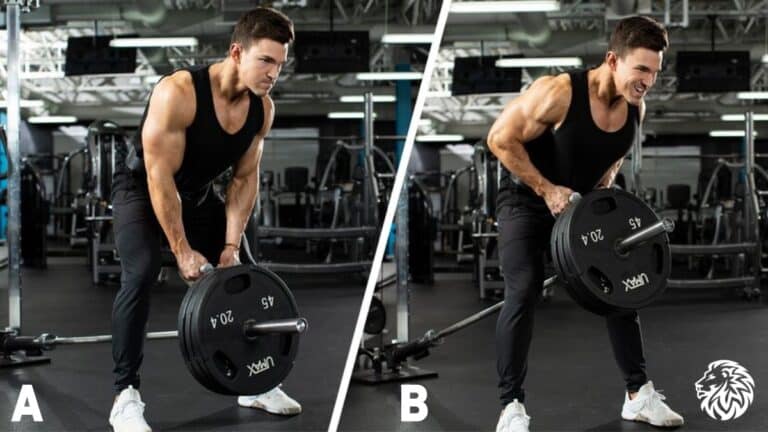
- Barbell Rows: A heavier alternative that challenges your back with a single barbell.
- Single-Arm Dumbbell Row: Focuses on one side at a time, helping correct imbalances.
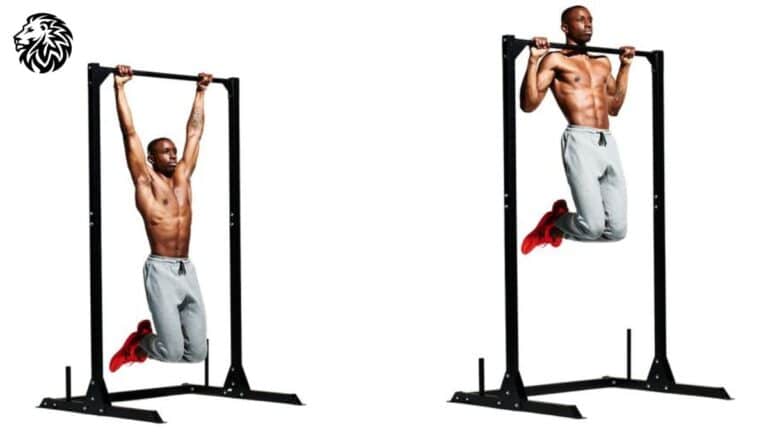
- Pull-Ups or Chin-Ups: Bodyweight exercises that strengthen the same pulling muscles.
- Lat Pull-Downs: A machine-based movement to build vertical pulling strength.
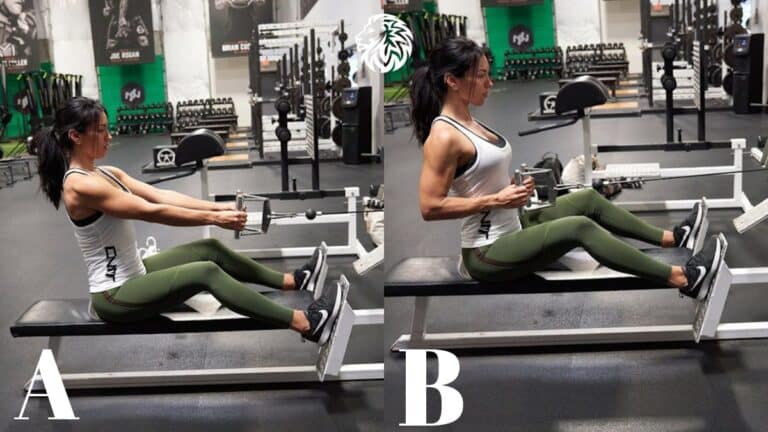
- Seated Cable Rows: Provide constant tension through cables for a different stimulus.
Combining these exercises with the Dumbbell Bent-Over Row creates a complete back workout.
Final Thoughts
The Dumbbell Bent-Over Row is an excellent compound exercise for building a stronger, more defined back. It not only improves muscle size and strength but also enhances posture and reduces injury risk. Whether you’re new to lifting or an experienced athlete, this movement deserves a place in your workout routine. Focus on technique first, then gradually increase the weight to keep challenging your muscles. With consistency, you’ll notice improved strength and better overall balance in your training.
Frequently Asked Questions
How heavy should I go for Dumbbell Bent-Over Rows?
Start with a weight that allows you to complete your reps with proper form. Increase gradually as your strength improves.
Can beginners do Dumbbell Bent-Over Rows?
Yes, beginners can safely perform this exercise by starting with light dumbbells and focusing on form.
Should I use both arms or do single-arm rows?
Both versions are effective. Single-arm rows allow you to isolate each side and fix strength imbalances.
How often should I train this exercise?
Including it 2–3 times per week in your back or upper body workouts is effective for most people.
Do Dumbbell Bent-Over Rows help posture?
Yes, they strengthen the muscles responsible for pulling your shoulders back, which supports better posture.