The cable fly is a popular chest exercise that isolates the pectoral muscles while keeping constant tension throughout the movement. Unlike dumbbell flys, which rely on gravity, cable flys engage your chest from start to finish thanks to the resistance provided by the cables. This makes it an excellent choice for building definition, improving muscle symmetry, and enhancing overall chest development.
Exercise Instructions
To perform the cable fly correctly, follow these steps:
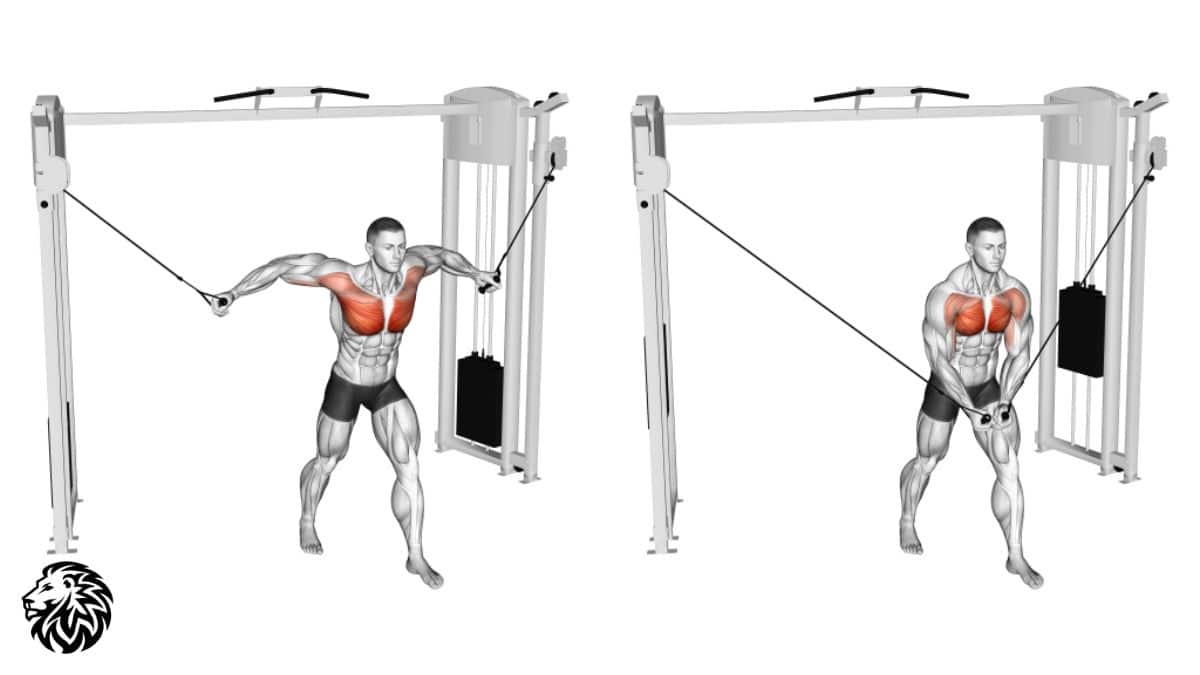
- Set up the machine: Adjust the pulleys on a cable machine so they are at shoulder height or slightly above. Attach single-handle grips to each side.
- Position yourself: Stand in the middle of the machine with feet shoulder-width apart. Take one step forward with one foot to create a stable stance.
- Grip and stance: Grab a handle in each hand with palms facing forward. Keep a slight bend in your elbows throughout the movement to protect your joints.
- Starting position: Extend your arms out to your sides, keeping your chest lifted and your core engaged.
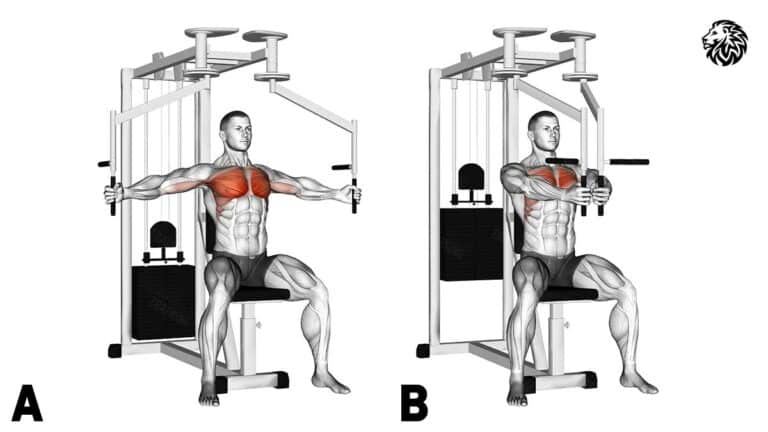
- Execution: Bring the handles together in front of your chest in a wide arc, focusing on squeezing your chest muscles as your hands meet.
- Return: Slowly allow your arms to open back to the starting position, controlling the weight without letting it pull you back too fast.
- Breathing: Exhale as you bring the handles together and inhale as you return to the start.
Muscles Targeted
Cable flys primarily target the pectoralis major, the large chest muscle responsible for horizontal adduction of the arms. Secondary muscles that assist in the movement include:
- Anterior deltoids (front shoulders)
- Biceps (stabilization role)
- Serratus anterior (muscles along the ribcage that help with scapular movement)
- Core stabilizers (help maintain balance and posture)
Why This Exercise is Important
The cable fly is valuable because it isolates the chest muscles more effectively than many pressing exercises. While bench presses build strength and mass, cable flys enhance shape and definition. The constant resistance from cables also reduces “dead spots” in the range of motion, making it a more efficient chest isolation movement. Including cable flys in your training helps round out chest development by focusing on the inner and outer areas of the pectorals.
Tips and Things to Avoid
- Maintain a slight bend in your elbows: Locking them out can put unnecessary stress on your joints.
- Avoid leaning too far forward: Keep your torso upright to focus on the chest rather than shifting the work to your shoulders.
- Control the weight: Don’t let the cables snap back quickly; control both the concentric and eccentric phases.
- Don’t go too heavy: Use moderate weight so you can maintain form and avoid shoulder strain.
- Focus on the squeeze: At the peak of the movement, pause and contract your chest muscles for maximum benefit.
Reps and Sets
| Fitness Goal | Sets | Reps | Rest Between Sets |
|---|---|---|---|
| Muscle Endurance | 2-3 | 15-20 reps | 30-45 seconds |
| Muscle Hypertrophy | 3-4 | 8-12 reps | 60-90 seconds |
| Strength Maintenance | 3-5 | 6-8 reps | 90-120 seconds |
Other Exercises to Use
To balance your chest training, pair cable flys with compound pushing movements and variations of flys:
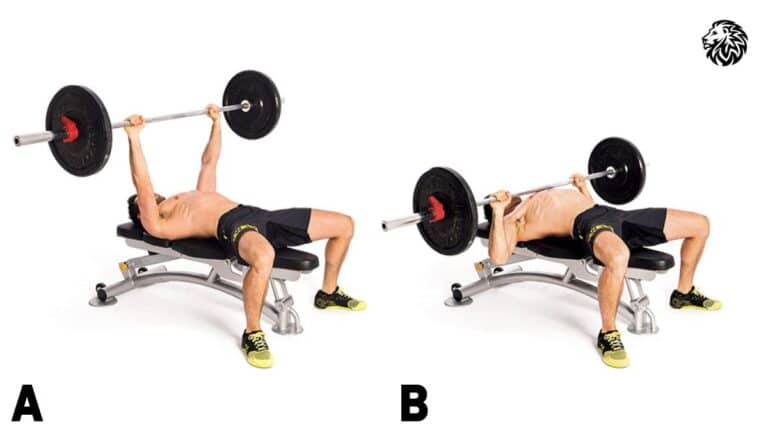
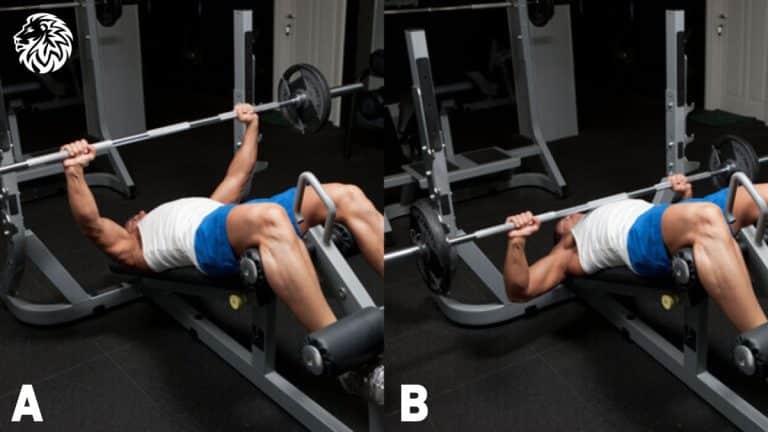
- Bench Press (flat, incline, or decline) for mass and strength
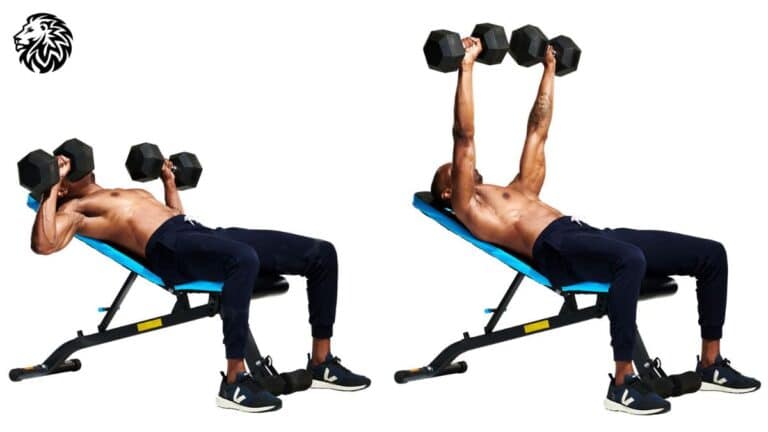
- Incline Dumbbell Press for upper chest emphasis
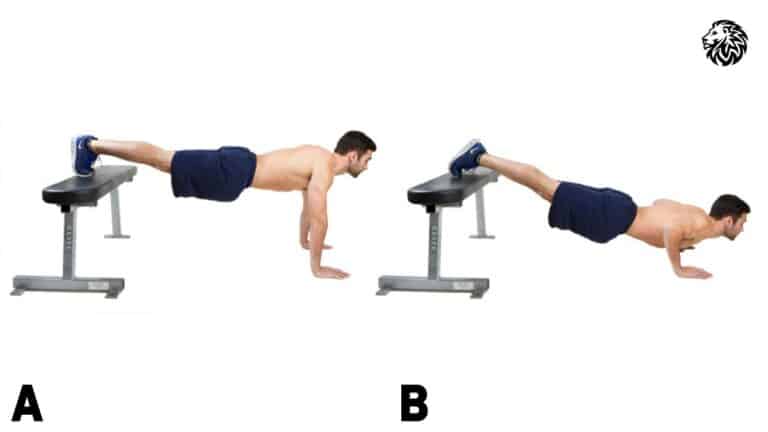
- Push-Ups for bodyweight strength and endurance
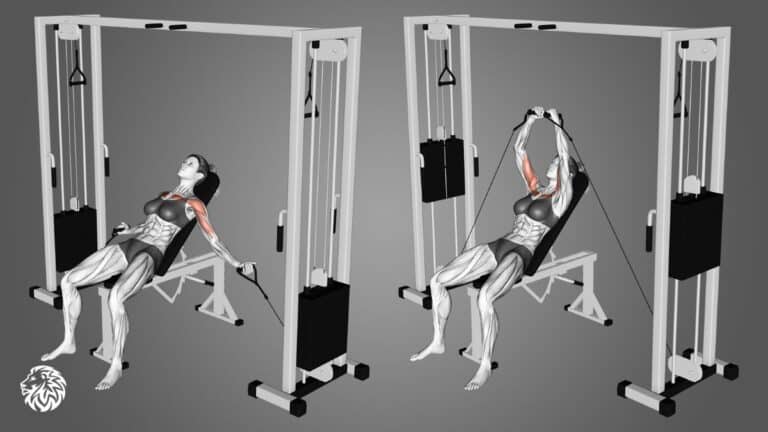
- Incline Cable Flys to target the upper chest
- Chest Dips for lower chest development
Combining these exercises ensures full chest activation and balanced growth.
Final Thoughts
Cable flys are an excellent addition to any chest workout routine. They provide continuous tension, emphasize the contraction of the pecs, and allow for a greater focus on chest definition. Whether your goal is strength, aesthetics, or balance, adding cable flys will help improve your overall chest development. Keep your form tight, control the weight, and adjust reps and sets to match your fitness goals.
Frequently Asked Questions
1. Are cable flys better than dumbbell flys?
Cable flys offer constant resistance throughout the movement, while dumbbell flys rely on gravity. Both are effective, but cables provide more consistent tension.
2. Can beginners do cable flys?
Yes, beginners can perform cable flys with lighter weights and a focus on form. Start with fewer sets to build comfort with the movement.
3. Should I use high or low pulley settings?
A high pulley targets more of the lower chest, while a low pulley emphasizes the upper chest. You can alternate settings for complete development.
4. How often should I do cable flys?
Two times per week is effective for most people, depending on your workout split and recovery.
5. Do cable flys replace bench press?
No, cable flys should complement the bench press. While flys isolate the chest, presses build overall strength and size.