The Cable Curl is a staple arm exercise that delivers steady tension through the entire movement. Unlike dumbbells or barbells, cables keep constant resistance on your biceps, which helps improve muscle engagement and control. This makes the Cable Curl a smart choice for beginners learning proper form and experienced lifters who want cleaner reps and better muscle connection.
You can perform Cable Curls in several ways, including standing, seated, single-arm, or with different handle attachments. Each option allows you to adjust the feel of the exercise while still focusing on the same goal: building stronger, more defined biceps. Because cables guide the path of motion, they also help reduce unnecessary swinging and momentum.
Whether you train for size, strength, or overall arm balance, adding Cable Curls to your routine can improve both performance and appearance.
Exercise Instructions for Cable Curl
Setting up the Cable Curl correctly ensures you target the biceps without placing stress on your shoulders or lower back. Follow these steps for proper execution.
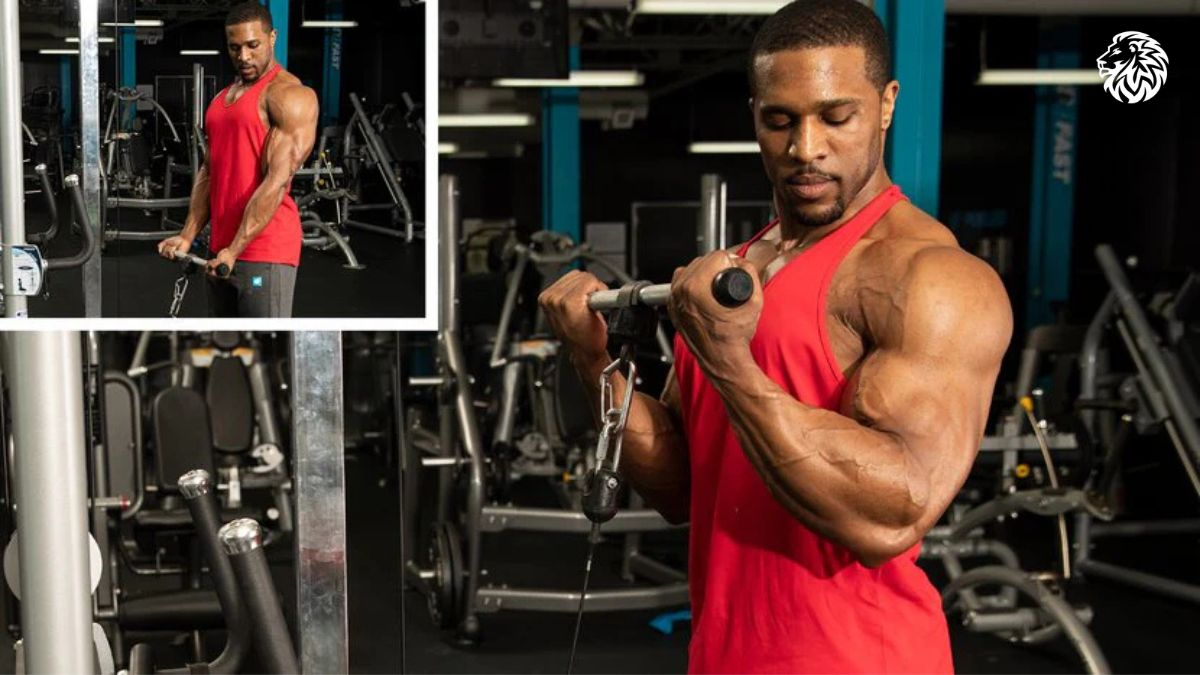
- Attach a straight bar, EZ-bar attachment, or rope to a low cable pulley.
- Stand facing the machine with your feet shoulder-width apart for stability.
- Grab the handle with an underhand grip, palms facing up.
- Keep your chest tall, shoulders relaxed, and core engaged before starting the movement.
- Start with your arms fully extended but avoid locking out your elbows.
- Keep your elbows tucked close to your sides throughout the exercise.
- Exhale as you curl the handle upward by bending your elbows.
- Focus on lifting with your biceps rather than pulling with your shoulders or hands.
- Continue curling until your hands reach chest or shoulder height, based on comfort and attachment used.
- Pause briefly at the top and squeeze your biceps for maximum contraction.
- Inhale as you slowly lower the handle back to the starting position with control.
- Maintain a smooth, steady tempo on every repetition.
- Avoid leaning backward or using momentum to move the weight.
- Perform each rep with purpose from start to finish to keep constant tension on the biceps.
Muscles Targeted by the Cable Curl
The Cable Curl primarily targets the biceps brachii, which consists of two heads: the long head and the short head. Both heads work together to flex the elbow and rotate the forearm.
Secondary muscles also assist during the movement. The brachialis, located beneath the biceps, plays a key role in elbow flexion and contributes to overall arm thickness. The brachioradialis, a muscle in the forearm, helps stabilize the movement, especially when using heavier resistance.
Your forearm flexors activate to maintain grip on the handle, while your core and shoulders work lightly to keep your body stable. Although the Cable Curl focuses on the arms, proper form engages several supporting muscles.
Why the Cable Curl Is Important
The Cable Curl offers benefits that free weights cannot always match. One major advantage is constant tension. With cables, resistance stays consistent from the bottom to the top of the movement, which helps stimulate muscle fibers more evenly.
Cable Curls also promote better form. The fixed path of the cable encourages controlled movement and reduces cheating. This makes the exercise useful for isolating the biceps and improving mind-muscle connection.
Another benefit is joint friendliness. Cables allow smoother motion, which can feel easier on the elbows and wrists compared to straight barbells. You can also adjust handle types to suit your comfort level.
For balanced arm development, Cable Curls help address weak points and improve symmetry between arms, especially when using single-arm variations.
Tips and Things to Avoid During Cable Curl
Focus on keeping your elbows pinned to your sides. Letting them drift forward shifts tension away from the biceps and reduces effectiveness.
Use a controlled tempo. Swinging the weight or rushing through reps limits muscle engagement and increases injury risk.
Choose a manageable weight. Heavier loads often lead to poor form, such as leaning back or using momentum. The Cable Curl works best when you feel steady tension throughout each rep.
Avoid gripping too tightly. Excessive grip tension can fatigue your forearms before your biceps fully work.
Do not lock out your elbows at the bottom. Keep a slight bend to maintain tension and protect the joint.
Keep your wrists neutral. Bending them backward reduces biceps activation and may cause discomfort over time.
Reps and Sets for Cable Curl
| Training Goal | Sets | Reps | Rest |
|---|---|---|---|
| Muscle Growth | 3–4 | 8–12 | 60–90 seconds |
| Strength Focus | 4–5 | 5–8 | 90–120 seconds |
| Endurance | 2–3 | 12–15 | 45–60 seconds |
| Beginners | 2–3 | 10–12 | 60 seconds |
Adjust resistance based on your experience level and overall program. Focus on quality reps rather than chasing heavier weight.
Other Exercises to Use with Cable Curl
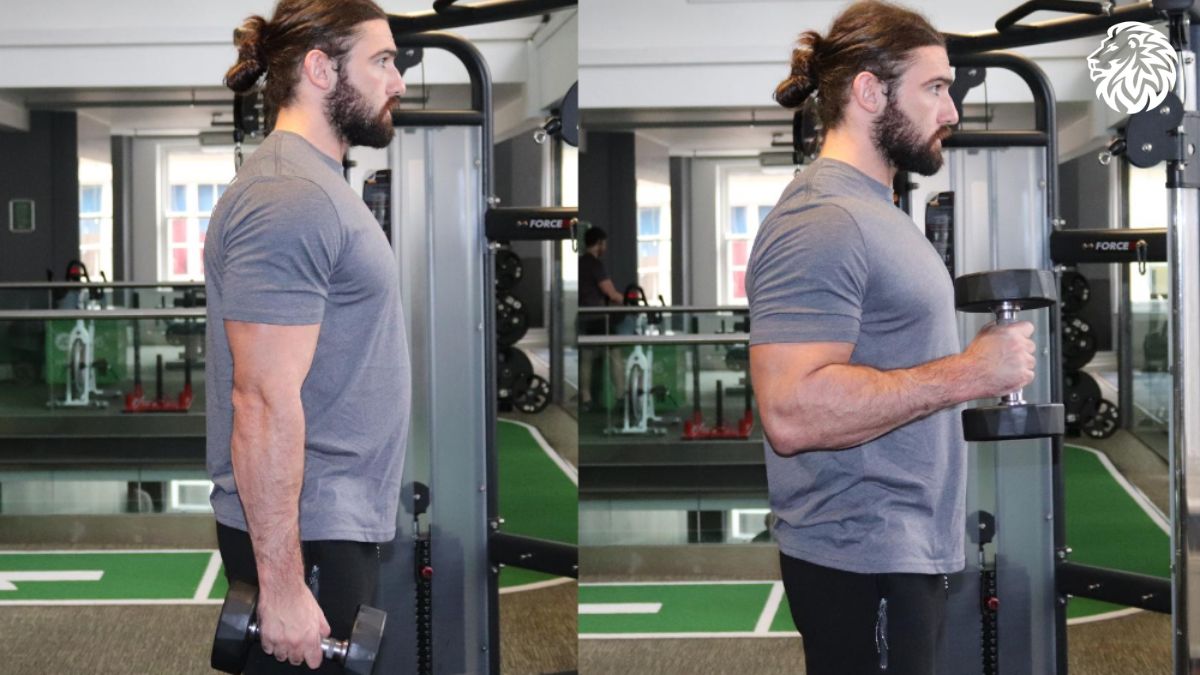
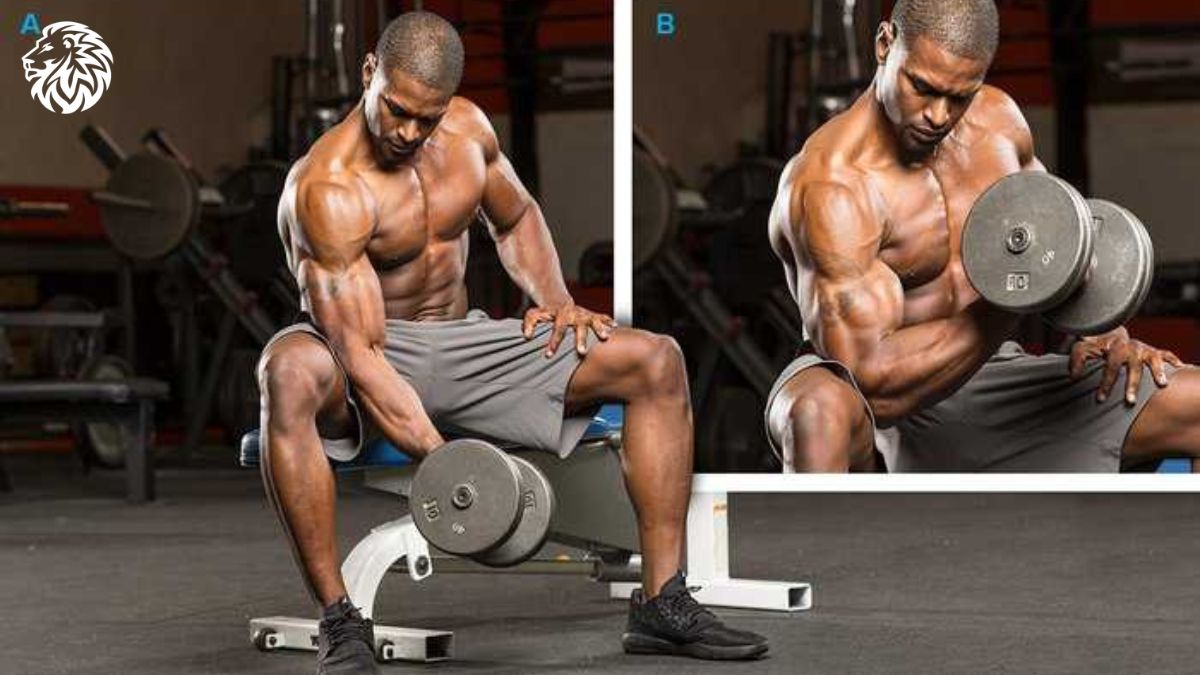
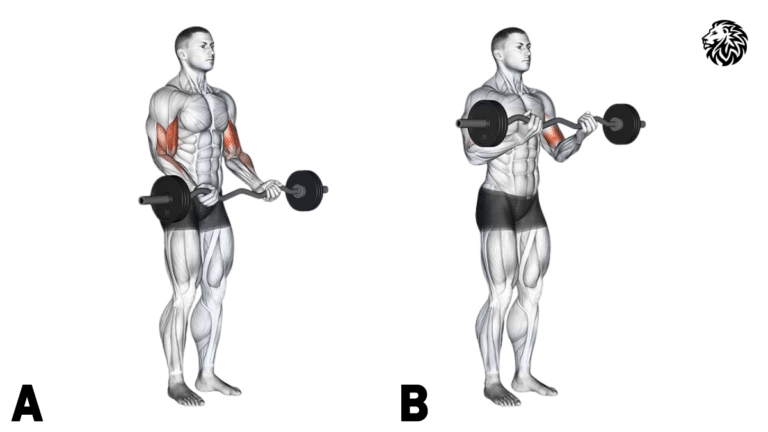
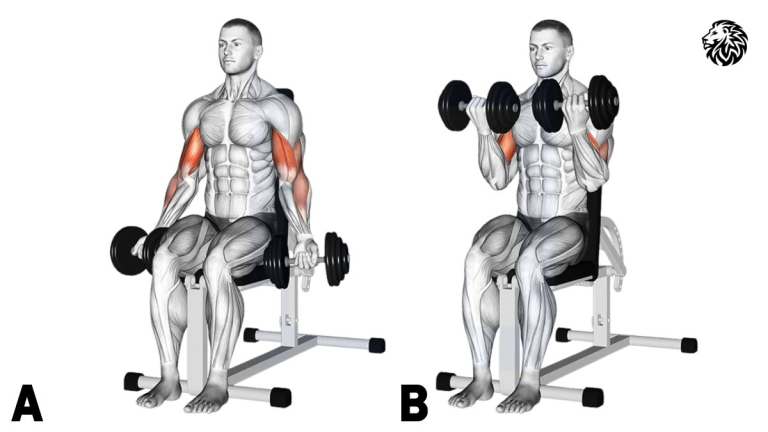
Pairing Cable Curls with other arm exercises creates a well-rounded biceps routine. Dumbbell curls help improve unilateral strength and coordination. Barbell curls allow heavier loading and build overall arm mass.
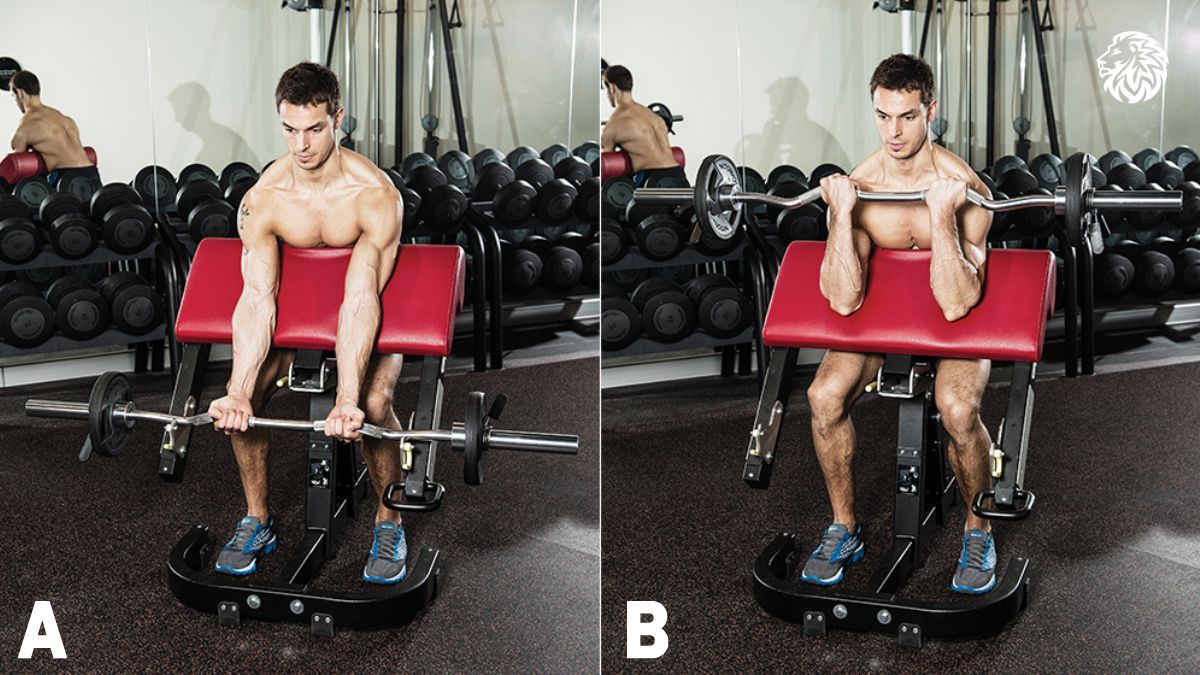
Hammer curls emphasize the brachialis and forearms, which enhances arm thickness. Preacher curls isolate the biceps further by limiting shoulder movement.
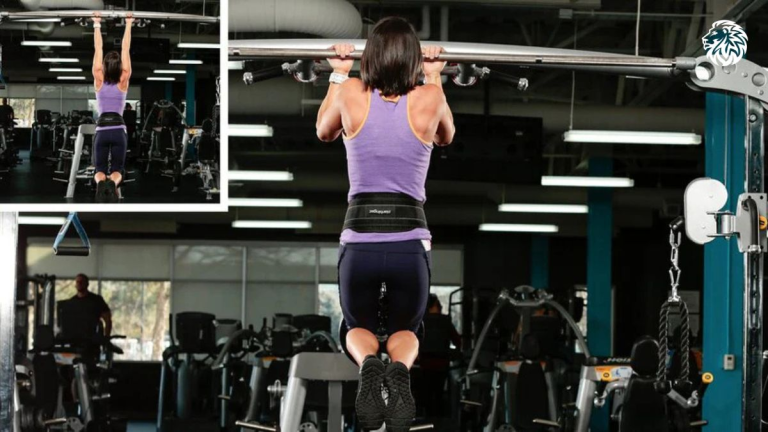
Chin-ups and lat pulldowns also contribute to biceps development while training the back. Including these compound movements alongside Cable Curls supports balanced upper-body strength.
Final Thoughts on Cable Curl
The Cable Curl is a reliable exercise for building stronger, more defined arms. Its constant tension, smooth resistance, and versatility make it suitable for nearly any training program. Whether you use it as a main lift or a finishing movement, it delivers consistent results when performed with proper form.
By focusing on controlled reps, appropriate weight, and steady progression, you can use Cable Curls to improve biceps strength, size, and muscle control. Add variations over time to keep your workouts fresh and effective.
Frequently Asked Questions About Cable Curl
Are Cable Curls better than dumbbell curls?
Cable Curls are not better or worse, just different. They provide constant tension, while dumbbells rely more on gravity. Using both leads to better results.
Can beginners do Cable Curls?
Yes. Cable Curls work well for beginners because the guided motion helps reinforce good form.
Should I do Cable Curls at the start or end of a workout?
You can do them either way. Many lifters place Cable Curls near the end as an isolation exercise after compound lifts.
How often should I train Cable Curls?
Training biceps one to two times per week works well for most people, depending on recovery and overall volume.
Can I do Cable Curls one arm at a time?
Yes. Single-arm Cable Curls help correct strength imbalances and improve focus on each biceps muscle.