Bodyweight dips are one of the most effective exercises you can perform to build upper body strength. They require minimal equipment, making them accessible whether you’re at the gym or working out at home with parallel bars, sturdy chairs, or dip stations. This exercise strengthens the chest, triceps, and shoulders while improving stability and muscle endurance. If you’re looking for a simple but challenging movement to develop your upper body, bodyweight dips deserve a place in your routine.
Exercise Instructions
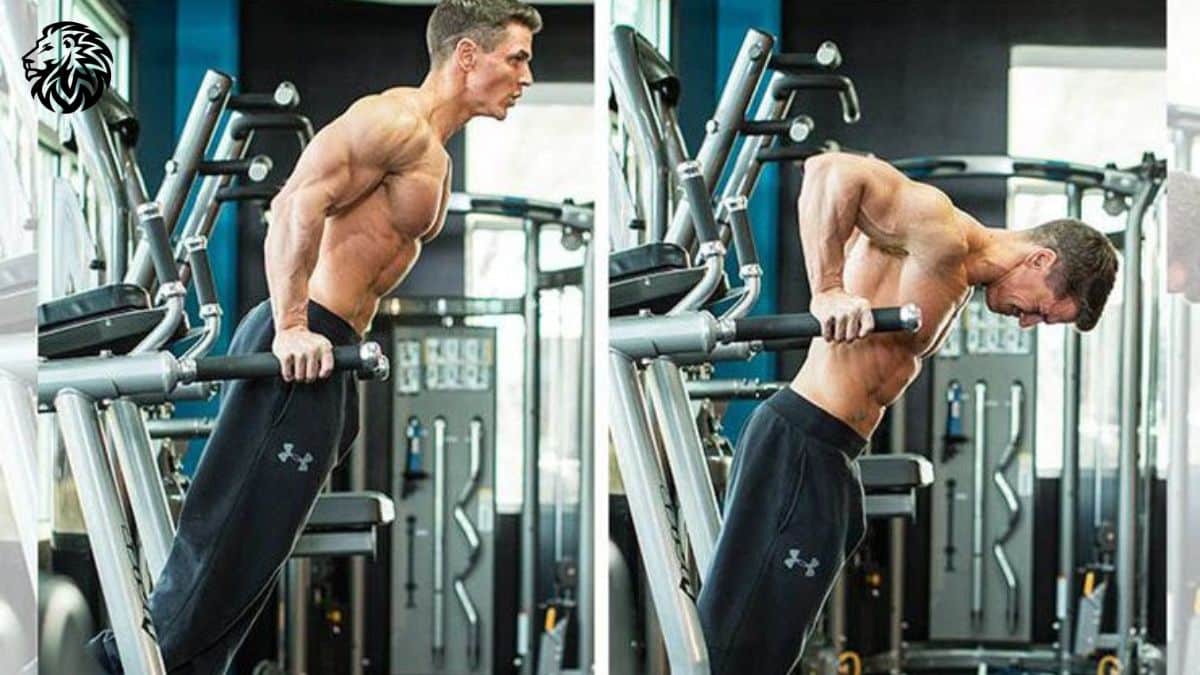
To perform bodyweight dips correctly, follow these steps:
- Set up your equipment: Use parallel bars, dip bars, or two stable surfaces of equal height that can support your body weight.
- Grip the bars: Hold onto the bars with your palms facing inward and your arms fully extended. Keep your torso upright and legs either bent at the knees or crossed at the ankles.
- Lower your body: Slowly bend your elbows and lower yourself down until your upper arms are parallel to the floor. Keep your elbows tucked slightly inward to protect your shoulders.
- Pause at the bottom: Hold briefly at the lowest point, keeping tension in your muscles.
- Push back up: Press through your palms and extend your elbows to return to the starting position. Keep your movements controlled to maximize muscle engagement.
Key pointers: Avoid locking your elbows at the top, and do not let your shoulders roll forward. Maintain a smooth and steady pace throughout the exercise.
Muscles Targeted
Bodyweight dips primarily target the triceps, but they also recruit several other major muscle groups:
- Triceps brachii – the main muscle worked during the pressing motion.
- Pectoralis major and minor – the chest muscles assist heavily in pushing your body upward.
- Deltoids – especially the anterior shoulders, stabilize and support the movement.
- Rhomboids and trapezius – help control your posture as you move.
- Core muscles – work to keep your torso stable and upright.
Because of this combination, bodyweight dips are a compound exercise that develops both strength and muscle definition.
Why Bodyweight Dips are Important
Adding bodyweight dips to your routine helps build upper body pushing strength, which translates into better performance in other exercises like bench press, push-ups, and overhead presses. They also enhance functional strength, making everyday activities that involve pushing, lifting, or supporting your weight easier.
In addition, dips provide a progression challenge. As you grow stronger, you can add weight with a belt or weighted vest to continue building muscle. This makes dips versatile for both beginners and advanced athletes.
Tips and Things to Avoid
- Keep your form strict: Don’t flare your elbows outward excessively. This reduces triceps engagement and increases the risk of shoulder strain.
- Avoid going too low: While depth is important, lowering beyond the point where your shoulders feel comfortable can cause joint stress. Aim for elbows bent at about 90 degrees.
- Control the movement: Don’t let gravity pull you down too quickly. A controlled descent ensures better muscle activation and reduces injury risk.
- Engage your core: Tighten your abs to maintain stability and prevent swaying.
- Use the right equipment: Make sure bars, chairs, or surfaces are stable and won’t shift under your weight.
Reps and Sets
| Fitness Level | Reps | Sets | Rest |
|---|---|---|---|
| Beginner | 6–8 | 2–3 | 90 sec |
| Intermediate | 8–12 | 3–4 | 60–90 sec |
| Advanced | 12–15+ or weighted | 4–5 | 60 sec |
Start with a lower rep range if you’re new, and gradually progress to higher reps or added resistance.
Other Exercises to Use
To balance your training and complement bodyweight dips, consider these additional exercises:
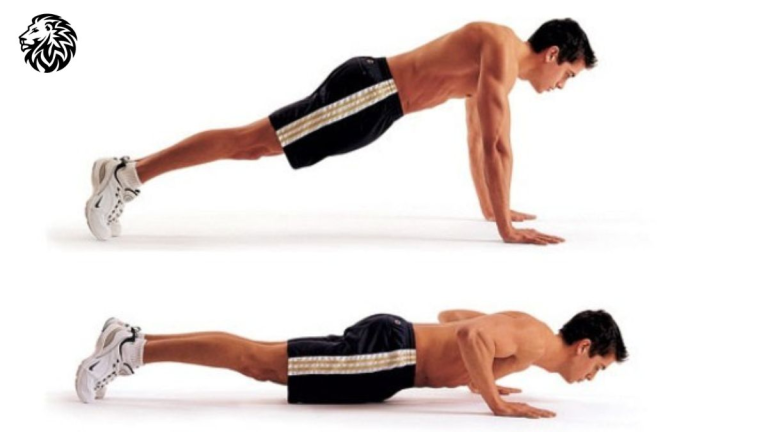
- Push-ups – Great for building chest and triceps endurance.
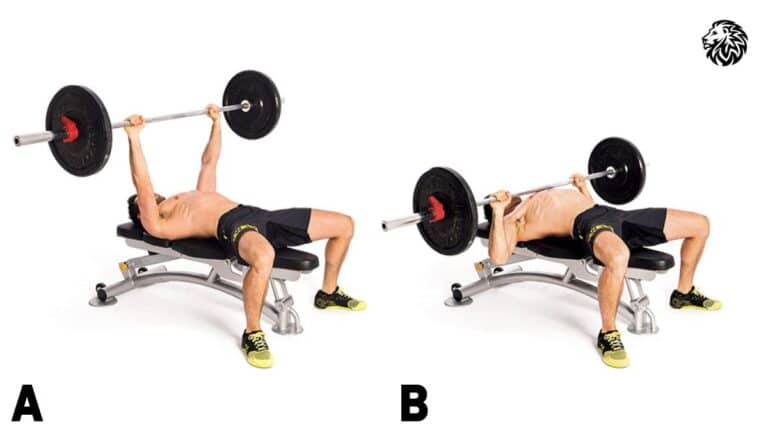
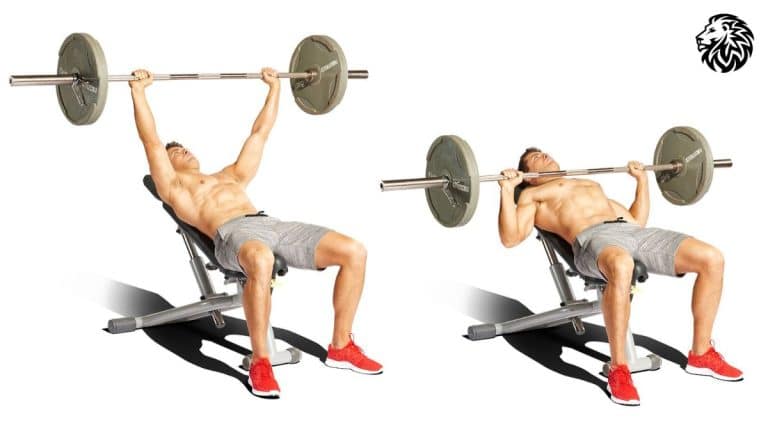
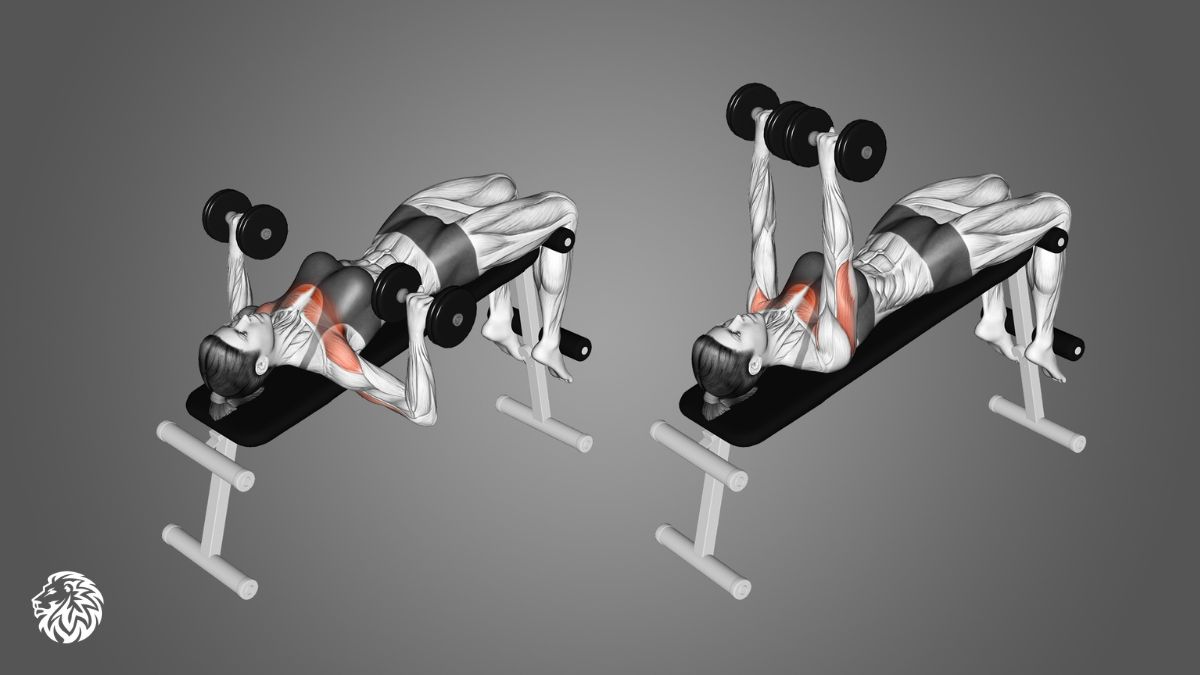
- Bench press – Strengthens similar muscle groups with a barbell or dumbbells.
- Overhead press – Focuses on shoulders and triceps, improving pressing strength.
- Pull-ups – A pulling movement that balances the pushing motion of dips.
- Triceps extensions – Isolation work for triceps growth and strength.
Incorporating these movements ensures a well-rounded upper body workout.
Final Thoughts
Bodyweight dips are a powerful exercise that can take your upper body training to the next level. They target multiple muscles, build functional strength, and can be adjusted to fit your fitness level. Whether you’re working on general strength, muscle building, or simply want a reliable exercise you can do almost anywhere, bodyweight dips are worth mastering. Commit to proper form, stay consistent, and you’ll see progress in both strength and definition over time.
Frequently Asked Questions
1. Are bodyweight dips safe for beginners?
Yes, but beginners should focus on form and start with assisted dips or partial range of motion if full dips feel too difficult.
2. How often should I do bodyweight dips?
Two to three times per week is ideal, with rest days in between for recovery.
3. Can I replace push-ups with dips?
Dips are excellent, but push-ups should still be included for variety and balanced strength development.
4. Should I lean forward or stay upright?
Leaning forward shifts more emphasis to your chest, while staying upright targets your triceps more. Adjust based on your training goal.
5. Can I add weight to bodyweight dips?
Yes. Weighted belts, vests, or even holding a dumbbell between your legs can increase resistance as you progress.