The Bent Over Barbell Row is a staple exercise for building a strong back, improving posture, and boosting pulling power. Whether you’re a beginner or an experienced lifter, mastering this move will pay off in strength and muscle development. This guide explains how to perform the exercise correctly, the muscles it works, and how to incorporate it into your routine.
Exercise Instructions
- Stand with your feet shoulder-width apart and hold a barbell with an overhand grip.
- Bend your knees slightly and hinge forward at the hips until your torso is almost parallel to the ground. Keep your back straight and core engaged.
- Let the barbell hang in front of you with your arms fully extended.
- Pull the barbell toward your lower chest or upper abdomen, squeezing your shoulder blades together at the top.
- Slowly lower the barbell back to the starting position in a controlled manner.
- Repeat for the desired number of repetitions.
Form is key. Avoid rounding your back, and focus on controlled movements rather than jerking the weight.
Muscles Targeted
The Bent Over Barbell Row engages several major muscle groups:
- Latissimus dorsi (lats): The largest back muscles that give width and strength.
- Rhomboids and trapezius: Upper back muscles that stabilize the shoulder blades.
- Posterior deltoids: Rear shoulders, which assist in pulling.
- Biceps and forearms: Secondary muscles for gripping and pulling the bar.
- Core and lower back: Stabilizers that keep your torso steady throughout the lift.
This combination makes the exercise one of the best for building both size and strength in your upper body.
Why This Exercise is Important
The Bent Over Barbell Row is important because it builds pulling strength that carries over to other lifts like deadlifts, bench press, and pull-ups. It also helps improve posture by strengthening the upper back, counteracting the effects of sitting or hunching forward. Athletes use it to enhance performance in sports that require strong pulling movements, while everyday lifters benefit from a stronger, more balanced physique.
Tips and Things to Avoid
- Keep your back flat: Rounding your spine increases the risk of injury.
- Engage your core: Tighten your abs to stabilize your torso.
- Control the weight: Avoid swinging or using momentum to lift.
- Don’t stand too upright: If your torso angle is too high, your lats won’t engage effectively.
- Use a manageable weight: Start lighter and build strength over time.
- Grip variation: Switching between overhand and underhand grips can target different muscles.
Reps and Sets for Bent Over Barbell Row
Here’s a guide to structuring your Bent Over Barbell Row based on your goals:
| Goal | Reps | Sets | Rest |
|---|---|---|---|
| Strength | 4–6 | 4–5 | 2–3 minutes |
| Hypertrophy (muscle growth) | 8–12 | 3–4 | 60–90 seconds |
| Endurance | 12–15 | 2–3 | 30–60 seconds |
Other Exercises to Use
To round out your back training, combine Bent Over Barbell Rows with other movements:
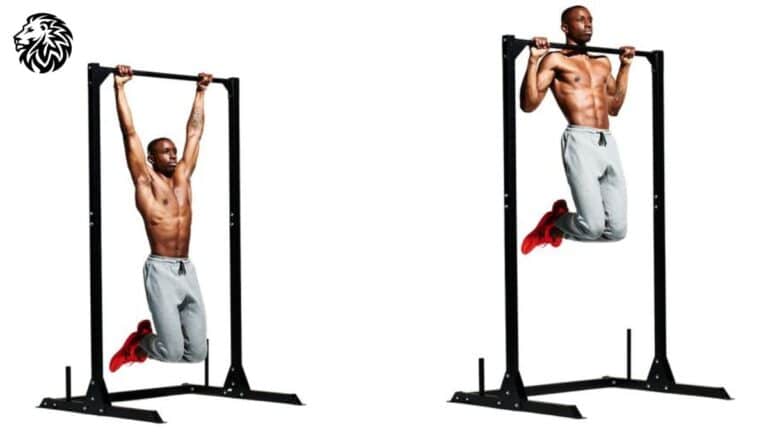
- Pull-ups or chin-ups: Great for vertical pulling strength.
- Deadlifts: Build total back and posterior chain power.
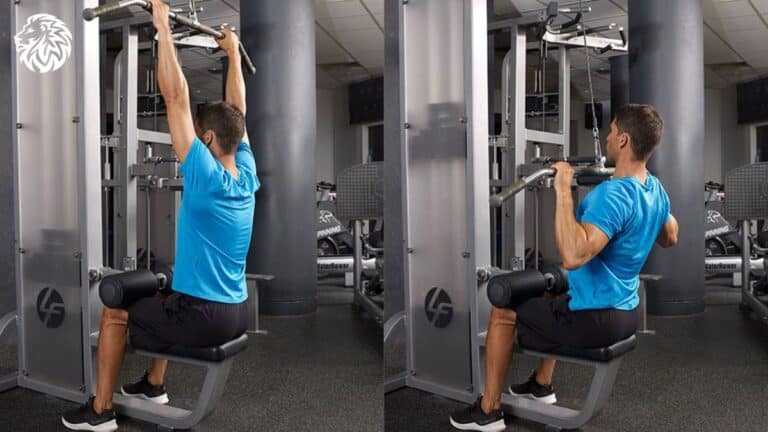
- Seated cable rows: Add constant tension with a different angle.
- Face pulls: Strengthen the rear delts and upper traps.
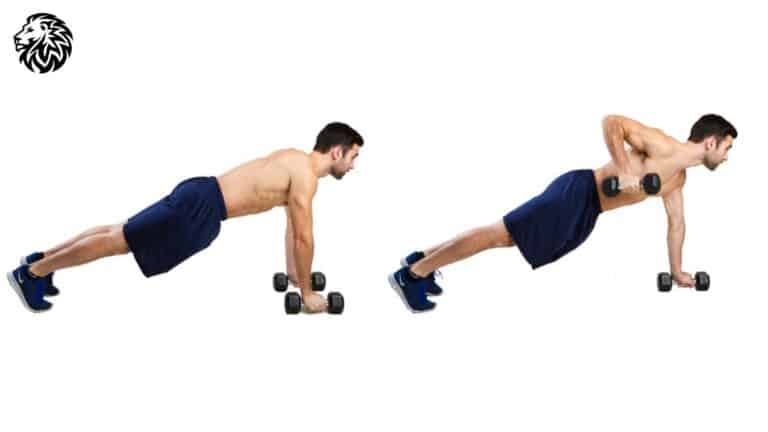
- Dumbbell rows: Allow a greater range of motion and help fix imbalances.
These exercises complement the Bent Over Barbell Row for a complete back workout.
Final Thoughts
The Bent Over Barbell Row remains one of the most effective exercises for building a strong, muscular back. It develops multiple muscle groups, improves posture, and supports strength gains in other lifts. Focus on proper form, start with a weight you can handle, and progress steadily. With consistency, this exercise will become a cornerstone of your training routine.
Frequently Asked Questions
Is the Bent Over Barbell Row safe for beginners?
Yes, as long as beginners use light weights and focus on proper form before progressing to heavier loads.
Should I use an overhand or underhand grip?
Both are effective. Overhand grips target the upper back more, while underhand grips emphasize the lats and biceps.
Can I replace the Bent Over Barbell Row with dumbbell rows?
Dumbbell rows are a great alternative, especially for those who want to focus on one side at a time, but barbell rows allow heavier loading.
How heavy should I lift?
Use a weight that allows you to complete your reps with good form. If your back rounds or you swing, lower the weight.
How often should I do this exercise?
Two times per week is enough for most lifters, depending on your overall workout split.