The Bench Press is one of the most popular strength training exercises, and for good reason. It builds upper body power, enhances muscle definition, and is a key movement in almost every strength program. Whether you want to increase muscle mass, boost athletic performance, or improve overall strength, the Bench Press is a reliable exercise to include in your routine. With the right technique, it not only helps you lift heavier weights but also keeps you safe from injury.
Exercise Instructions
- Set Up the Bench and Bar
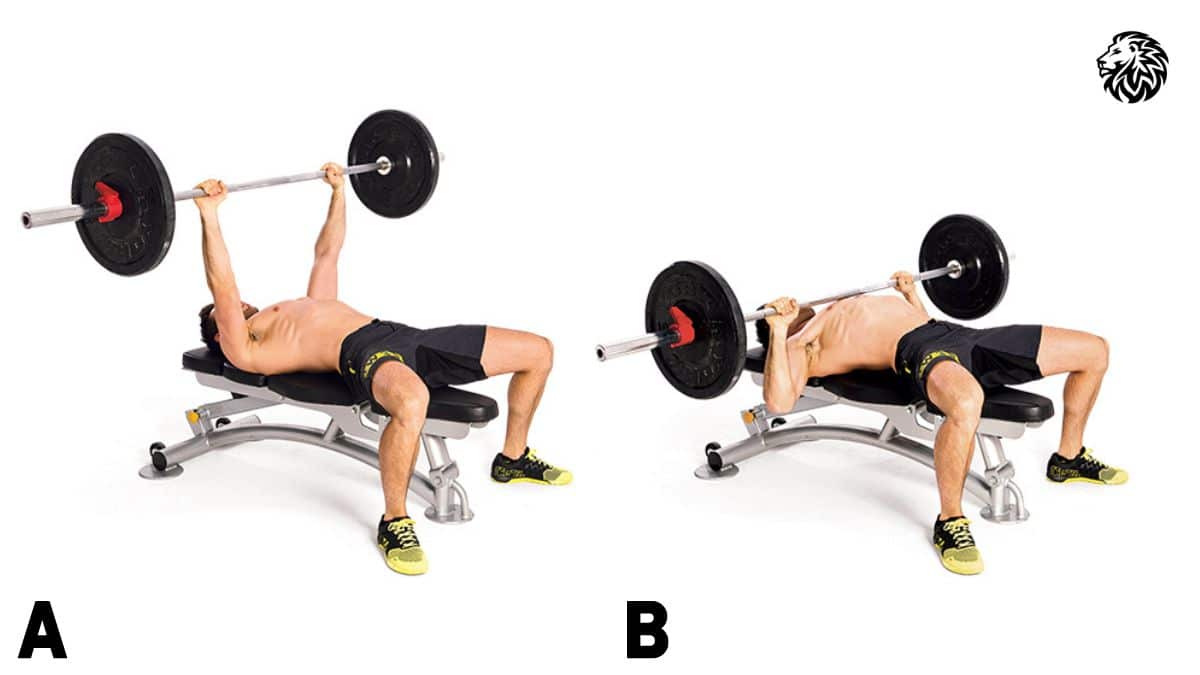
- Position yourself on a flat bench with your eyes directly under the barbell.
- Plant your feet firmly on the ground for stability.
- Grip the bar slightly wider than shoulder-width apart with your palms facing forward.
- Position Your Body
- Keep your back flat on the bench, but allow a natural arch in your lower back.
- Squeeze your shoulder blades together to create a stable base.
- Engage your core before unracking the bar.
- Lift-Off and Lowering
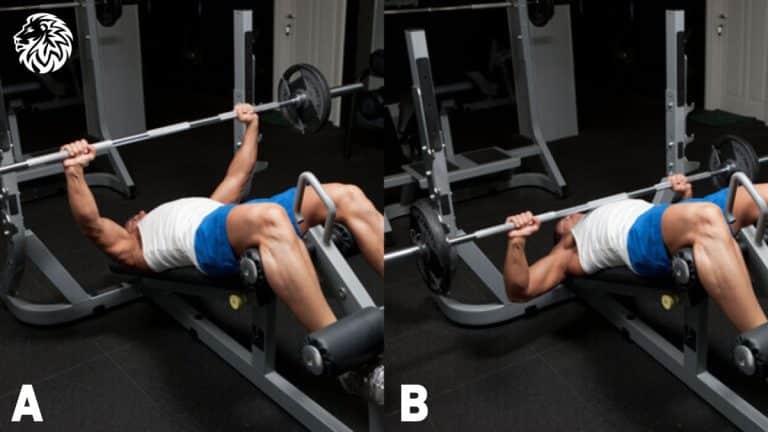
- Unrack the barbell by straightening your arms and moving it directly over your chest.
- Lower the bar slowly and under control to your mid-chest level, keeping your elbows at about a 45-degree angle.
- Pressing the Weight
- Drive the bar upward by pushing through your chest and triceps.
- Lock out your arms at the top without overextending your elbows.
- Keep the motion smooth and controlled throughout the set.
Muscles Targeted
The Bench Press engages multiple muscle groups, making it a compound exercise:
- Chest (Pectoralis Major and Minor): The main muscles activated during pressing.
- Shoulders (Anterior Deltoids): Provide support and stability during the lift.
- Triceps: Assist in extending your arms and pushing the bar upward.
- Core: Keeps your body stable throughout the exercise.
Why This Exercise is Important
The Bench Press is a foundation of strength training. It improves pushing power, builds upper body size, and supports performance in sports and daily activities. Powerlifters use it as one of their three main lifts, while athletes rely on it to enhance strength for explosive movements. For general fitness, it helps improve posture and overall upper body muscle balance. Few exercises offer the same combination of strength and muscle-building benefits.
Tips and Things to Avoid
- Tips for Success:
- Warm up with lighter sets before moving to heavier weights.
- Keep your wrists straight to avoid unnecessary strain.
- Exhale as you press the bar up, and inhale as you lower it.
- Train with a spotter when lifting heavy for safety.
- Common Mistakes to Avoid:
- Bouncing the bar off your chest.
- Allowing your elbows to flare too far out.
- Overarching your back.
- Lifting your feet off the ground or shifting them mid-lift.
Reps and Sets
| Goal | Sets | Reps | Rest Between Sets |
|---|---|---|---|
| Strength | 4–6 | 4–6 | 2–4 minutes |
| Hypertrophy (muscle) | 3–4 | 8–12 | 60–90 seconds |
| Endurance | 2–3 | 12–15+ | 30–60 seconds |
Other Exercises to Use
While the Bench Press is excellent, pairing it with other movements builds balanced strength:
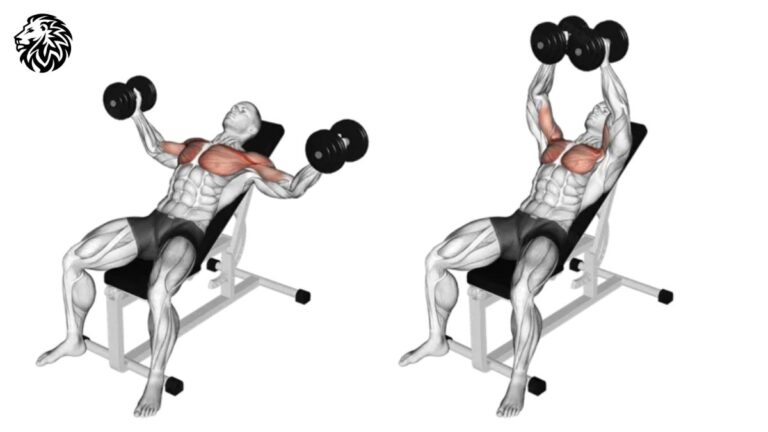
- Incline Bench Press: Shifts focus to the upper chest.
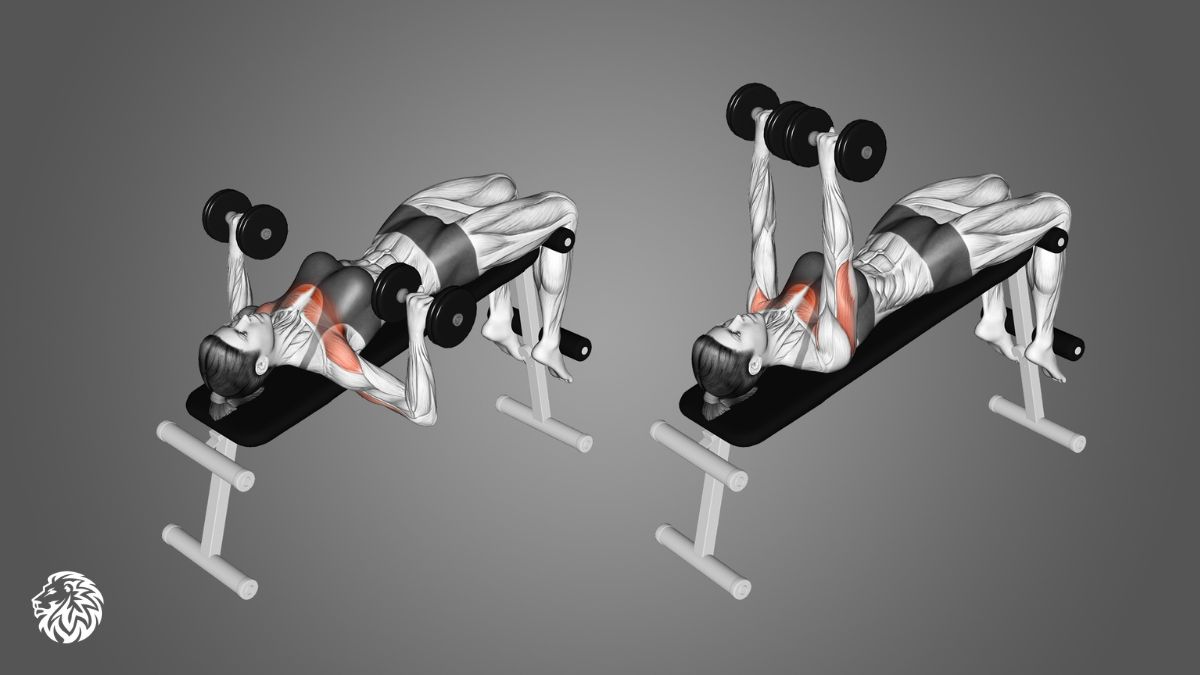
- Dumbbell Bench Press: Improves stability and range of motion.
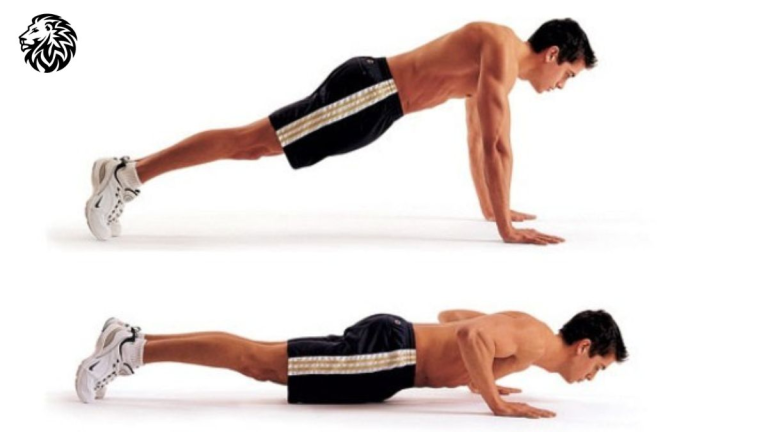
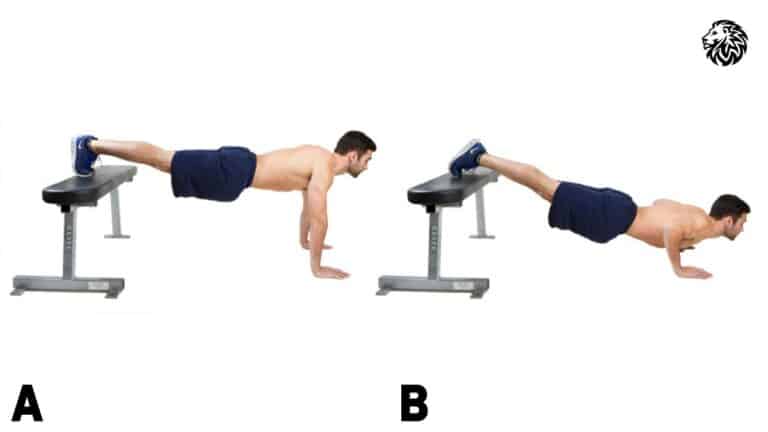
- Push-Ups: A bodyweight alternative that engages similar muscles.
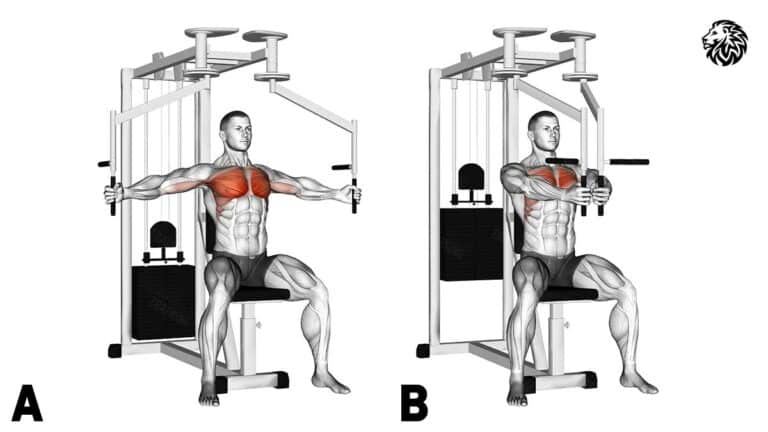
- Chest Flys: Isolates the chest for added definition.
- Overhead Press: Complements the Bench Press by building shoulder strength.
Final Thoughts
The Bench Press is more than just a test of strength—it’s a versatile exercise that supports muscle growth, stability, and performance. When performed correctly, it delivers powerful results without putting your joints at risk. Start with a weight you can handle, refine your form, and progress gradually. Whether you’re training for strength, muscle growth, or endurance, the Bench Press deserves a spot in your routine.
Frequently Asked Questions
1. How much should I be able to Bench Press?
It depends on your experience, weight, and training background. Beginners should focus on form before worrying about heavy loads.
2. Is the Bench Press safe for beginners?
Yes, as long as you use proper form and start with lighter weights. Having a spotter adds an extra layer of safety.
3. How often should I Bench Press?
Most lifters see progress with 1–2 sessions per week, depending on recovery and overall training goals.
4. Should I use dumbbells or a barbell for Bench Press?
Both are effective. The barbell allows heavier lifting, while dumbbells improve balance and reduce muscle imbalances.
5. What if I feel shoulder pain during Bench Press?
Check your form first. Keep your elbows at a 45-degree angle, and avoid lowering the bar too high on your chest. If pain continues, reduce the weight or consult a trainer.