Bench Dips are a simple but powerful bodyweight exercise that strengthen your triceps, shoulders, and chest. Because all you need is a stable surface like a bench, chair, or sturdy edge, they’re easy to add into your home or gym workouts. This movement is excellent for building upper body strength, improving stability, and toning your arms without requiring expensive equipment.
Exercise Instructions
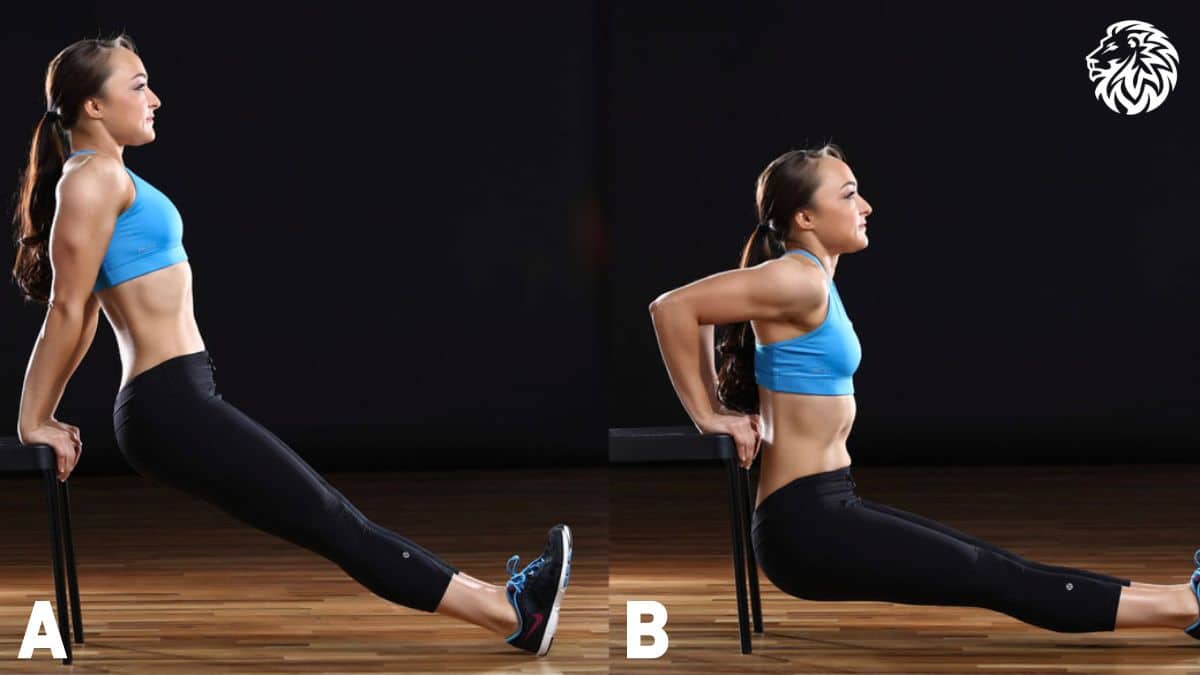
To perform Bench Dips correctly, follow these steps:
- Set Up
- Sit on the edge of a bench or chair with your hands gripping the edge just outside your hips.
- Keep your fingers pointing forward, elbows slightly bent, and feet flat on the ground.
- Position Your Body
- Slide your hips off the edge of the bench so your weight is supported by your arms.
- Extend your legs straight in front of you for more difficulty or bend your knees at 90 degrees for an easier variation.
- Lowering Phase
- Slowly bend your elbows and lower your body until your upper arms are about parallel to the ground.
- Keep your back close to the bench and avoid letting your elbows flare out.
- Pushing Phase
- Press through your palms to straighten your arms and lift your body back up to the starting position.
- Squeeze your triceps at the top before repeating the movement.
Aim for a smooth, controlled pace without bouncing or locking your elbows.
Muscles Targeted with Bench Dips
Bench Dips primarily focus on your triceps, but they also recruit other muscles for support and balance:
- Triceps brachii – Main muscle activated during dips.
- Anterior deltoids (shoulders) – Provide stability and assist in pressing.
- Pectoralis major (chest) – Engaged as a secondary mover.
- Rhomboids and traps (upper back) – Help stabilize shoulder movement.
- Core muscles – Maintain posture during the dip.
Why Bench Dips Are Important
Bench Dips are important because they target the triceps more effectively than many other bodyweight exercises. Strong triceps not only improve your arm definition but also enhance your performance in pressing movements like push-ups, bench presses, and overhead presses. They also improve functional strength, making everyday pushing and lifting tasks easier.
For people training without access to a gym, Bench Dips offer a practical solution. They help build muscle endurance, improve joint stability, and can be adapted for beginners or advanced athletes.
Tips and Things to Avoid
- Keep your elbows tucked in to prevent shoulder strain.
- Avoid dipping too low—stop when your upper arms are parallel to the ground to protect your shoulders.
- Keep your back close to the bench instead of letting your hips drift forward.
- Use proper breathing: inhale as you lower, exhale as you push up.
- Don’t lock out your elbows at the top, which may strain your joints.
- Check your surface stability—make sure the bench or chair won’t slide.
Reps and Sets for Bench Dips
| Fitness Level | Sets | Reps | Rest Time |
|---|---|---|---|
| Beginner | 2–3 | 8–10 | 60–90 sec |
| Intermediate | 3–4 | 10–15 | 45–60 sec |
| Advanced | 4–5 | 15–20 | 30–45 sec |
You can increase intensity by extending your legs fully, elevating your feet on another bench, or adding a weight plate to your lap.
Other Exercises to Use
While Bench Dips are effective, you can combine them with other movements for complete upper-body development:
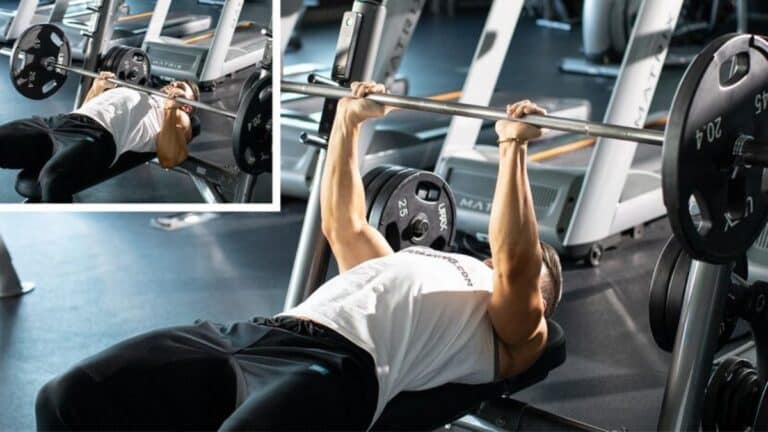
- Close-Grip Push-Ups – Build chest and triceps strength.
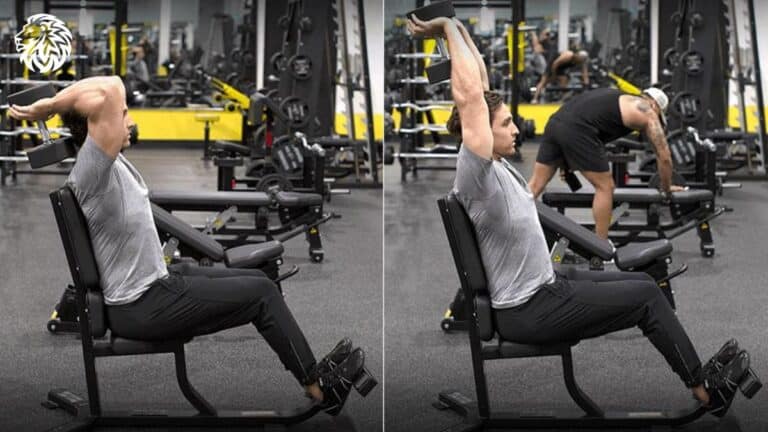
- Overhead Triceps Extensions – Stretch and strengthen the triceps fully.
- Diamond Push-Ups – Another great bodyweight exercise for triceps.
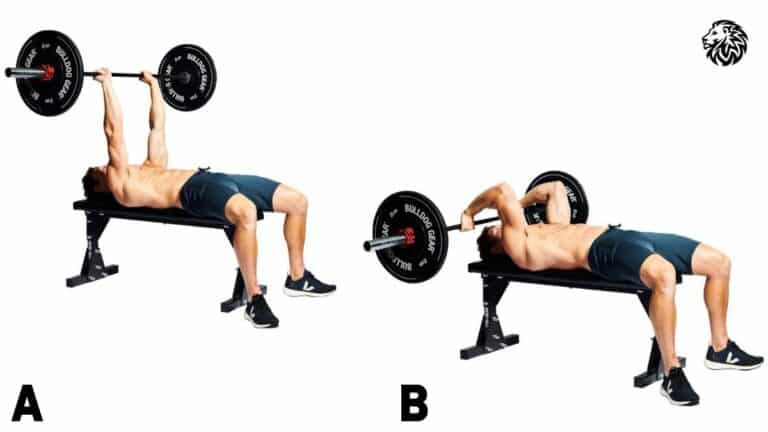
- Cable Pushdowns – Add resistance training to target triceps.
- Shoulder Presses – Improve shoulder stability and pressing strength.
Mixing these exercises into your routine will create balanced arm and upper-body development.
Final Thoughts
Bench Dips are a simple yet effective exercise for building stronger triceps and improving upper body strength. Whether you are training at home or in the gym, they require little space and no expensive equipment. By performing them with good form and adjusting the difficulty level, you can make them a valuable part of your fitness program. If you pair Bench Dips with other push and pull exercises, you’ll see improvements in both strength and muscle tone.
Frequently Asked Questions
Are Bench Dips safe for beginners?
Yes, but beginners should keep their knees bent and avoid dipping too low to protect their shoulders.
Can I add weight to Bench Dips?
Yes, advanced lifters often place a weight plate or dumbbell on their lap for added resistance.
How often should I do Bench Dips?
Two to three times per week is sufficient, with rest days in between to allow recovery.
Do Bench Dips work the chest?
They target the triceps most, but your chest muscles assist in the movement.
What if I feel shoulder pain during Bench Dips?
Stop immediately and check your form. If pain continues, switch to other triceps exercises like pushdowns or extensions.