The decline barbell bench press gives you a strong way to build your chest, especially the lower fibers that help round out your physique. Many lifters use the flat or incline bench as their go-to pressing movement, but the decline version offers a slightly different angle that eases shoulder stress while still allowing heavy weight. It also encourages better pressing mechanics because the bar path feels more natural for many lifters.
You perform the decline barbell bench press on a bench set at a downward angle, usually between 15 and 30 degrees. This small change shifts emphasis to the lower chest while keeping your shoulders in a stable position. If you want fuller chest development, improved pressing strength, or a variation that supports long-term progress, you will want this lift in your routine.
Exercise Instructions
Follow these steps to perform the decline barbell bench press with proper form:
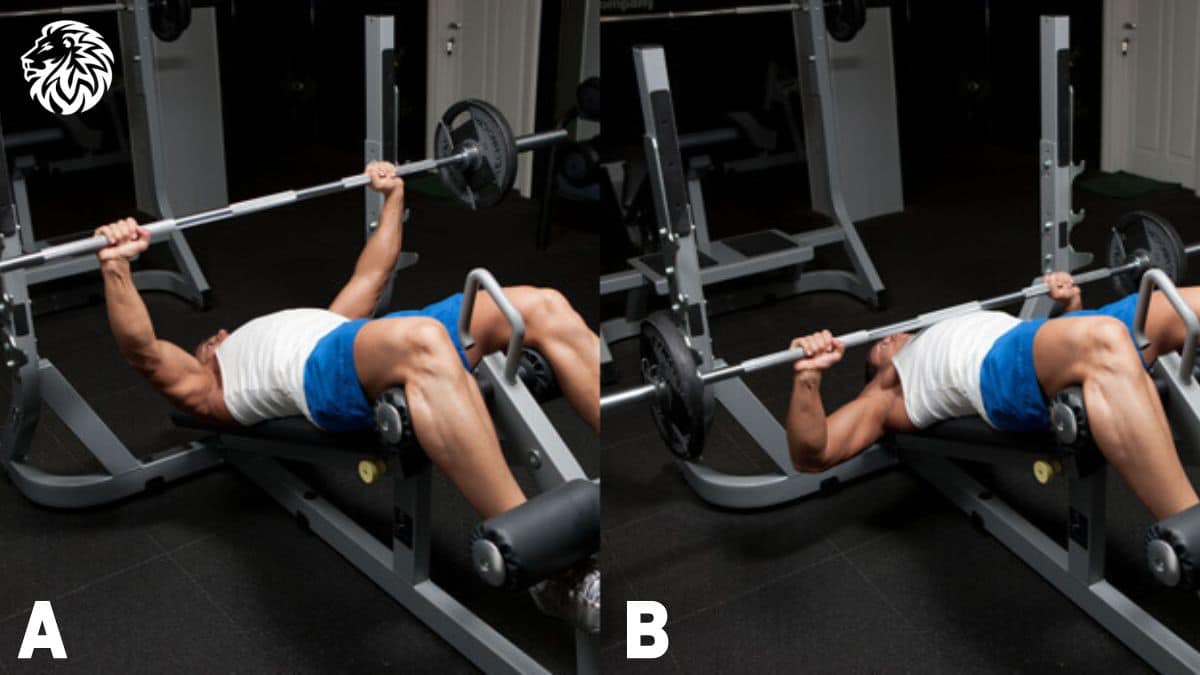
- Set up the bench. Adjust a decline bench to a moderate angle. Position it under a barbell rack so the bar sits at a height you can reach without losing shoulder tension.
- Secure your feet. Most decline benches include foot pads. Slide your legs under the pads so your body stays anchored. This keeps you from sliding down as you set your arch and grip.
- Lie back and grip the bar. Lower yourself onto the bench while keeping your feet locked in place. Take a shoulder-width or slightly wider grip on the bar. Your wrists should align with your forearms to handle the load safely.
- Unrack the bar. Press the bar up and move it over your lower chest. Keep your shoulder blades pulled back so your chest stays lifted. This position protects your shoulders and improves force production.
- Lower the bar. Bring the bar down under control to the lower portion of your chest. Your elbows should stay at a natural angle—neither tucked too tight nor flared out wide. Keep your forearms vertical through the descent.
- Press upward. Push the bar back up in a steady line until your arms extend without locking your elbows. Maintain pressure through your feet and keep your core engaged.
- Repeat for your desired reps. Use smooth, controlled motion on every rep. Avoid bouncing the bar or shifting your back against the bench. Proper form builds strength while reducing injury risk.
Muscles Targeted
The decline barbell bench press focuses primarily on the lower pectoral muscles, giving them strong activation due to the angle of the bench. You also engage several supporting muscle groups, including:
- Triceps brachii
- Anterior deltoids
- Serratus anterior
- Core stabilizers that maintain your position on the decline bench
Because your shoulders sit in a slightly safer position than during a flat bench, many lifters find they can push heavier weight while stressing the chest more effectively.
Why This Exercise is Important
The decline barbell bench press offers several benefits that make it worth adding to your chest routine:
- Better lower-chest development: The angle places greater emphasis on the lower section of your chest, which helps create a balanced, well-rounded look.
- Reduced shoulder strain: The decline position often feels more comfortable for lifters with shoulder discomfort during flat pressing.
- Greater pressing strength: Many people can lift more weight on a decline bench due to the improved leverage and shorter bar path.
- Improved stability: The movement encourages tight setup habits, which carry over to other pressing exercises.
If you want a chest program that builds strength and shape, the decline barbell bench press brings meaningful value.
Tips and Things to Avoid
Use these tips to get the most out of your decline barbell bench press:
Tips
- Keep your shoulder blades pulled back throughout the entire set.
- Use a spotter whenever you press heavy weight.
- Keep your grip consistent and firm to steady the bar path.
- Warm up your shoulders and elbows before your working sets.
- Control the bar on the descent to improve muscle activation.
Things to Avoid
- Avoid flaring your elbows too wide. This reduces power and irritates your shoulders.
- Avoid lowering the bar too fast. This increases injury risk and limits muscle tension.
- Avoid arching excessively. A small arch is fine, but stability should remain the priority.
- Avoid lifting without safety pins or a spotter when training near your max.
Reps and Sets
| Training Goal | Sets | Reps | Rest |
|---|---|---|---|
| Strength | 4–6 | 3–6 | 2–3 minutes |
| Muscle Growth | 3–4 | 8–12 | 60–90 seconds |
| Endurance | 2–3 | 12–15 | 45–60 seconds |
Other Exercises to Use
The decline barbell bench press works well when paired with other pressing and chest exercises. You can add these options into your routine to build a balanced program:
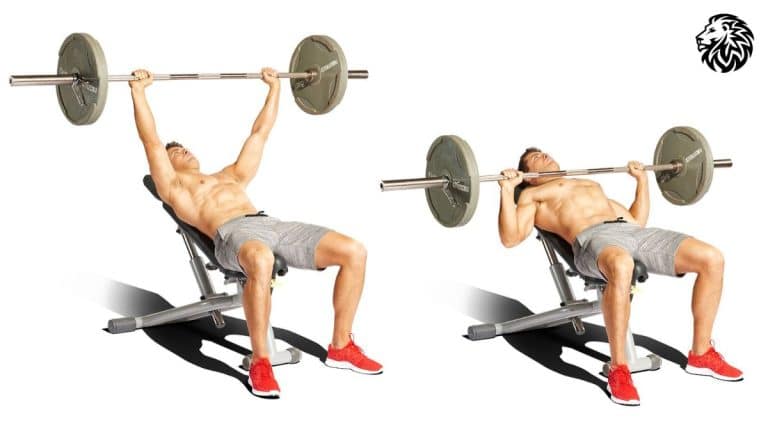
- Flat barbell bench press
- Incline dumbbell press
- Chest dips
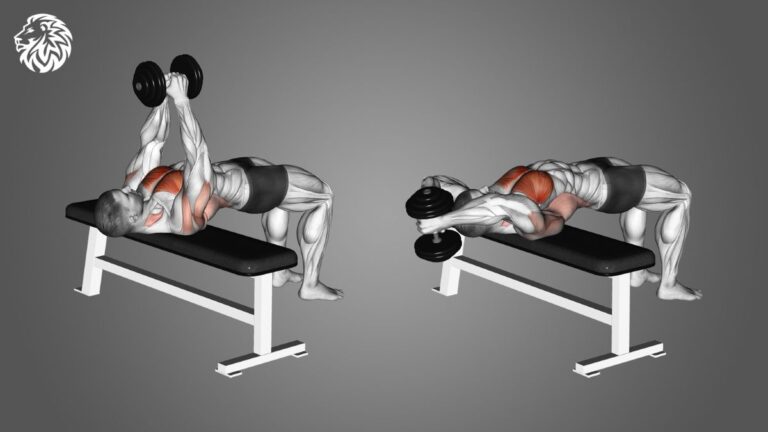
- Dumbbell flyes
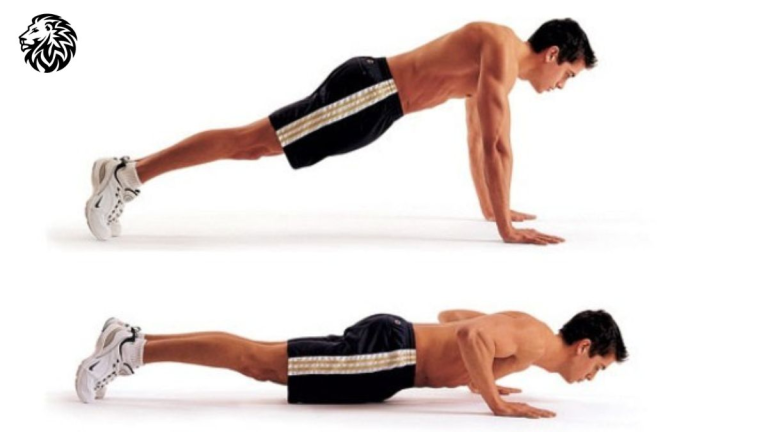
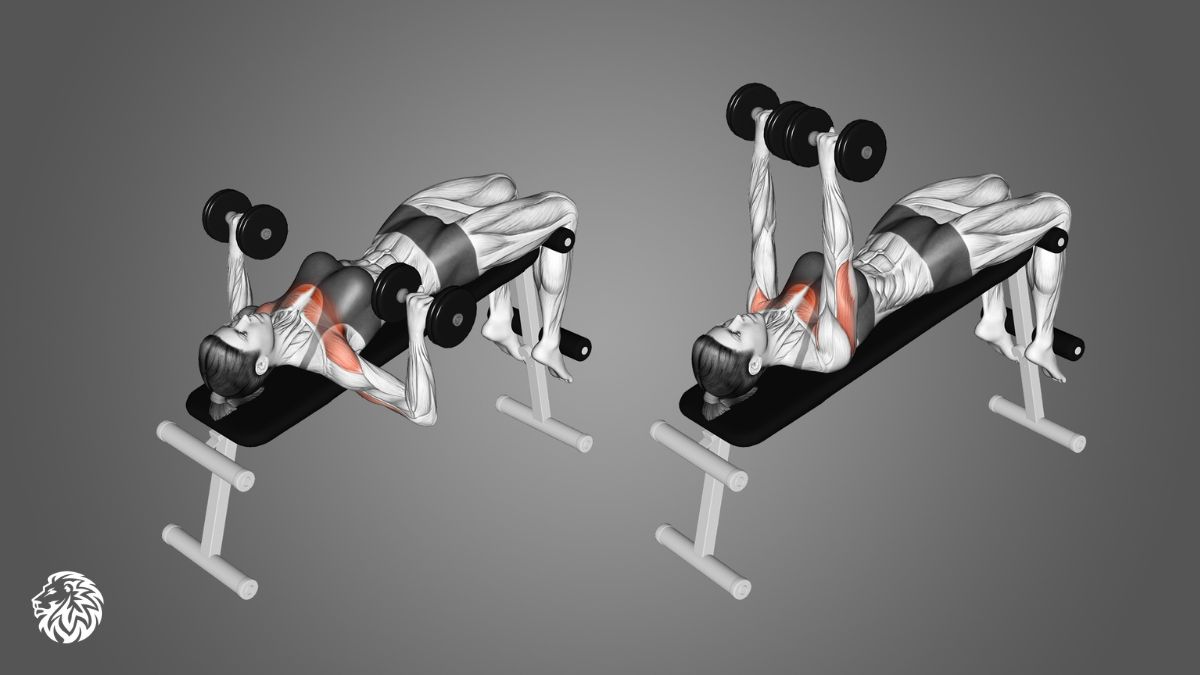
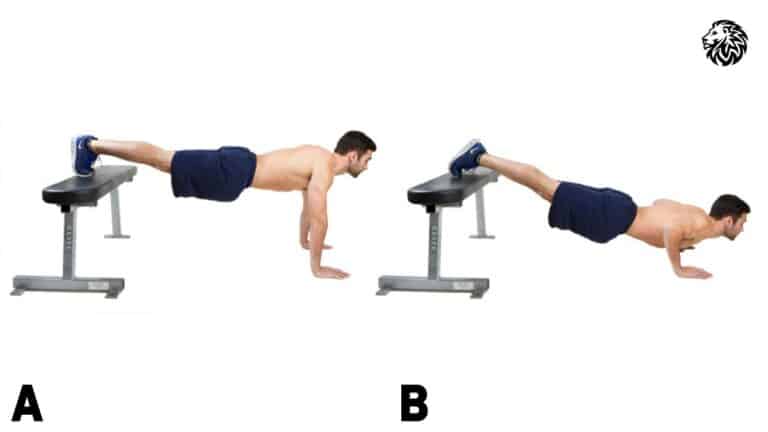
- Pushups
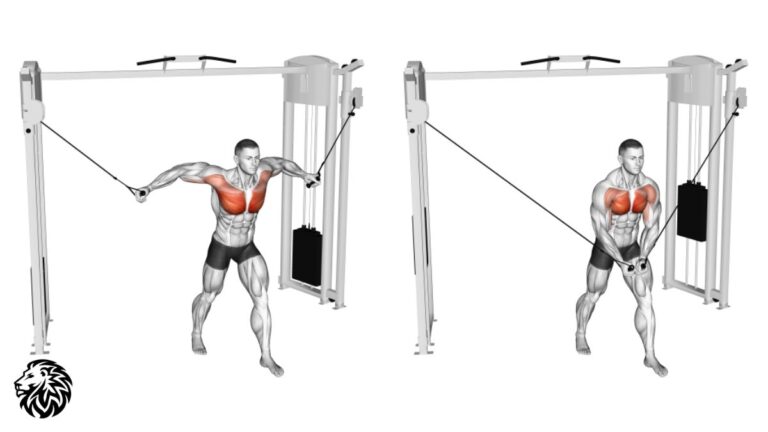
- Cable crossovers
These movements train the chest from various angles and support overall strength and muscle growth.
Final Thoughts
The decline barbell bench press stands out as a useful lift for lifters who want a strong chest and improved pressing power. Its angle allows you to target the lower chest more effectively while taking stress off your shoulders. With correct form, steady progress, and consistent practice, you’ll build strength and shape that carry over to your entire upper-body routine.
Whether you lift for size, strength, or both, this exercise deserves a place in your chest training rotation. Set up the bench correctly, focus on form, and increase your weight gradually. Your chest development will benefit from the added variety and challenge.
Frequently Asked Questions
Is the decline barbell bench press better than the flat bench?
Neither is “better,” but the decline bench shifts more tension to the lower chest and may feel easier on the shoulders.
Can beginners use the decline barbell bench press?
Yes. As long as you learn proper form and use light weight at first, beginners can include this exercise safely.
How heavy should I go on a decline barbell bench press?
Use a weight that allows you to keep good form while reaching your rep target. Increase gradually as your strength improves.
Should I do decline before or after flat bench?
You can do it either way. Many lifters start with their priority movement first, so choose based on your training goals.
Do I need a spotter?
A spotter is recommended, especially when you lift heavy or train near failure.