A strong, well-defined back is one of the hallmarks of an athletic physique. The sought-after “V-shape” — broad shoulders tapering down to a narrow waist — gives your body balance, symmetry, and visual power. The good news is, you don’t need a gym full of machines to build it. With the right exercises, control, and focus, you can develop that wide back that turns heads and supports your posture.
This article breaks down the “Scalp That V-Shape Back” workout into simple, effective steps. Each movement targets specific muscles of your back, ensuring both width and depth while strengthening the core that supports your spine.
1. Start Strong With Pull-Ups
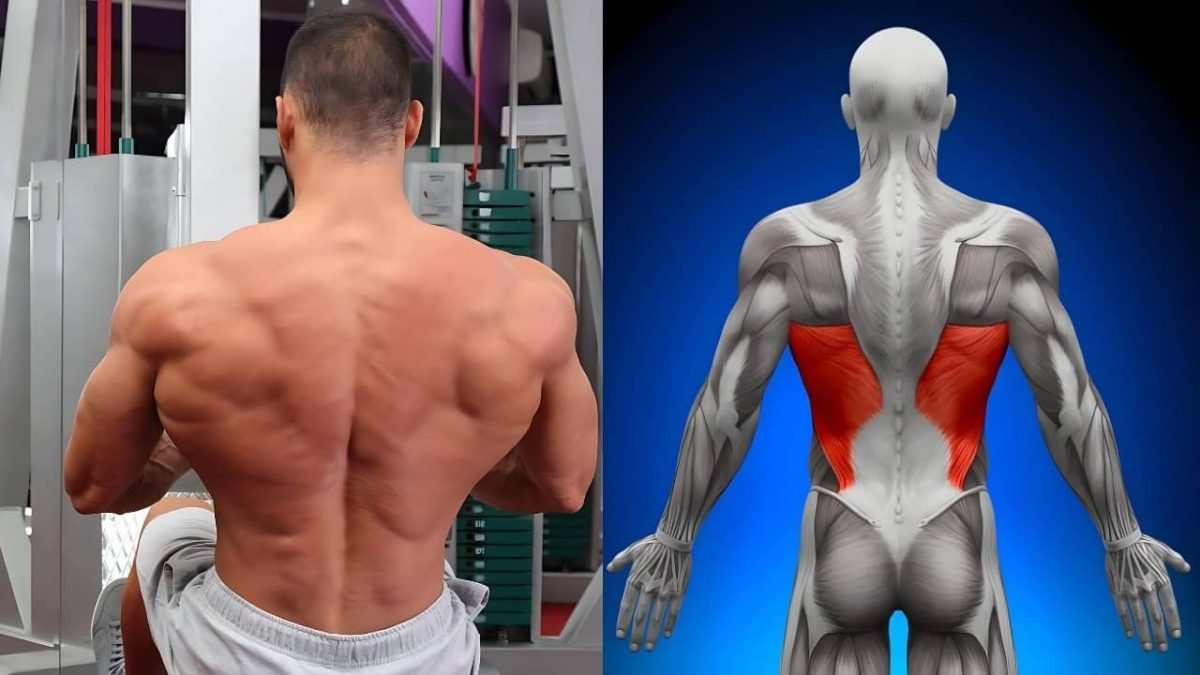
Every great back begins with pull-ups. This classic exercise builds your lats — the broad muscles that form the wings of your upper body. Pull-ups recruit multiple muscle groups, but the key here is lat activation. Instead of yanking yourself up with momentum, focus on pulling your elbows down and back. This technique ensures your lats do the heavy lifting, not your biceps or shoulders.
You can start with body-weight pull-ups, but if you’re still building strength, use a resistance band for assistance. As you progress, add a weighted belt or hold a dumbbell between your feet for added resistance. Aim for 3–4 sets of 8–12 reps.
- Tip: Keep your core tight and avoid swinging. The slower and more controlled your movement, the greater your muscle engagement.
This first step primes your back for growth, setting the foundation for the V-taper.
2. Build Thickness With Dumbbell Rows
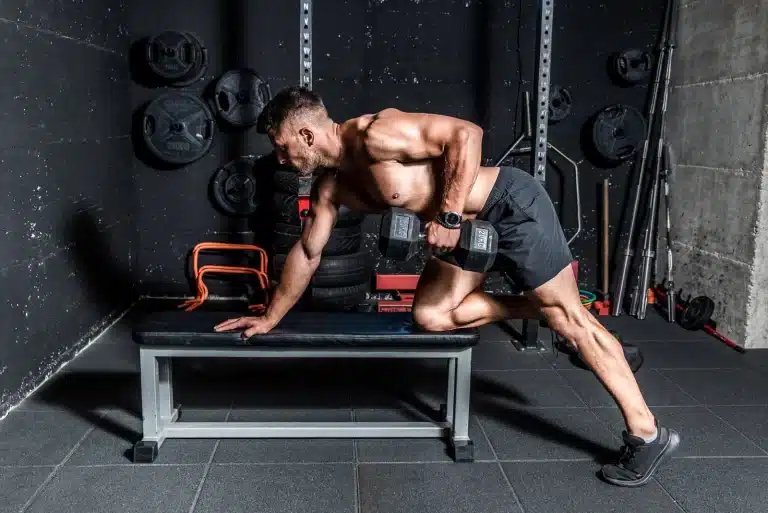
Once your lats are engaged and warmed up, move on to dumbbell rows. This movement builds both the width and thickness of your back, especially the mid-lats and rhomboids. The video emphasizes control — not speed or heavy weight. Slow, steady reps create the kind of muscular tension that promotes definition and growth.
Position one knee and one hand on a bench, keeping your spine straight. Pull the dumbbell toward your lower ribcage, keeping your elbow close to your torso. Pause briefly at the top of the movement, then lower the weight slowly to stretch the muscle.
Perform 3–4 sets of 10–12 reps per side.
- Focus on: Feeling each rep. The goal is quality over quantity. You’re sculpting, not rushing.
Controlled dumbbell rows not only improve your posture but also balance your muscle development, preventing overreliance on machines or barbell movements.
3. Strengthen Your Foundation With Hyperextensions
A complete back isn’t just about wide lats and strong traps. Your lower back plays a critical role in both performance and aesthetics. The hyperextension targets your spinal erectors — the muscles running along your spine. When properly developed, they provide the stability needed for heavy lifts and help create that tight, defined taper into the waist.
To perform a hyperextension:
- Use a hyperextension bench or stability ball.
- Keep your hands crossed over your chest or behind your head.
- Lower your torso slowly, maintaining a neutral spine.
- Contract your lower back to raise yourself until your body forms a straight line.
Start with body weight, then add a small plate for resistance as you get stronger. Three sets of 15–20 reps will help you strengthen your posterior chain and prevent injuries from poor posture or imbalance.
4. The Mind-Muscle Connection: The Secret Ingredient
The video emphasizes the mind-muscle connection, and for good reason. This concept — focusing mentally on the muscle you’re working — enhances muscle recruitment and growth. Many lifters go through the motions without engaging their target muscles, but the connection between focus and performance is what separates average results from exceptional ones.
To strengthen this connection:
- Visualize the muscle contracting during each rep.
- Eliminate distractions and train with intention.
- Slow down your tempo to feel the contraction and stretch.
This mental engagement ensures that your lats, rhomboids, and lower back all work in harmony to build a true V-taper.
5. Create a Balanced Routine
While the “Scalp That V-Shape Back” workout gives you an excellent starting point, you’ll benefit most when it’s part of a balanced program. Here’s a sample weekly structure to complement your back training:
- Day 1: Back and Biceps (Pull-ups, Dumbbell Rows, Hyperextensions, Bicep Curls)
- Day 2: Legs and Core
- Day 3: Rest or Active Recovery (light cardio or stretching)
- Day 4: Chest and Triceps
- Day 5: Shoulders and Core
- Day 6: Full-body or compound lifts (deadlifts, clean pulls, etc.)
- Day 7: Rest
Remember that muscle definition also comes from nutrition. A lean diet rich in protein, complex carbs, and healthy fats supports muscle repair and helps reveal that V-shape faster.
6. Why the V-Taper Matters
A strong V-taper isn’t just about aesthetics — it reflects a balanced, functional body. Broad lats improve your posture by pulling your shoulders back. A tight waist enhances core strength and stability. Together, these attributes boost your athletic performance in nearly every sport or activity, from swimming to boxing to weightlifting.
Moreover, back training improves your overall movement efficiency. A strong posterior chain allows you to lift heavier, run faster, and move with better control. This is why fitness experts often recommend prioritizing back workouts even before chest day — because a strong back carries your body’s frame.
7. Finishing Strong: Building Consistency
The closing line, “Start with futonomy,” reminds viewers that building a V-shape back starts with consistency and intention. You can’t rush muscle growth, but steady effort pays off. Whether you train at a gym or at home, sticking to your routine and refining your form will deliver noticeable results within weeks.
Key reminders:
- Focus on controlled reps and proper technique.
- Warm up before lifting and stretch afterward.
- Track your progress and gradually increase resistance.
- Stay patient — building a wide back takes time but rewards commitment.
Final Thoughts
The “Scalp That V-Shape Back” workout highlights three essential exercises — pull-ups, dumbbell rows, and hyperextensions — that together target every part of your back. Add in proper nutrition, rest, and mental focus, and you’ll see the V-taper take shape.
A well-trained back doesn’t just look strong — it is strong. It supports every movement, enhances your posture, and builds confidence every time you step into the gym.