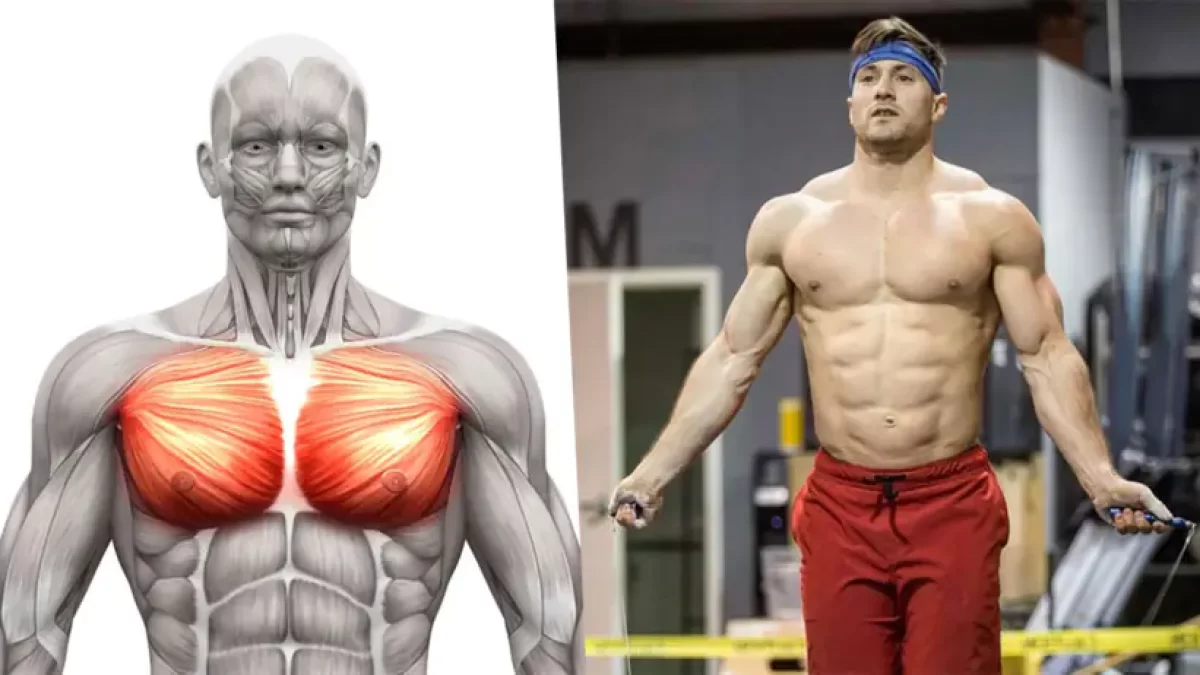
Building a strong, well-defined chest doesn’t have to be complicated. Many lifters waste time adding unnecessary exercises or constantly switching routines. In reality, chest development comes down to mastering a few effective movements, maintaining proper form, and training with consistent intensity. This guide outlines a proven three-step approach combining compound lifts, bodyweight training, and isolation exercises to help you grow your chest effectively.
1. Start with the Incline Dumbbell Press
Begin your workout with the incline dumbbell press, a foundational movement for developing the upper chest. This exercise targets the clavicular head of the pectoralis major—the upper section that is often underdeveloped.
Dumbbells allow for a greater range of motion than barbells, improving unilateral strength and engaging stabilizer muscles in the shoulders and triceps. During each rep, lower the dumbbells slowly to chest level, then drive them upward in a controlled arc, ensuring wrists stay aligned with elbows. Controlled repetitions create more muscle tension and enhance growth.
Do 3–4 sets of 8–12 reps, adjusting the weight to maintain form. Gradual progression over time is more effective than lifting heavy too soon.
2. Add High-Volume Push-Ups for Maximum Pump
After your incline presses, move on to a high-volume push-up routine. Often underestimated, push-ups are excellent for building the chest. They activate the pectorals, deltoids, and triceps while also engaging the core and lower back.
High repetitions promote muscle hypertrophy through increased time under tension and metabolic stress. Aim for multiple rounds of 20–30 reps or until near failure. To add variety or adjust difficulty, try:
- Incline Push-Ups – easier, great for beginners.
- Standard Push-Ups – balanced overall chest development.
- Decline Push-Ups – targets the upper chest.
- Diamond Push-Ups – focuses on inner chest and triceps.
Keep your body aligned, lower your chest just above the floor, and push back up with elbows tucked slightly in to avoid shoulder strain and improve activation.
3. Finish with Decline Chest Flies
End your chest session with decline chest flies, an isolation movement for the lower pecs. This exercise helps sculpt and balance the chest by improving muscle definition and symmetry.
Using dumbbells or cables, lie on a decline bench with a slight elbow bend. Lower the weights outward until you feel a stretch, then bring them back in a slow, controlled motion. Avoid using heavy weights to prevent shifting tension to the shoulders or risking injury.
Perform 3 sets of 12–15 reps, pausing at the top to squeeze your chest muscles and enhance the mind-muscle connection—key for building size and strength over time.
4. Keep It Simple – Consistency Builds Strength
This three-movement routine is straightforward yet powerful:
- Incline Press for upper chest development
- Push-Up Variations for volume and endurance
- Decline Flies for lower chest definition
Each move complements the others, delivering a balanced chest workout. Training two to three times a week, along with proper rest and nutrition, will yield steady strength and size gains.
Recovery matters—give your chest at least 48 hours of rest between sessions. Prioritize sleep, hydration, and a protein-rich diet to maximize muscle repair and growth. Long-term consistency beats short-term intensity every time.
5. Tips for Better Results
To optimize your chest workouts, keep these tips in mind:
- Warm up properly: Light cardio and shoulder mobility drills help prevent injuries.
- Apply progressive overload: Gradually increase resistance or reps over time.
- Focus on contraction: Briefly squeeze your chest at the top of each rep.
- Avoid ego lifting: Quality form always beats lifting heavier with poor technique.
- Track your progress: Logging workouts keeps you motivated and accountable.
6. Final Thoughts
Building a strong chest doesn’t require dozens of exercises or fancy equipment. Focus on the basics—press, push, and fly—with correct form and steady progression. Over time, you’ll build strength, shape, and confidence.
Whether your goal is improved aesthetics, performance, or overall strength, this simple and proven routine provides a clear, actionable plan. Train with purpose, stay consistent, and your chest will grow stronger week after week.