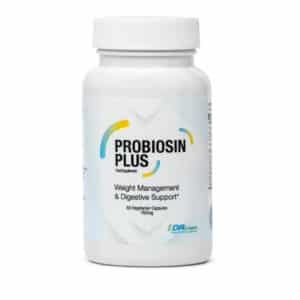
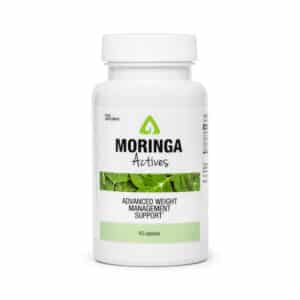
Glucomannan, a natural, water-soluble dietary fiber, has garnered significant attention in recent years for its numerous health benefits. Extracted from the roots of the elephant yam, also known as the konjac plant, glucomannan is known for its exceptional ability to absorb water and form a gel-like substance. This unique property makes it a versatile supplement with various applications in weight management, digestive health, and beyond. In this comprehensive blog post, we will delve into the science behind glucomannan, its health benefits, proper usage, potential side effects, and why it might be a valuable addition to your health regimen.
What Is Glucomannan?
Glucomannan is primarily derived from the konjac plant, which is native to Southeast Asia. It has been used in traditional Asian cuisine and herbal medicine for centuries. As a soluble fiber, glucomannan passes through the digestive system largely intact, absorbing water and expanding in the stomach. This results in a feeling of fullness, which can help control appetite and reduce overall calorie intake.
One of the most remarkable features of glucomannan is its viscosity. It can absorb up to 50 times its weight in water, forming a thick gel. This property is not only useful in culinary applications, such as making shirataki noodles, but also in promoting various health benefits.
How Does Glucomannan Help with Weight Loss?
Weight loss can be a challenging journey, often requiring a combination of dietary changes, exercise, and sometimes supplements. One such supplement that has gained attention for its potential weight loss benefits is glucomannan. Derived from the roots of the elephant yam (konjac), glucomannan is a natural, water-soluble dietary fiber known for its unique properties. In this article, we explore how glucomannan can assist with weight loss and the science behind its effectiveness.
1. Promotes Fullness and Reduces Caloric Intake
Glucomannan has an exceptional ability to absorb water, expanding in the stomach to form a viscous gel. This gel-like substance can create a sense of fullness, also known as satiety. When taken before meals, glucomannan can make you feel fuller, leading to a reduced overall intake of calories. This mechanism works through several pathways:
- Delayed Stomach Emptying: The gel formed by glucomannan slows down the emptying of the stomach, which prolongs the feeling of fullness and reduces the urge to eat more frequently.
- Increased Satiety: By occupying space in the stomach, glucomannan reduces hunger signals, making it easier to control portion sizes and resist snacking between meals.
2. Low-Calorie Content
As a dietary fiber, glucomannan is very low in calories. Despite its ability to expand and create a feeling of fullness, it contributes negligible calories to your diet. This makes it an ideal supplement for those looking to reduce their caloric intake without feeling deprived or hungry.
3. Reduces Absorption of Nutrients
Glucomannan can also impact the absorption of certain nutrients, particularly fats and proteins. By slowing down the digestion process, it allows for a more gradual absorption of these macronutrients. This can help in reducing the overall calorie intake from meals. Additionally, the gel formed by glucomannan can trap some of the fat and protein molecules, preventing them from being fully absorbed by the body.
4. Enhances Gut Health
A healthy gut microbiome is crucial for effective weight management. Glucomannan acts as a prebiotic, feeding the beneficial bacteria in the gut. These bacteria ferment the fiber, producing short-chain fatty acids like butyrate, which have been shown to protect against fat gain in some studies. By enhancing the balance of gut microbiota, glucomannan supports overall digestive health, which can indirectly aid in weight management.
5. Scientific Evidence Supporting Weight Loss
Several studies have examined the effects of glucomannan on weight loss, providing mixed but generally positive results.
- Randomized Controlled Trials: In one significant study involving 176 overweight individuals on a calorie-restricted diet, those who took glucomannan supplements experienced greater weight loss compared to those who took a placebo. This study highlighted the supplement’s potential to enhance the effects of a calorie-restricted diet.
- Meta-Analyses and Reviews: A systematic review of multiple studies suggested that glucomannan could lead to modest weight loss in overweight and obese individuals. However, the extent of weight loss varied across studies, indicating that individual responses to the supplement may differ.
6. Optimal Usage for Weight Loss
For glucomannan to be effective in promoting weight loss, it must be taken correctly. Here are some guidelines:
- Dosage: The typical recommended dosage is around 3 grams per day, divided into smaller doses taken before meals.
- Timing: It is crucial to take glucomannan 15-60 minutes before meals to maximize its satiety effects.
- Hydration: To prevent choking or blockages, glucomannan should be consumed with plenty of water—at least 1-2 glasses per dose.
7. Safety and Side Effects
Glucomannan is generally considered safe when taken as directed. However, some individuals may experience mild side effects such as bloating, gas, diarrhea, or constipation. These side effects are usually temporary and can be minimized by starting with a lower dose and gradually increasing it.
It is also important to note that glucomannan can interfere with the absorption of certain medications. Therefore, it is advisable to take medications either 1 hour before or 4 hours after consuming glucomannan. Pregnant and breastfeeding women should consult their healthcare provider before using glucomannan supplements.
Final Verdict
Glucomannan offers a promising natural supplement option for those looking to support their weight loss efforts. By promoting fullness, reducing caloric intake, and enhancing gut health, it can be a valuable tool in a comprehensive weight management plan. However, it is not a magic bullet and should be used in conjunction with a balanced diet and regular exercise for the best results.
As with any supplement, it is crucial to consult with a healthcare provider before starting glucomannan, especially if you have underlying health conditions or are taking other medications. With the right approach, glucomannan can be a helpful ally in achieving and maintaining a healthy weight.
Digestive Health
Glucomannan is also renowned for its positive effects on digestive health. As a dietary fiber, it adds bulk to the stool and promotes regular bowel movements. This can be particularly beneficial for individuals suffering from constipation. In one randomized control trial involving pregnant women experiencing constipation, glucomannan supplementation significantly increased bowel movements and improved stool consistency.
Moreover, glucomannan acts as a prebiotic, feeding the beneficial bacteria in the gut. These bacteria ferment the fiber, producing short-chain fatty acids like butyrate, which have been shown to support gut health and protect against certain digestive disorders. By enhancing the balance of gut microbiota, glucomannan may also contribute to improved overall digestive health.
Heart Health
Another noteworthy benefit of glucomannan is its potential to improve heart health. Research has demonstrated that glucomannan can help lower total cholesterol, LDL (bad) cholesterol, and triglycerides. In a systematic review of 14 studies, glucomannan supplementation was found to reduce total cholesterol by 19 mg/dL, LDL cholesterol by 16 mg/dL, and triglycerides by 11 mg/dL.
The reduction in cholesterol levels is primarily attributed to glucomannan’s ability to decrease the absorption of cholesterol in the gut. By binding to bile acids and promoting their excretion, glucomannan forces the body to use existing cholesterol to produce more bile acids, thereby lowering blood cholesterol levels. This can potentially reduce the risk of heart disease and support overall cardiovascular health.
Blood Sugar Control
Glucomannan has also been studied for its effects on blood sugar control, particularly in individuals with type 2 diabetes. Due to its ability to slow down the digestion and absorption of carbohydrates, glucomannan can help regulate blood sugar levels after meals. In a meta-analysis of six studies, glucomannan supplementation was found to significantly reduce fasting blood sugar and postprandial blood sugar levels.
However, it is important to note that glucomannan should not be used as a replacement for standard diabetes care, but rather as an adjunct to diet, exercise, and medication. Individuals with diabetes should consult their healthcare provider before incorporating glucomannan into their regimen to ensure proper management of their condition.
Dosage and Safety
When considering glucomannan supplementation, it is crucial to follow proper dosage guidelines to avoid potential side effects. The recommended dosage for weight management and other health benefits is typically around 3 grams per day, divided into smaller doses taken before meals. This helps maximize the supplement’s effectiveness while minimizing gastrointestinal discomfort.
Glucomannan is generally well-tolerated, but some individuals may experience mild side effects such as bloating, gas, diarrhea, or constipation. To reduce the risk of choking or esophageal obstruction, it is essential to take glucomannan with plenty of water. This allows the fiber to expand properly and move through the digestive system safely.
Precautions and Interactions
While glucomannan is considered safe for most people, certain precautions should be taken. Individuals taking medications, especially those for diabetes or other chronic conditions, should consult their healthcare provider before starting glucomannan. The fiber can interfere with the absorption of medications, so proper timing and dosage adjustments may be necessary.
Additionally, pregnant and breastfeeding women should seek medical advice before using glucomannan supplements. Although short-term use appears to be safe, the long-term effects on pregnancy and lactation have not been well-studied.
Conclusion
Glucomannan is a versatile and powerful dietary fiber with a range of potential health benefits. From aiding weight management and promoting digestive health to improving heart health and regulating blood sugar levels, this natural supplement offers a holistic approach to wellness. However, it is essential to use glucomannan as part of a balanced diet and healthy lifestyle, rather than relying on it as a standalone solution.
As with any supplement, it is important to consult a healthcare professional before starting glucomannan, especially if you have underlying health conditions or are taking medications. By incorporating glucomannan into a comprehensive health plan, you can harness its benefits and support your journey towards better health and well-being.
Frequently Asked Questions About Glucomannan
1. What is glucomannan?
Answer: Glucomannan is a natural, water-soluble dietary fiber extracted from the roots of the konjac plant, known for its ability to absorb water and form a gel-like substance.
2. How does glucomannan help with weight loss?
Answer: Glucomannan promotes weight loss by creating a feeling of fullness, delaying stomach emptying, reducing calorie intake, and enhancing gut health by acting as a prebiotic.
3. How should I take glucomannan for weight loss?
Answer: The typical recommended dosage is 3 grams per day, divided into smaller doses taken 15-60 minutes before meals with plenty of water to prevent choking or blockages.
4. Are there any side effects of taking glucomannan?
Answer: Some individuals may experience mild side effects like bloating, gas, diarrhea, or constipation, which are usually temporary and can be minimized by starting with a lower dose.
5. Can glucomannan interfere with medications?
Answer: Yes, glucomannan can interfere with the absorption of certain medications. It is advisable to take medications either 1 hour before or 4 hours after consuming glucomannan.
6. Is glucomannan safe for everyone?
Answer: Glucomannan is generally safe for most people when taken as directed. However, pregnant and breastfeeding women, as well as individuals with underlying health conditions, should consult their healthcare provider before use.
7. What are the other health benefits of glucomannan?
Answer: Besides aiding in weight loss, glucomannan can improve digestive health, promote regular bowel movements, lower cholesterol levels, and help control blood sugar levels.
8. Can I get glucomannan from food sources?
Answer: Yes, glucomannan is found in foods like shirataki noodles, konjac jelly, and tofu. It is also available in supplement forms such as capsules, powders, and tablets.
9. How does glucomannan affect cholesterol levels?
Answer: Glucomannan can reduce total and LDL (bad) cholesterol levels by decreasing the absorption of cholesterol in the gut, promoting its excretion from the body.
10. What precautions should I take when using glucomannan?
Answer: Ensure to drink plenty of water with glucomannan to prevent choking, and consult a healthcare provider if you have any medical conditions or are taking medications to avoid interactions.