If you’re on a gluten-free diet, you might find yourself double-checking every label in the grocery aisle. But making your own gluten-free hummus at home can help you relax. You’ll know every single ingredient, and best of all, it’s incredibly simple to whip up. Think creamy chickpeas, a hint of tangy lemon, and just the right amount of garlic—perfect for dipping or spreading on your favorite snacks.
By following this recipe, you’ll end up with a delicious gluten-free hummus that’s smooth, satisfying, and ready to brighten your lunch, dinner, or midday snack. Let’s dig in.
Ingredients
- 1 can (15 ounces) of chickpeas, drained and rinsed
- ¼ cup tahini (sesame seed paste)
- Juice of 1 lemon (about 2–3 tablespoons)
- 1 clove garlic, crushed or finely chopped
- 2 tablespoons extra virgin olive oil
- ½ teaspoon salt (more to taste)
- A sprinkle of paprika or cumin (optional)
- 2–4 tablespoons water (to adjust consistency)
(Tip: Always check your tahini label to ensure it’s gluten-free. Most plain sesame pastes are safe, but it’s worth the extra glance if you’re being cautious.)
Directions
- Gather and prep your ingredients. Rinse the chickpeas under cold water, and peel off any loose skins if you want an extra-smooth texture.
- Place the chickpeas, tahini, lemon juice, garlic, olive oil, and salt in a food processor or blender. Start by pulsing a few times to roughly combine.
- Add water one tablespoon at a time, blending after each addition, until you reach your preferred consistency. Some folks like it thick, others prefer it silky—experiment and see what you love.
- Taste, then adjust seasoning. If the hummus feels a bit bland, add a touch more salt or an extra squeeze of lemon.
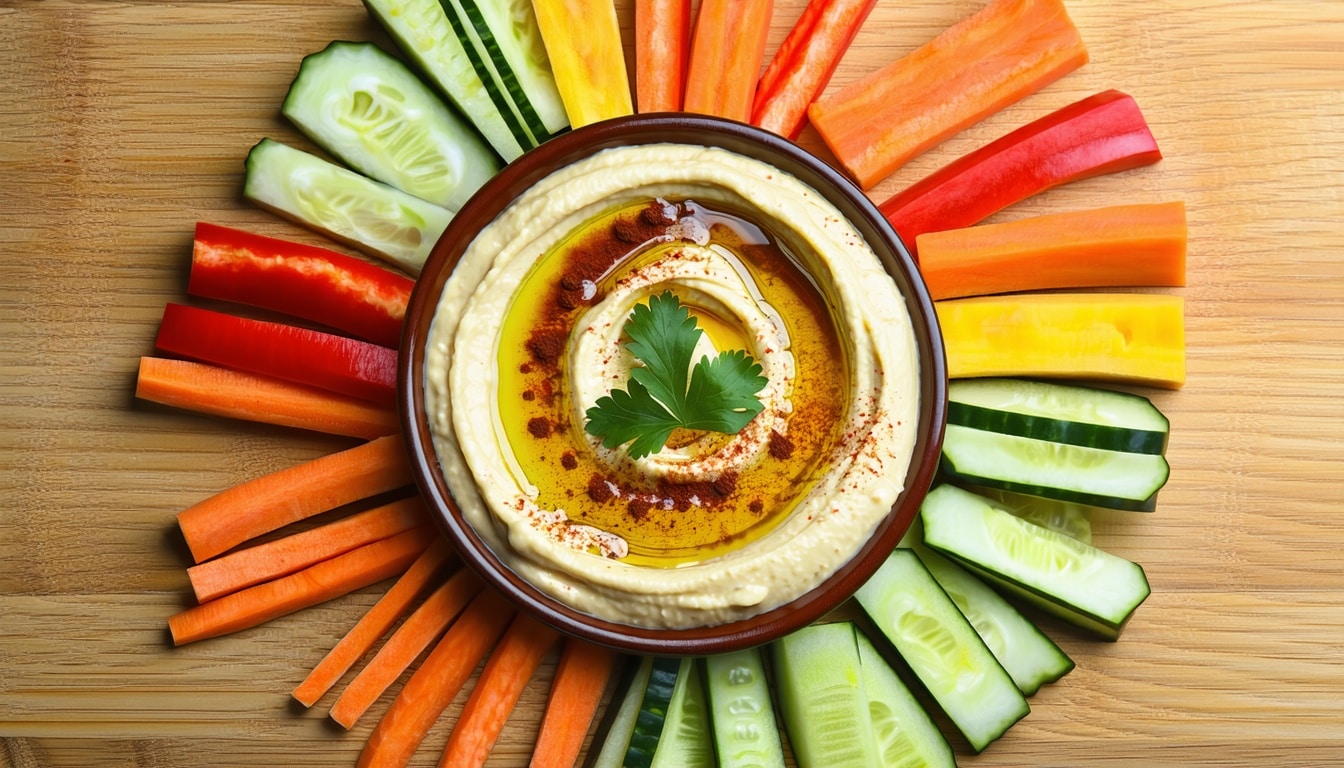
- Transfer to a serving bowl and sprinkle with paprika, cumin, or a light drizzle of olive oil for an extra flavor boost.
Nutrition Facts
Below is an approximate breakdown per 2-tablespoon serving:
| Nutrient | Amount (Approx.) |
|---|---|
| Calories | 70 |
| Carbohydrates | 6 g |
| Protein | 2 g |
| Fat | 4 g |
| Fiber | 1.5 g |
Keep in mind that exact numbers can vary based on the brands and specific quantities you use.
Final Thoughts
Gluten-free hummus is one of those reliable snacks you can always come back to, especially when you’re looking for something tasty and easy. Whether you’re spreading it on a sandwich wrap or pairing it with fresh veggies, you’ll have a protein- and fiber-packed side dish you can feel good about.
Want to personalize your batch? Toss in roasted red peppers, add spicy jalapeños, or stir in some sun-dried tomatoes. It’s your recipe—have fun experimenting. If you have a favorite twist, share it in the comments so everyone can try it out!
Frequently Asked Questions (FAQs)
-
Is hummus naturally gluten-free?
Hummus is typically gluten-free because it’s mainly chickpeas and tahini. However, flavored store-bought varieties may contain gluten, so always check labels if you’re not making it yourself. -
What can I serve with gluten-free hummus?
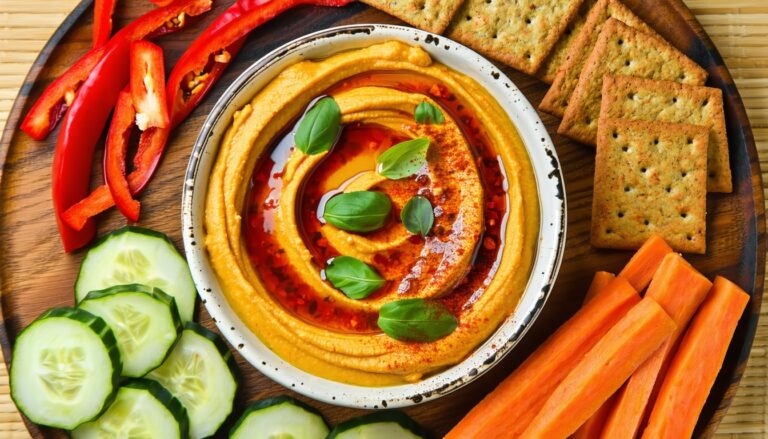
Try it with carrot sticks, cucumber slices, or gluten-free crackers. It also makes a great spread for gluten-free wraps. -
How long does homemade hummus last?
It’s best to store it in an airtight container in the fridge, where it should stay fresh for about 4–5 days. If it starts smelling off, it’s time to toss it. -
Can I freeze hummus?
Absolutely. Transfer it into freezer-safe containers, leaving a little space at the top, and freeze for up to three months. Thaw overnight in the fridge, and stir well before serving.
Enjoy your homemade gluten-free hummus, and don’t hesitate to experiment with new seasonings or toppings. After all, you’re in charge of your kitchen. Have fun!
Gluten-Free Recipe for Gluten-Free Hummus
Ingredients
1 can (15 ounces) of chickpeas, drained and rinsed
1/4 cup tahini (sesame seed paste)
Juice of 1 lemon (about 2–3 tablespoons)
1 clove garlic, crushed or finely chopped
2 tablespoons extra virgin olive oil
1/2 teaspoon salt (more to taste)
A sprinkle of paprika or cumin (optional)
2-4 tablespoons water (to adjust consistency)
Directions
- Gather and prep your ingredients. Rinse the chickpeas under cold water, and peel off any loose skins if you want an extra-smooth texture.
- Place the chickpeas, tahini, lemon juice, garlic, olive oil, and salt in a food processor or blender. Start by pulsing a few times to roughly combine.
- Add water one tablespoon at a time, blending after each addition, until you reach your preferred consistency. Some folks like it thick, others prefer it silky—experiment and see what you love.
- Taste, then adjust seasoning. If the hummus feels a bit bland, add a touch more salt or an extra squeeze of lemon.
- Transfer to a serving bowl and sprinkle with paprika, cumin, or a light drizzle of olive oil for an extra flavor boost.