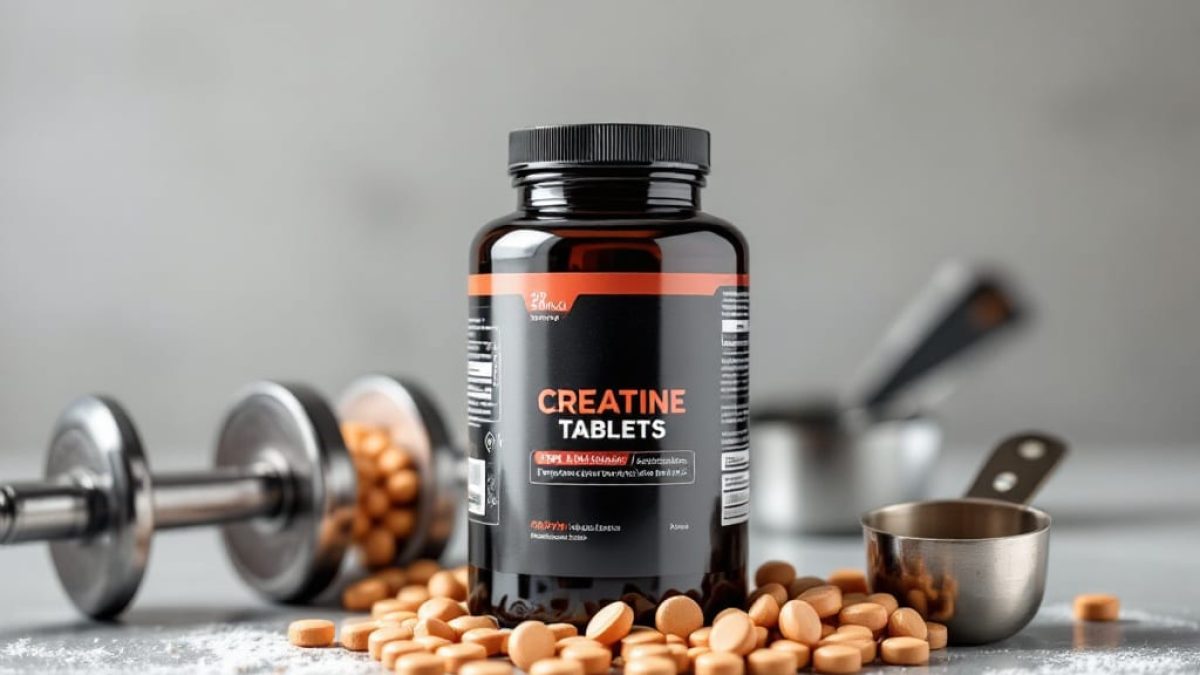
If you’ve been searching for an extra edge in your workouts, creatine tablets might be just the ticket. Maybe you’ve heard fitness gurus mention them, or you’ve spotted them in health store aisles. Creatine, a naturally occurring compound in your muscles, helps produce the energy you need for explosive moves like sprinting and lifting. Tablets simply make supplementation easy, with no fuss or measuring powders required.
Performance-wise, creatine has a lot going for it. Studies link it to gains in muscle mass, strength, and overall exercise output. While heading for the squat rack and fueling properly are key, supplementing with creatine can give your results a serious boost (Cleveland Clinic). But with so many forms out there, where do you start, and how do these tablets fit into your routine?
This guide breaks down the essential facts about creatine, covers different forms, and offers tips on how to incorporate creatine tablets into your regimen. We’ll chat about the benefits, safety concerns, and best practices so you can make an informed choice. Ready to power up your workouts? Let’s jump right in.
Understand creatine basics
Before you commit to any supplement, it’s good to understand what you’re putting into your body. Creatine is a compound your body produces in small amounts, with additional sources available through foods like red meat and seafood (Mayo Clinic). Most of it is stored in muscle cells, primarily as phosphocreatine, which is crucial for generating ATP (adenosine triphosphate), essentially your muscle’s energy currency.
What is creatine?
Creatine is formed from three amino acids: glycine, arginine, and methionine. Your kidneys, liver, and pancreas work together to create about one gram per day (Cleveland Clinic). If you follow a plant-based diet or rarely eat meat, your natural creatine stores might be lower, which makes supplemental creatine especially helpful. People often notice more pronounced results when they boost their creatine reserves.
One reason you’d consider tablets is convenience. You don’t have to mix a powder, measure a scoop, or endure gritty textures. Instead, you can pop a pill with a glass of water, making your supplementation routine quick and easy. Tablets also give you more predictable dosing, which can be a plus for anyone who prefers straightforward instructions.
Why athletes love it
Creatine’s biggest claim to fame is fueling short bursts of intense activity. When you sprint or lift weights, your muscles call on ATP for instant energy, and creatine helps recycle those energy molecules faster (Healthline). Many athletes swear they can squeak out extra reps, sprint a bit harder, or recover more efficiently. Over time, that can translate into better performance in your chosen sport or training style.
Ever wonder why pro athletes from sprinters to powerlifters often keep creatine in their regimen? It isn’t just for show. Because creatine saturates muscle cells, your body can rapidly regenerate the ATP it needs for demanding tasks. In simpler terms, this means more explosive power, denser muscles, and the ability to push yourself just a little bit further every workout.
Discover key performance benefits
So, what exactly can you expect from being consistent with creatine supplementation, specifically if tablets are your go-to? It’s not an overnight miracle, but research suggests you could see real improvements (Mayo Clinic). Beyond big biceps and heavier lifts, creatine can offer a range of advantages that support your overall training goals.
Support muscle growth
First up is getting bigger, stronger muscles. Creatine leads to an increase in water content in muscle cells, which can promote protein synthesis, the process your body uses to build muscle. According to some studies, people who take creatine while resistance training can gain an additional two to four pounds of muscle mass over several weeks, compared to those who rely on training alone (Cleveland Clinic).
This extra muscle mass doesn’t just help you look stronger. It may also boost your resting metabolic rate, meaning you burn more calories even when you’re not working out. The good news? Because you’re supporting your muscles’ ability to take on more work, you’re set up to keep growing if you stay consistent with your training.
Boost high-intensity workouts
Creatine’s true superpower shows in short, high-intensity efforts, think sprints, HIIT workouts, and quick bursts of maximal effort. When your muscles have a steady supply of phosphocreatine, they can produce ATP faster, giving you that noticeable bump in performance. Studies have found that athletes performing repeated bouts of intense exercise feel less fatigue thanks to creatine (Scandinavian Journal of Medicine and Science in Sports).
If you’ve ever felt gassed halfway through a high-intensity circuit, creatine might help you eke out a few more reps or a little extra sprint speed. Over weeks and months, these small edges add up to noticeable gains in power and speed, which can also translate to an edge in competitive sports.
Enhance recovery
One overlooked benefit is creatine’s potential impact on recovery. Pushing your muscles hard can lead to micro-tears, inflammation, and delayed onset muscle soreness. Creatine may help reduce that soreness and aid in faster recuperation. You’ll still need plenty of rest, but with creatine on board, you might bounce back a bit quicker, letting you train consistently with fewer aches holding you back.
Put it all together, and creatine’s performance benefits can help you lift more weight, run a faster 100 meters, and stay on track for long-term progress. Of course, you’ll want to combine creatine with a balanced diet, consistent workouts, and enough sleep to truly maximize your gains.
Consider different forms
There’s no shortage of creatine supplement options, from powders and liquids to fancy “buffered” blends. Creatine tablets fit snugly in this lineup, offering convenience with generally no need to taste or mix anything. But you might be curious about other common forms and why certain ones are more popular or scientifically supported than others.
Creatine monohydrate
This classic version is widely recognized as the gold standard (Healthline). It’s the most studied form, shown to effectively increase your muscle creatine stores. It also tends to be the most affordable and straightforward to find. If you’re new to supplementation, you’ll likely see creatine monohydrate recommended first, and for good reason.
Why it remains popular
Experts have spent decades exploring creatine monohydrate, concluding that it’s safe and effective for most healthy individuals (Mayo Clinic). The body responds well to it, and the side effects are minimal when you stay within recommended dosages. Because it’s repeatedly proven itself in studies, many athletes stick to monohydrate for reliable results.
Creatine ethyl ester
Next up, you may see creatine ethyl ester touted as the next big thing. However, evidence suggests it’s not as potent as monohydrate (Healthline). Some users claim they avoid bloating with ethyl ester, but if muscle strength and size gains are your main goals, monohydrate edges out in most head-to-head comparisons. Could it work for you? Possibly, but the scientific consensus still favors monohydrate.
Creatine hydrochloride
Another option is creatine hydrochloride (HCl), prized by some for its water solubility. You might find claims that you can use a smaller dose or experience less stomach discomfort. So far, though, there’s limited research comparing HCl to monohydrate in humans (Healthline). If you find HCl tablets or powders, they’re likely not harmful, but we don’t have enough data to champion them over the tried-and-true monohydrate.
Buffered, liquid, and other variants
Buffered creatine and liquid forms often advertise better absorption or reduced stomach upset. However, direct studies haven’t found them to outperform standard monohydrate, and liquid forms in particular may break down in water before you even drink them (Healthline). That breakdown can reduce your gains. If you prefer a quick, hassle-free method, you might still consider tablets, but you’ll want to confirm they use a stable form of creatine.
For a quick comparison, check out the table below.
| Type | Main advantage | Any drawback | Example reference |
|---|---|---|---|
| Creatine monohydrate | Most research, proven effectiveness | Can cause mild bloating at higher doses | Healthline |
| Creatine ethyl ester | Some claim less water retention | Lacks strong evidence of superior results | Healthline |
| Creatine hydrochloride | Highly soluble in water | Limited human studies on its efficacy | Healthline |
| Buffered or liquid forms | Marketed for better stability | Often breaks down or shows no advantage over monohydrate | Healthline |
In short, creatine monohydrate remains the champion if you want evidence-backed results. That said, you have the freedom to explore whichever form suits your stomach, budget, or personal preference. Tablets usually contain monohydrate or hydrochloride, so check the label to know what you’re actually getting.
Use effective supplementation
Once you’ve settled on a creatine product, how do you take it to see the best outcomes? You’ll find two main approaches: a rapid-loading method or a steady, low-dose plan. The goal is saturating your muscle cells with creatine so you can enjoy performance benefits fully (Bodybuilding).
Loading phase and maintenance
Many people start with a loading phase, taking around 20 to 25 grams daily in four or five split doses for about five to seven days (PMC). When you rely on creatine tablets during this phase, you can simply space out your doses throughout the day with minimal fuss. After loading, you shift to a maintenance dose of 3 to 5 grams daily. This protocol can raise your muscle creatine stores faster, letting you feel results sooner. But it might also come with mild water retention.
Alternatively, you can skip loading altogether and stick to 3 to 5 grams per day from the get-go. You’ll still eventually reach a high level of creatine in your muscles, it just takes a bit longer, often around three to four weeks (Bodybuilding). This slower approach can minimize potential bloating or digestive issues. With tablets, simply check how many milligrams each provides, and make sure you’re hitting that sweet spot each day.
Timing matters
Should you take creatine before or after a workout? Some researchers say post-exercise might offer slight advantages for muscle growth and body composition (PMC). However, the difference is small. The priority is daily consistency, so consider your schedule and choose the time that feels easiest for you. Many folks find post-workout or bedtime convenient.
Creatine also pairs nicely with carbohydrates and protein. Consuming it alongside a protein shake or a meal may enhance absorption. Just avoid mixing creatine too far in advance. If you’re using tablets, you don’t need to worry about pre-mixing, so it’s simple to pair them with your post-exercise snack or dinner.
Day-to-day tips for success
Think of creatine supplementation like brushing your teeth. Doing it consistently yields the best results, so try to make it part of your daily routine. You might set a phone reminder or keep your tablets next to your vitamins. And if you miss a day or two, don’t panic. It takes several weeks for creatine levels to drop from their peak, so just pick up where you left off (Bodybuilding).
Staying hydrated is also key. Creatine pulls water into your muscle cells, so it’s wise to drink an extra glass or two of water throughout the day. This helps reduce the chance of cramps or stomach issues and ensures your muscles can make the most of the extra creatine.
Monitor possible side effects
Creatine is generally considered safe for healthy adults, but like any supplement, it comes with a few considerations (Mayo Clinic). Knowing potential side effects can help you respond quickly if something feels off.
Water weight and bloating
Some of the weight you gain in the early stages of creatine supplementation might be water. That’s because creatine draws fluid into your muscles, creating a fuller look. While this is great for muscle function, you may feel a bit bloated at first. Usually, this effect levels out once your body adjusts, but if you’re cutting weight for an event, keep the timing in mind.
Kidney function concerns
Creatine gained a bit of a bad rap years back when people worried it might damage kidneys. According to current data, creatine doesn’t harm kidney function in healthy individuals (Mayo Clinic). However, if you have preexisting kidney issues, you should consult with a healthcare professional before supplementing. It’s always better to be safe than sorry.
Safe usage guidelines
In general, creatine is safe to take at recommended dosages for up to five years (Mayo Clinic). Be sure to buy from reputable brands that follow good manufacturing practices. If you start experiencing stomach upset or other discomfort, try splitting your daily dose into smaller amounts throughout the day or consider switching from a powder to tablets (or vice versa) to see if that helps.
Always pay attention to how you feel. If you notice unusual symptoms, dial back your dosage or pause supplementation and see if the symptoms subside. Everyone’s body is unique, and sometimes, a little experimenting helps you find the perfect fit.
Explore everyday applications
While athletes are the most frequent creatine users, you don’t have to be a pro to benefit. Curious whether creatine tablets could help you beyond the gym or track? Let’s look at a few groups that might see a boost.
Creatine for older adults
As we age, muscle mass tends to decline, which can lead to weaker bones, reduced mobility, and a lower quality of life. Some research suggests that creatine supplementation could help older populations maintain muscle strength and power, especially when combined with resistance training (European Journal of Applied Physiology). Although more research is needed, it’s an intriguing possibility for preserving independence.
Creatine for vegetarians
Vegetarians and vegans often have lower dietary creatine intake because they don’t eat meat or fish, two foods naturally containing creatine (Mayo Clinic). This can lead to reduced muscle creatine stores. In such cases, supplementing might yield noticeable improvements in performance and a more pronounced increase in muscle mass compared to individuals who already have higher dietary creatine levels.
Brain health possibilities
Beyond muscle gains, there’s emerging interest in creatine’s potential to support brain function. Early studies show some promise, especially in older adults who may experience mild memory improvements (Cleveland Clinic). Right now, the research is still evolving, so it’s best to think of any cognitive boost as a bonus rather than a guarantee. If future studies confirm positive effects, you might be ahead of the game by already having optimal creatine levels.
In short, even if you’re not chasing a personal best squat or 100-meter sprint time, creatine tablets could be a useful addition to your routine. Whether you’re hoping to counteract age-related muscle loss, bridge dietary gaps, or explore potential brain benefits, this supplement has more to offer than just bulking up.
Wrap up your strategy
With creatine tablets on your shelf, you’re giving your muscles an extra edge in energy production and endurance. By saturating your cells with this handy compound, you can push harder, recover faster, and potentially see more noticeable improvements in strength and size.
Just remember, creatine isn’t a magic wand. To really see results, pair it with a thoughtful workout plan, balanced nutrition, and enough sleep to let your muscles rebuild. Keep an eye on your hydration, especially during those intense workouts, and consider a loading phase if you want the benefits to kick in faster.
Below is a recap checklist to keep you on track:
- Decide on your dosage: loading or steady 3-5 grams.
- Choose tablets, powder, or another form that fits your lifestyle.
- Pick a convenient time each day to boost consistency.
- Drink extra water to support hydration.
- Monitor how your body feels, and adjust if needed.
- Consult a pro if you have existing kidney concerns or special conditions.
Approached wisely, creatine tablets can be a solid, science-backed tool. Give them a fair trial—at least a few weeks—and see if you notice improvements in your workouts or daily energy. If you do, congratulations on finding a straightforward way to level up your fitness journey. If not, at least you gave it a shot. Either way, keep training hard and exploring new ways to challenge yourself. You might be one supplement away from your next big breakthrough.