Leg day often gets overlooked, but it’s the foundation of true strength and balance. A strong lower body doesn’t just look impressive—it enhances athletic performance, improves posture, and supports overall fitness. This article breaks down essential movements—barbell back squats, Romanian deadlifts, and dumbbell lunges—and explains how each contributes to building massive, functional legs.
Start with Barbell Back Squats
Barbell back squats should be the cornerstone of any effective leg routine. Paying attention to depth and knee alignment is crucial. Squatting to full depth engages the quads, glutes, and hamstrings more effectively, while keeping the knees slightly pointed outwards helps prevent joint strain and improves hip activation.
This compound lift targets multiple muscle groups at once, making it incredibly efficient. The quads drive the upward motion, the glutes and hamstrings handle hip extension, and your core works to stabilize the torso. Because of the large number of muscles recruited, squats also boost calorie burn and muscle growth.
Form is everything. Focus on stable foot placement, controlled breathing, and a neutral spine. Avoid the temptation to load too much weight too quickly. Prioritize depth—ideally just below parallel—and consistent technique to safely build strength over time.
Romanian Deadlifts: Strengthen the Hamstrings
Next up are Romanian deadlifts (RDLs), which emphasize the hamstrings, glutes, and lower back—collectively known as the posterior chain. The key to performing RDLs safely and effectively is maintaining a flat back and strong hip hinge. A rounded back can shift the load away from the intended muscles and lead to injury.
Unlike conventional deadlifts, RDLs focus on the eccentric (lowering) portion of the lift. Begin standing with the barbell in hand, lower it slowly by pushing your hips back, and stop when your hamstrings feel a stretch. Then, drive your hips forward to return to standing. This slow and controlled motion creates muscle tension and improves flexibility.
RDLs help balance muscular development between the front and back of the legs. Many lifters overtrain the quads while neglecting the hamstrings, leading to instability and posture issues. Incorporating RDLs improves symmetry and builds a stronger foundation for athletic movement and other compound lifts.
Dumbbell Lunges: Power and Balance
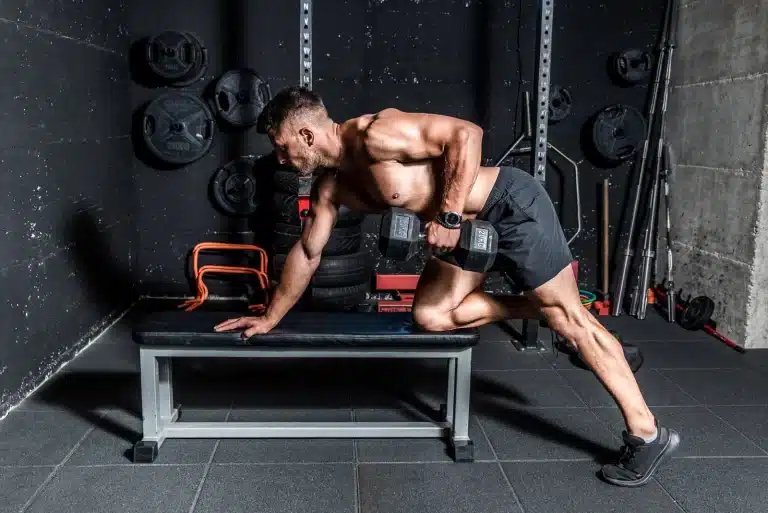
Dumbbell lunges are a powerful unilateral exercise that challenges coordination and balance. Proper technique is more important than speed or volume. Lunges engage the glutes, quads, and stabilizing muscles, and because each leg works independently, they help correct left-right imbalances common with bilateral exercises like squats.
Effective lunges require upright posture, long enough strides, and depth—both knees should reach about 90 degrees. You can vary lunges with walking, reverse, or stationary styles, depending on your training goals.
Beyond muscle growth, lunges develop core stability and enhance motor control. They’re valuable for improving posture, athleticism, and everyday movement mechanics.
Train with Intent and Control
All three exercises share a common principle: prioritize form and control. Rushing through reps may feel intense, but it sacrifices effectiveness and increases injury risk. Controlled, deliberate reps ensure proper muscle engagement, improving strength and hypertrophy. A full range of motion stimulates more muscle fibers, promoting size and flexibility.
Together, squats, RDLs, and lunges create a balanced lower-body routine. Each move targets different muscles, ensuring development across both the front and back of your legs. Repeating these exercises consistently with progressive overload is the key to long-term gains.
Build a Strong Foundation
Strong legs support your entire body’s strength and movement. From climbing stairs to sprinting or lifting weights, lower-body power determines your stability, endurance, and performance.
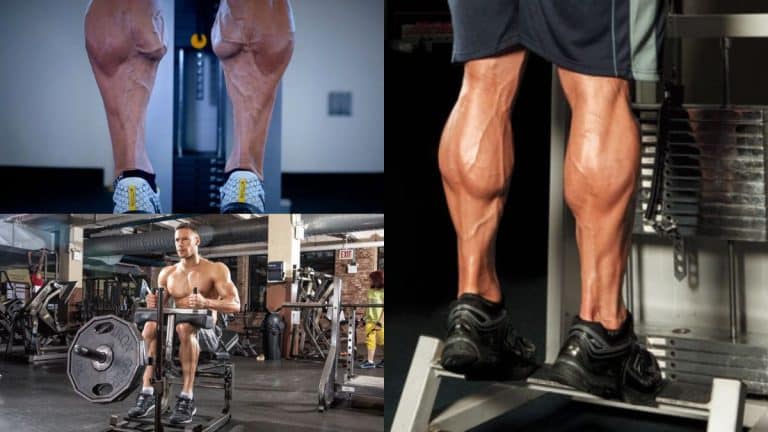
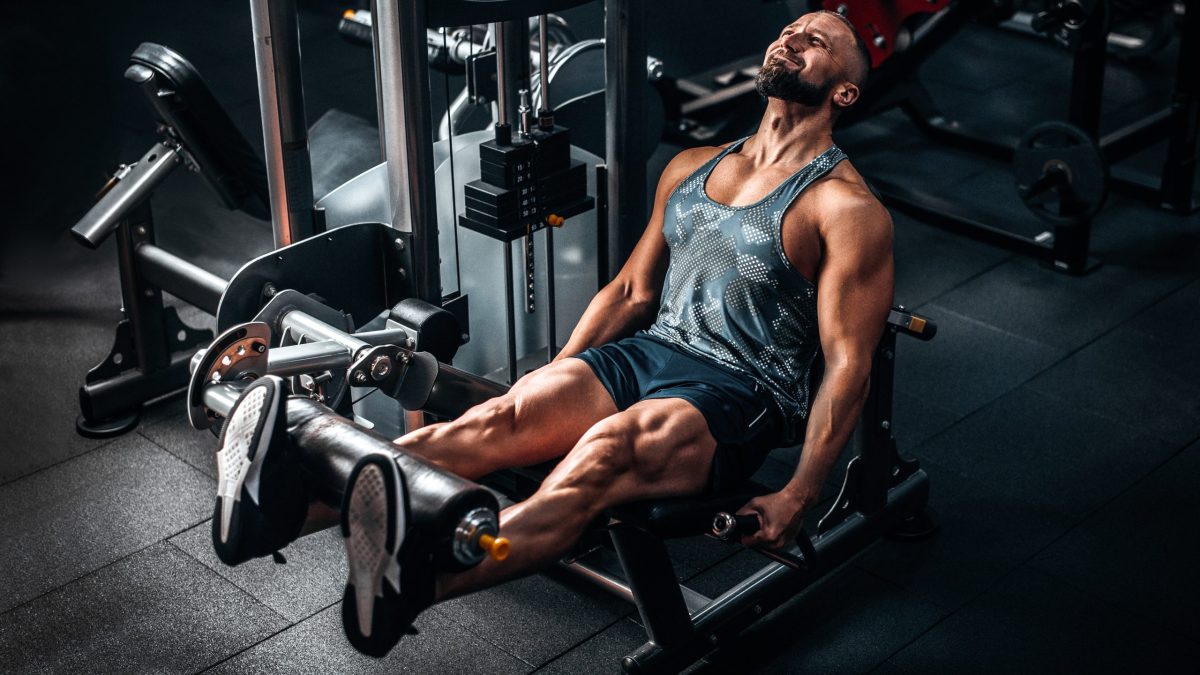
By building your training around squats, RDLs, and lunges—and performing them with excellent form—you’ll not only grow impressive leg muscles but also improve your coordination, mobility, and total-body strength. Accessories like leg presses, calf raises, or glute bridges can further enhance development, but mastering the basics will deliver the most lasting results.
Final Thoughts
This lower-body routine emphasizes the importance of compound lifts done with intent and proper technique. Barbell squats develop full lower-body strength, Romanian deadlifts target the posterior chain, and dumbbell lunges train unilateral balance and stability. Combined, they offer a complete, effective path to building powerful legs.
Stay consistent, use full range of motion, and progress gradually with resistance. With time and dedication, you’ll develop legs that not only look strong but also perform exceptionally in every aspect of fitness.