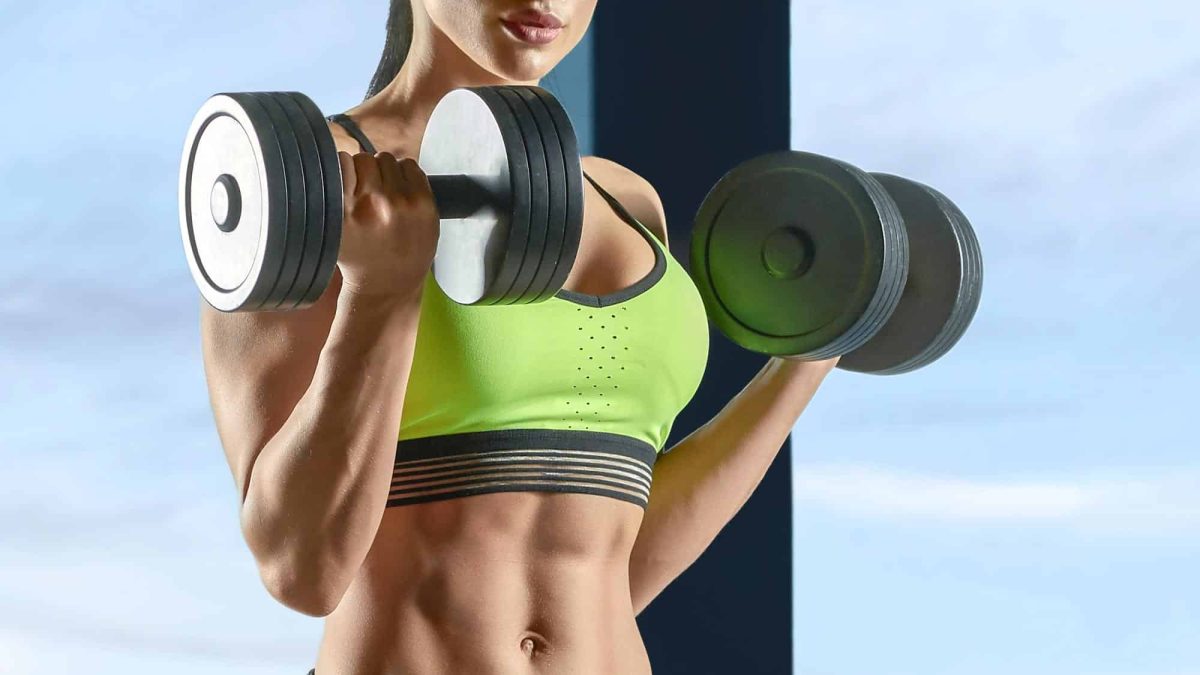
A well-structured standing dumbbell routine helps you build strength, improve stability, and raise your heart rate without needing much space. This 20-minute full-body workout offers a quick warmup, targeted strength exercises, and a cooldown to help your muscles recover. You can complete the entire session with a pair of dumbbells that suit your fitness level.
Warm Up to Activate the Body
Gentle Movements to Prepare the Upper and Lower Body
The warmup begins by lifting the arms overhead and pulling the elbows down toward the ribs. This action wakes up the shoulders and upper back while improving your posture. A side bend follows, moving gently from one side to the other to stretch the obliques and loosen the torso. You continue switching sides, encouraging the muscles to lengthen before moving into strength work.
Next, you shift into side leg lifts paired with knee crunches. Each rep challenges your balance and activates the core. Lift the leg tall, then draw the knee in toward the chest as the elbows pull down. You repeat on both sides to raise your heart rate and warm the hip flexors.
Side lunges with arm reaches add more range of motion. Stepping out wide, you lower into the hip and reach overhead, expanding the chest and lengthening the spine. This movement prepares the legs for squats and lunges later in the workout. Once the warmup ends, your joints feel ready for the heavier work ahead.
Upper and Lower Body Strength Training
Bicep Curl to Squat
The first strength sequence starts with both dumbbells in hand, palms facing up. You curl the weights to engage the biceps, then drop into a squat. As you stand, you extend the arms and legs at the same time. This combination targets your arms, quads, and glutes while keeping your core engaged throughout. The rhythm pushes your muscles to work through a full range of motion.
Half Curls With a Cross-Body Reach
Two half curls follow. You lift the weights only halfway before lowering them again, keeping constant tension on the biceps. After two reps, you reach across the body and lift the opposite knee. This cross-body action brings the obliques into the movement. You alternate sides, focusing on steady form and core control.
Lunge and B-Stance Squat
You continue with a three-step lunge on the left side. Step back, lower into the lunge for three reps, then shift into a narrow B-stance squat. With your heel lifted slightly behind you, the focus moves to one leg at a time. After completing the left side, you repeat with the right. These variations strengthen the quads, hamstrings, and glutes while improving stability.
Sumo Squat to Upright Row
Next, step wide and turn the toes outward to enter a sumo squat. As you stand, lift the dumbbells in an upright row. This movement recruits the inner thighs, glutes, and shoulders. You keep your elbows high and shoulders down to maintain proper form.
Shoulder and Back Engagement
Leaning Reverse Fly and Forward Raises
From a soft hinge at the hips, you perform two reverse flies. This strengthens the upper back and helps counter forward shoulder posture. After returning to a tall stance, you lift the weights forward with palms facing down. The forward raises target the front of the shoulders. This rotation between leaning and upright positions keeps the upper body working from different angles.
Shoulder Press
A classic shoulder press comes next. Press the dumbbells overhead and bring them back down with control. The movement trains your deltoids while encouraging proper breathing—exhale as you lift and inhale as you lower.
Lower Body Strength and Conditioning
Squat Walks
After setting one dumbbell down, you hold the other at your chest and step side to side. Keeping your hips low turns this into an endurance challenge for the quads and glutes. The key is to avoid standing up fully between steps, maintaining steady tension in the legs.
Side Lunges With Alternating Reaches
Return to side lunges, this time reaching toward the opposite ankle for two repetitions. Switching sides keeps your hips engaged and your torso aligned. This move improves mobility along with strength.
Press Out and Chop
Holding the dumbbell with both hands, you press outward, then chop downward before returning to the center. This exercise trains the core, arms, and shoulders. The chop motion adds rotational engagement without requiring you to leave your standing position.
Hinge and Arm Strength Training
Staggered Deadlifts
With both dumbbells in hand, you enter a staggered stance and hinge forward for two deadlifts. You may keep the back leg on the ground or lift it for a balance challenge. Switch sides after completing your reps. This series targets the hamstrings and glutes while teaching proper hip hinging.
Tricep Extensions With Reverse Lunges
You continue with two overhead tricep extensions followed by a reverse lunge. The combination works the back of the arms and challenges the lower body in alternating patterns. This pairing increases calorie burn and provides a smooth transition between muscle groups.
Tricep Kickbacks With a Row
Lean forward slightly and perform two tricep extensions with palms facing in. Then row the weights back while squeezing the shoulder blades together. This movement trains the triceps and upper back at the same time, supporting better posture.
Rotations and Lateral Raises
With palms facing in, rotate the forearms outward and inward. Then perform a bent-arm lateral raise to lift through the elbows. This strengthens the biceps and shoulders with controlled, steady movement.
Final Strength Push
Squat and Press Combination
Holding one dumbbell, you complete a squat followed by a press and knee lift. The same arm and leg work together to build coordination and strength. After finishing one side, switch arms and continue. This compound exercise pushes the core, shoulders, and legs all at once.
Dumbbell Swings
The final move features swings with a single dumbbell. You send the weight back between the legs and then extend the hips forward. To add difficulty, you include a squat between each swing. This exercise uses the glutes and hamstrings to generate power and brings the heart rate up before the cooldown.
Cool Down for Recovery
Gentle Stretching to End the Session
The cooldown begins with a quad stretch on each side to release tension in the front of the thighs. A wide-leg fold follows. You may clasp your hands behind you to open the chest while stretching the shoulders and hamstrings. Turning the toes outward, you lower into a supported inner-thigh stretch. Slow breathing helps reduce tightness.
Standing tall, you reach overhead and exhale as you release the arms. One more long breath completes the cooldown and helps the body settle after the workout.